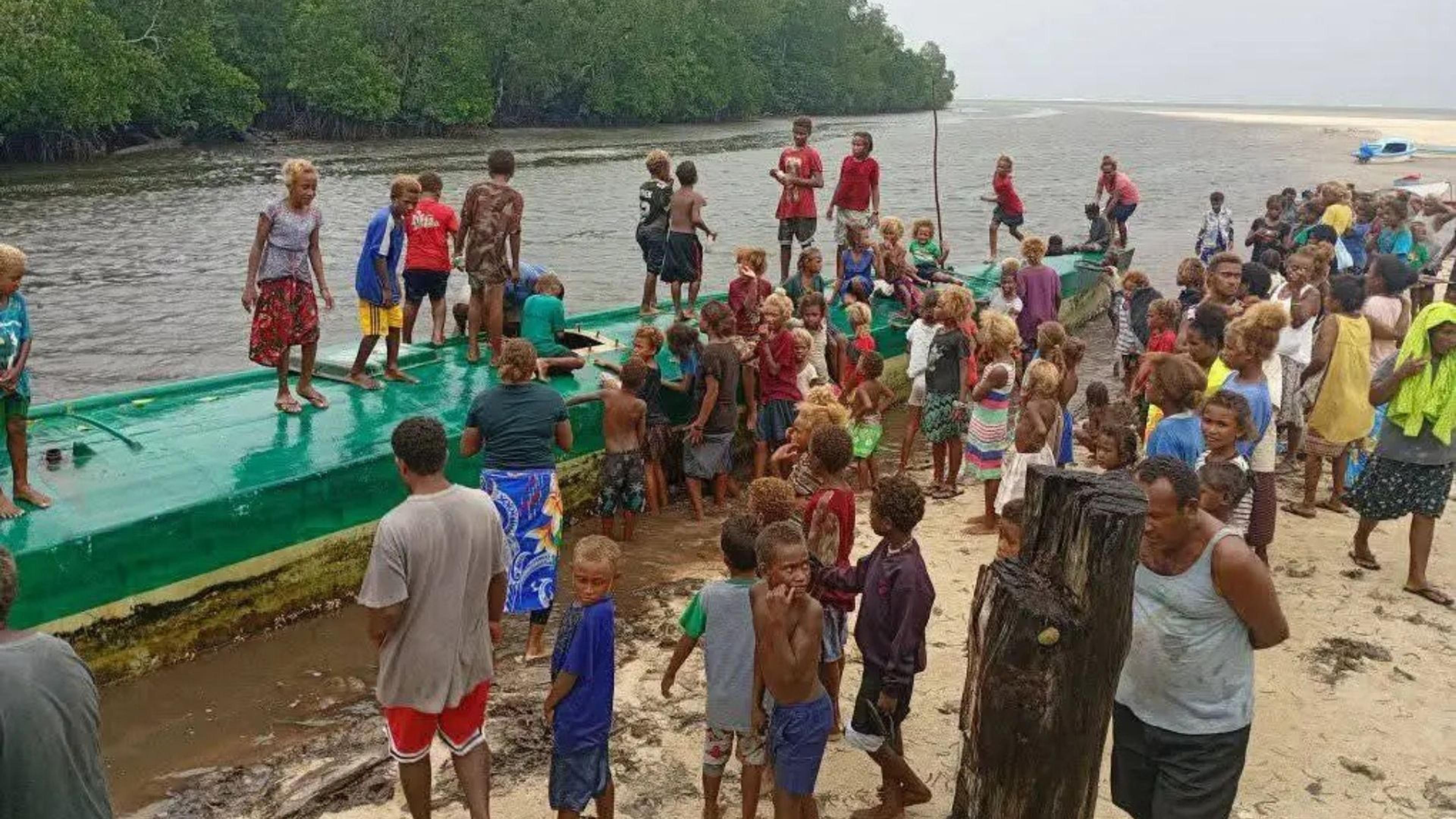
Two villagers found an abandoned narco submarine in Manasus, Fourau in Northeast Malaita, Solomon Islands, in October 2025: This was the third narco sub found in the country and highlights the region’s growing role in global trafficking routes.
Photo/In-depth Solomons
Law & Order
Cartels, submarines and deportees: How the Pacific became a drug 'pit stop' for traffickers
From narco-sub sightings to deportee-linked gangs, the region is emerging as a new frontline in global drug trafficking.

PMN News
Published
13 May 2026, 9:19am
Share
Copy Link
Top stories
World Vision warns children will pay for aid cuts beyond the Pacific
Thomas Tarurongo WynneMon, 12 Oct

Mate Ma’a Tonga’s 40-year legacy lives on through generations
Elton Lonaratha JnrMon, 12 Oct

David Seymour wants tougher welfare rule as Labour targets hidden costs in 2026 election
Thomas Tarurongo WynneFri, 09 Oct
Top stories
World Vision warns children will pay for aid cuts beyond the Pacific
Thomas Tarurongo WynneMon, 12 Oct
Mate Ma’a Tonga’s 40-year legacy lives on through generations
Elton Lonaratha JnrMon, 12 Oct
David Seymour wants tougher welfare rule as Labour targets hidden costs in 2026 election
Thomas Tarurongo WynneFri, 09 Oct
Remote islands in the Pacific, once seen as isolated, are now being drawn into global trafficking networks.
A major ABC Foreign Correspondent investigation has revealed how international drug cartels are increasingly embedding themselves across the Pacific.
The report says the cartels have been using remote islands as hiding places, transit routes, and recruitment hubs with the Solomon Islands and Tonga now of particular concern.
The second part of Cartel Paradise, which aired on 21 April, builds on earlier reporting from Fiji, showing how the Pacific is no longer just a pass-through region but part of a wider system used by global criminal networks.
In Solomon Islands, reporters travelled to remote Malaita Province where abandoned semi-submersible vessels, known as “narco-subs”, have been discovered.
The low-profile boats are designed to carry large quantities of cocaine while avoiding detection. Most are being built in South America before crossing the Pacific.
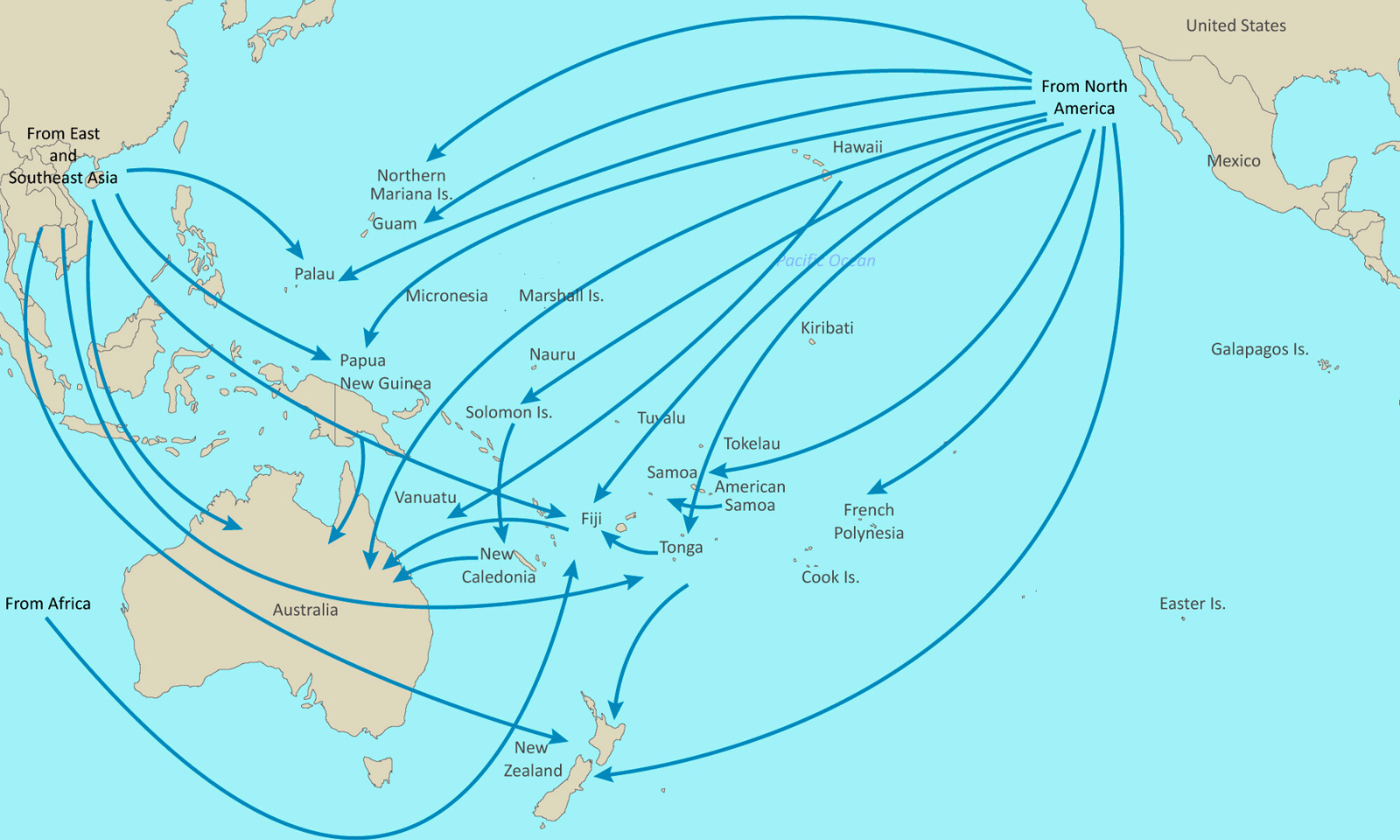
International drug cartels are increasingly embedding themselves across the Pacific, using remote islands as transit hubs and recruitment points. Photo/UNODC
Local journalist Chrisnrita Aumanu-Leong says the findings are a clear warning.
“These subs are the smoking gun. They prove the cartels are right here in our waters, using our islands to hide their cargo before the final run to Australia.”
Authorities in the programme describe Solomon Islands as a “perfect blind spot” for traffickers. The officials pointed to limited surveillance across the country's vast 900-island coastline.
Authorities there are increasingly concerned about the country’s vulnerability to organised crime.
Assistant Commissioner Patricia Leta of the Solomon Islands Police said:
“Yes, I am also worried about that.”
The investigation then turns to Tonga where concerns are growing about the impact of deportees returning from Australia, New Zealand, and the United States.
Many arrive without family support but with experience from overseas criminal networks including links to outlaw motorcycle gangs.
Police in Tonga say they are under-resourced compared to the scale of the threat.
“We are dealing with global networks with resources that far exceed our national budget,” Commissioner Geoff Turner said.
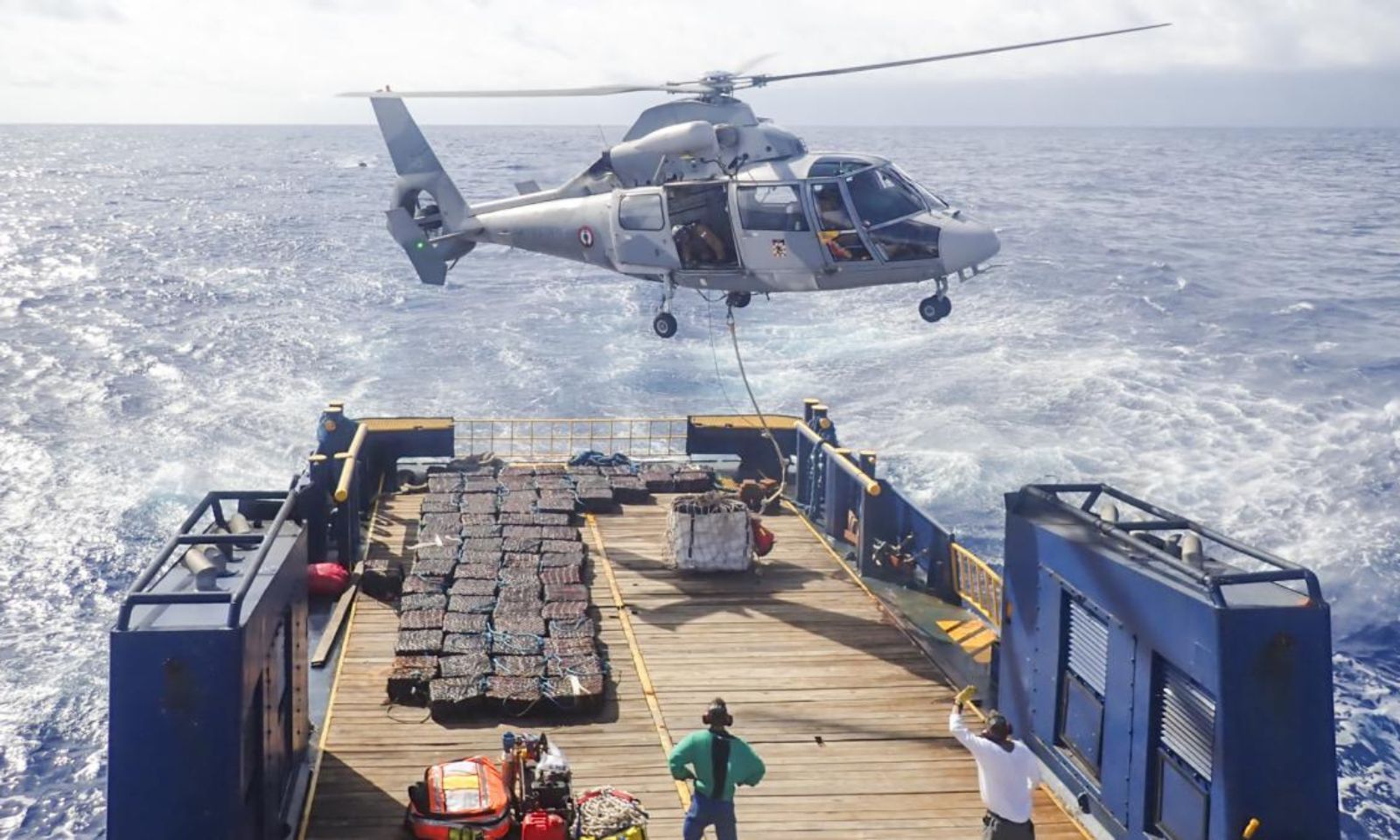
Experts warn the Pacific is no longer just a transit zone but part of a wider global drug supply chain. Photo/Facebook/French Embassy, Australia
Tongan reporter Marian Kupu says the impact is already being felt in communities.
“It’s not just the drugs, it’s the culture. We are seeing a generation of young Tongans influenced by deportees who bring gang life and violence that our society has never seen before.”
The documentary also features a high-profile prisoner who describes deportees as key players in emerging drug networks and calls them a “ready-made workforce” for syndicates operating locally.
The investigation highlights how individuals disconnected from both their countries of birth and upbringing are being drawn into organised crime structures soon after arrival.
For some deportees, involvement in crime has come after decisions made overseas.
“It was just stupid,” Eneasi Taumoefolau said. “It was reckless and I was very ambitious in the way I thought ‘I'll do it because it'll really, really piss them off'.”
The documentary finds that the Pacific is no longer simply a transit route for drugs but a “pit stop” in a global supply chain.
Experts warn that in many cases, cartels are now paying local handlers in drugs themselves - a practice that is fuelling local addiction, crime, and growing health pressures in communities not equipped to deal with the fallout.
As one expert notes, the region is now facing the direct consequences of global trafficking systems that are constantly shifting to avoid detection.
Part one of Cartel Paradise was aired on 14 April, 2026.