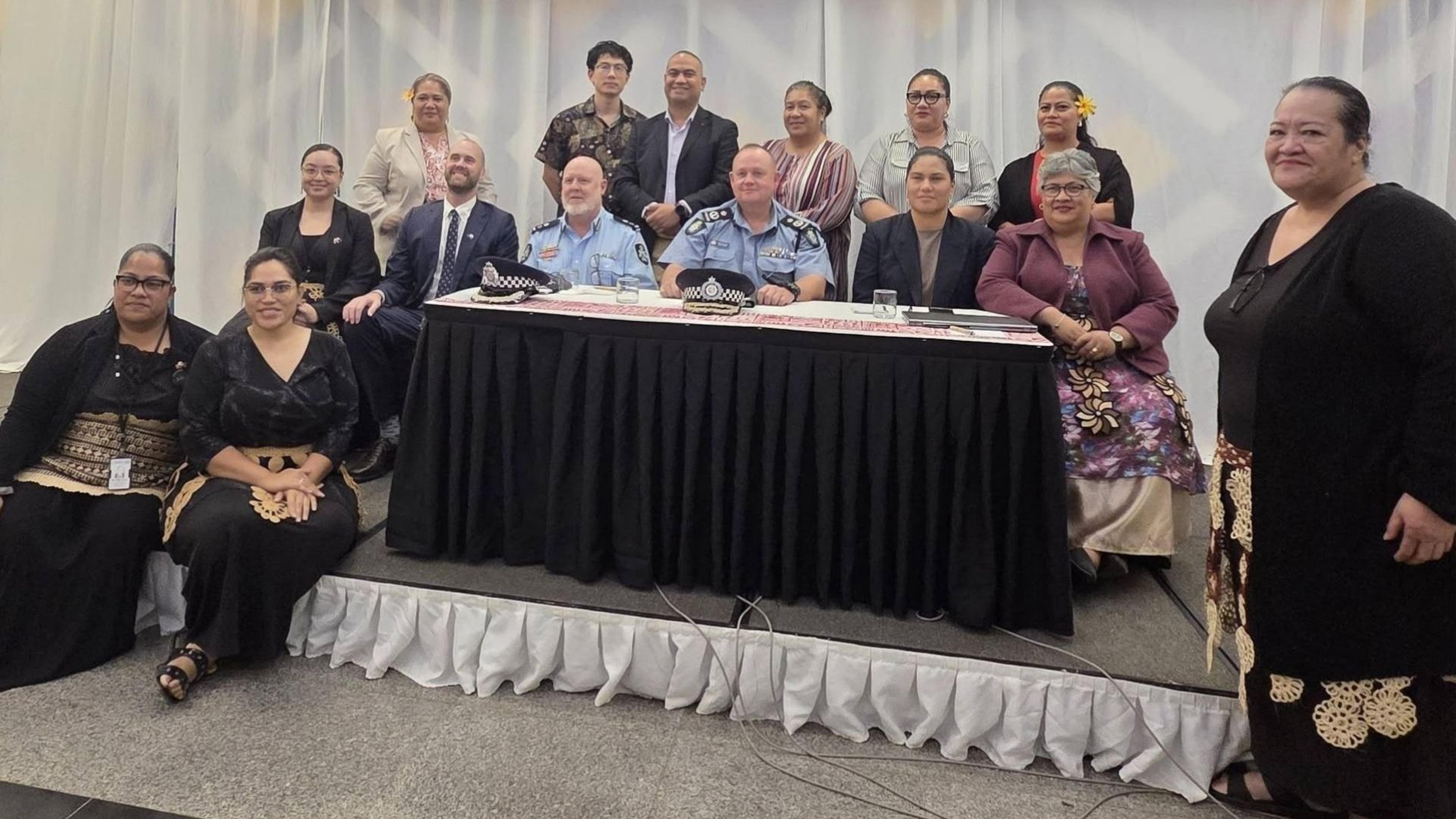
Journalists, police and regional law enforcement representatives gathered at the Media Association of Tonga's Press Club discussion on "Drugs, Security and Reporting", highlighting growing concerns over the impact of organised crime on Pacific communities and the media.
Photo/Media Association of Tonga
Pacific Region
Tongan journalists call for greater protection as Pacific drug trade raises safety fears
An investigative reporter coming face-to-face with an armed man has highlighted the growing risks Pacific journalists face as drug trafficking spreads across the region, media leaders in Tonga say.

PMN News
Published
21 July 2026, 10:36am
Share
Copy Link
Top stories
World Vision warns children will pay for aid cuts beyond the Pacific
Thomas Tarurongo WynneMon, 12 Oct
Mate Ma’a Tonga’s 40-year legacy lives on through generations
Elton Lonaratha JnrMon, 12 Oct

David Seymour wants tougher welfare rule as Labour targets hidden costs in 2026 election
Thomas Tarurongo WynneFri, 09 Oct
Top stories
World Vision warns children will pay for aid cuts beyond the Pacific
Thomas Tarurongo WynneMon, 12 Oct
Mate Ma’a Tonga’s 40-year legacy lives on through generations
Elton Lonaratha JnrMon, 12 Oct
David Seymour wants tougher welfare rule as Labour targets hidden costs in 2026 election
Thomas Tarurongo WynneFri, 09 Oct
Journalists in Tonga are warning that reporting on the Pacific's growing drug trade is becoming increasingly dangerous.
This comes after one reporter recently came face-to-face with an armed man while investigating the issue.
The concerns were raised during a Media Association of Tonga (MAT) Press Club discussion this week on "Drugs, Security and Reporting" where police, media leaders and regional law enforcement spoke about the growing impact of organised crime across the Pacific.
The discussion brought together representatives from MAT, Tonga Police and the Australian Federal Police to examine the growing impact of illicit drugs on the Pacific.
Teisa Pohiva Cokanasiga, Kele'a Voice manager, said the incident had brought home the risks journalists now face while carrying out their watchdog role.
"A recent incident with a Kele‘a journalist where she faced a life-threatening situation coming face to face where a man was armed with a gun," she said.
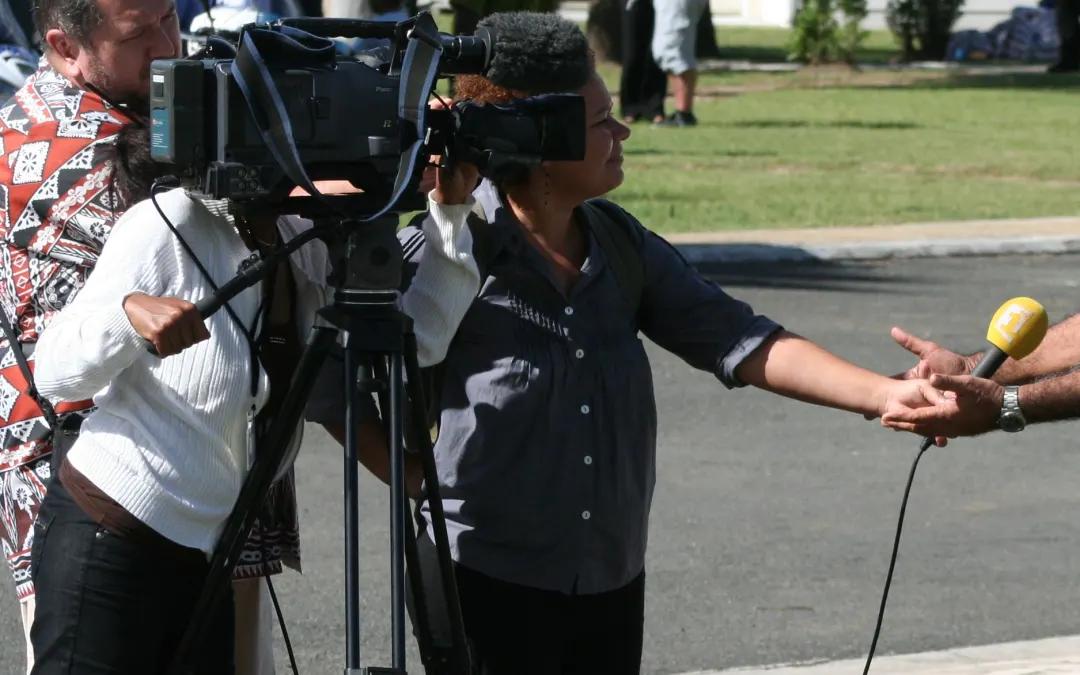
Pacific journalists are facing new challenges as transnational crime expands across the region, highlighting growing concerns about media safety, resources and the need to protect watchdog reporting. Photo/RNZ Pacific/Johnny Blades
"We have now only realised the magnitude of the media’s watchdog role in the fight against drugs."
Cokanasiga said many Pacific media organisations are small, privately owned newsrooms with limited resources to protect reporters working on sensitive investigations.
"In a time where illicit drug trade is prevalent in our world, in our pacific and in our country, the watchdog role of the media is even more critical in ensuring transparency, holding leaders accountable and helping bring justice to those involved in drug trade in the community and in government."
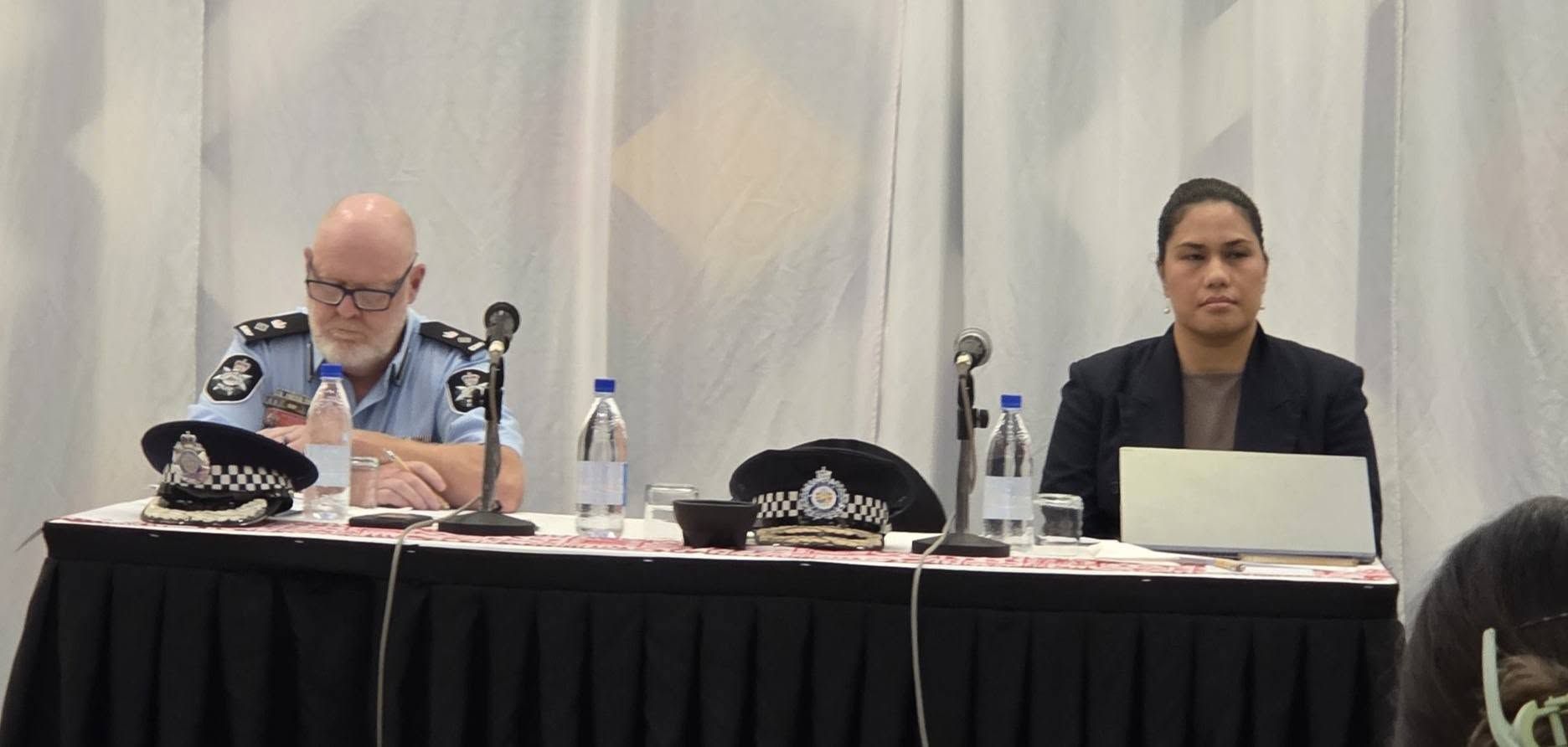
Tim Davis, left, the AFP's Senior Responsible Officer in Tonga and Kele'a Voice manager Teisa Pohiva Cokanasiga say Pacific journalists need greater support and protection as reporting on the region's growing drug trade becomes increasingly dangerous. Photo/Media Association of Tonga
She said investigations become even more difficult "when those involved are leaders and people with power whether in the community, church, or government".
The discussion comes as law enforcement agencies report a sharp rise in drug trafficking across the Pacific.
According to the Australian Federal Police (AFP), 17 tonnes of illicit drugs have been seized across the Pacific since January 2026, compared with 4.6 tonnes seized during the whole of 2025.
Tim Davis, the AFP's Senior Responsible Officer in Tonga, told the meeting that Australia's illegal drug market continues to attract international organised crime groups.
Quoting AFP Commissioner Reece Kershaw, Davis said it is "our nation's shame that Australians consume so many illicit drugs, and we pay such high prices for them".
Tonga Police Commissioner Geoff Turner said the country faces increasing pressure from drug trafficking, organised crime and changing social conditions.
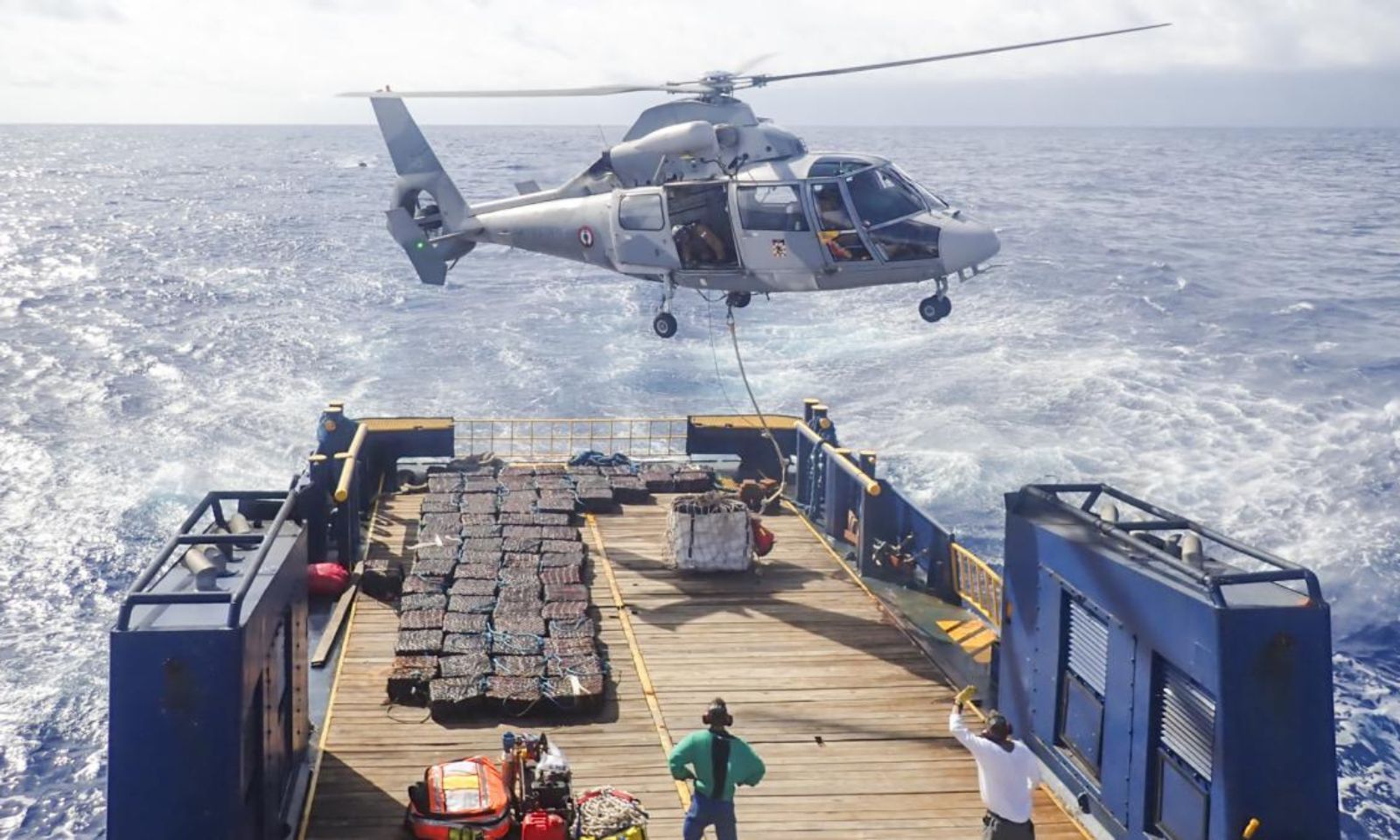
Law enforcement agencies say the Pacific is facing a sharp rise in drug trafficking, with organised crime groups increasingly using the region as a transit route for illicit drugs bound for Australia and New Zealand. Photo/French Navy (Marine Nationale)
He said police are responding by strengthening intelligence, introducing asset seizure laws and expanding maritime patrols while also working with New Zealand Police on community programmes aimed at preventing offending.
Tonga Prime Minister Lord Fakafanua has also described the drug crisis as a regional challenge, saying it requires a collective Pacific response.
"It is a huge challenge for us and for the region," he told ABC Pacific. "The drug issue is not just a Tongan issue; it is a regional problem that requires a Pacific-owned and Pacific-led response. We cannot fight international criminal syndicates on our own."
Fakafanua said Tonga's approach focuses on reducing supply, demand and harm, while strengthening cooperation with regional partners.
"Our focus is on three pillars: reducing supply at our borders, reducing demand in our villages, and reducing harm. But our borders are vast, and these cartels are using sophisticated routes through the Pacific.
"We need stronger intelligence sharing, better maritime surveillance, and closer cooperation with our neighbors including Australia and New Zealand to stop these drugs before they land on our shores."
Cokanasiga said Pacific media should not have to face these risks alone and called for greater regional support.
"I think it’s only fair for Australia and New Zealand to take the lead with assistance to media since the demand for illicit drugs from New Zealand and Australia is a big contributor to the drug trade crisis that’s ravaging our shores."
She said protecting journalists was becoming increasingly important as they continued investigating organised crime.
"So, there’s the new challenge for us in the media here in Tonga. Ensuring the safety of our journalists so that they may continue to investigate and report on what the people of the nation need to know...
"We need support so that the media can continue to do what they do best. Investigate stories and report."
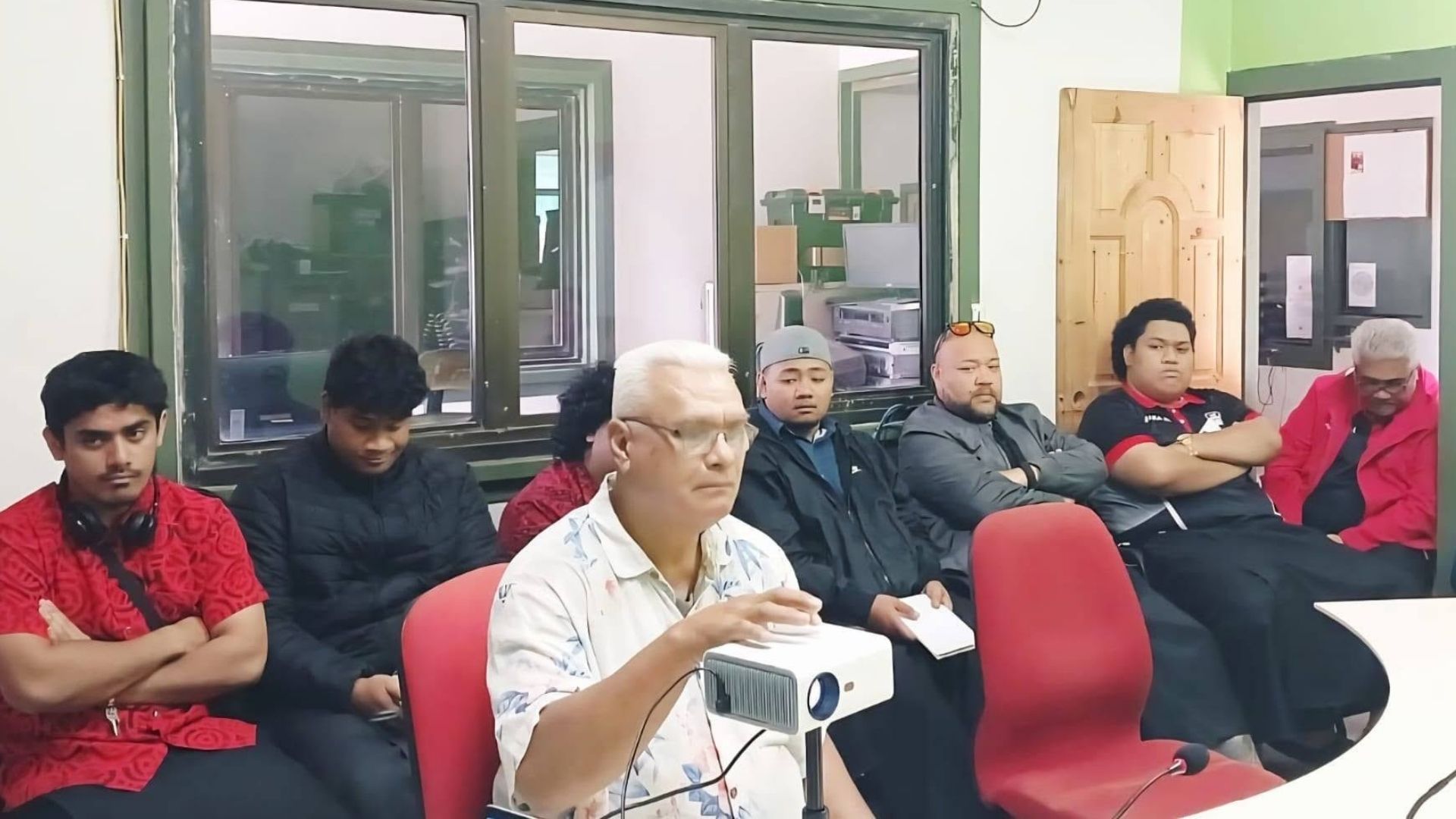
Tongan journalists are raising concerns about the growing risks of reporting on the illegal drug trade, as local media organisations investigate the impact of organised crime on their communities. Photo/Media Association of Tonga
Media organisations across the Pacific are increasingly reporting on the region's growing drug problem but Tonga's warning is among the clearest public signs yet that organised crime may now be posing a direct threat to journalists as well as police and border agencies.
The MAT Press Club discussion highlighted growing concern that as organised crime expands across the Pacific, the risks are no longer limited to police and border agencies.
Journalists investigating the illicit drug trade are increasingly finding themselves in harm's way.