
Kiwis suffer last-gasp heartbreak as the Kangaroos snatch World Cup opener
Christine RovoiFri, 16 Oct
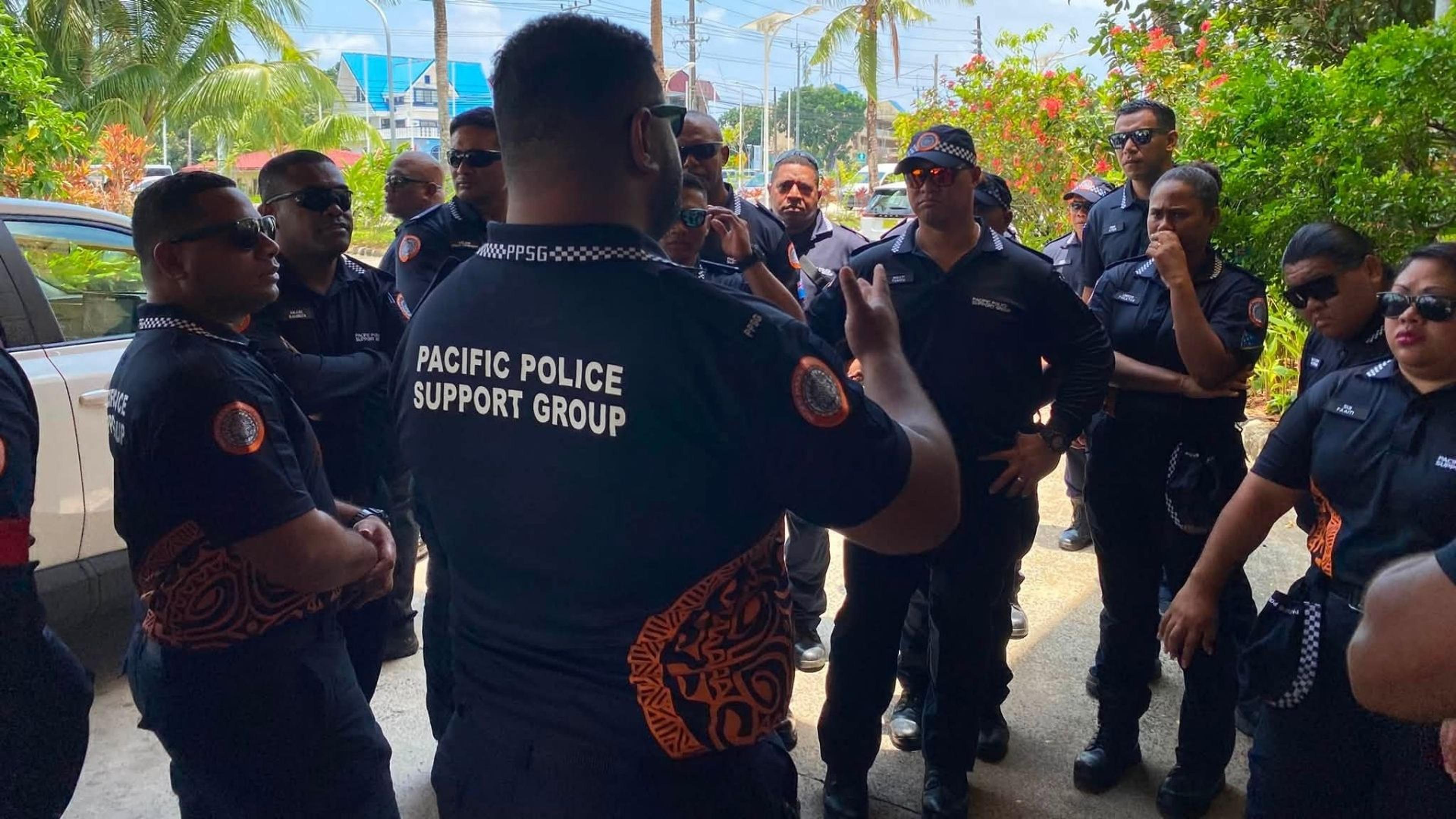
Security personnel gather during the Pacific Islands Forum in Palau as Pacific leaders focus on rising organised crime, drug trafficking and regional security.
Photo/Pacific Islands Forum
Leaders support a new regional plan to tackle organised crime in the Pacific but Papua New Guinea says voluntary arrangements are no longer enough.

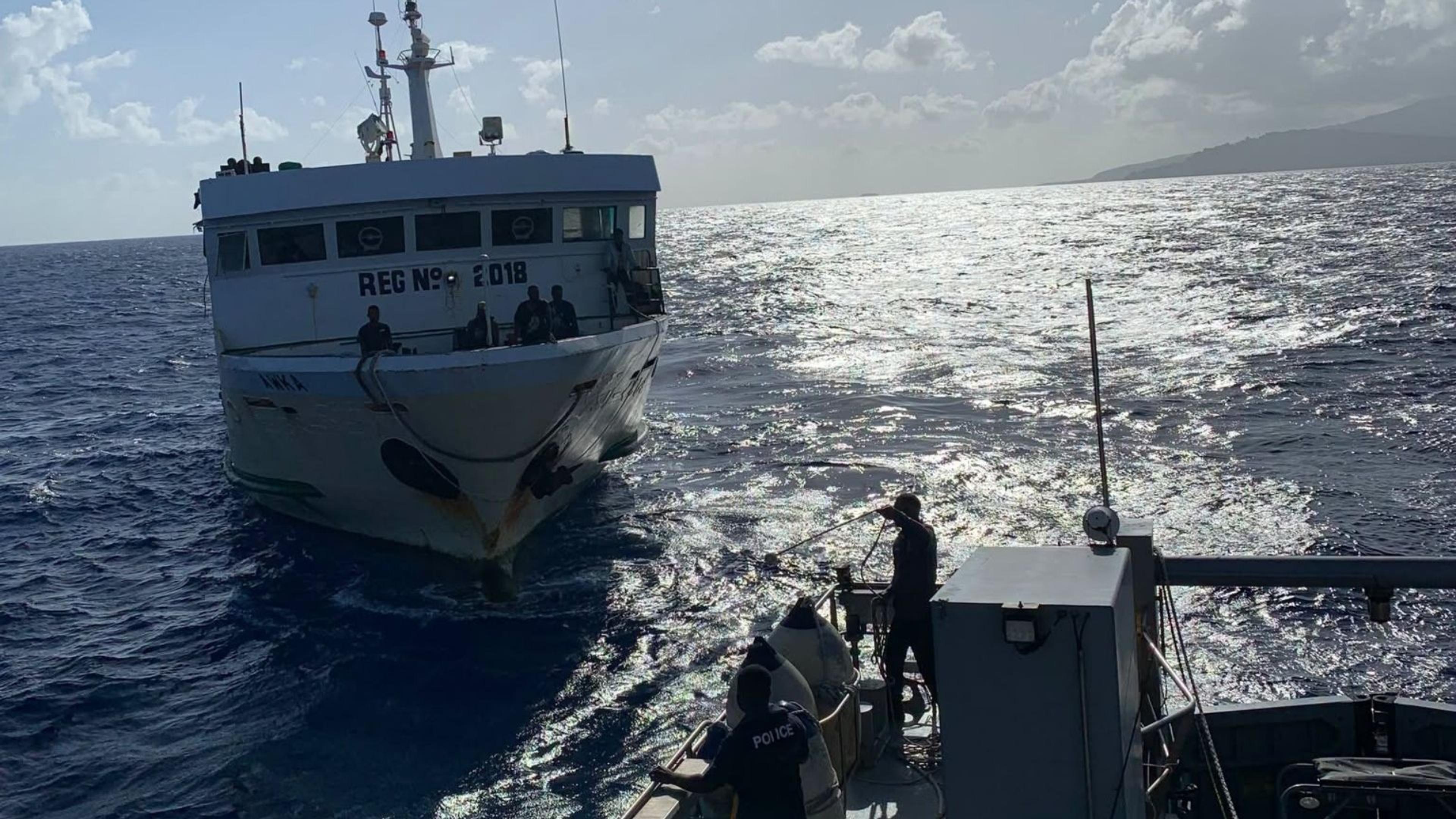


Australia is putting AU$600 million (NZ$735.94 million) behind a new Pacific-led push to tackle organised crime and drug trafficking as Papua New Guinea calls for a legally binding regional security treaty.
Pacific leaders have unanimously endorsed the Waqa Moana initiative at the Pacific Islands Forum in Palau, with Australia committing the funding over the next 10 years.
The plan is aimed at getting intelligence and information into the hands of Pacific police and those responding to threats at sea.
Australian Prime Minister Anthony Albanese says the region needs a united and long-term response as criminal networks increasingly use Pacific waters to move drugs.
“This commitment is about ensuring Pacific nations have the tools, intelligence, and operational capacity to defend their borders and protect their communities on their own terms,” Albanese told journalists.
“Organised crime networks operate without borders, and our response must be equally united and sustained.”
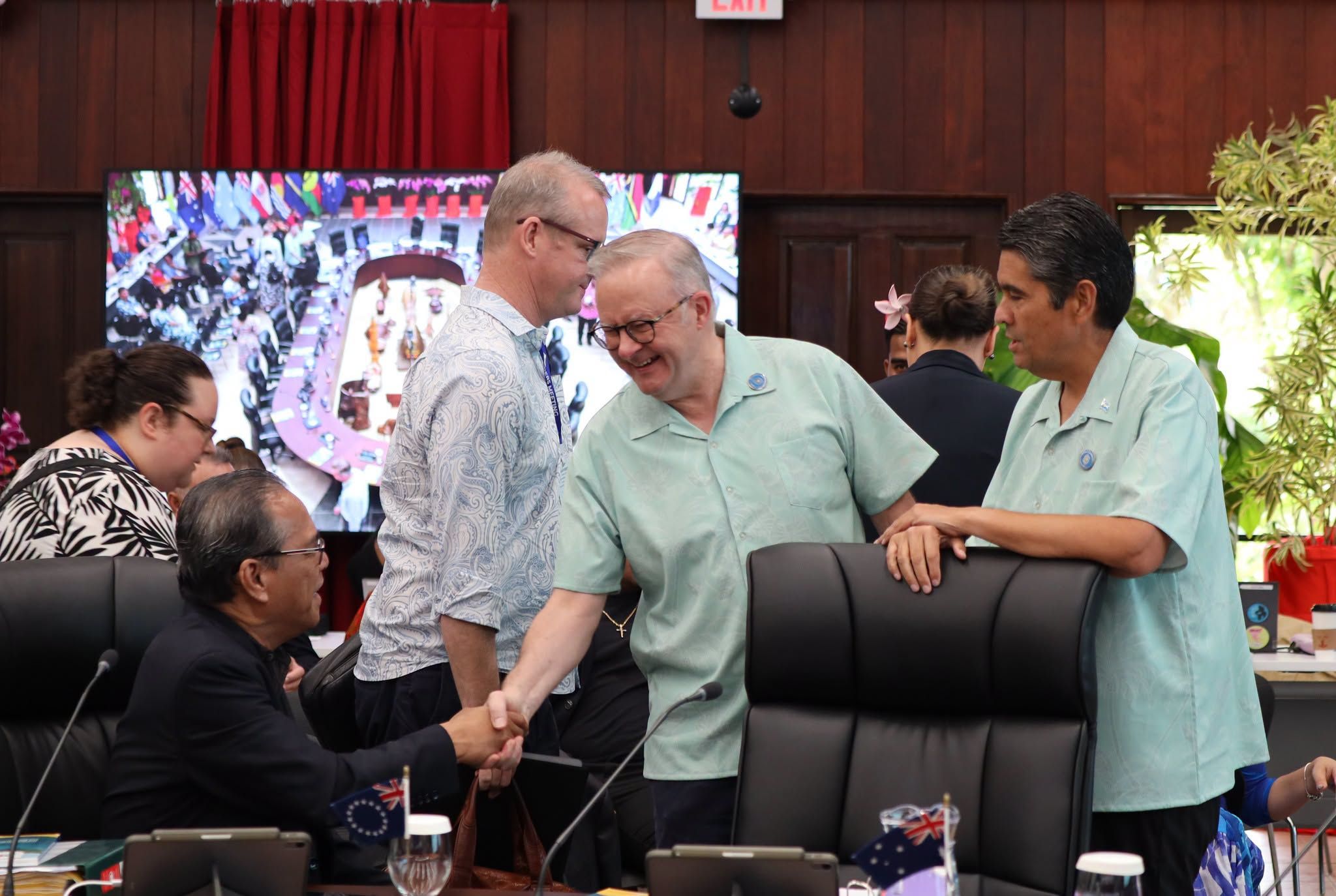
Australian Prime Minister Anthony Albanese, centre, has announced AU$600 million over 10 years to support Pacific efforts to tackle organised crime and drug trafficking. Photo/Pacific Islands Forum
The scale of the drug trade has grown sharply.
More than 17 tonnes of illicit drugs, mostly cocaine, have been seized across the Pacific since the start of the year, compared with about 4.6 tonnes during all of 2025.
The new Australian package will support stronger surveillance, policing and border capabilities, including new counter-transnational crime programmes through the Australian Federal Police and further Defence funding over the next decade.
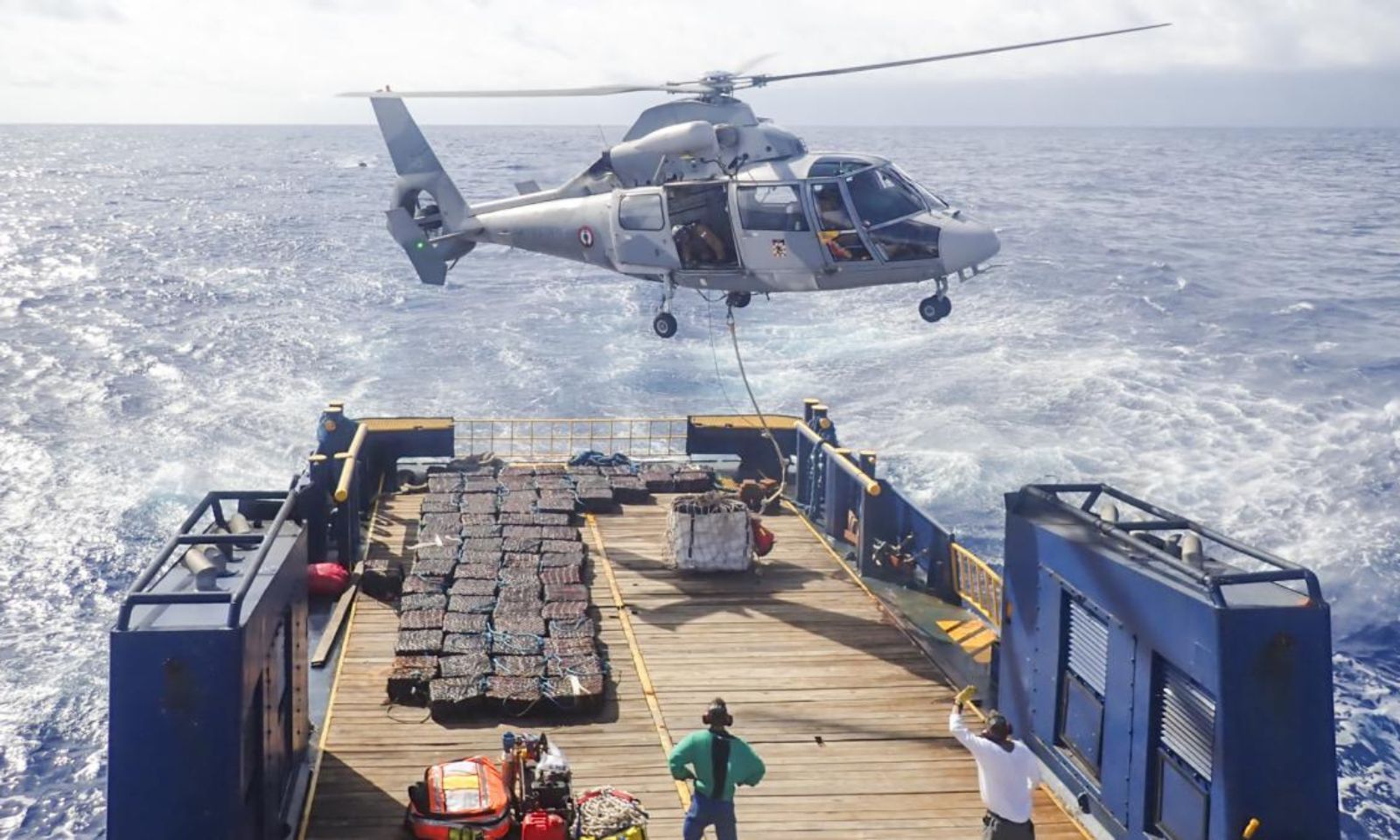
More than 17 tonnes of illicit drugs, mostly cocaine, have been seized across the Pacific so far this year as the region faces a growing transnational drug trade. Photo/au.diplomatie.gouv.fr
But Papua New Guinea Police Commissioner David Manning says the region needs to go further.
As Pacific police chiefs and security leaders met alongside the Forum in Palau, Manning called for a permanent regional treaty to replace what he described as ad hoc security arrangements.
He made the call in his address and while co-chairing panel discussions at the Joint Heads of Pacific Security (JHoPS) leadership consultations and regional law enforcement briefings held alongside the Pacific Islands Forum in Palau.
“Organised crime syndicates view our vast maritime boundaries and varying legal frameworks as opportunities,” Manning said
“We cannot continue to rely on ad hoc arrangements or react only when a crisis hits our shores.
"We need a permanent, legally binding, Pacific-led regional treaty that enables seamless intelligence sharing, joint operations, fast-tracked extraditions, and coordinated interdictions.”
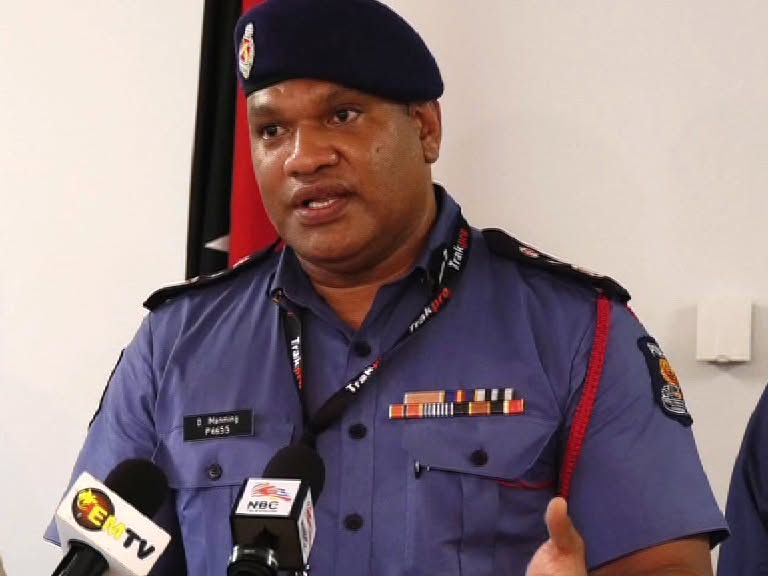
Papua New Guinea Police Commissioner David Manning is calling for a permanent, legally binding Pacific security treaty to strengthen regional cooperation against transnational crime. Photo/NBC PNG/file
Manning says existing regional agreements, including the Biketawa and Boe Declarations, provide political direction but do not give police the legal tools needed to work seamlessly across borders.
He says criminal networks are taking advantage of differences between Pacific countries and gaps in law enforcement cooperation.
“A treaty created by the Pacific, for the Pacific, guarantees that regional security decisions remain firmly in the hands of island nations while ensuring our police services have the legal backing to act decisively,” Manning said.
The push comes as the Pacific tries to build a regional response to a problem that is increasingly affecting communities, not just borders.
Australia says Waqa Moana will strengthen information-sharing and help Pacific police respond to threats using existing regional capabilities. The initiative is voluntary with countries choosing whether to take part.
That leaves a bigger question for the region: whether voluntary cooperation and new funding can keep pace with criminal networks that already operate across borders.
For PNG, the answer is a stronger regional legal framework.
For Australia, the immediate focus is putting more intelligence and resources into Pacific hands.
For Pacific communities, the stakes are increasingly being felt on the ground as drugs, organised crime and related social harms move further into island societies.
The 55th Pacific Islands Forum Leaders Meeting ends on Friday.