Online vault aims to return Pacific research to the community
Aui'a Vaimaila Leatinu'uWed, 21 Oct
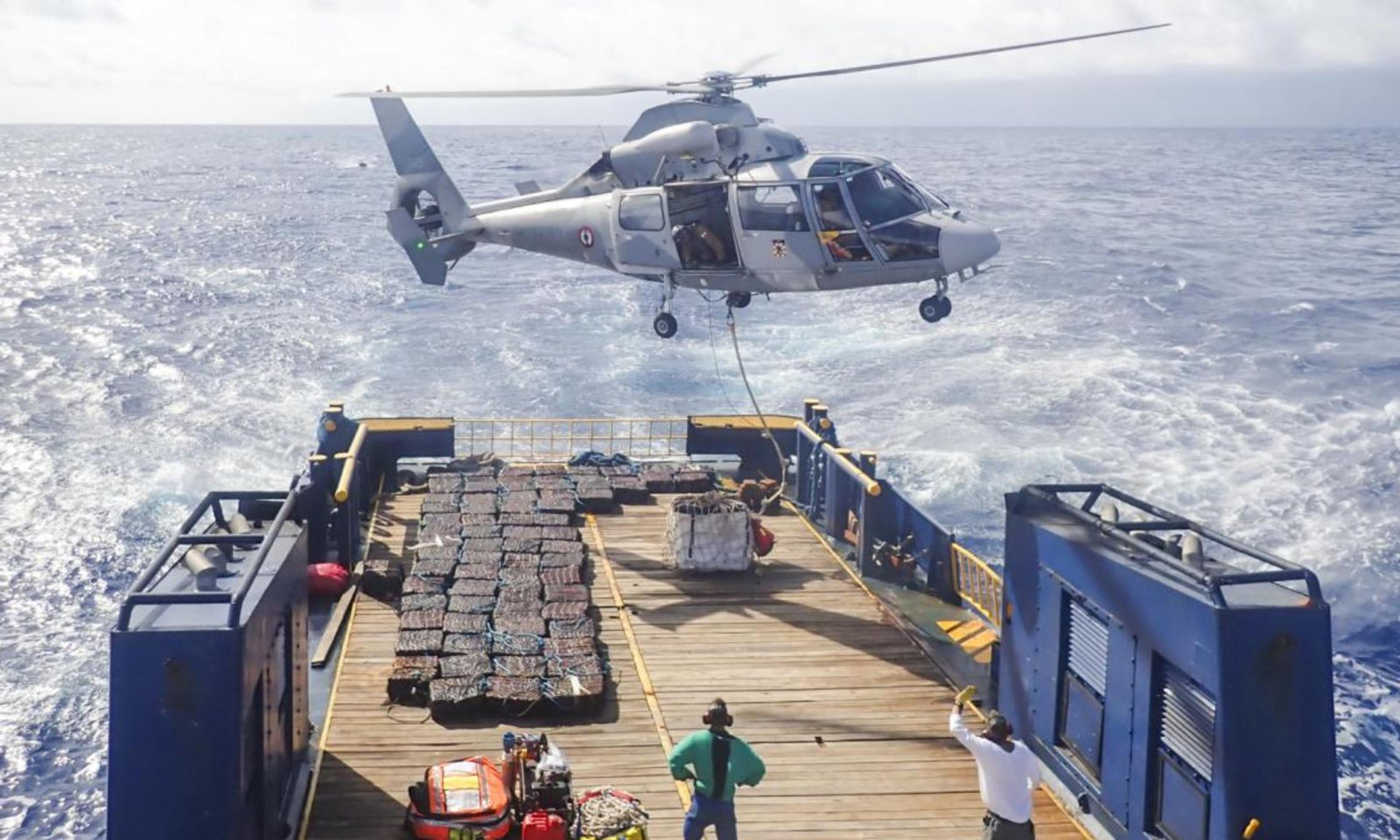
In January this year, a French Navy vessel intercepted a suspicious ship in the maritime area of French Polynesia, leading to the record seizure of 96 bales (4.87 tonnes) of cocaine.
Photo/Facebook/French Embassy in Australia
The move comes as experts warn island nations are being used as key routes for meth and cocaine trafficking.

New Zealand is increasing its support for Pacific nations to tackle transnational crime at sea, with new high‑tech surveillance tools aimed at cracking down on illegal fishing, smuggling and drug trafficking.
The move comes as small island states continue to face growing pressure from organised crime groups using the vast Pacific Ocean as a corridor to move methamphetamine, cocaine, and other illicit drugs towards lucrative markets in New Zealand and Australia.
Recent regional reports show criminal syndicates are exploiting geographic vulnerabilities, modified vessels, and corruption to traffic large shipments.
Law enforcement agencies are struggling to keep pace with the expanding networks.
Discussing the shift, Trent Fulcher, chief executive of Starboard Maritime Intelligence, said the latest surveillance support is about helping Pacific nations work together.
“Starboard’s been providing capability to the Foreign Fisheries Agency, 17 nations of the Pacific for several years now, and this is just an extension of that type of relationship,” he said on Pacific Mornings.
Listen to Trent Fulcher's full interview below.
Fulcher said better information sharing on “vessels of interest” could help those countries act more effectively when confronting crime.
He says the enhanced tools will offer near real‑time tracking of vessel activity.
This would make it harder for “dark vessels” that switch off automatic identification systems to move undetected.
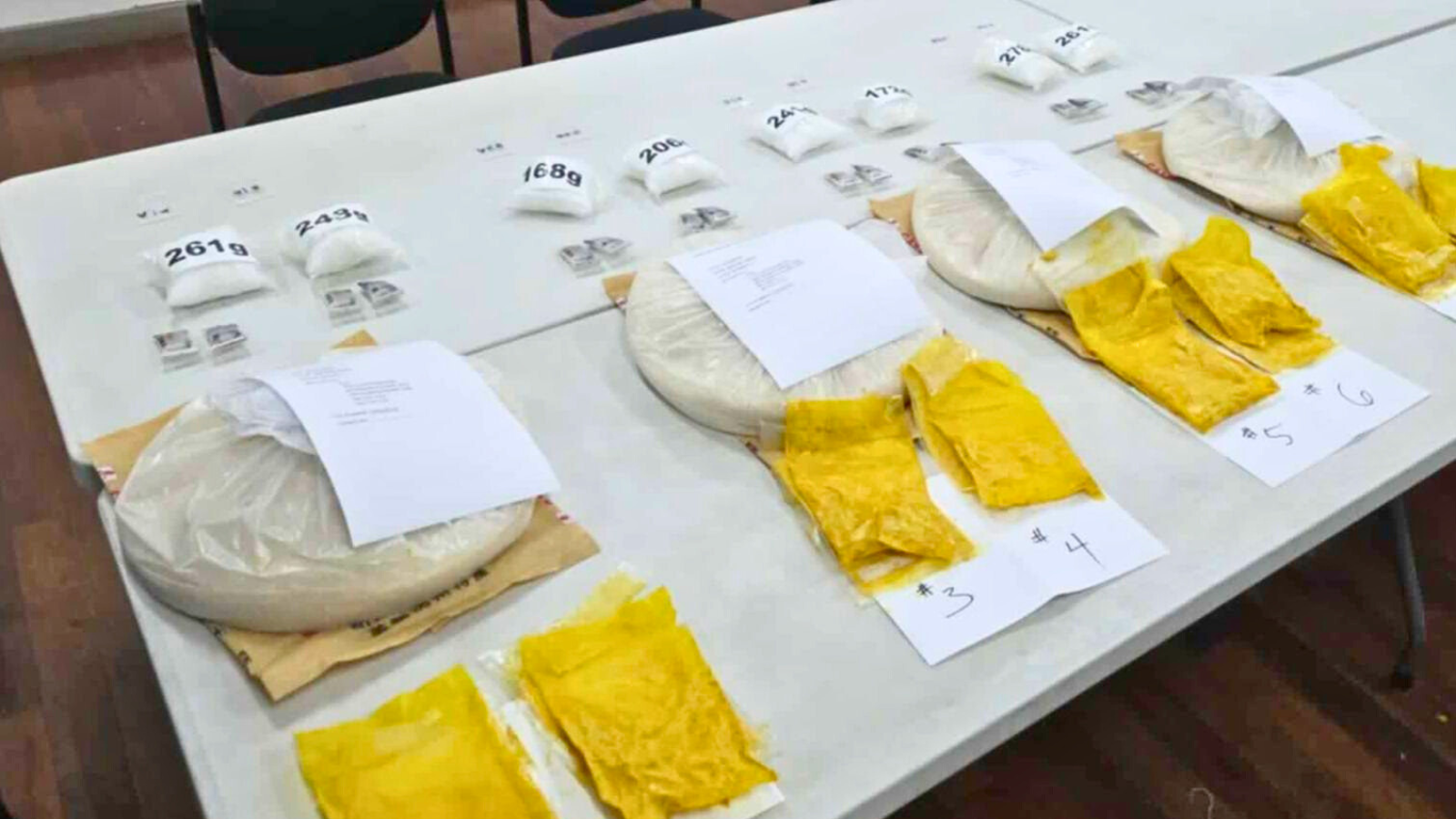
Border agents in Sāmoa intercepted methamphetamine hidden inside a shipment of frozen chicken and in luggage during separate operations, highlighting growing trafficking threats. Photo/SPPCS
According to Fulcher, greater access to shared intelligence also allows police, customs, and defence forces to respond faster when a vessel is detected.
Aotearoa’s support also aligns with ongoing regional initiatives to raise maritime domain awareness.
This includes detector-dog programmes in Sāmoa, Tonga, Fiji, and other islands, which aim to improve the interception of drugs and other contraband.
Despite these efforts, the Pacific region continues to see significant drug trafficking activity.
According to the Oceania Customs Organisation’s latest annual report, law enforcement has improved detection rates in some targeted areas to around 35 to 40 per cent.
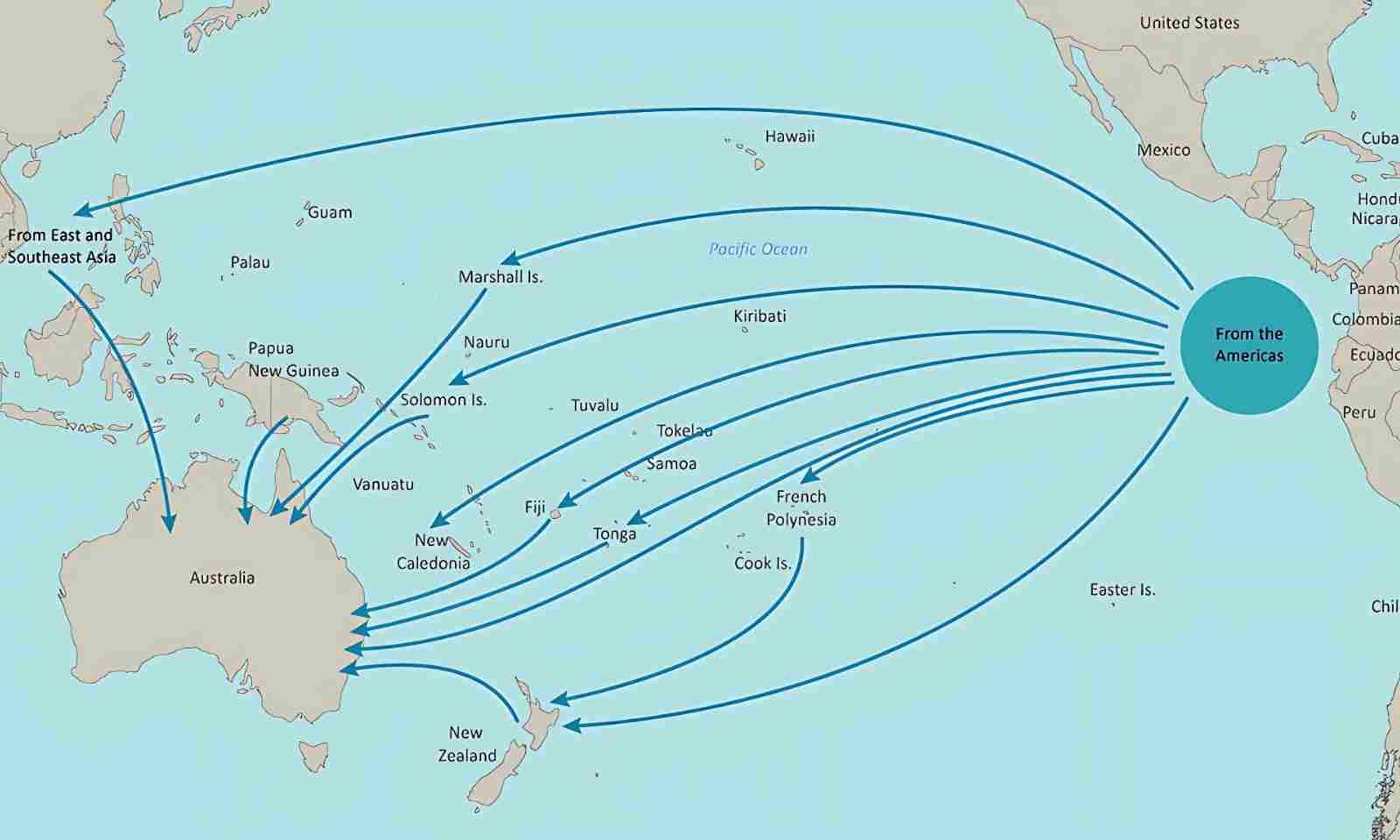
Trafficked drug routes through the Pacific: cocaine and methamphetamine move from the Americas and Asia, across island nations and parts of Asia, before reaching Aotearoa and Australia. Photo/UNODC
This is up from single‑digit figures in the past. But traffickers still operate with sophisticated methods such as semi‑submersible vessels, hidden shipping containers, and widespread corruption, the report states.
Large‑scale seizures of methamphetamine, cocaine, and heroin have been made in Pacific islands alongside Australia and Aotearoa. But much of the illicit drug movement remains hidden.
In January this year, Fijian authorities intercepted a major shipment in the west of the country, seizing roughly 2.6 tonnes of cocaine in a raid linked to a suspected narco‑smuggling operation, with over a dozen people, including foreign nationals, charged over the case.
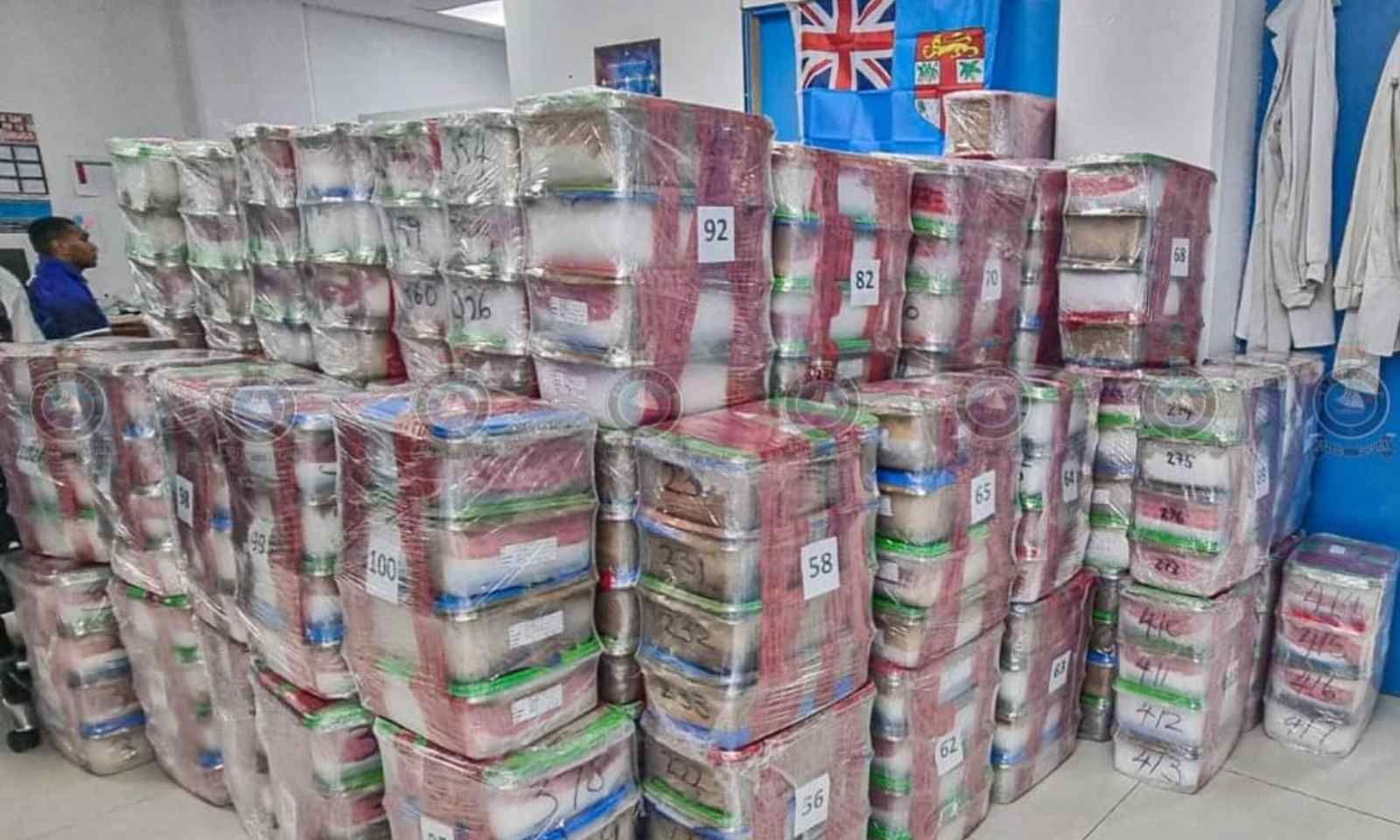
About five tonnes of meth was found in Nadi, Fiji, in January 2024. Photo/Fiji Police
But Fiji's biggest recent meth seizure on record remains the more than four tonnes found in Nadi in January 2024. It is also the Pacific’s largest known bust, underscoring the scale of the problem still facing the region.
Border operations in Sāmoa highlight this threat. In late 2025, Sāmoan customs and police intercepted methamphetamine at Faleolo Airport and at a wharf, including more than 6kg hidden in a box of frozen chicken, bringing total meth seizures for the year to seven incidents.
Sāmoan authorities stressed continued joint operations and strong penalties to deter traffickers.
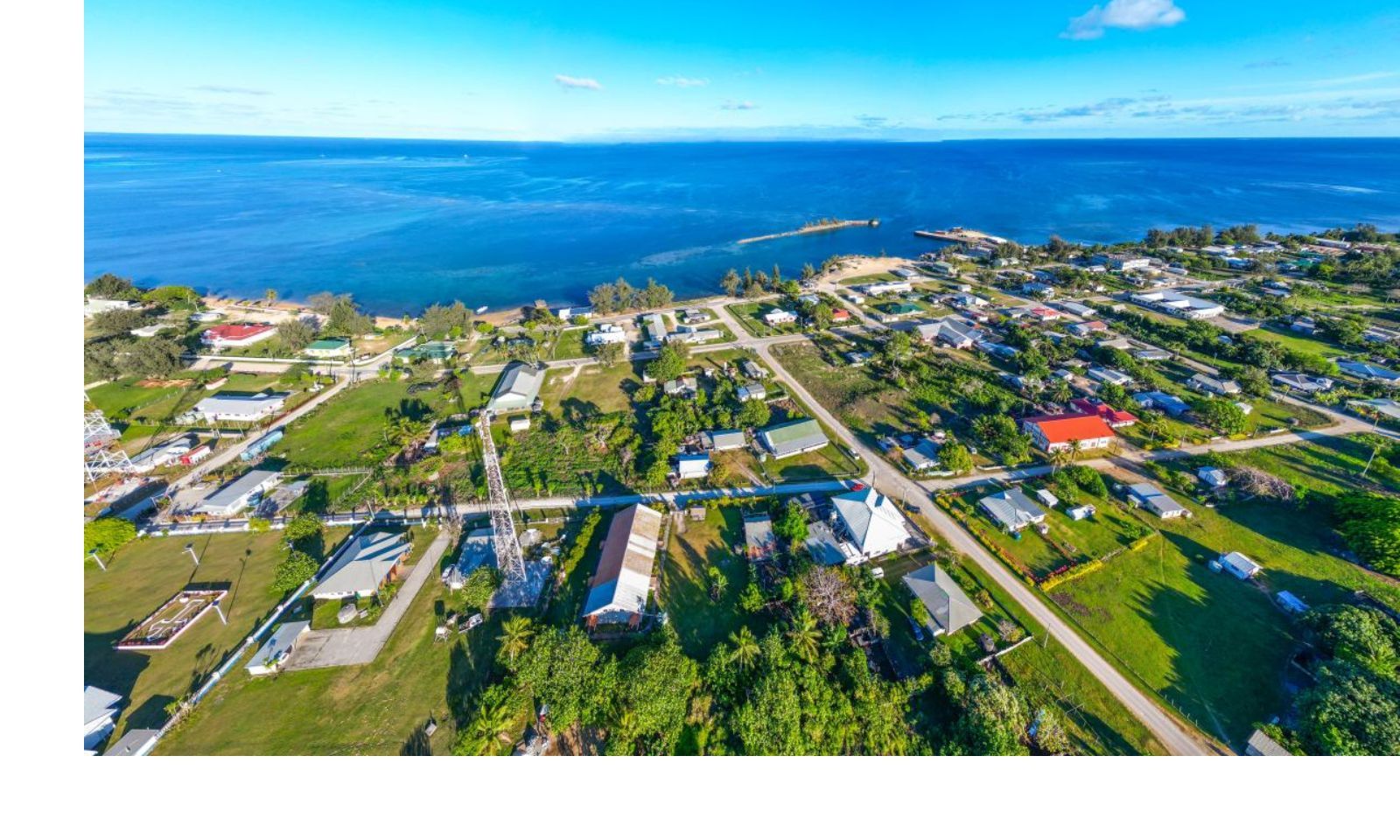
Police and customs in Tonga continue to strengthen patrols and surveillance at sea and on land amid wider regional efforts to counter organised crime flows. Photo/Facebook/Tonga Tourismd
Experts say the drug flows have wider social impacts. Increased availability of meth and other drugs is linked in some Pacific communities to rising addiction, health harm, and crime - testing already limited social support systems.
Regional criminal networks also involve local facilitators working with foreign syndicates, which makes responses complex and resource‑intensive for authorities.
New Zealand Prime Minister Christopher Luxon said recent talks in Sāmoa and Tonga have reinforced the importance of security cooperation.
Wellington points to the Pacific Detector Dog Programme and maritime coordination centres as part of its contribution to regional enforcement capacity.
In the Pacific, the balance remains between strengthening enforcement, protecting communities, and building long‑term resilience.
Analysts argue that sustained investment, legal reform, community engagement, and more intelligence sharing are important to undercutting the financial incentives driving criminal networks through the Pacific.
As Fulcher put it: “It’s a fantastic opportunity for these nations to just be more effective”. This captures both the scale of the challenge and the potential for cooperation to make a difference on the water.