Online vault aims to return Pacific research to the community
Aui'a Vaimaila Leatinu'uWed, 21 Oct
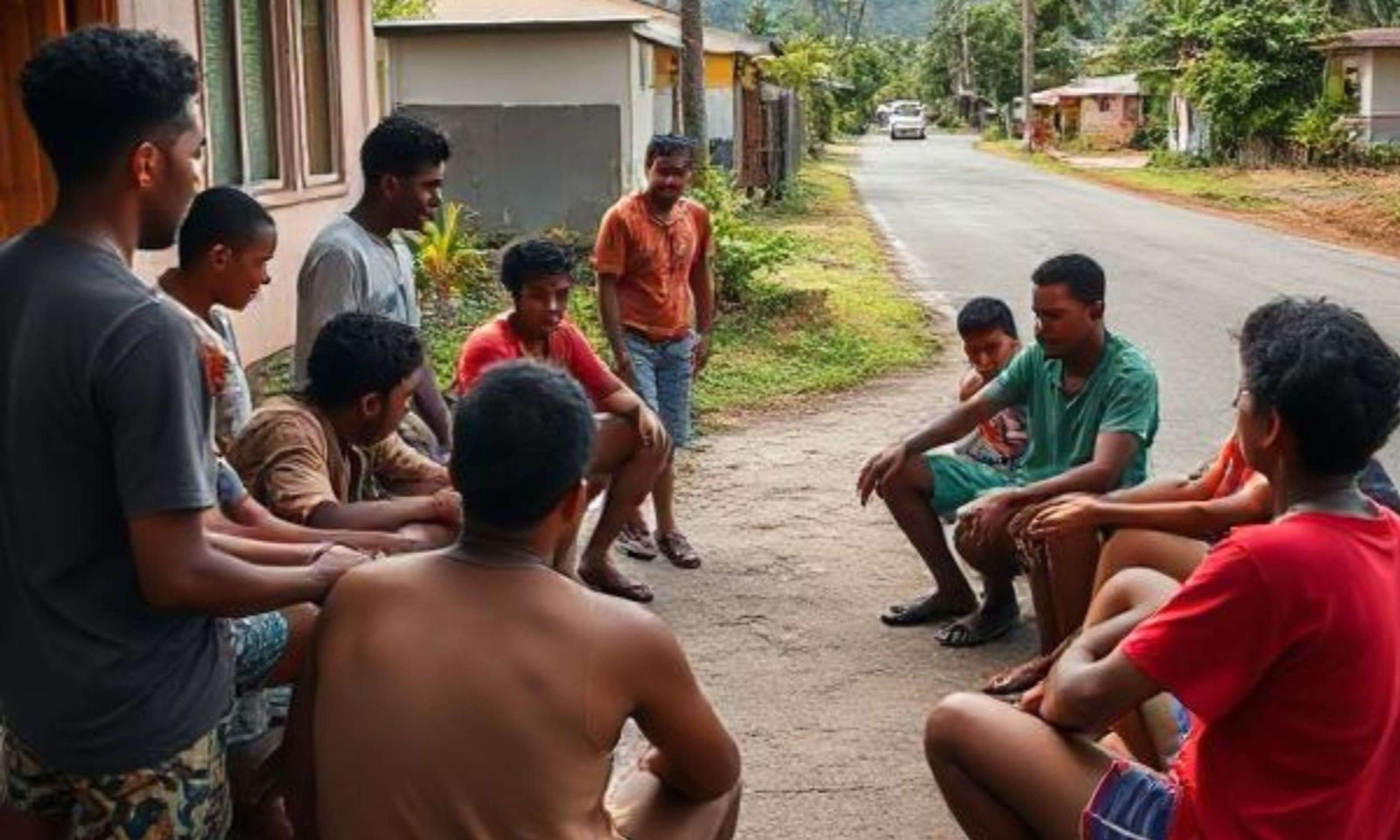
Fiji communities are calling for urgent action as youth drug use rises across the country. Youth representatives are urging stricter penalties and stronger prevention efforts.
Photo/Facebook
The rising drug crisis across the Pacific nation is prompting calls from chiefs and youth leaders for harsher penalties, including the death penalty, while police look to the military to help tackle traffickers.


Fiji is grappling with a growing drug problem that is affecting communities across the country.
Teenage addiction is on the rise, while traffickers are becoming bolder, fuelling increasing public alarm.
The problem is not limited to Fiji. Across the Pacific, drug use and trafficking are raising serious concerns, particularly in Papua New Guinea and Solomon Islands, where authorities there have reported sharp rises in methamphetamine and cannabis cases.
In communities in Tonga and Sāmoa, there has also been an increase in methamphetamine use and related offences. Local data show more cases in the first half of recent years than in all of the previous year combined.
Experts say methamphetamine has become the primary drug of concern in many Pacific islands, overtaking cannabis in prevalence and fuelling public health and social problems.
Experts say the region has shifted from being a transit corridor for illicit drugs to becoming a destination market for synthetics like meth, driven in part by organised crime exploiting under-resourced border controls and the Pacific’s strategic location between drug producers and markets such as Australia and New Zealand.
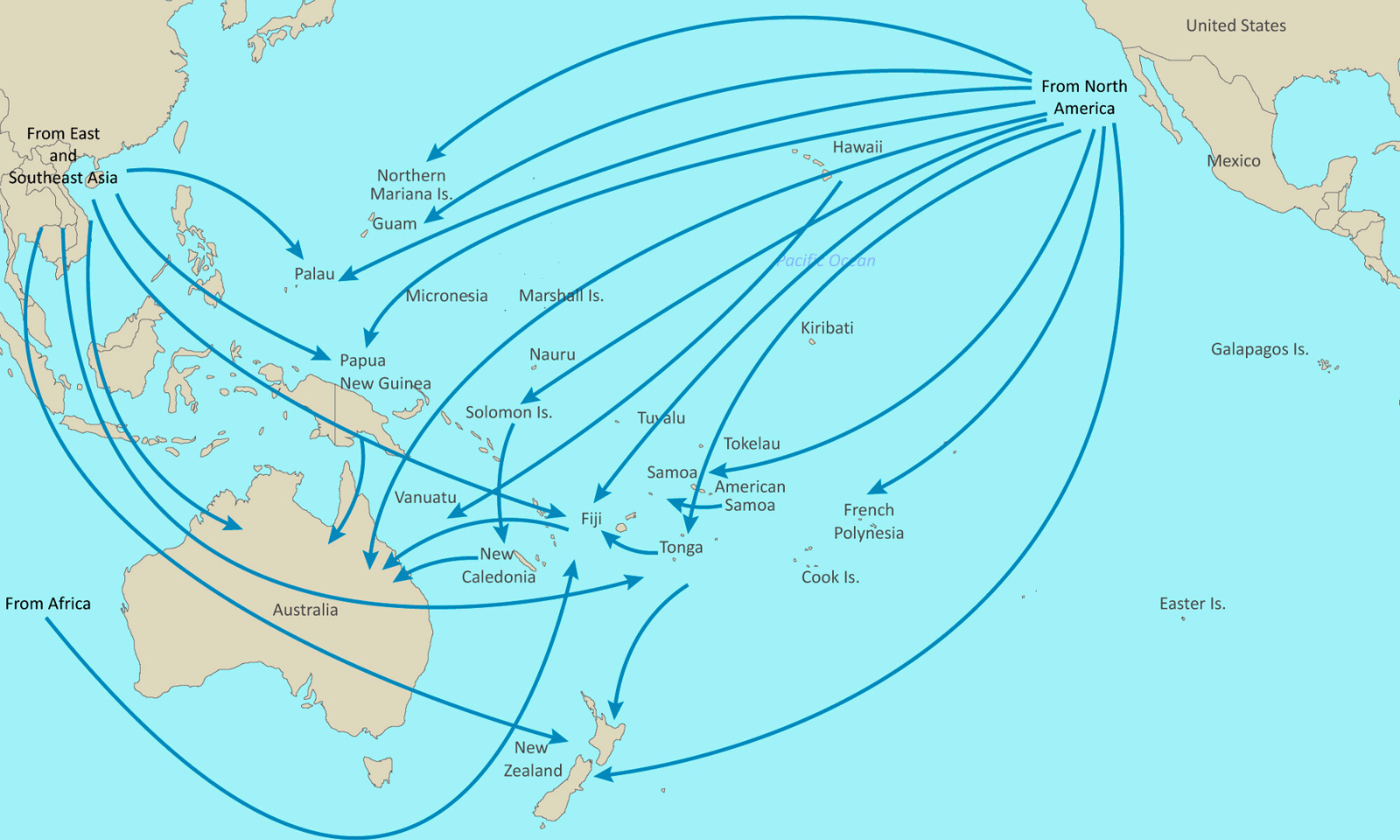
A map identifying trafficking routes of methamphetamine impcating the Pacific. Photo/UNODC
The United Nations Office on Drugs and Crime also reports that increased availability and domestic use of drugs has been linked with rises in violence, mental health issues and other harms in Pacific communities, highlighting that the crisis extends well beyond Fiji’s borders.
Fijian community leaders, youth representatives, and officials are now calling for urgent and stronger action to tackle the crisis.
Tui Wailevu Ratu Sitiveni Niumataiwalu, one of Fiji’s respected chiefs, told local media that current penalties are not enough and suggested tougher measures could be the only way to curb the problem.
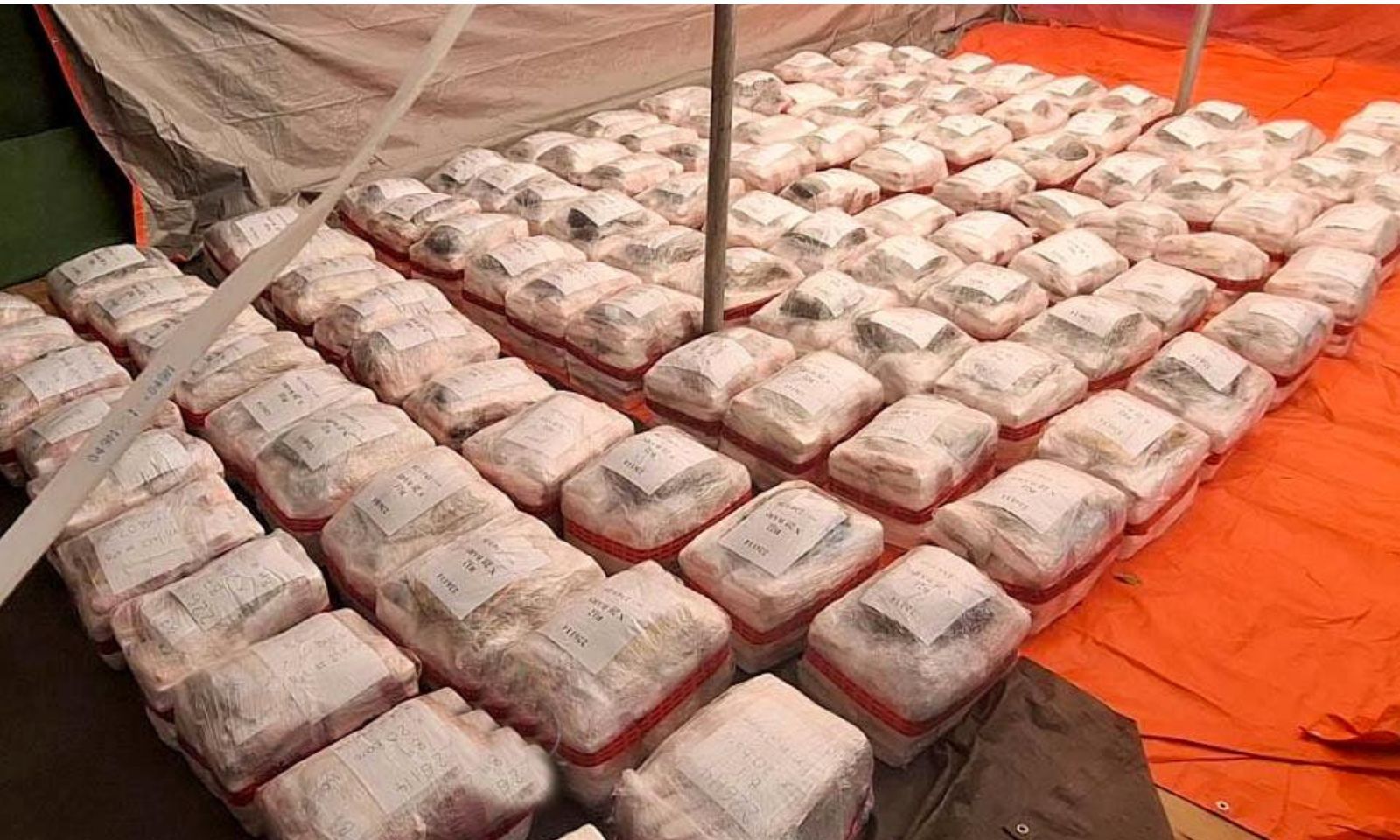
A drug seizure of 2630 parcels of cocaine during a coordinated raid in Vatia waters, Tavua, on 15 January 2026. Fijian officials warn current penalties are not enough to deter drug offenders. Photo/Fiji Police
“The government needs to be much stricter. Harsher punishments need to be introduced," he said. "Some are calling for corporal punishment or even the death penalty. Otherwise, people will not stop.”
Ratu Sitiveni said financial penalties alone were failing to deter offenders. “Human beings only stop when they see a real barrier," he added. "Money these days does not stop anyone from getting into the drug business.”
He also advised locals to avoid involvement in drugs and highlighted the importance of rehabilitation. “My advice to anyone within the district is not to get involved in drugs. There are systems and processes in place, and authorities will eventually catch up.
"That’s why institutions such as St Giles and other Government facilities, where psychologists and professionals can help, must be used first.”
Young leaders are backing the call for stricter responses. Pita Saladoka told The Fiji Times strong penalties could protect young people. “It would help control drug use, especially among youths today," he said.
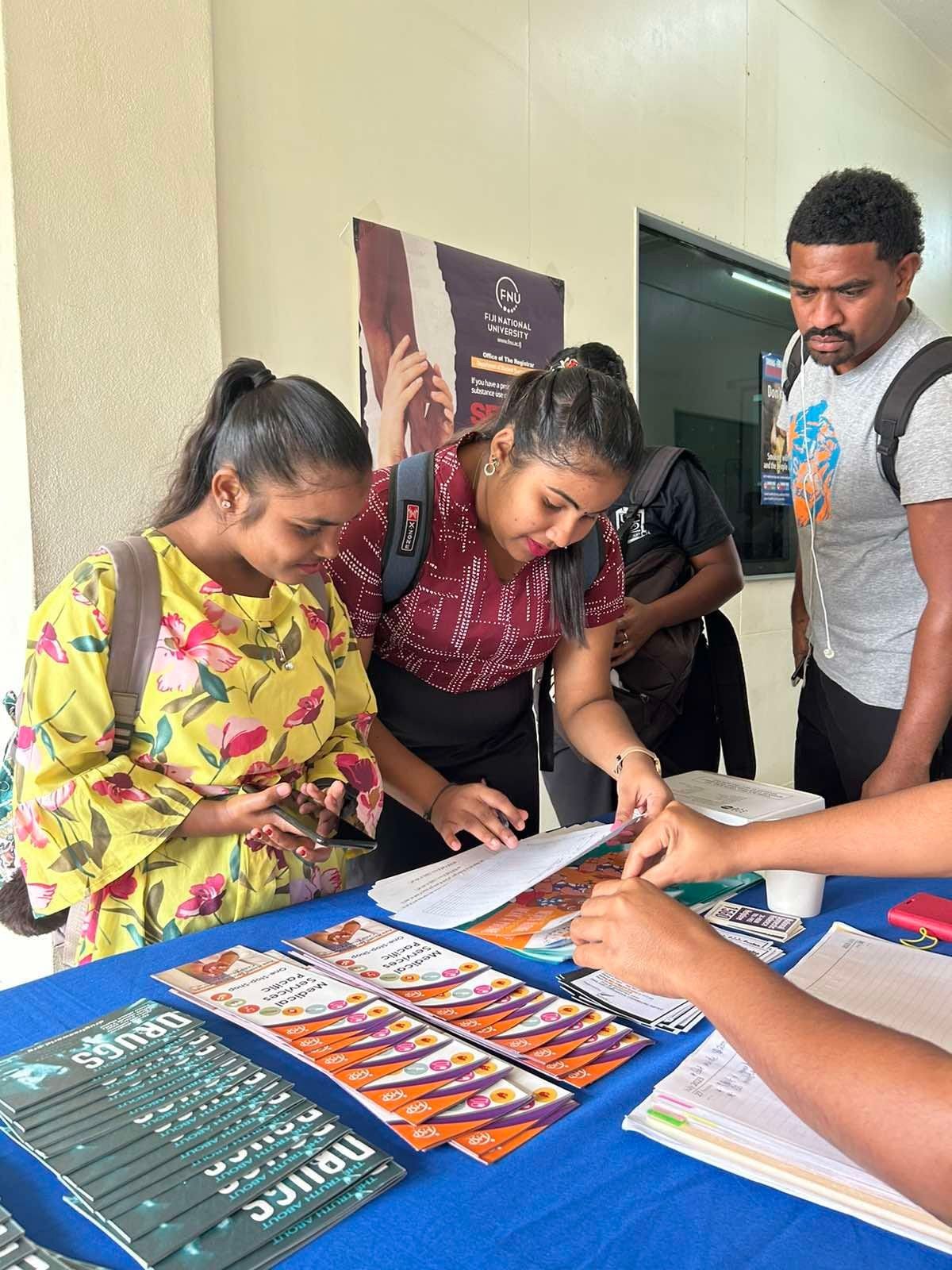
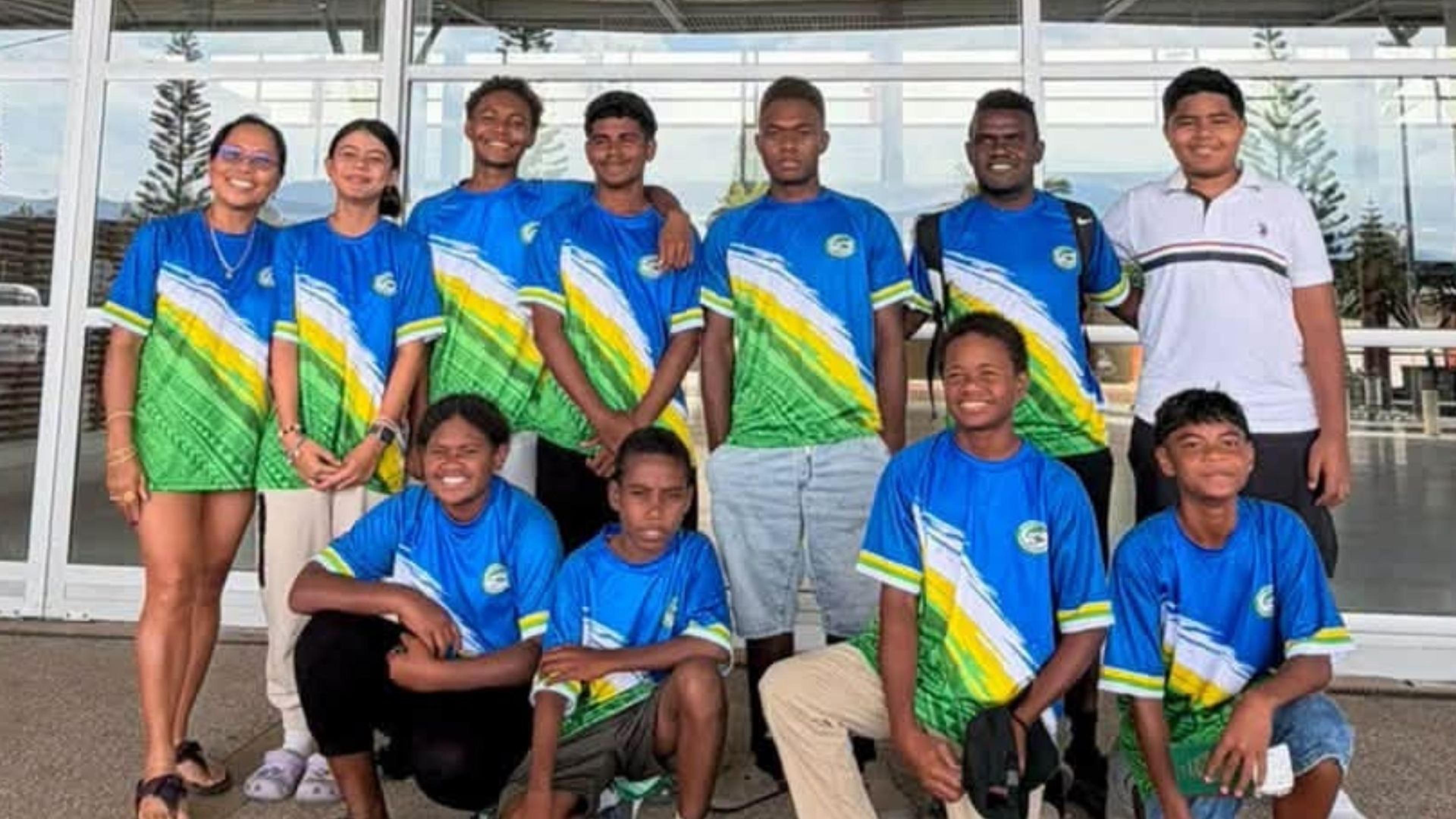
Youth leaders are raising awareness about teenage addiction, calling for tougher penalties and stronger education campaigns to protect young people. Photo/Fiji Police
"We have been raising awareness in families, communities, meetings, and churches.”
Saladoka warned that teenage addiction is growing and needs urgent attention. “Teenagers are easily influenced," he said. "That is why I believe the Government should be very strict when it comes to penalties related to drugs.”
Another youth representative, Osea Lautiki, said harsher punishments would make people think twice before using drugs. “If penalties are stricter, people will be more cautious," he told the newspaper.
"Drugs are dangerous. They are harmful, especially to teenagers, because of the chemicals they contain.”
Sandeep Singh, an investment consultant, also called for immediate action, including military intervention. “Put the military on the ground, bring back the death penalty," he told The Fiji Sun.
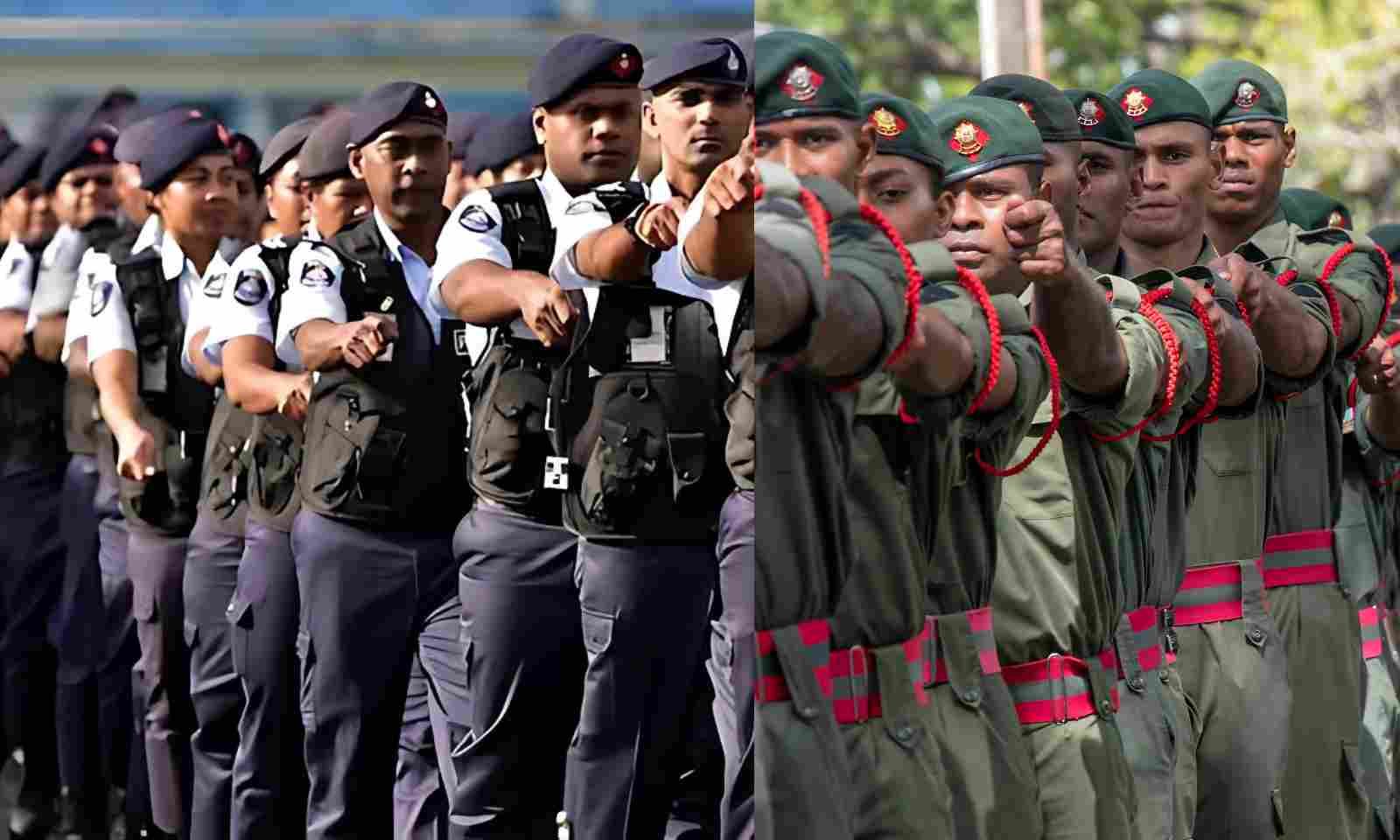
Fiji police and the military plan to work together on a joint taskforce targeting high-risk drug areas, providing logistical and coordination support rather than routine policing. Photo/Fiji Police/Fiji Military
Amid these calls for tougher penalties, Fiji’s police have indicated that law enforcement alone may not be enough.
Commissioner of Police, Rusiate Tudravu, announced that the Fiji Police Force would seek support from the Republic of Fiji Military Forces (RFMF) in drug operations.
“They have the numbers, and they can assist us around the country in that regard, but everything will depend on the briefing.”
Discussions between Commissioner Tudravu and Army Commander Major‑General Ro Jone Kalouniwai have led to plans for a joint taskforce to target high-risk areas.
The military’s involvement, Tudravu says, would be strictly supportive, helping with logistics and coordination rather than routine policing.
Tui Labasa Ratu Jone Qomate, another high chief, welcomed the collaboration, telling the Sun that military support “should send a strong message to drug dealers” and signal a more coordinated response.
But Fiji’s government has reiterated that any military involvement must remain within the law.
Defence and Veteran Affairs Minister, Pio Tikoduadua, has announced the army could not replace police, but would assist under proper legal authority.