
‘Being gay was wrong but being fakaleiti wasn't’: Survivor on conversion practices
Khalia StrongTue, 13 Oct
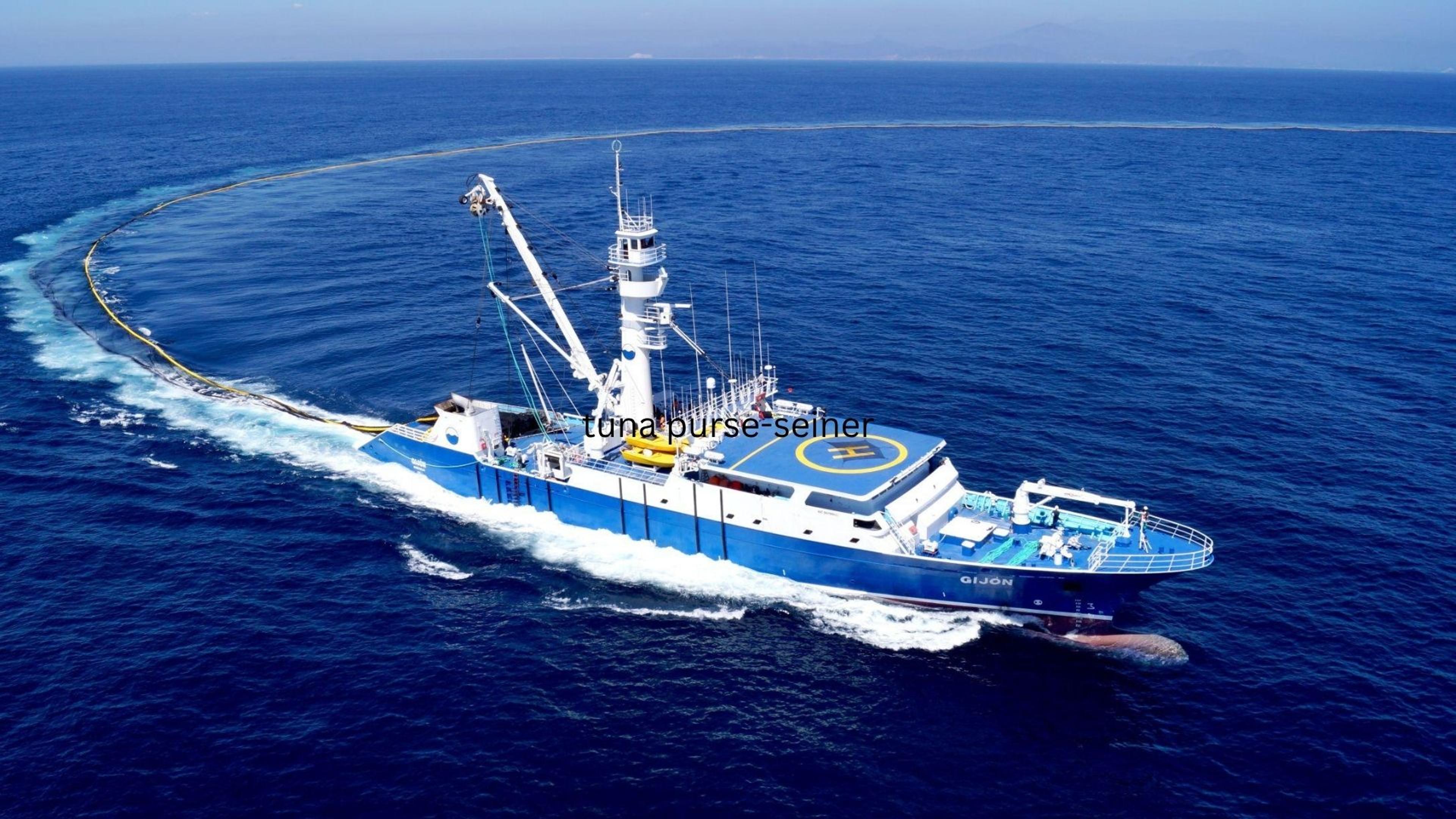
Criminal networks are exploiting fishing vessels, seafood shipments and Pacific maritime routes to move cocaine towards Australia, New Zealand and island nations.
Photo/National Oceanic and Atmospheric Administration
From Fiji to the Marshall Islands, drug discoveries are exposing how criminal networks are using fishing vessels, seafood shipments and remote island waters to move cocaine towards NZ and Australia.


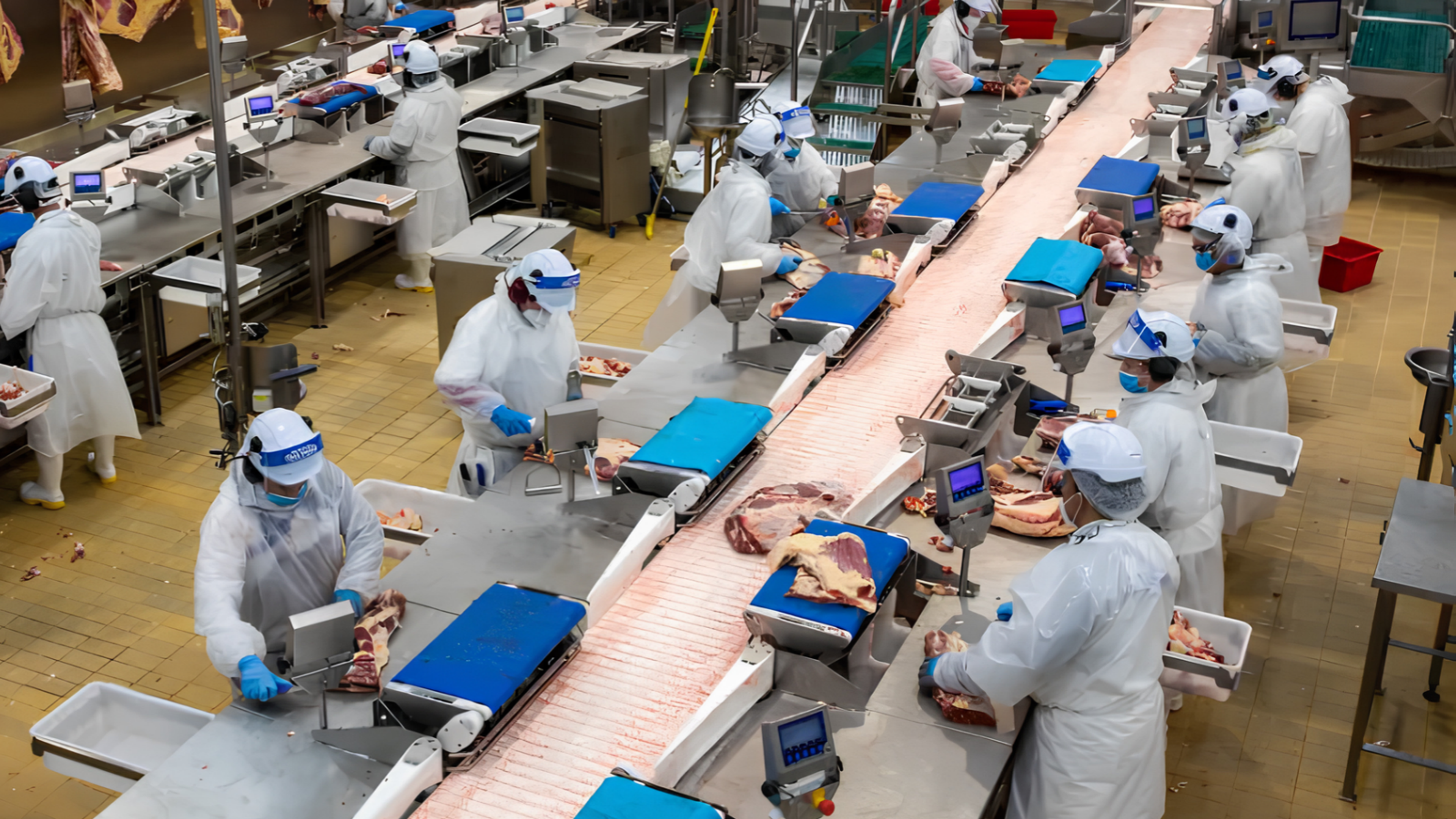

Pacific fishing routes and tuna supply chains are being exploited by international drug traffickers with cocaine washing ashore on island reefs and major seizures recorded across the region.
A new report from the Pacific Islands Forum Fisheries Agency (FFA) warns that criminal networks are using legitimate fishing operations, seafood containers and offshore refuelling vessels to move cocaine from South America towards New Zealand, Australia and Pacific island countries.
The warning comes as cocaine production reaches record levels globally, increasing pressure on Pacific governments to protect their waters, fishing industries, and communities from the drug trade.
According to the United Nations Office on Drugs and Crime, global cocaine production reached about 4100 tonnes of pure cocaine in 2024, around four times the level recorded a decade earlier.
The scale of the threat is already visible across the Pacific.
In Fiji, police seized 2.6 tonnes of cocaine in early 2026 and arrested six men, including four Ecuadorians and two Fijian nationals, at a remote jetty in north-west Viti Levu.
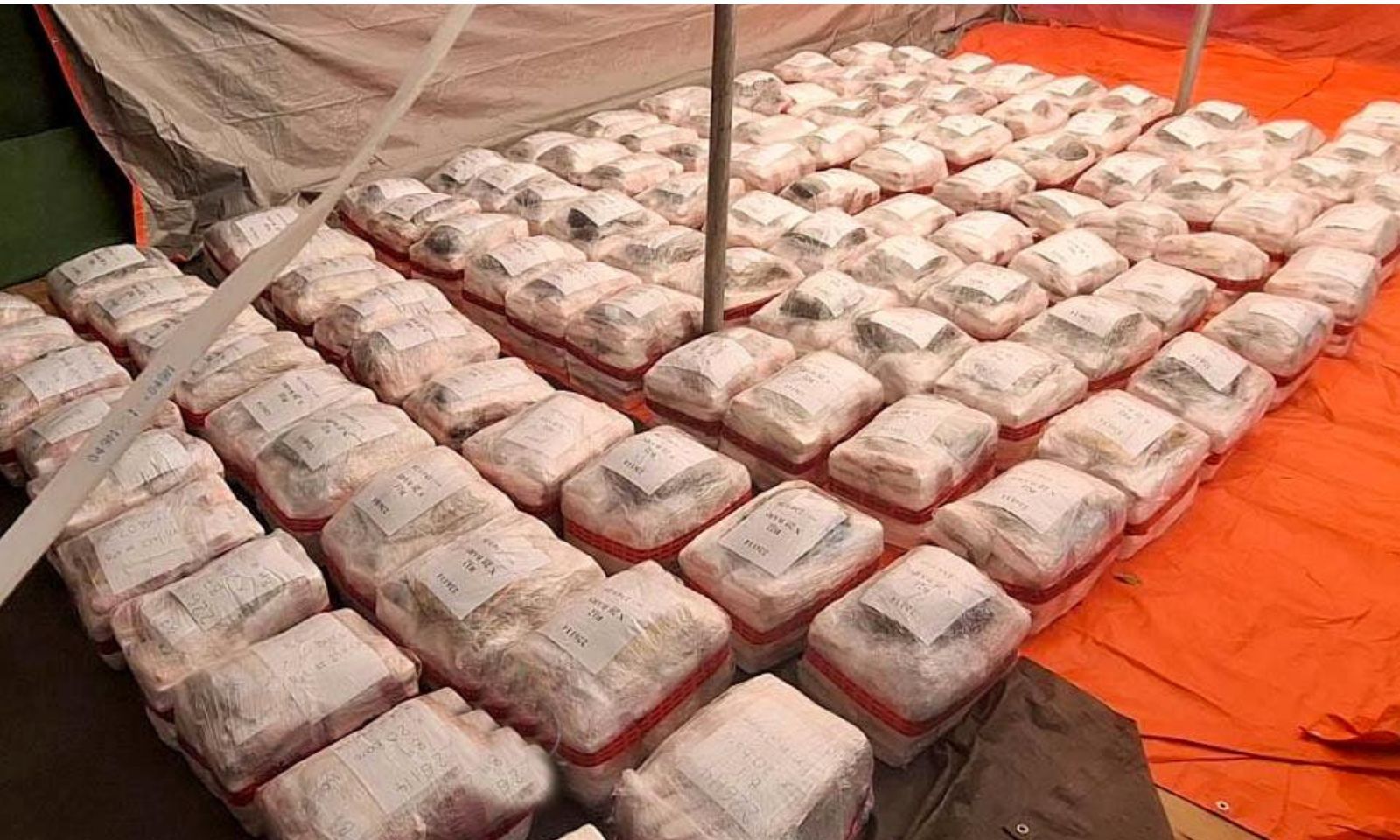
Fiji Police seized about 2.64 tonnes of cocaine during an operation off Vatia in January 2026, arresting six men as part of an investigation into an alleged international drug-smuggling operation. Photo/Fiji Police
Fiji’s Minister for Policing, Ioane Naivalurua, has warned that the country’s record cocaine seizure reflects a wider regional security challenge.
“The 2026 Vatia cocaine seizure which you know of was 2.64 tonnes, the largest in Pacific history, was a warning our maritime domain is being targeted by sophisticated criminal networks with global reach,” Naivalurua told the Pacific Transnational Crime Summit in May.
He has called for stronger regional coordination to turn drug seizures into lasting action against organised crime. “A single seizure without institutional architecture is a moment not a movement.”
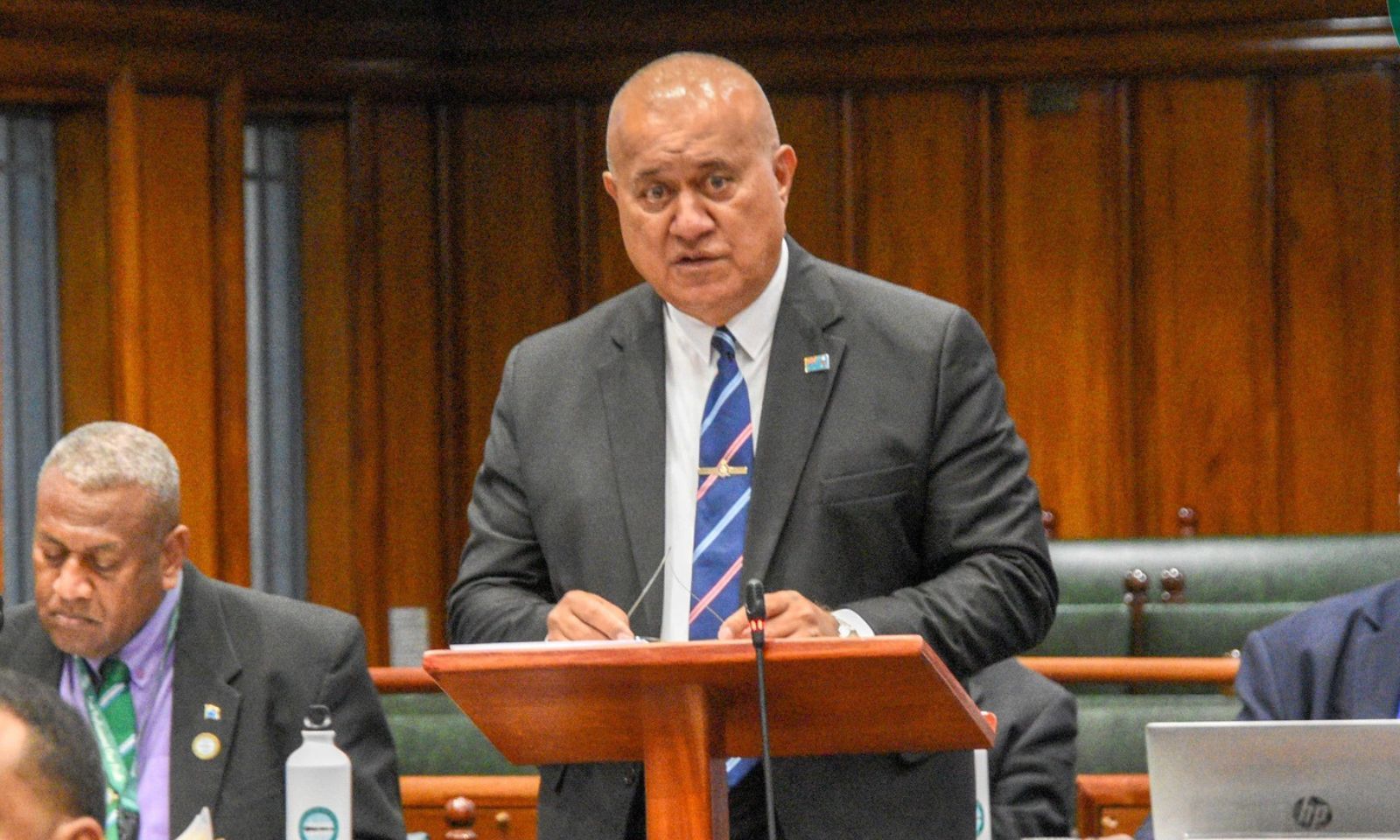
Fiji’s Minister for Policing, Ioane Naivalurua, has warned that the country’s major cocaine seizure highlights the threat posed by international criminal networks targeting Pacific waters. Photo/Fiji government
Investigators suspected the drugs had arrived aboard a semi-submersible vessel before being transferred to a local boat for delivery ashore.
In the Cook Islands, 26 kilogrammes of cocaine reportedly washed onto a reef on Mitiaro.
The FFA report also describes repeated discoveries of cocaine packages on reefs and beaches in the Marshall Islands including on Wotho, Arno, Jaluit, Ailuk and Ailinglaplap.
The discoveries increased in 2025, raising concerns about drug movements through the country.
Some packages were reportedly found attached to a satellite buoy similar to those used by tuna fishing fleets to track drifting fish aggregating devices.
During the first six weeks of 2026, law enforcement agencies reportedly seized more than 14 tonnes of cocaine from the high seas and vessels in port with much of the activity occurring in or near French Polynesia.
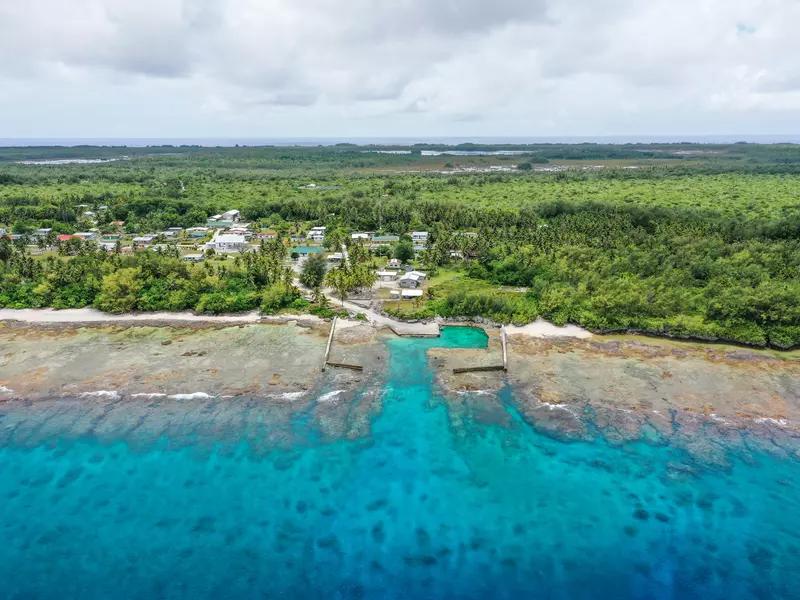
Cocaine reportedly washed onto a reef on Mitiaro in the Cook Islands, highlighting how drug shipments can reach remote Pacific islands. Photo/Facebook/Cook Islands
The FFA report points to Ecuador, a major tuna producer and exporter, as an important transit point for international drug trafficking.
In March 2025, Italian police seized 250kg of cocaine concealed in a container carrying canned tuna from Ecuador.
Spanish police seized 7.5 tonnes of cocaine hidden in frozen tuna destined for European markets in 2023.
Ecuador exports more than 500,000 tonnes of tuna each year, creating extensive shipping networks that traffickers can exploit to hide illegal cargo among legitimate goods.
Viliame Bovoro, director of the Pacific Fusion Centre, warned at a Pacific Islands Forum leaders side event in Palau last month that criminal networks were exploiting legitimate businesses and supply chains to move drugs across the region.
“A lot of the gatekeepers are now being used in our cross-border business sector to facilitate the use of legitimate supply chains to move drugs across the region,” Bovoro said.

Pacific Fusion Centre director Viliame Bovoro has called for stronger regional cooperation to disrupt transnational organised crime and protect Pacific communities from the harms of drug trafficking. Photo/Pacific Fusion Centre
He said governments needed to disrupt the financial incentives behind organised crime and strengthen regional cooperation.
The FFA report also warns that criminal gangs are putting fishing communities under pressure.
Fishermen in Ecuador have reportedly faced threats, extortion, and pressure to help transport drugs or pay criminal groups.
Traffickers are also using larger fishing vessels, including tuna seiners and longliners, as offshore refuelling points for high-speed boats and semi-submersible vessels carrying drugs.
The FFA report says eight suspected drug-smuggling vessels have reportedly drifted ashore in the western Pacific, including in the Marshall Islands and Solomon Islands, since 2024.
It says the threat for Pacific nations extends beyond drug seizures.
Criminal exploitation can put fishing livelihoods at risk, undermine legitimate tuna businesses, and increase pressure on governments working to secure vast maritime areas.
The report warns that continued international demand, large financial rewards and established criminal networks are likely to sustain the use of Pacific maritime routes for cocaine smuggling.