Free education pledge inspires Solomons students in Aotearoa
Lachlan EddieMon, 19 Oct
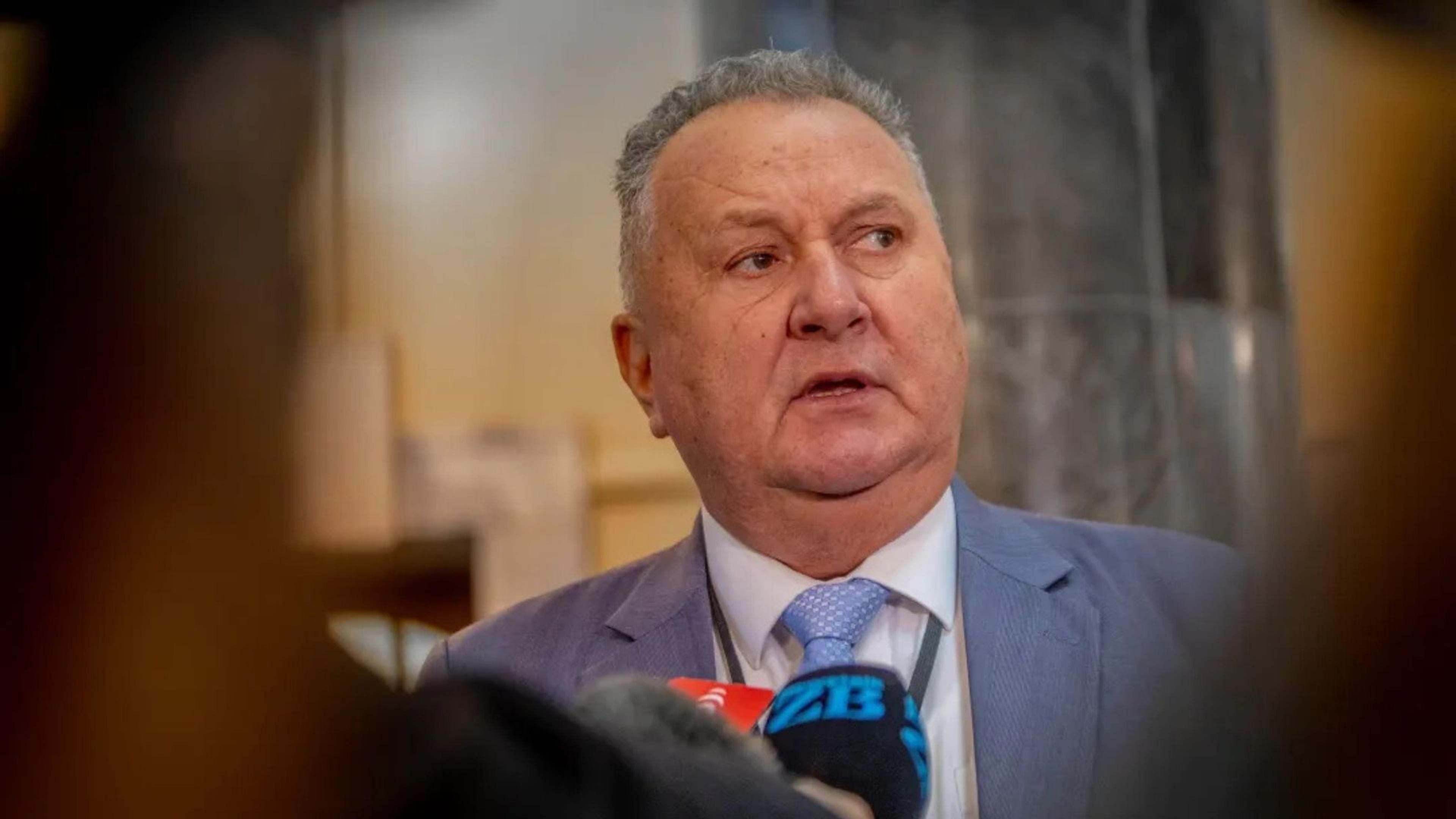
New Zealand Oceans and Fisheries Minister Shane Jones warns Pacific countries are losing millions in tuna revenue as fishing fleets operate on the high seas to avoid access fees.
Photo/RNZ/Mark Papalii/file
Oceans and Fisheries Minister Shane Jones says the region can earn more from the world's richest tuna fishery but fleets operating beyond national waters continue to deny the islands valuable income.

Pacific countries could earn more from their tuna resources, but some distant-water fishing fleets avoid paying access fees by operating on the high seas, New Zealand's Oceans and Fisheries Minister Shane Jones says.
He made the remarks as fisheries ministers from across the region gathered in Wellington this week for the 25th Forum Fisheries Committee Ministerial meeting, the first time Aotearoa has hosted the annual talks in 18 years.
The meeting has brought together ministers from 16 Pacific Island countries and territories to discuss some of the region’s biggest fisheries challenges.
This includes illegal fishing, protecting tuna stocks, strengthening regional surveillance, and finding ways for Pacific island nations to earn more from their ocean resources.
Asked why Pacific countries are not receiving a bigger share of the profits from an industry that supplies more than half of the world's traded tuna, Jones told William Terite on Pacific Mornings that the region was already earning significant revenue but there was still more to gain.
"No one makes more money in terms of the Indian Ocean, Atlantic Ocean, Mediterranean than the Pacific nations. They can always do more."
He said Pacific countries collectively receive around half a billion dollars each year through fishing access fees although developing local processing industries remains difficult because of their distance from major export markets.
"We can do better, but it would be wrong to say that it's an insignificant amount of money."
Jones said one of the biggest challenges was ensuring distant-water fishing nations complied with fisheries rules.
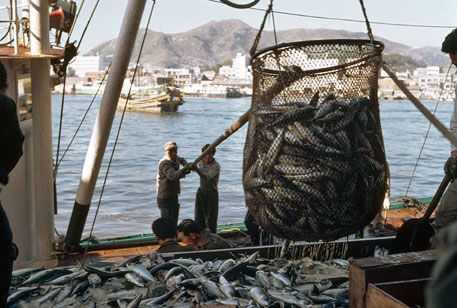
Pacific fisheries ministers have gathered in Wellington for a major regional meeting focused on protecting tuna stocks, tackling illegal fishing and strengthening the economic benefits Pacific countries receive from their ocean resources. Photo/UN News
"Fish in two places, you either fish in the sovereign waters of the island nations or you fish on the high seas.
"If you manage to fish on the high seas then you don't have to pay because you can escape the gaze of the island nations. But if you're in sovereign waters, you pay to play."
In his address to the meeting, Forum Fisheries Agency (FFA) Director-General Noan Pakop said ministers were focused on three priorities: strengthening fisheries management, increasing the economic and social benefits Pacific countries receive from their ocean resources, and ensuring regional fisheries organisations continue to meet members' needs.
Pakop said the focus of the meeting goes beyond managing fish stocks, with Pacific leaders also under pressure to deliver more direct benefits for their people.
"Our challenge is not only to sustain healthy fisheries but to ensure they continue to create jobs, strengthen domestic industries, improve food security and deliver lasting prosperity for Pacific communities."
Jones said tackling illegal fishing was an ongoing challenge with changing ocean conditions creating new enforcement difficulties each year.
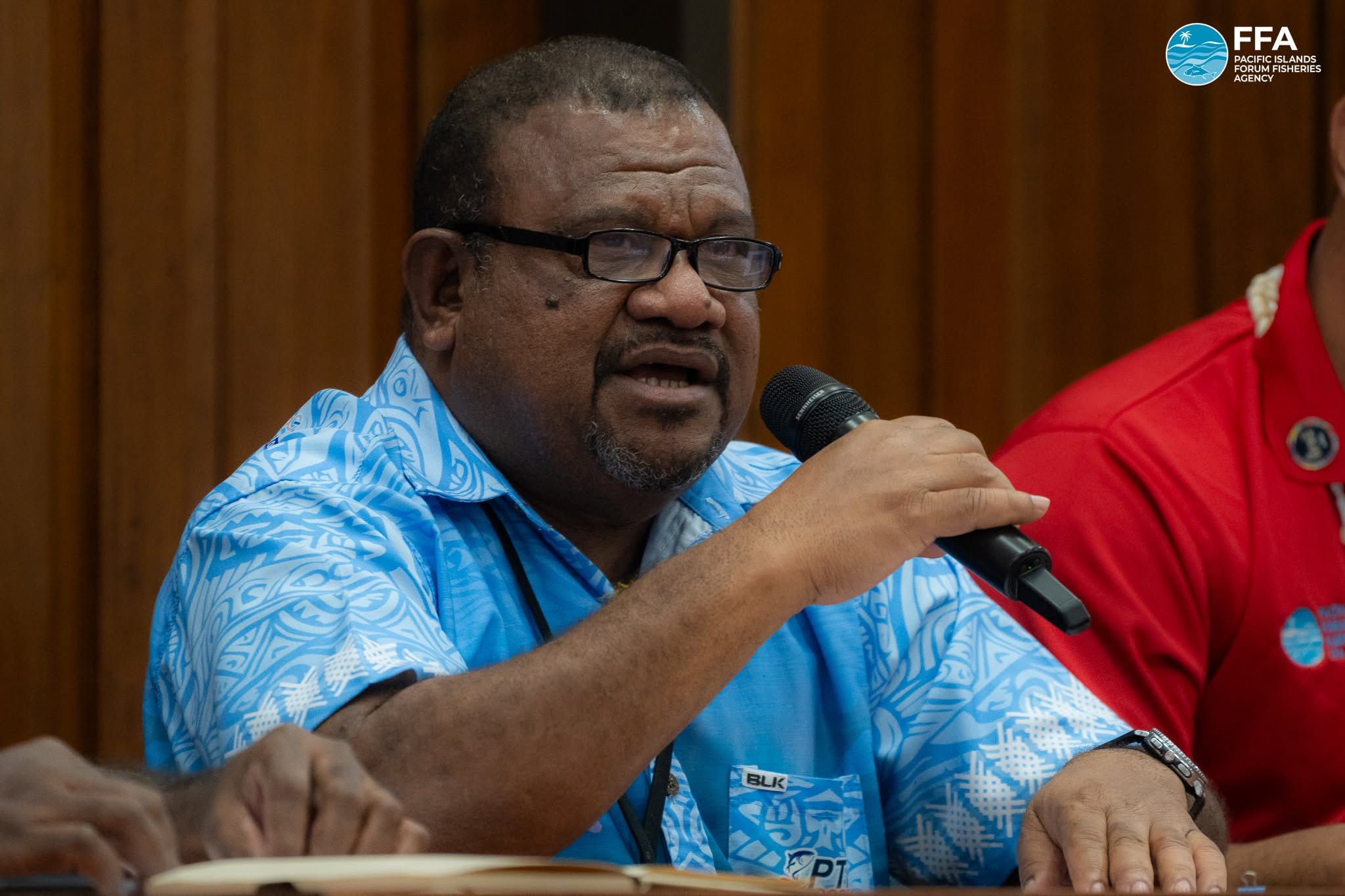
Forum Fisheries Agency (FFA) Director-General Noan David Pakop highlights the need to turn sustainable tuna stocks into jobs, food security and long-term prosperity for Pacific communities. Photo/FFA/file
"The reality is it's a rolling mall, but each year you have new challenges," Jones told Terite.
He said climate patterns such as El Niño could push tuna further east into international waters, making monitoring and enforcement more difficult.
Another key issue before ministers is the future of the long-running US fisheries treaty, which provides economic benefits to Pacific countries in return for access to tuna fisheries.
Jones said US officials had begun fresh negotiations with the Pacific Islands Forum Fisheries Agency (FFA), which represents the region's fisheries interests.
"They've begun engaging and negotiating with the FFA... and there's a positive relationship there."
New Zealand has also announced additional funding for the FFA to strengthen fisheries surveillance, training and monitoring across the Pacific.
Listen to Shane Jones' full interview below.
Jones said cooperation was becoming increasingly important as the region dealt with some of the world's biggest fishing powers.
"We're dealing with massive nations, not the least of which is the EU, China, United States of America, and we've got to do the heavy lifting."
Among the proposals before ministers is the East New Britain Initiative, which aims to expand tuna processing in Pacific countries, create more jobs and strengthen food security by keeping more of the tuna industry's economic benefits within the region.
Pakop said the decisions made in Wellington will shape the long-term future of the region’s most valuable natural resource.
"The decisions will help maximise the value of our ocean resources for Pacific people and strengthen the regional institutions that support our members for generations to come."
The ministerial meeting, which ends on Wednesday, also discussed how Pacific countries can capture more value from tuna by expanding processing and moving further up the seafood supply chain instead of relying mainly on access fees.