Seymour targets office karakia as Aupito warns of a ‘culture war’
Thomas Tarurongo WynneFri, 23 Oct
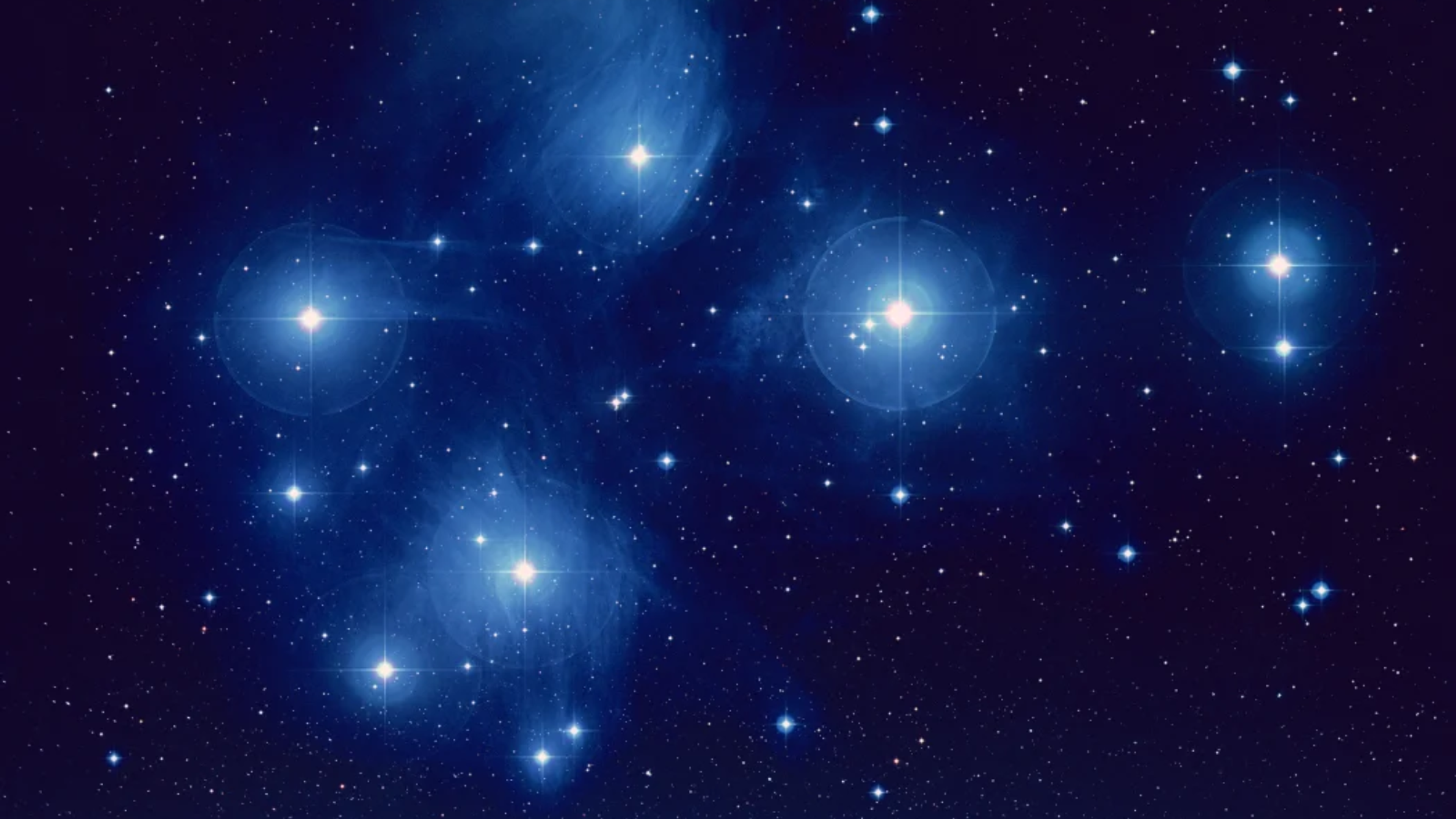
Matariki.
Photo/RNZ
The season offers more than a New Year celebration. It is a reminder to pause, reflect and care for our mental, physical and spiritual wellbeing.


As Matariki rises in the winter sky, Māori knowledge holders say its greatest lesson is one many people need right now: slow down.
Matariki marks Te Mātahi o te Tau - The Māori New Year and a time to remember loved ones, give thanks for the present and prepare for the year ahead.
But it also carries a message about wellbeing.
Māori astronomer Professor Rangi Matamua led the inaugural Matari’i celebrations in Tahiti last year.
Joined by digital creative Te Aorere Pewhairangi on The Morning Shift podcast, Matamua says our ancestors understood that winter was nature’s way of telling people to rest.
“Our ancestors understood that when the environment starts to shut down, animals aren’t moving, it’s colder, you get longer nights and shorter days,” Matamua says.
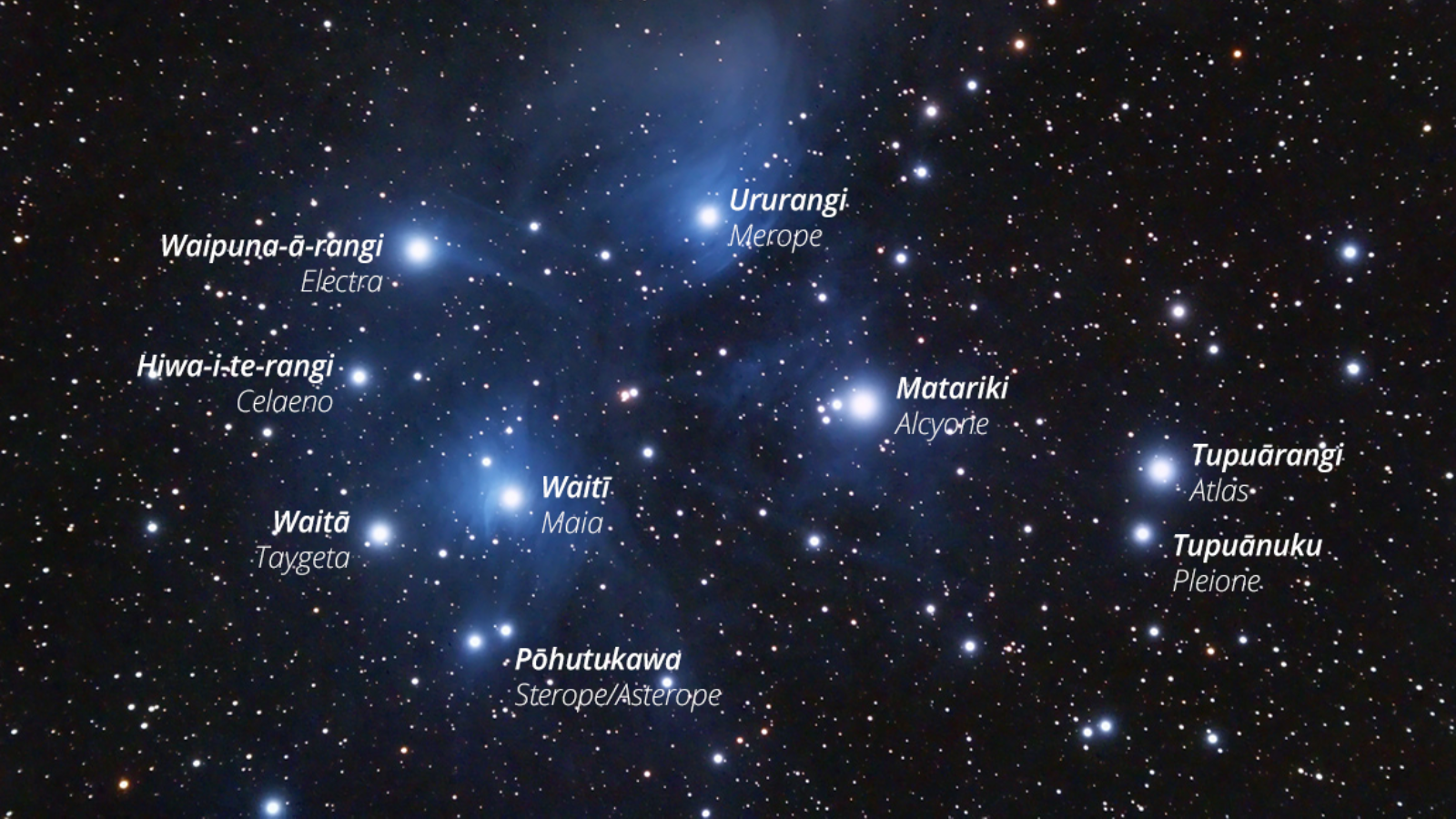
The nine stars of the Matariki cluster. Photo/DOC
“It’s a time where you actually sync into the rhythms of the environment. So when you’re feeling that winter burnout, you’re tired. We’re not meant to be moving around as much, like we do in our modern society.”
He says Matariki encourages families to come together, reflect, and reset for the year ahead.
The season is guided by three principles: remembering those who have passed, celebrating life and the people around us, and looking ahead with hope.
Pewhairangi describes Matariki as a well-being check with every star asking people to reflect on a different part of their lives.
He speaks about how in Māori mythology. Matariki (known as the mother star in the cluster) is the goddess of well-being who married Rehua, the god of healing.
Together they had eight children, each representing an aspect of health.
“Pōhutukawais the star of those who have passed on. She asks how we’re carrying our grief and whether we’ve made peace with our emotions,” Pewhairangi says.
Tupuānuku (earth star), Tupuārangi (forest star), Waitī (fresh water star), and Waitā (ocean star) are the stars of the food we harvest from the four sources - asking whether we’re nourishing our bodies and caring for those environments.
Waipunarangi and Ururangi are the weather stars and Pewhairangi says they are reminders that “some things sit beyond our control”.
“The question isn’t whether storms will come, but how we respond when they do,” he says. “And then there’s Hiwa-i-te-rangi, the star of hopes and dreams. She asks whether, in a tough world, we’re still looking forward?
“Māori health isn’t just physical. It’s emotional, social, environmental, and spiritual.”
That message continues through Matariki ki te Manawa, Auckland’s city-wide festival, featuring light installations, live music, and artworks celebrating Māori stories and Tāmaki Makaurau’s landscape.
Ātaahua Papa, the Pou Auaha (Creative Director), tells Pacific Days the festival is also an invitation to step back from life’s pressures.
Watch Ātaahua Papa's full interview below.
“Pressure builds, yes, but pressure is created by us,” Papa says. "It's not pressures that are created by the stars or by the stories or by the whakapapa or by the history.”
She hopes visitors will leave with a deeper understanding of Matariki and a simple reminder.
"Look at the stars and remember that we are just one little piece of this wider picture. We're just one atom in the whole scheme of things."
Matariki ki te Manawa runs until 21 July and covers from Silo Park to Te Tōangaroa, up Queen Street, Elliott St, Vulcan Lane, Aotea Square, Myers Park, and the new train stations of Te Waihorotiu and Te Karanga a Hape.