
Sāmoan duo sends strong selection message as All Blacks eyes turn to Springboks
Latonya LoleSun, 19 Jul
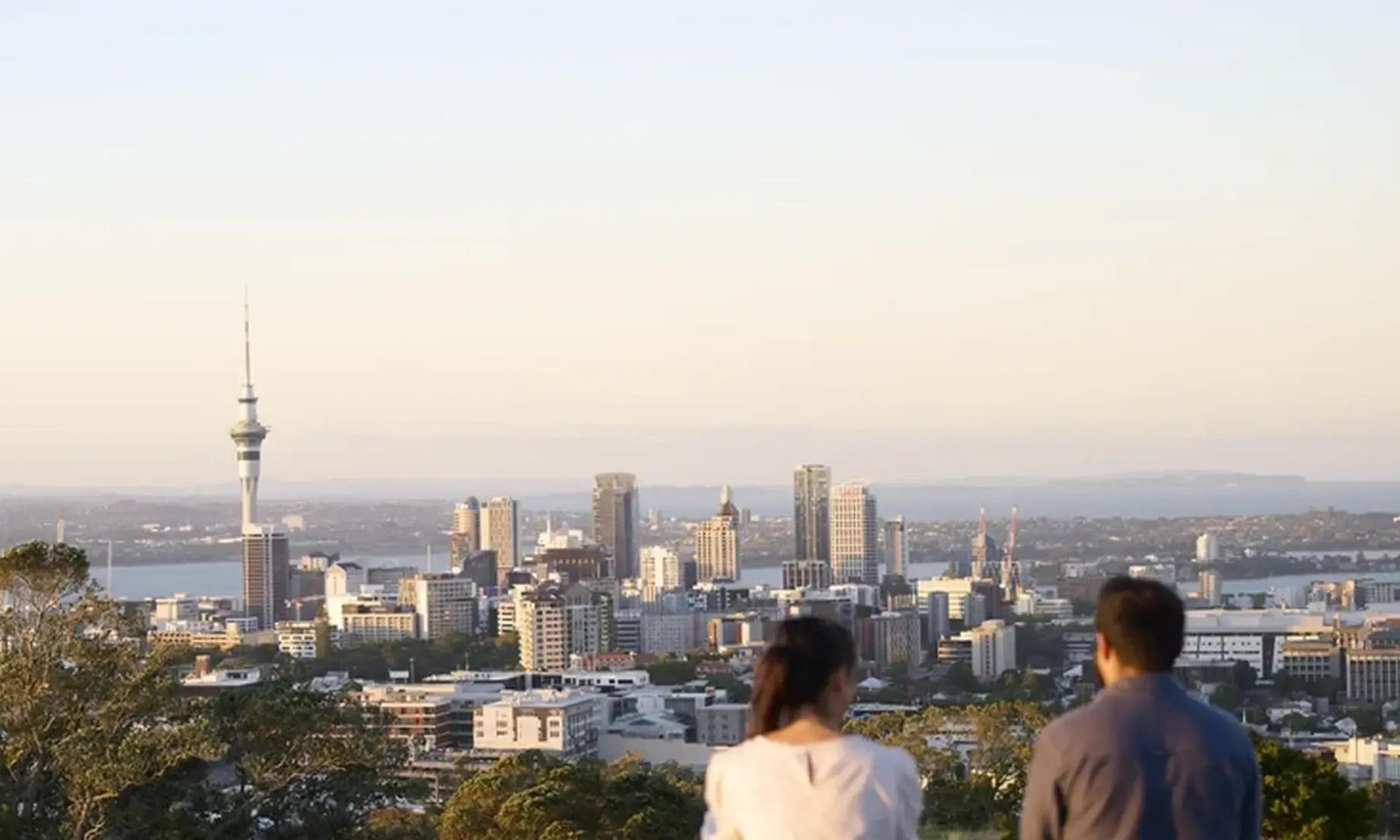
acific families face growing uncertainty as visa rules change, affecting their ability to stay in New Zealand long-term.
Photo/newzealand.com
Many migrants, who were promised a pathway to residency through skilled jobs, are now being told that their roles may no longer count as skilled.

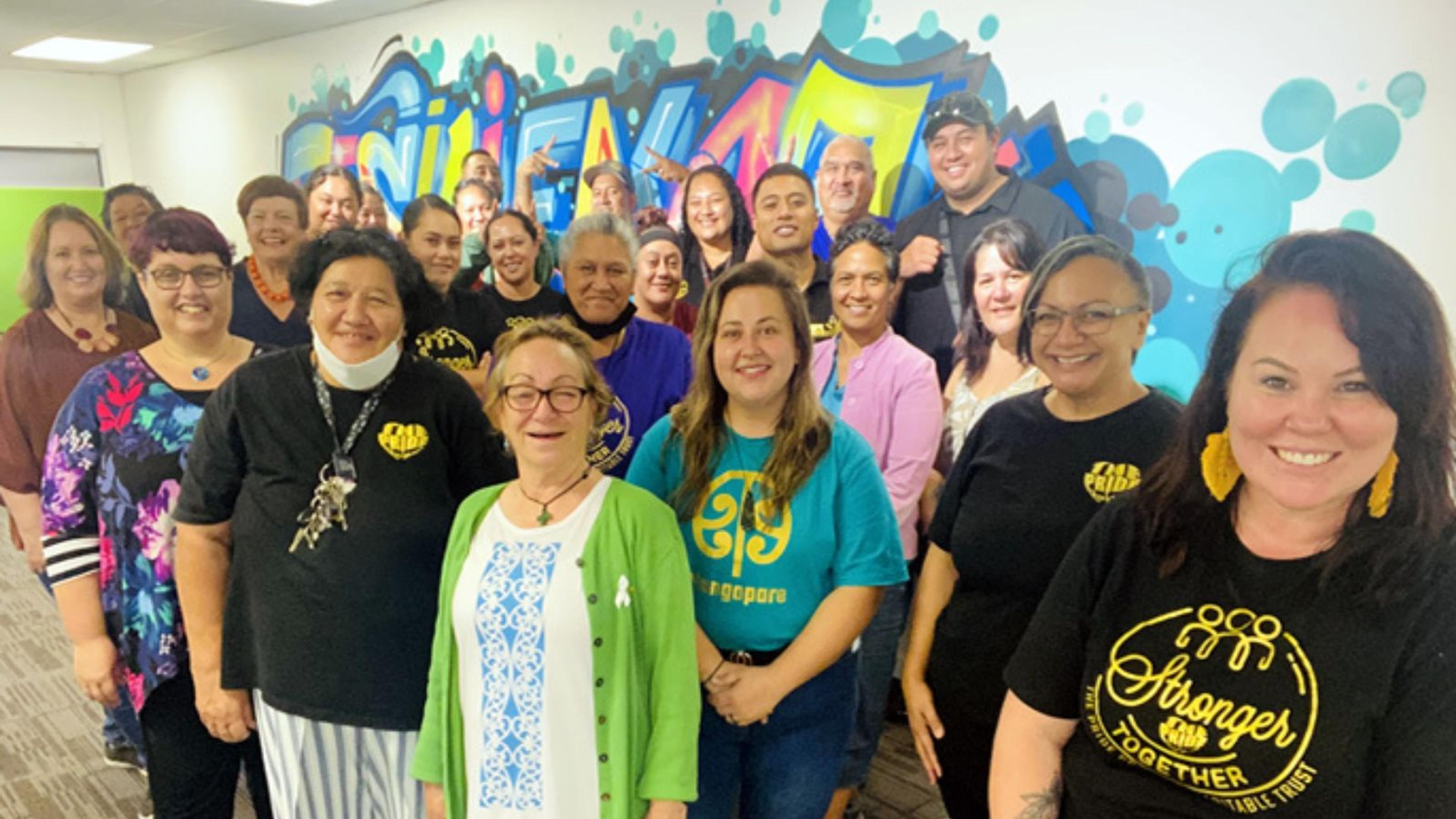

Pacific migrants in Aotearoa New Zealand are facing growing uncertainty as changes to visa rules affect whether their jobs are considered “skilled”.
This is a key requirement for staying long-term and planning a future in the country.
This comes after advocates said Immigration New Zealand's use of two job classification systems is creating confusion over which roles count as skilled, affecting migrants’ visa eligibility.
Many Pasifika are seeking secure futures in New Zealand, but current visa pathways are limited and highly restrictive.
Advocates warn that existing programmes like the Pacific Access Category exclude many people based on age, health, or visa lottery limits, leaving families vulnerable and sometimes forcing them to “overstay” to remain together.
An immigration adviser has also warned that this could harm New Zealand’s reputation for making false promises to workers.

Changes to Immigration New Zealand’s skilled visa classifications are creating confusion for migrant workers and their families. Photo/PMN News
Amnesty International has called for a dedicated humanitarian visa to allow climate-affected Pacific Islanders to migrate with dignity and keep families together.
Charles Enoka Kiata grew up on Tarawa, in Kiribati, and migrated to Aotearoa through the PAC scheme in 2002.
“People from Kiribati can come to New Zealand through work visas, study visas, on medical grounds, and through the PAC and the Recognised Seasonal Employer (RSE) schemes.
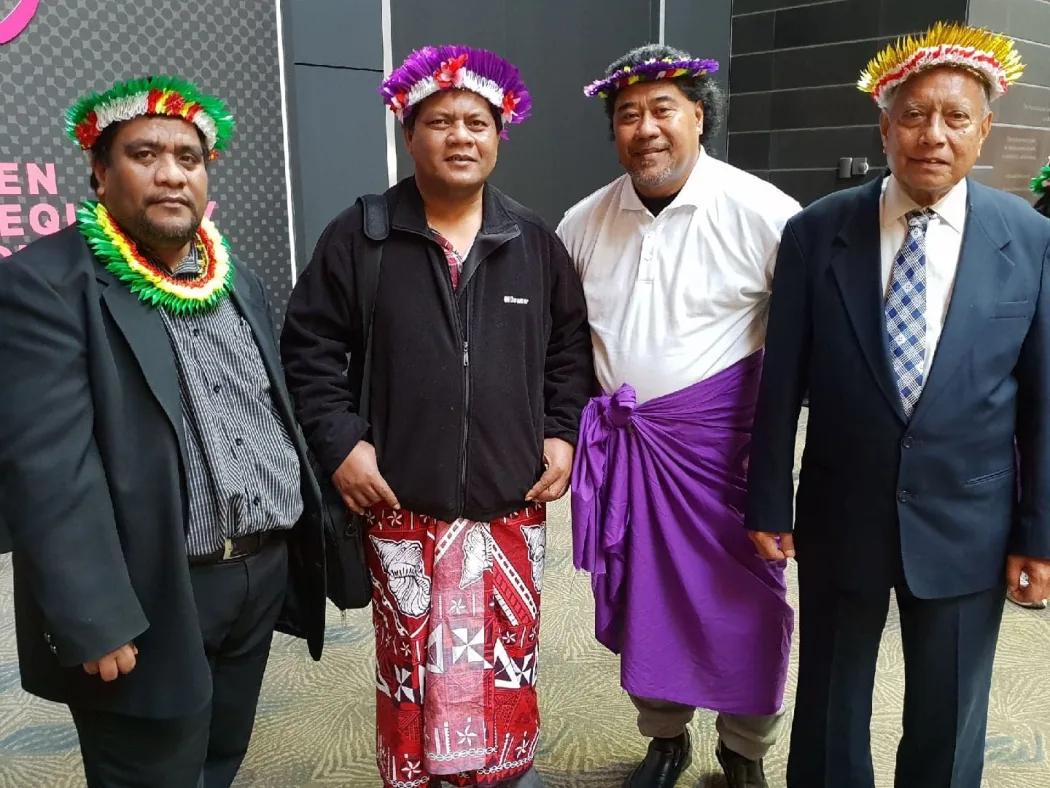
Community leaders, like Charles Kiata from Kiribati, warn that climate change is forcing Pacific families to consider migration for survival. Photo/RNZ Pacific
“But our people are facing the threat of climate change. I would like to see a fair pathway towards migration under these climate impacts. A pathway that respects the integrity and the culture of our people.”
Vaeluaga Iosefa, a Tuvaluan community leader, adds: “Pacific people are facing the threat of climate change… For many in Tuvalu and Kiribati, staying or leaving is not a matter of choice but survival.”
Pakilau Manase Lua, a Tongan migrant, says: “Our lands are disappearing. And that’s not our fault… Humanity deserves a place to be humans.”
Kate Schuetze, a Pacific researcher at Amnesty International, highlights how visa requirements can block families: “The visa requirements set the bar so high… it’s impossible for him to move to Aotearoa with his family.”
Former National MP Anae Arthur Anae points to the regional dimension: “We can no longer sit around and be treated like nobodies… New Zealand is part of the Pacific.”
Watch Anae Arthur Anae's interview on Pacific Mornings below.
Changes in skilled visa rules are also affecting migrant workers in New Zealand more.
Immigration New Zealand currently uses two systems: the Australian and New Zealand Standard Classification of Occupations (ANZSCO) and the new National Occupation List (NOL) to decide which jobs qualify as skilled.
The overlap has created confusion and disrupted plans for migrants who were previously told they were eligible for residency.
Immigration adviser Tobias Tohill warns this could damage New Zealand’s reputation: “People were told their jobs were skilled and that they could get residency. Now, many are finding out they don’t qualify. It’s heartbreaking for families and disruptive for businesses.”
One Filipino migrant, Aaron Pasion, is an example of the personal impact of these changes. Pasion, who has taught swimming in Auckland for three years, was due to extend his visa but was told his role is no longer classed as skilled.

Swim school instructor Aaron Pasion, pictured with his wife Janine and son Andreus, was told his job was skilled and is leaving for Australia after finding out it no longer is. Photo/Aaron Pasion
He now has to relocate his family to Australia, despite his young son Andreus being due to start school and the support of the local community. Parents of the children he taught describe his departure as “a huge loss for our community".
For Pacific and other migrant communities, these visa uncertainties are about more than employment: they touch family stability, children’s futures, and the ability to contribute fully to Aotearoa’s society.
Advocates continue to call for clearer, fairer, and more consistent pathways for skilled and climate-affected migrants alike.