Youth enrolment gap puts focus on Pacific young voters ahead of new October deadline
Thomas Tarurongo WynneWed, 16 Sep
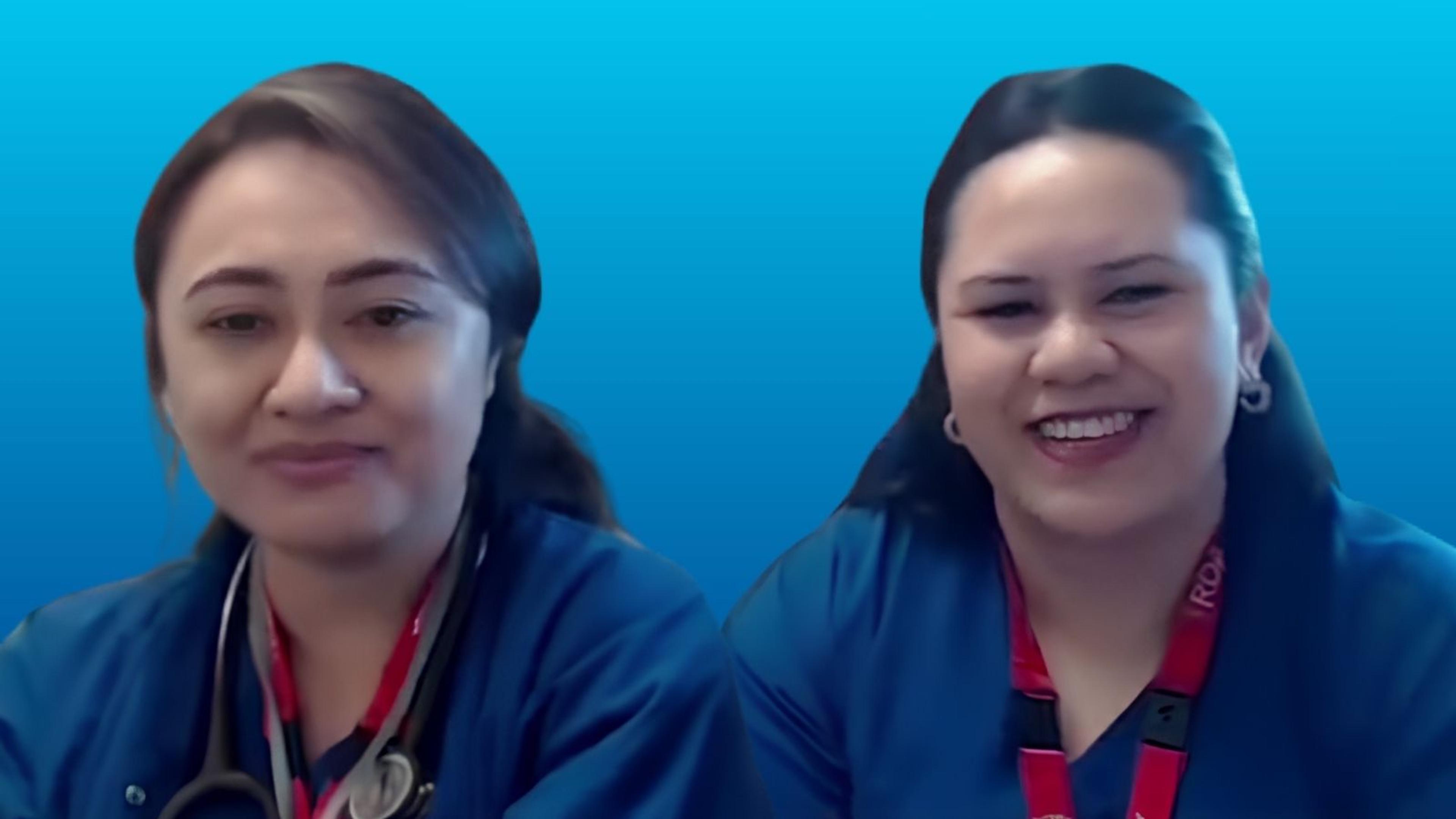
Doctors Nisi Ahoatu, left, and Emeline Mafi.
Photo/531pi
Fifty-five are among 531 new doctors starting work across Aotearoa this year, bringing vital cultural understanding to patient care.

A record 55 Pacific medical graduates are stepping into New Zealand’s health system this year, joining 531 new doctors beginning their first year of practice across Aotearoa.
For junior doctors Emeline Mafi and Nisi Ahoatu, the change is not just about numbers but about how patients respond when they see and hear someone who understands their world.
Speaking with William Terite on Pacific Mornings, the two Middlemore Hospital doctors said cultural connection can make a real difference in how patients share what they are going through.
Mafi said many patients become emotional when they realise they are speaking with someone who understands them.
“Patients get really emotional and they start breaking down as soon as you speak [their language],” she says.
“Because from the admission, Emergency Department through the whole hospital, you're the first person who can actually find out what's been happening with them and can articulate what's been going on.”
Across the cohort, 19 of the 531 new graduates are starting their careers at Middlemore Hospital in South Auckland, one of the country’s busiest hospitals and home to a large Pacific population.
Despite Pasifika making up almost nine per cent of New Zealand’s population, Pacific doctors still represent just three per cent of the general practice workforce, according to the Royal New Zealand College of General Practitioners’ 2024 Workforce Survey.
Ahoatu says even if she and Mafi speak to non-Tongan Pacific patients, such as Sāmoans or Cook Islands, that they are more responsive.

Out of the 531 graduates this year, 19 Pacific doctors are starting out at Middlemore Hospital in South Auckland. Photo/Unsplash
Ahoatu says cultural understanding often extends beyond language.
“Growing up in Pacific families, we're aware of cultural boundaries: how to respect our elderly and talk to them in a way that is respectful. So I think they're more responsive to that as well,” she says.
Both doctors say the transition into the health workforce comes with heavy demands including long shifts and night work as they adjust to life on the hospital frontline.

Dr Emeline Mafi and Dr Nisi Ahoatu are part of 55 Pacific medical graduates entering the health workforce this year. Photo/Supplied
Mafi said she does not see being a Pacific doctor as a separate experience in terms of pressure but adds connection with others in the same position matters.
“I don't think there's a pressure of being a Pacific doctor. There's no difference. Once you're a doctor, you face the same challenges as any other doctor in the workforce. It's just we lean on each other.”
Their journeys into medicine also reflect the different paths Pacific families often take.
Mafi initially completed a classical singing music degree after a commitment to her father and church before returning to study medicine.

Pacific doctors represent only 3 per cent of the general practice workforce. Photo/File
She said her family in Ōtara, including her parents and three brothers, played a key role in supporting financially and emotionally.
“For me, it’s similar to Mafi,” Ahoatu says. “But also experiences with family members in the hospital… was a huge inspiration for me.
She said seeing how doctors cared for her grandfather helped shape her decision to enter the profession.
“It was personally my grandpa being in the hospital with him and seeing how doctors worked with us and with the family and the patient. That really inspired me to get into this profession.”
She said even when treating patients from different Pacific backgrounds, shared values often help build trust.
Watch Nisi Ahoatu and Emeline Mafi’s full interview below.
“Our job as junior doctors is to meet patients where they are and understand their world view. Even if we don't speak our Pacific languages, we understand what life is like and how families think.”
The increase in Pacific medical graduates comes alongside wider efforts to strengthen New Zealand’s health workforce including expanded medical school enrolments.
In a January media release, Health Minister Simeon Brown said the government is increasing first-year medical school enrolments to 639 a year to build a stronger local workforce for the future.