Pacific diplomats strengthen ties through New Zealand training
PMN NewsMon, 26 Oct
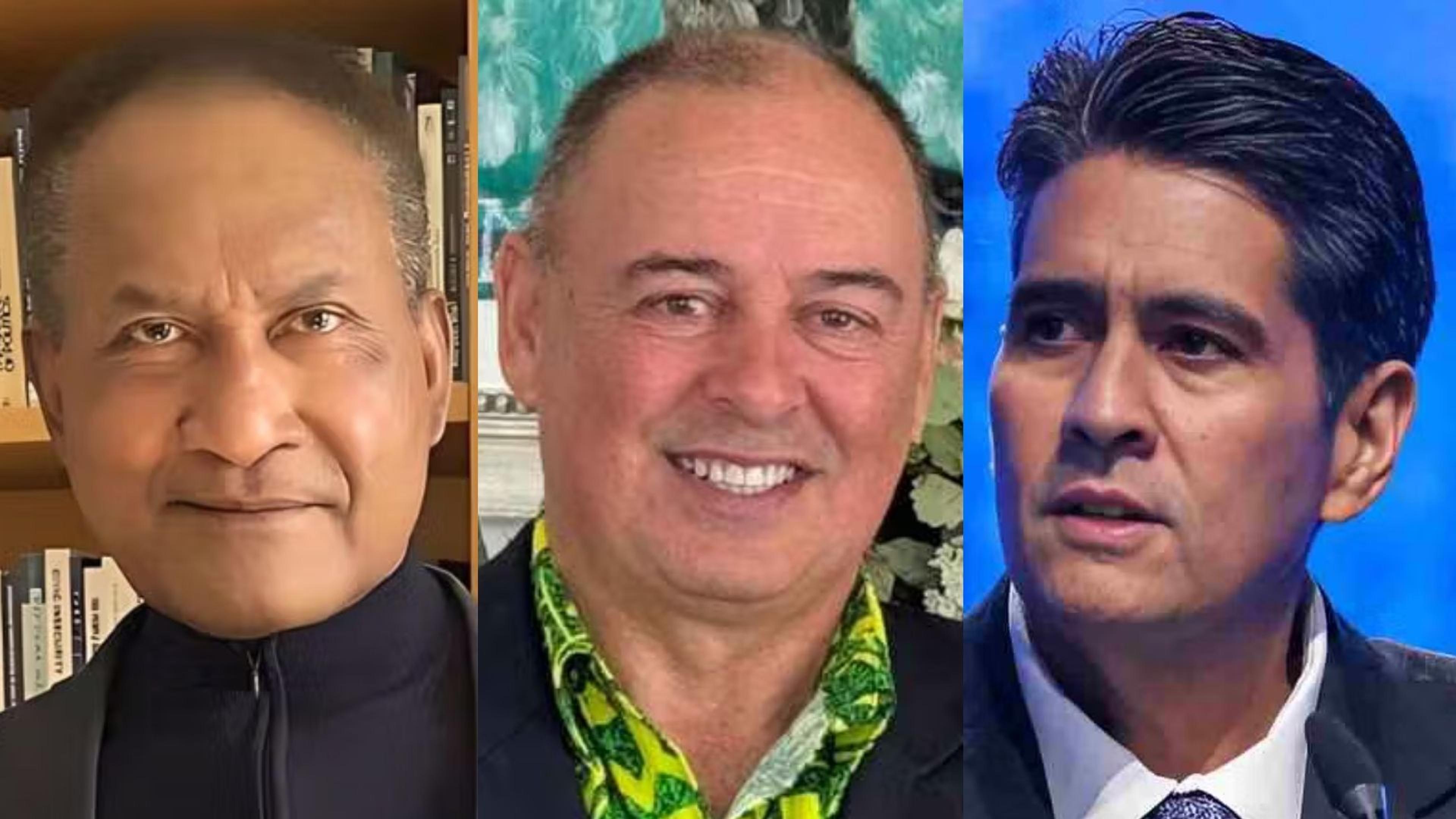
From left: Professor Steven Ratuva says deep sea mining is becoming a growing geopolitical issue for the Pacific, as Cook Islands Prime Minister Mark Brown and Palau President Surangel Whipps Jr outline different approaches to managing the region’s seabed resources.
Photo/Supplied/PMN composite
Professor Steven Ratuva says the race for seabed minerals is set to be the next major geopolitical challenge for the region as Pacific leaders stress that decisions must remain in Pasifika hands.



Deep sea mining is emerging as the next major test of Pacific sovereignty with growing interest from global powers adding a new layer to regional competition, says Professor Steven Ratuva from the University of Canterbury.
He says growing interest from global powers is putting fresh pressure on Pacific nations to protect their sovereignty and decide how their ocean resources are managed.
His comments come as deep sea mining talks at the International Seabed Authority ended in Jamaica this week without agreement on new rules, with concerns growing over gaps in scientific knowledge, environmental protections and governance.
Conservation groups say the lack of progress strengthens calls from governments for a pause on deep sea mining until stronger safeguards are in place.
Ratuva says deep sea mining is no longer just an environmental or economic debate but one that is increasingly shaping regional security and foreign policy.
Speaking with Khalia Strong on Pacific Mornings, the Director of the Macmillan Brown Centre for Pacific Studies said countries needed to carefully weigh both the environmental and political consequences as international interest in seabed minerals grows.
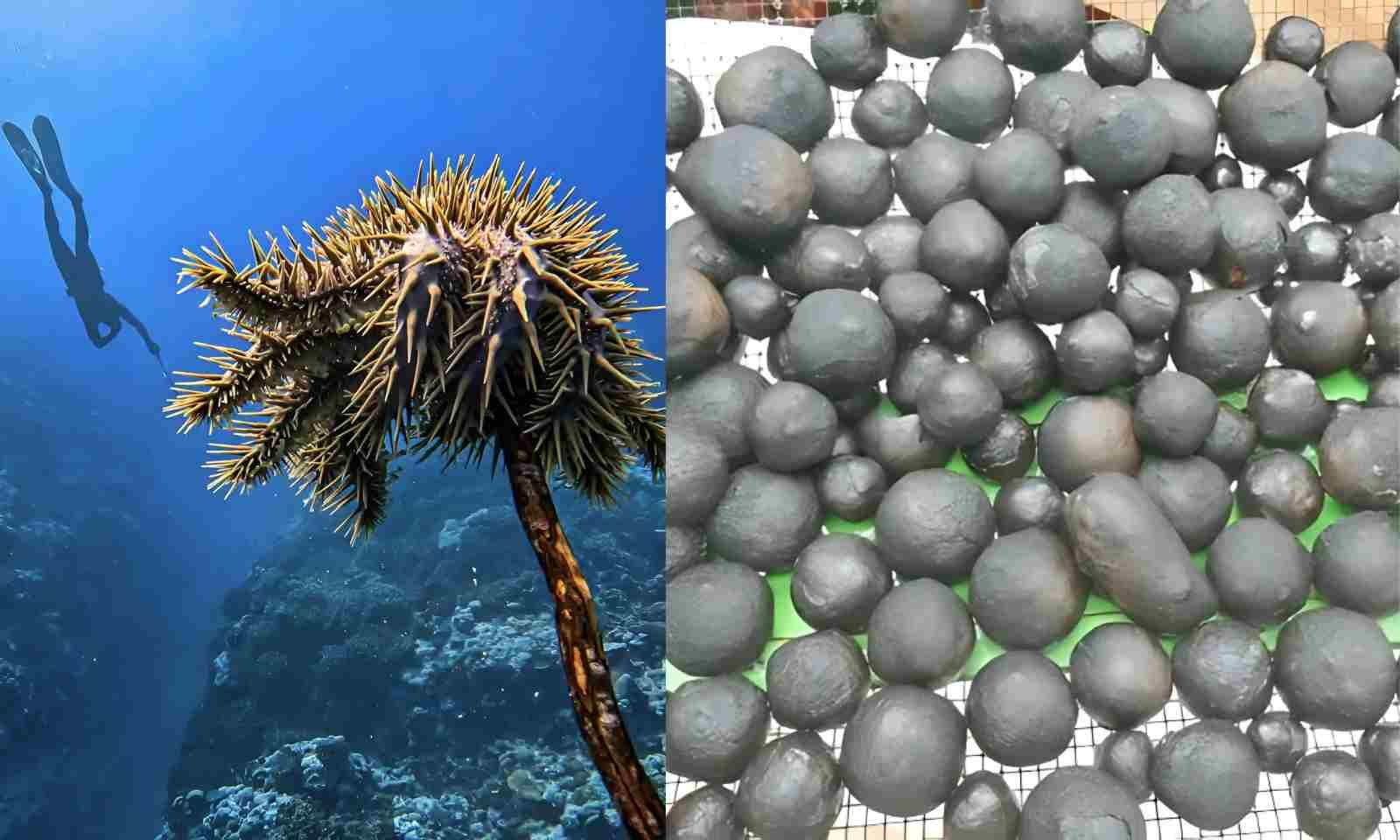
Growing international interest in Pacific seabed minerals is raising questions about environmental protection, economic opportunities and who controls the region’s ocean resources. Photo/Supplied
"There are a lot of things which are happening in the Pacific like deep sea mining, which has a lot of geopolitical implications as well."
Ratuva pointed to the Cook Islands as one example where strategic competition is already taking shape.
"In the case of Cook Islands, for instance, New Zealand and America and China are competing for the deep sea mining."
Watch Steven Ratuva's full interview below.
The Cook Islands has strengthened cooperation with the United States through a Strategic Framework for Critical Minerals Research and Supply Chain Security.
Prime Minister and Minister for Seabed Minerals, Mark Brown, said the agreement was about giving the Cook Islands greater choice while keeping control firmly in local hands.
"This Framework gives the Cook Islands options," his statement read. "It establishes a platform for genuine collaboration, strengthens our strategic relationships, and ensures that any development occurs on our terms, under our laws, and in a way that delivers long-term value for our people and our partners."
The Cook Islands government has stressed the framework is non-binding and does not authorise mining or commercial extraction.
It says any future exploration or development would remain subject to Cook Islands laws, environmental assessments and national decision-making.
Pacific Islands Forum Acting Secretary-General Desna Solofa said differing views on deep sea mining reflected the region's diversity while reinforcing the importance of Pacific-led decision-making.
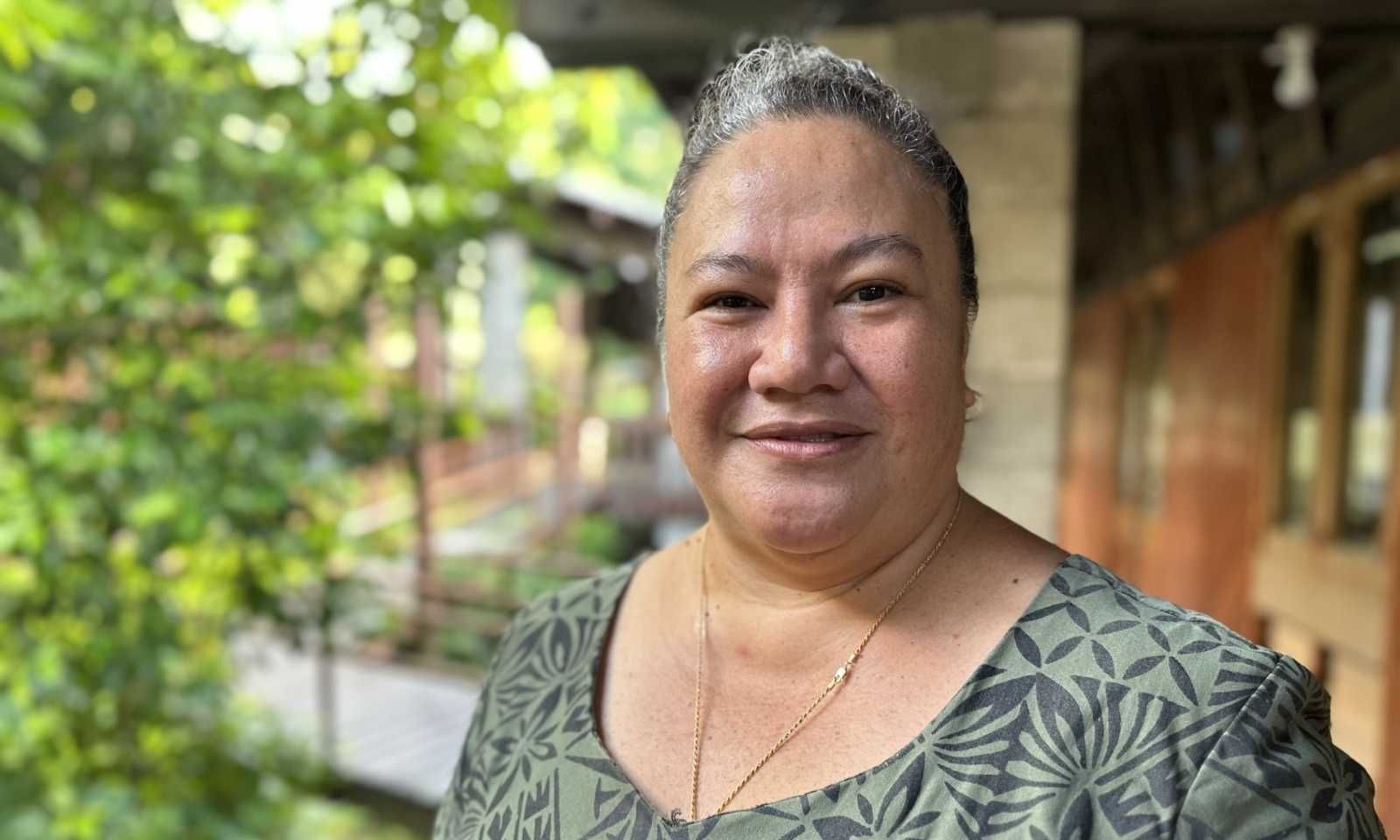
Pacific Islands Forum Acting Secretary-General Desna Solofa says differing views on deep-sea mining reflect the region’s sovereign choices, while calling for open dialogue, trust and respect. Photo/Pacific Islands Forum
"Our diverse perspectives reflect our sovereign choices, our varied capacities, and our shared desire to protect the health of our Pacific ocean for generations to come," she said in her address at the regional Deep Seabed Sustainable Blue Growth Initiative Workshop in Suva.
Solofa said the region remained guided by the 2050 Strategy for the Blue Pacific Continent and that discussions should continue through "open dialogue, trust, and respect".
For many Pacific communities, the debate is not only about future economic opportunities but also about protecting an ocean that is central to culture, identity and livelihoods.
Ratuva said the issue was not only about potential economic gains but also about how Pacific countries manage relationships with larger powers seeking access to the region.
"American companies are already in the Cook Islands and so forth. And all around the Pacific, countries are gearing up for that."
He said both the environmental and geopolitical consequences still needed careful assessment.
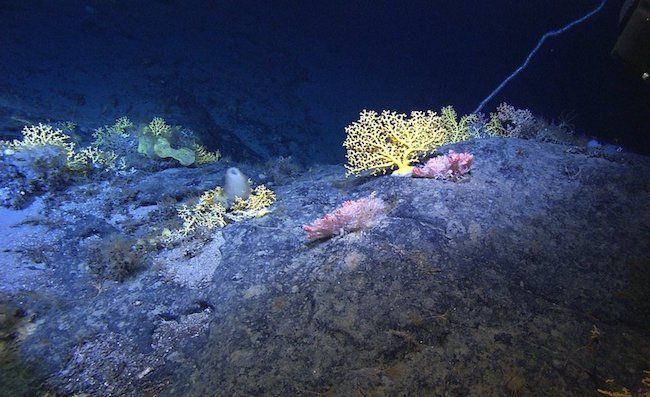
Pacific countries are weighing the potential benefits and risks of deep sea mining as global demand for critical minerals increases. Photo/Photo/Mountains in the Sea/NOAA Ocean Exploration
"And so the implications in terms of environmental implications and geopolitical implications still have to be assessed."
Palau President Surangel Whipps Jr has also urged caution, saying deep sea mining should not move ahead until stronger environmental safeguards are in place.
"Palau supports a precautionary approach until robust environmental safeguards are in place," he said at the World Ocean Summit in Montreal, Canada.
Critics argue the growing interest in seabed minerals is also tied to wider strategic competition.
Adam Wolfenden, Pacific Network on Globalisation (PANG) Deputy Coordinator said the Cook Islands-US framework reflected a wider strategic contest over critical minerals.
"This framework will give the US clear access to pursue its military and geopolitical interests in deep sea minerals, bringing the Cook Islands squarely into its zero-sum competition with China," he said in a statement.
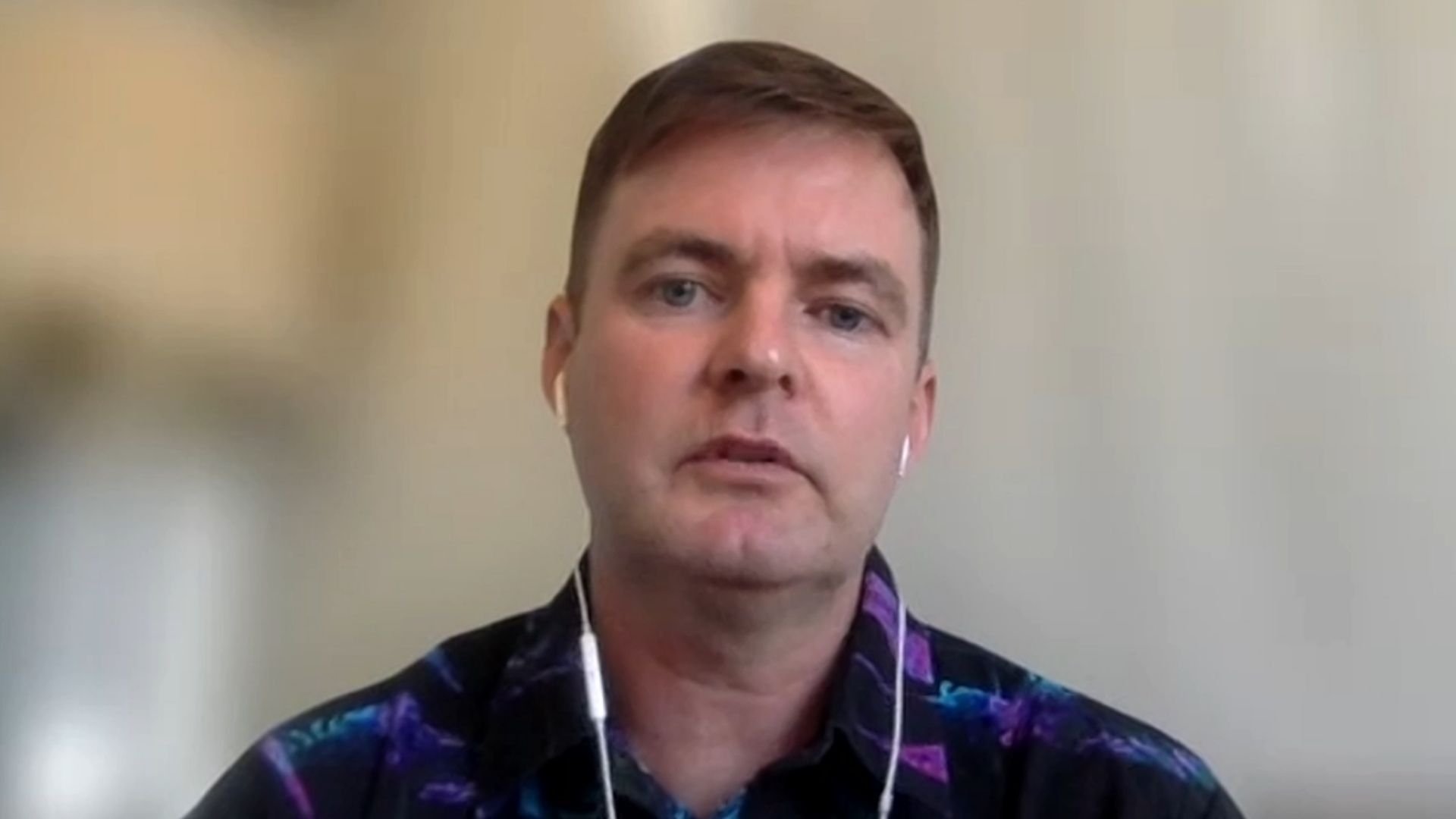
Pacific Network on Globalisation Deputy Coordinator Adam Wolfenden says the growing focus on seabed minerals is linked to wider geopolitical competition between major powers.
Wolfenden said while national governments had the right to make their own decisions, the risks posed by deep sea mining demanded a regional response.
"While there is a need for national decisions to be determined nationally, there is a need for a regional response to the regional dangers posed by any activation of deep sea mining."
As Pacific governments weigh the opportunities and risks of seabed minerals, Ratuva says the debate is becoming about more than resource development.
He says it is about who shapes the Pacific's future and whether countries can protect their sovereignty and ocean resources as global competition grows.