
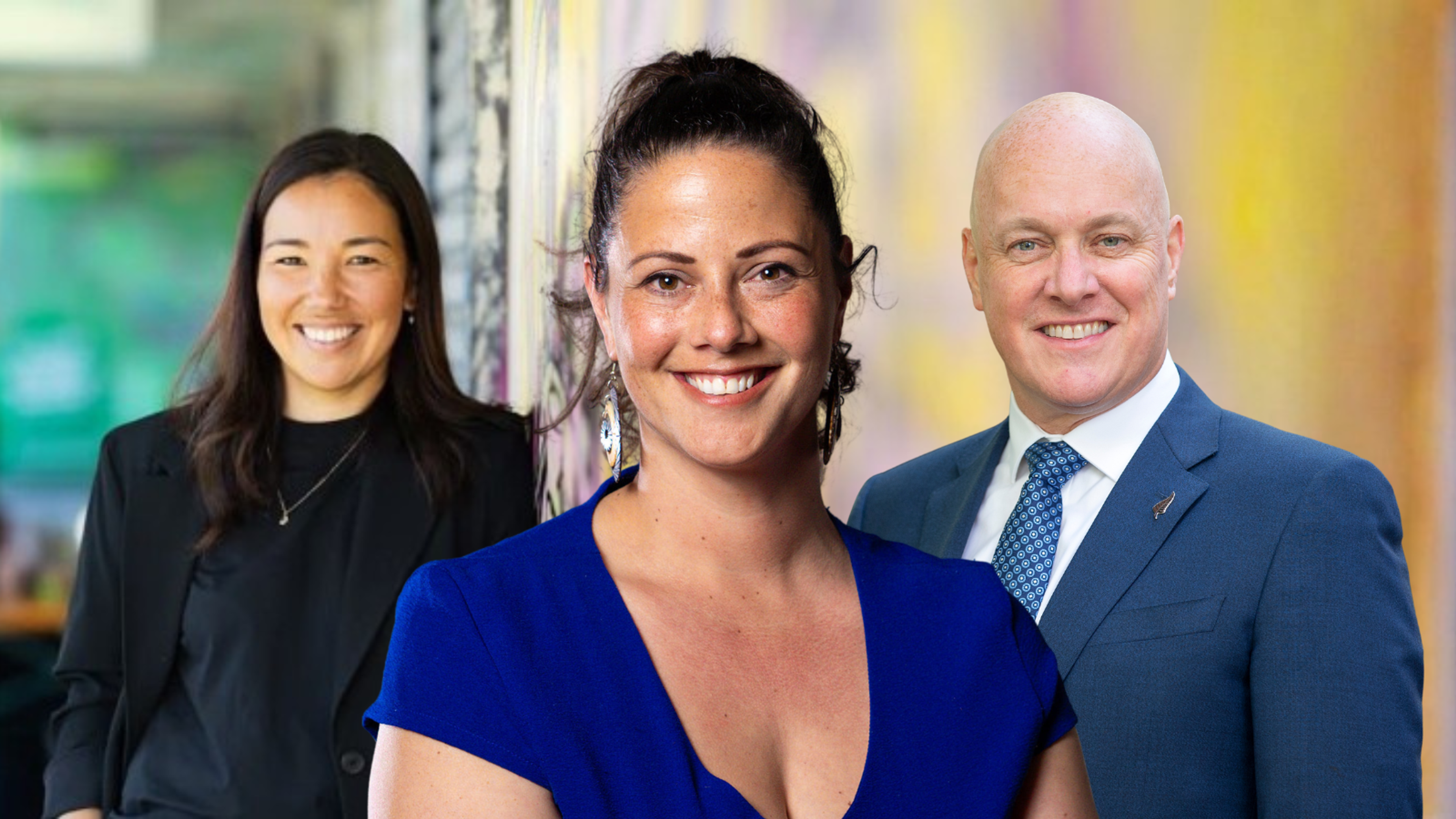
National leader Chris Luxon has ruled out working with Opportunity leader Qiulae Wong as a coalition partner, but PMN journalist Khalia Strong questions the move.
Photo/Composite/File
Opinion
My Perspective: A missed opportunity?
Under MMP, closing coalition doors early could prove a costly political gamble, writes Khalia Strong.

Khalia Strong
Published
29 July 2026, 6:00am
Share
Copy Link
Top stories
Red Dawn: Historic Tongan rugby league victory sends statement through World Cup
Christine RovoiSun, 18 Oct
Bledisloe Masterclass: Pacific powerhouses lead All Blacks’ blitz against the Wallabies
Christine RovoiSat, 17 Oct
Top stories
Red Dawn: Historic Tongan rugby league victory sends statement through World Cup
Christine RovoiSun, 18 Oct
Bledisloe Masterclass: Pacific powerhouses lead All Blacks’ blitz against the Wallabies
Christine RovoiSat, 17 Oct
Well, well, well. The power of a post-Cabinet press conference.
National leader Chris Luxon has narrowed the coalition conversation before New Zealanders have even cast a vote.
By ruling out working with The Opportunity Party, National has deliberately closed one door.
It's a bold move. I'm not convinced it's a smart political play.
Given Opportunity's policies lean left, perhaps the decision shouldn't have come as a surprise. What surprised me was the timing. With just over 100 days until the election, it seems an odd moment for any leader hoping to form the next government to voluntarily narrow their own options.
Luxon says he won't work with parties that want to raise taxes. It's a clear political message to National voters and perhaps an attempt to reassure those uneasy about what post-election coalition negotiations might look like.
Watch My Perspective below.
However, polls have been signalling for months that National voters are spreading their support across smaller parties, such as New Zealand First.
By shutting the door on Opportunity before the votes have even been counted, National risks giving greater leverage to the parties still left in play, particularly if Winston Peters and New Zealand First again hold the balance of power.
Opportunity leader Qiulae Wong did the opposite. She left the door open, saying her party would still be willing to have a conversation if National needed its support after the election.
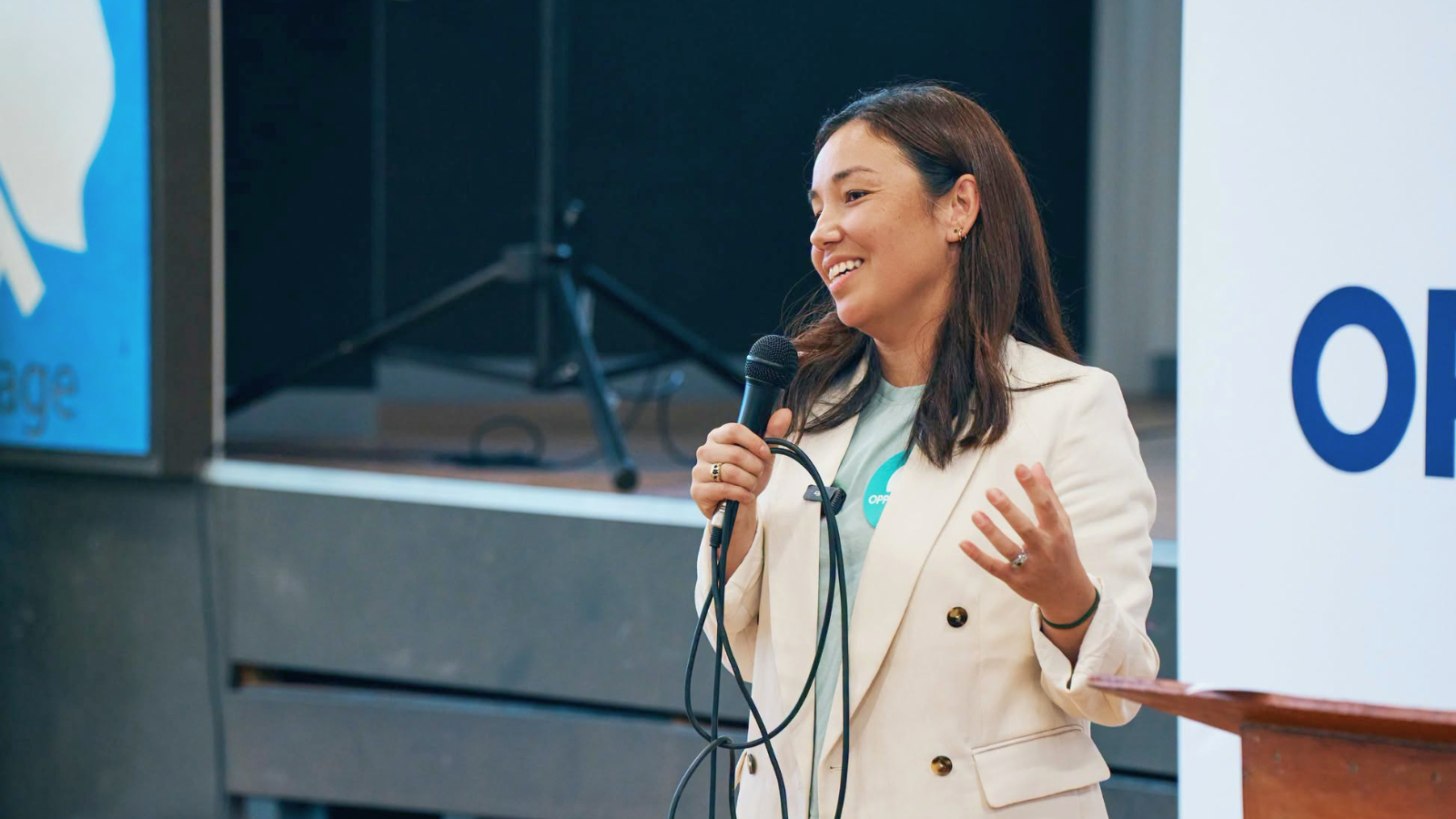
Opportunity Party leader Qiulae Wong speaks at a local rally. Photo/Facebook
More importantly, she argued New Zealand's biggest challenges are too important for leaders to keep sorting every idea into left-wing and right-wing boxes.
It's a sentiment I suspect many New Zealanders share.
There's a growing frustration with politics that feels increasingly tribal. One government arrives, scraps projects started by the last one, spends three years explaining why it can't deliver because of its predecessor. Rinse and repeat.
Meanwhile, Pacific families are still trying to pay the mortgage, keep up with the rent, afford groceries and get a doctor's appointment.
Most New Zealanders and politicians want the same things: a country that succeeds and better opportunities for their children. We simply disagree about how to get there.
Watch Qiulae Wong's full interview below.
Surely we can be mature enough to consider ideas on their merits rather than dismissing them because of the party logo attached to them. Surely political leaders can leave enough room for conversations after voters have had their say.
Governments under MMP have often relied on confidence-and-supply agreements with parties across the political spectrum - United Future comes to mind. That's not a sign of weakness. It's recognition that governing under MMP requires negotiation and compromise.
Whether Opportunity makes it into Parliament is almost beside the point.
The real question is why any leader seeking to be Prime Minister would willingly reduce their own bargaining power before voters have spoken.
Every bargaining chip has value. Giving one away before negotiations even begin feels like a missed opportunity.