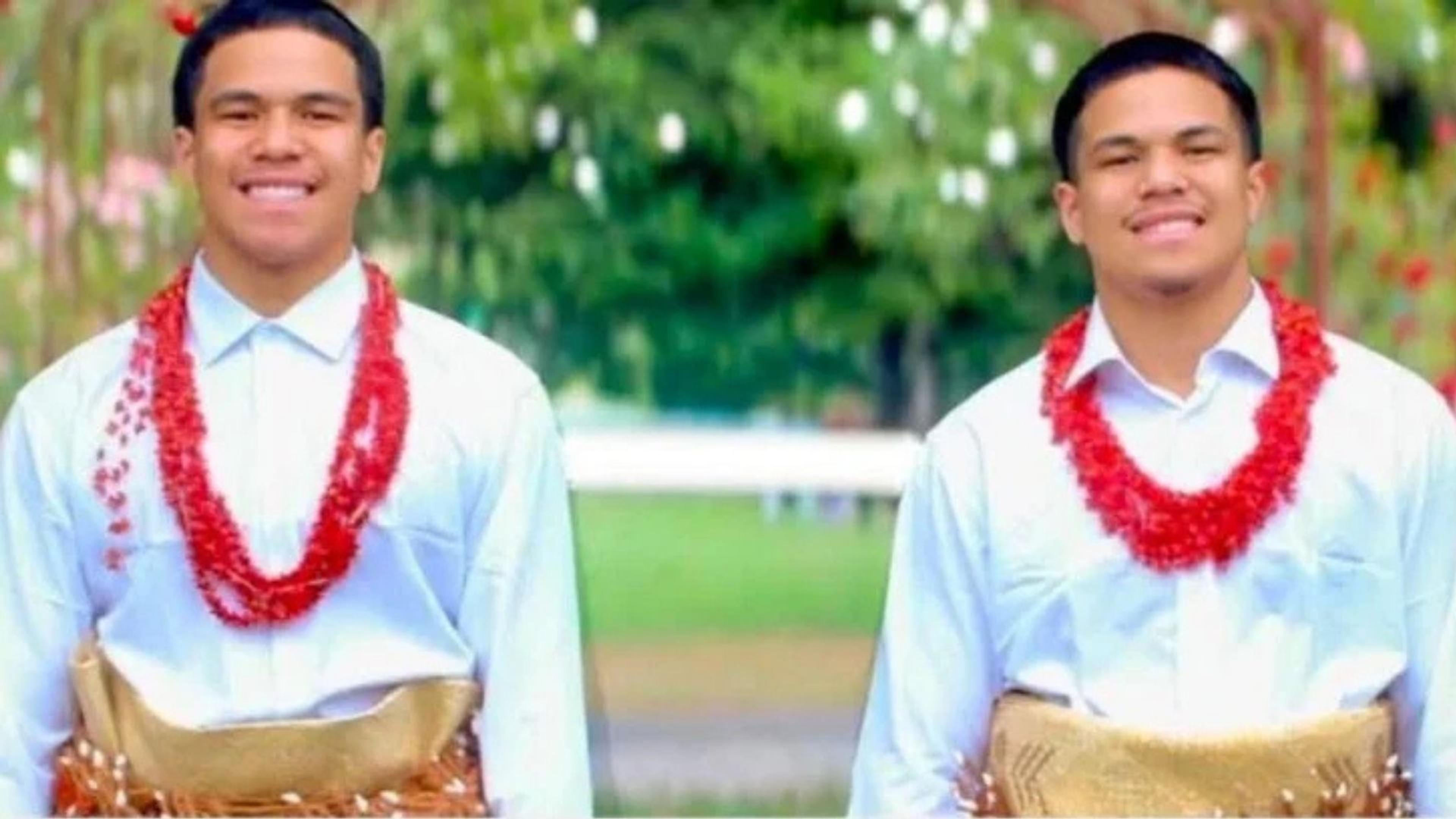
Eighteen-year-old twins Vilisoni Angilau and his brother were among those shot during a funeral gathering in Kearns, Utah. Vilisoni died, while his twin remains in critical condition, according to police.
Photo/Supplied
Community
Utah shooting: Call for Tongan community to reject shame, reclaim its cultural values
Richard Wolfgramm says the fatal shooting at a Tongan funeral should prompt healing and reflection, not collective shame, as he calls for greater support for families carrying generational trauma.

Christine Rovoi
Published
19 August 2026, 3:16pm
Share
Copy Link
Top stories
Tofiga Fepulea’i brings the laughs while taking top honours at Arts Pasifika Awards
Aui'a Vaimaila Leatinu'uFri, 23 Oct
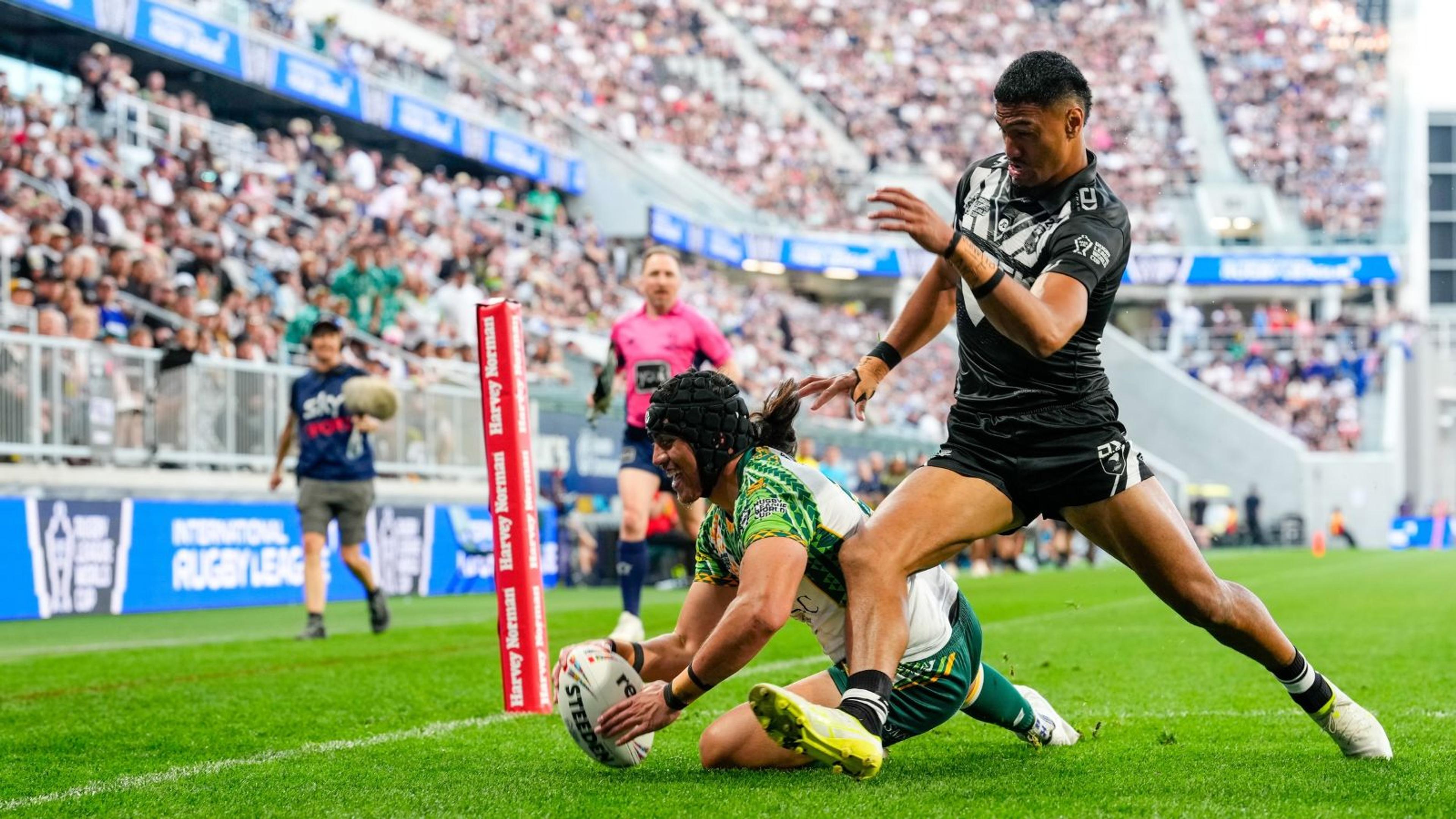
‘It kind of breaks my heart’: Kiwis run riot after Cook Islands’ brave start
Latonya LoleSun, 25 Oct
Top stories
Tofiga Fepulea’i brings the laughs while taking top honours at Arts Pasifika Awards
Aui'a Vaimaila Leatinu'uFri, 23 Oct
‘It kind of breaks my heart’: Kiwis run riot after Cook Islands’ brave start
Latonya LoleSun, 25 Oct
A funeral gathering for a young Tongan man in the United States, has ended in another death, leaving the local community grieving and calling for an end to violence.
Unified Police have identified the man killed as 18-year-old Vilisoni Angilau. A second 18-year-old man, believed to be Angilau's twin, and a 17-year-old boy remain in critical condition.
Police allege the 17-year-old opened fire during an ongoing dispute between two families.
The shooting happened on Monday outside a Church of Jesus Christ of Latter-day Saints (LDS) meetinghouse in Kearns, Utah, where mourners had gathered for a funeral.
Police have arrested a 45-year-old man in connection with the shooting. Police allege Afuhia Masiu Manatau supplied a gun to his teenage son, who then opened fire, killing Angilau and critically injuring another man.
Pacific educator Richard Wolfgramm, a co-founder of Mana Academy in West Valley City, Utah, says the shooting has forced the community to confront how violence is affecting sacred spaces and younger generations.
Watch Richard Wolfgramm's full interview below.
Wolfgramm spoke to Pacific Days with Kalo following the shooting and said the violence is particularly painful because the people involved were connected through family and friendship.
“There was an altercation, a fight between two families and the sad thing, the two parties....they all grew up together.”
He says the person who died was trying to stop the violence.
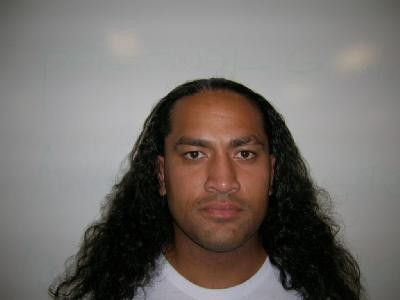
Afuhia Masiu Manatau was arrested in connection with the fatal shooting at a funeral gathering in Kearns, Utah, after police alleged he supplied a gun to his teenage son. Photo/Utah Department of Corrections
“All he was doing was trying to stop what was happening. And so, and that's the sad thing about it. Usually in these kinds of conflicts, it's always the peacemakers that are victims to the violence that is going on.”
The shooting is not the first time violence has erupted outside a Tongan funeral in Utah.
After a separate fatal shooting outside an LDS church in Salt Lake City in January, Police Chief Brian Redd said: “Our houses of worship are sacred, whatever the affiliation. We should all protect those spaces. We should all respect those spaces.”
For Wolfgramm, the tragedies also raise difficult questions about violence within parts of the Tongan diaspora and the way the community responds when such incidents occur.
He says Tongans should condemn the violence without taking on blame for the actions of individuals.
“I felt like I needed to do that because sadly, Kalo, this is not the first time there's been a shooting at a Tongan funeral.”
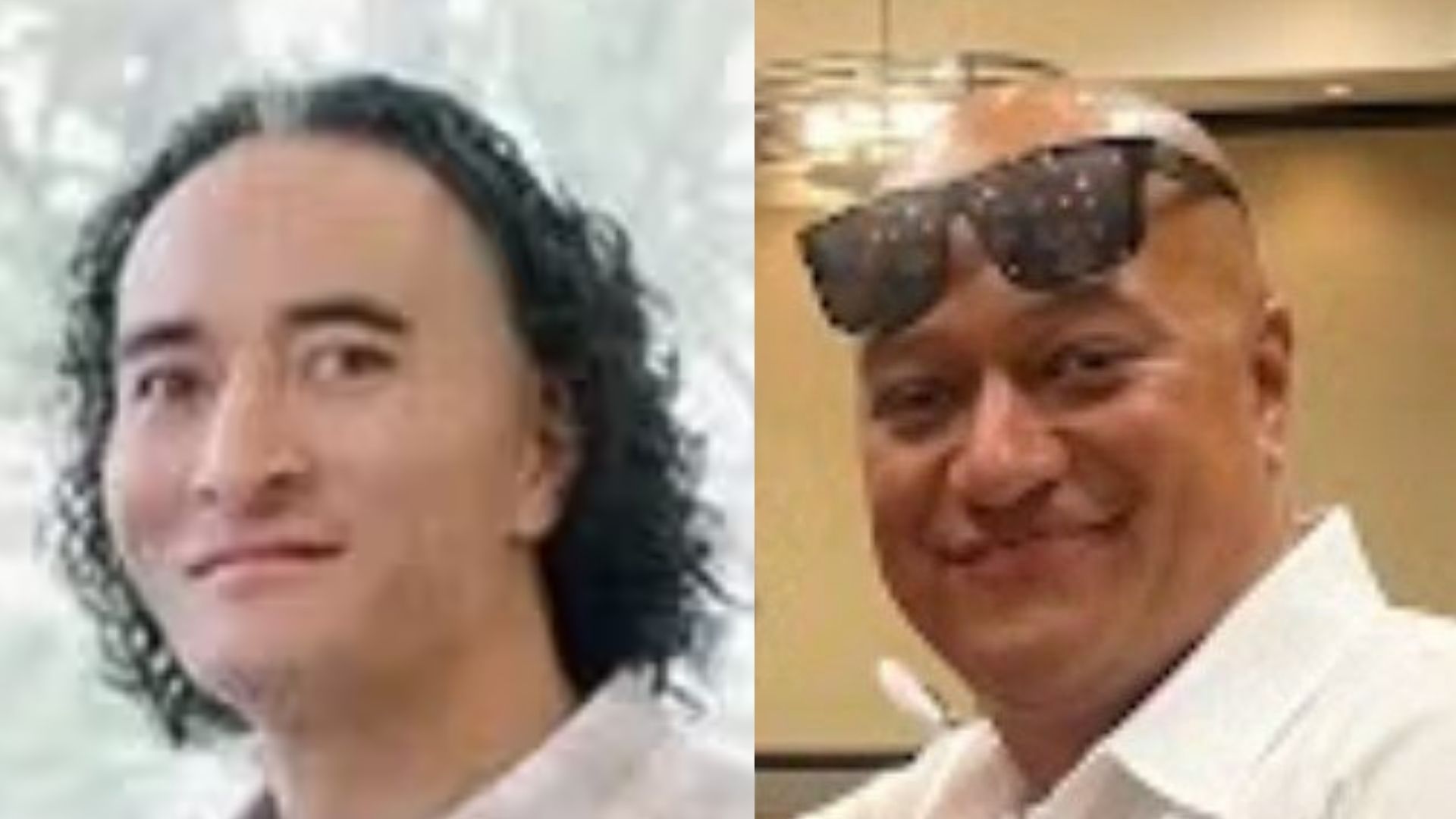
Father of 12 children, Vaea Tuilikihihifo, left, and Sione Leonaitasi Vatuvei, a father of a 16-month-old son were gunned down in Salt Lake City, Utah, in January this year. Photo/Supplied
Wolfgramm says previous incidents have also led to Tongans being collectively blamed for violence.
“And I just felt it was very unfair because Palagi commit violence all the time, all the time.”
He says Tongan people should be able to confront the violence while remaining proud of who they are.
“We can be horrified about what happened and we can condemn the violence that happened. But at the same time, we can still maintain our Tonganness and be immensely proud to be Tongan.”
That call for reflection is also being echoed by Tongan community leaders in Utah.
Ivoni Nash, president of the National Tongan American Society, says the shooting has shocked an older generation that grew up with different ways of resolving conflict.
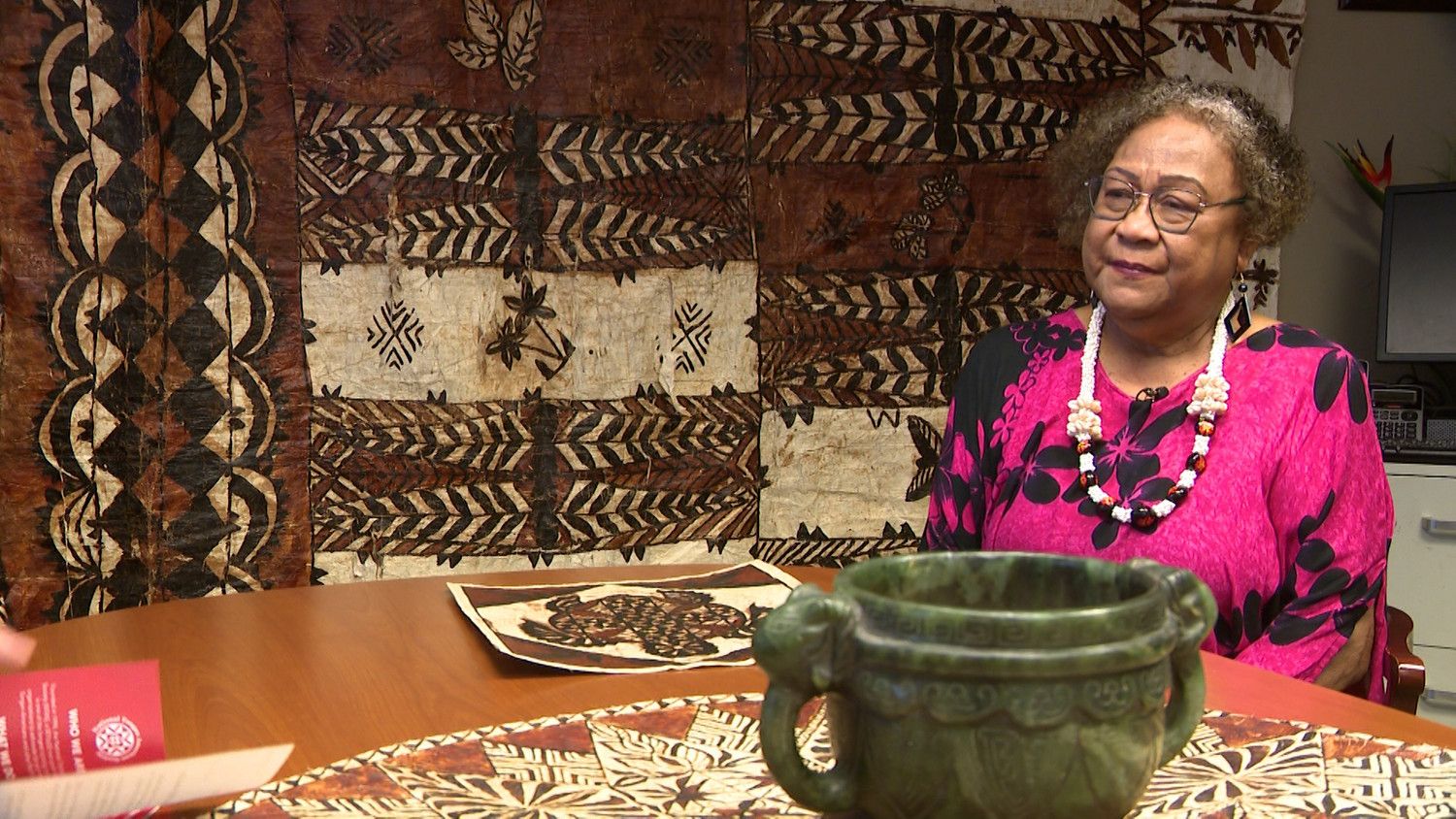
Ivoni Nash, president of the National Tongan American Society, says the shooting has shocked the Tongan community in Utah and the older generation in particular. Photo/KSL/screengrab
“It is really, really sad that it happened that way, which to us, the older generation, it shocked us because we don't believe in settling (things) like that," she told local media group KSL.
As an educator, Wolfgramm says he is also seeing the impact of trauma on Tongan families and young people growing up away from Tonga.
He believes some families are carrying trauma across generations without having the support or tools to deal with it.
“I feel like we as Tongan people and even people in Tonga, we still don't have the tools.”
Wolfgramm says culturally grounded counselling and therapy could play an important role.
“If we can find a way to provide therapy to our people that is very culturally rooted and culturally based, I think that can be such a big asset to Tongan people everywhere.”
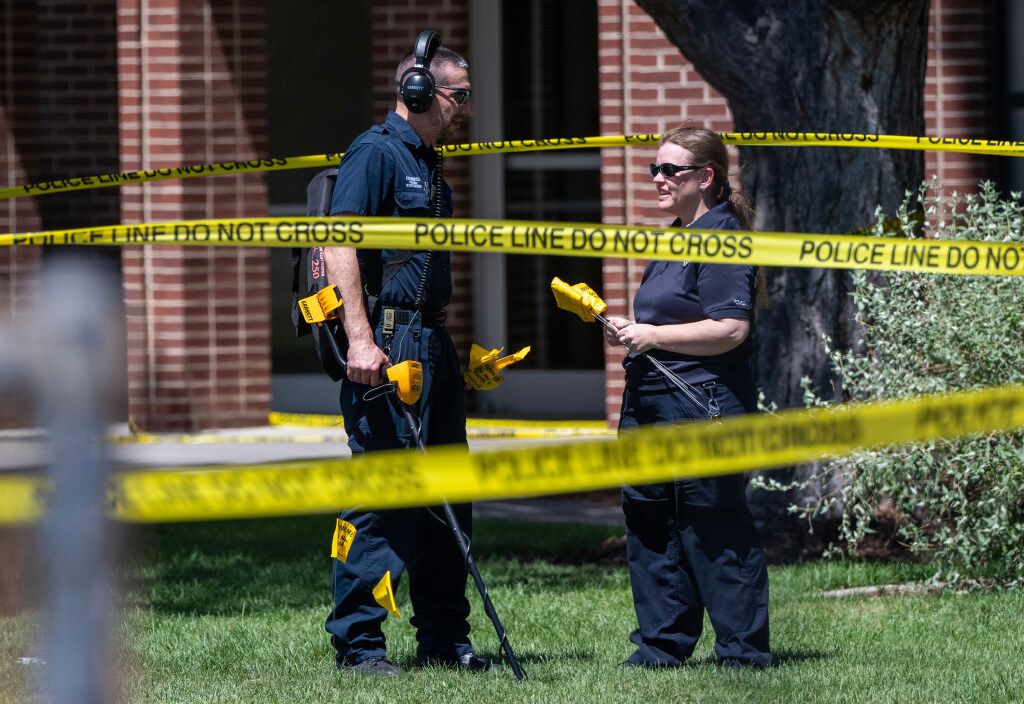
Police officers investigate the fatal shooting outside an LDS meetinghouse in Kearns, Utah, where one person was killed and two others were critically injured. Photo/KSL
He says the answer is not to turn away from Tongan culture but to draw on it.
“Our solutions are already there in the culture. We need to look into that and we need to go back to that and we need to implement that more in the way that we live our lives throughout the globe.”
For Wolfgramm, that starts with kindness and a stronger sense of connection across the Tongan diaspora. “I’m gonna say we need to be kinder to each other.”
He says the wider community should use the tragedy to reflect on how Tongan values can help families navigate life overseas.
“Instead of saying, oh, what's wrong with that community over there? I think we need to embrace each other and lean into each other.”