Tongan workers in line for jobs as FIFA-backed soccer turf takes shape
Elton Lonaratha JnrThu, 08 Oct
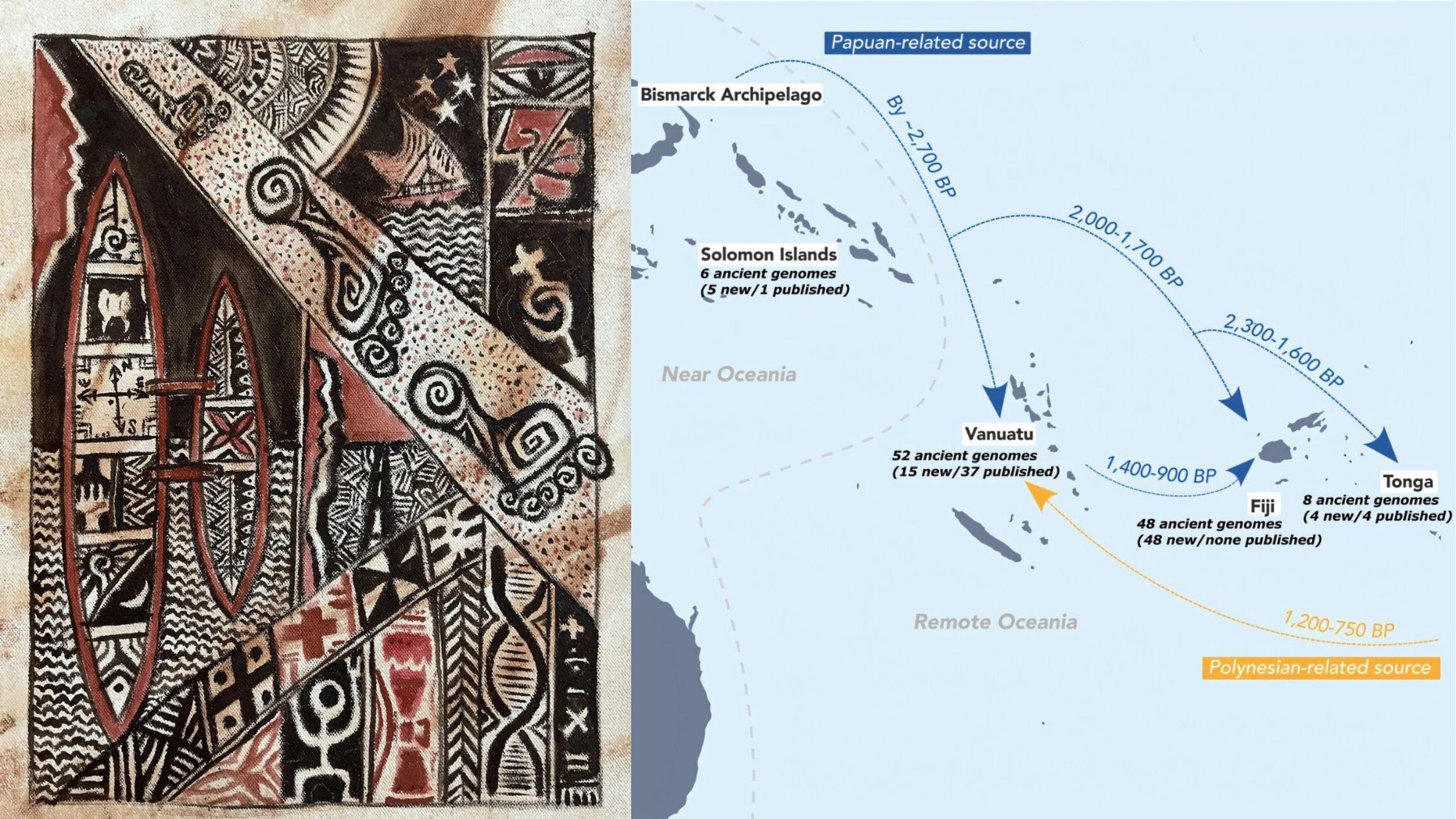
Ancient DNA from 72 people is helping researchers trace how different waves of migration shaped the Pacific over the past 3000 years.
Photo/phys.org
New research using 72 ancient genomes gives a clearer picture of how people moved through Vanuatu, Fiji and Tonga over the past 3000 years.



For thousands of years, people have been crossing huge stretches of the Pacific creating connections between islands that are now separated by hundreds or even thousands of kilometres.
Now, ancient DNA from 72 people is giving researchers a clearer picture of how those journeys unfolded.
This includes why one major migration wave reached Fiji centuries after another had already spread through the region.
The findings add to growing genetic evidence that Pacific settlement was not simply about people moving from one island to another.
Earlier research published by PMN News showed that Pacific voyagers also carried pigs and other parts of their food systems as they settled new islands, highlighting the planning and adaptation involved in life across the ocean.
An international team led by researchers at the University of Tübingen analysed human remains from across western Remote Oceania, covering the past 3000 years.
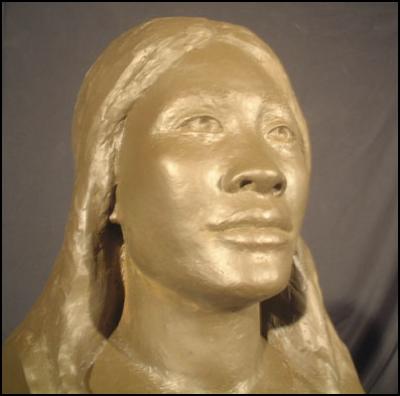
Mana, the 3000-year-old woman from Fiji, is considered one of the earliest known people to have lived in the islands. Her reconstructed face was unveiled by the University of the South Pacific in 2005. Photo/USP
The study, published in Cell, helps map the movement of people linked to Southeast Asia and later migrations connected to Papuan populations.
The researchers say the first people reached Vanuatu, Fiji and Tonga about 3000 years ago as part of one of the great movements of people across the open ocean.
“People first reached this region during one of the greatest human expansions into the open ocean, which began in Southeast Asia around 5000 years ago, reaching the previously uninhabited archipelagos of Vanuatu, Fiji and Tonga as early as 3000 years ago,” Dr Michal Feldman, the study's first author, says.
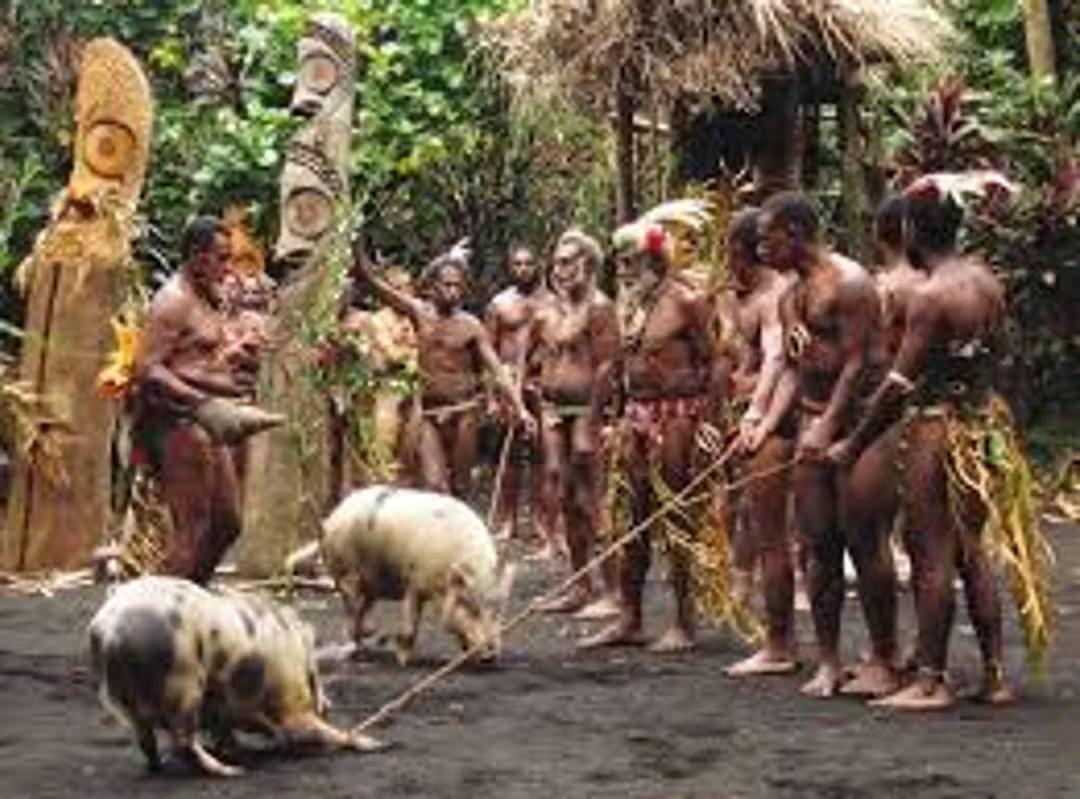
Pacific voyagers carried pigs and other parts of their food systems as they settled new islands, with ancient DNA helping researchers trace the movement of people and animals across the ocean. Photo/UNESCO
But the story did not end with those first settlers.
Most people living across the region today have ancestry linked to both Southeast Asian and Papuan populations. Until now, researchers had a much less complete picture of when and how those later movements reached islands further east.
Fiji is particularly important because it sits along the route between Vanuatu and the wider Pacific.
“Based on genetic admixture dating, we were able to determine that the Southeast Asian-related early dispersal spread faster than the Papuan-related wave,” Professor Cosimo Posth, who led the study, says.
While Papuan-related ancestry can be traced in Vanuatu to about 2700 years ago, the researchers found it took another 500 years or so before that ancestry appeared in Fiji.
“Later, a second wave of Papuan ancestry reached Fiji,” Posth says.

Vanuatu, Fiji and Tonga are part of western Remote Oceania, a region shaped by thousands of years of migration, exchange and connections between island communities. Photo/Global Environment Facility (GEF)
The findings suggest those movements were not one-way journeys. People were moving between island groups and forming connections across western remote Oceania.
That picture of a connected Pacific also echoes the work of I-Tungaru researcher Dr Amota Ataneka, who has written separately about Pacific wayfinding, identity and the connections created across the ocean.
"Indigenous navigation was not simply instinct, mythology or folklore. It was a complex body of knowledge that people worked seriously to study, test, understand and preserve," he said.
“Our ocean connected us long before outsiders divided us into Polynesia, Micronesia and Melanesia.
"This is not a competition between Pacific peoples. It is about dismantling foreign labels that have encouraged unnecessary divisions, tensions and competition among people who have always been connected by the same ocean."
The study also provides new evidence about Polynesian communities in southern Vanuatu whose languages and cultures are Polynesian despite being outside the main Polynesian Triangle.

I-Tungaru researcher Dr Amota Ataneka has written about the deep knowledge behind Pacific voyaging and the connections that linked island communities long before modern borders and regional labels. Photo/devpolicy.org
“Polynesians who traveled across the sea gave rise to the Polynesian outlier communities in southern Vanuatu. We find direct evidence of this migration around 1000 years ago,” Posth says.
Researchers also looked closely at a Fijian community dating back about 1500 years.
By combining DNA evidence with burial findings, they reconstructed a family tree covering five generations and found differences in ancestry within the community.
“This community experienced recent Papuan-related admixture, but this ancestry was unevenly distributed within the community,” Feldman says.
The researchers say the findings offer a rare glimpse into how migration, family ties and social practices shaped early Pacific communities.
Ataneka has also written separately about the depth of knowledge behind Pacific voyaging, challenging the idea that traditional navigation was simply folklore.
“Indigenous navigation was not simply instinct, mythology or folklore. It was a complex body of knowledge that people worked seriously to study, test, understand and preserve,” Ataneka said.
“Overall, the new study outlines the major migrations involved in the settlement of western Remote Oceania,” Posth says.
“It also provides new insights into the complex interactions between human migration and social structures in early island societies.”
The research adds to a growing body of ancient DNA work challenging simple accounts of how the Pacific was settled, showing instead a region shaped by multiple journeys, connections and movements between island communities.