Fiji's army chief warns the gun must never overrule the ballot
Christine RovoiMon, 12 Oct
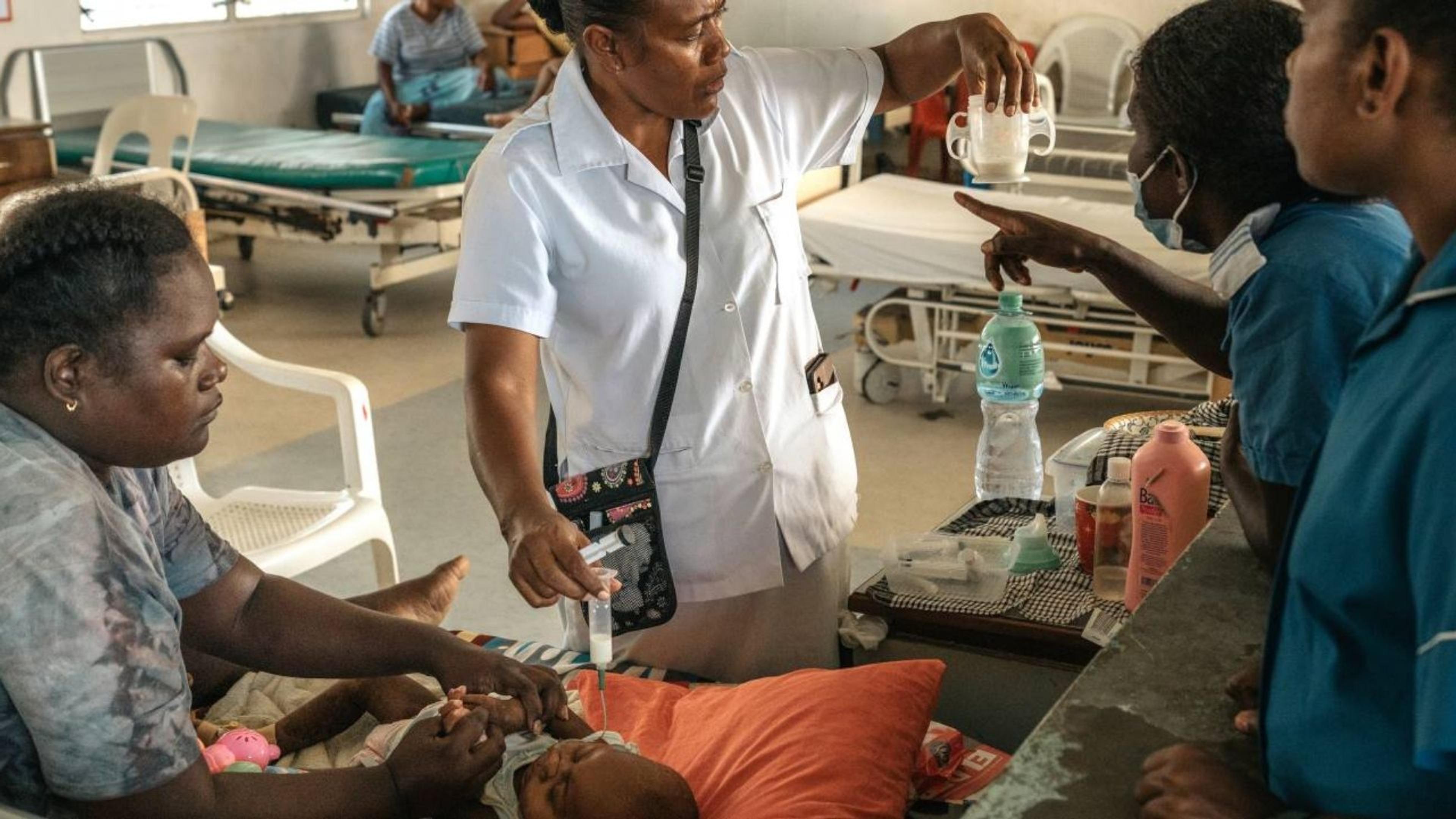
Nurses attend to a patient at a hospital in Solomon Islands. An investigation by the ABC has raised questions about public funding for overseas medical treatment, as ordinary citizens face barriers to accessing specialist care.
Photo/cdcfoundation.org/file
An ABC investigation has raised questions about how taxpayer-funded medical care is approved, as a mother waiting for life-saving heart surgery struggles to raise the money for treatment abroad.

While 30-year-old Anna Bugotu tries to raise nearly AU$35,000 (NZ$43,580) for heart surgery, the Solomon Islands Prime Minister’s Office spent about AU$1.5 million (NZ$1.87 million) on overseas medical care for MPs in 2025.
This is compared with AU$1.2m (NZ$1.49m) set aside for ordinary citizens, according to an ABC Australia investigation.
The figures are at the centre of the network's investigation that raises questions about whether some politicians and well-connected families have received publicly funded treatment without following the usual approval process.
Bugotu, a single mother and legal intern, has rheumatic heart disease. The surgery she needs is not available in Solomon Islands and she has raised only AU$5000 (NZ$6230) towards the cost of treatment overseas.
She is waiting for access to the limited public funding available for citizens needing overseas medical care.
"The ordinary citizens should also be given the opportunity to have access to those medical services," she told the ABC.
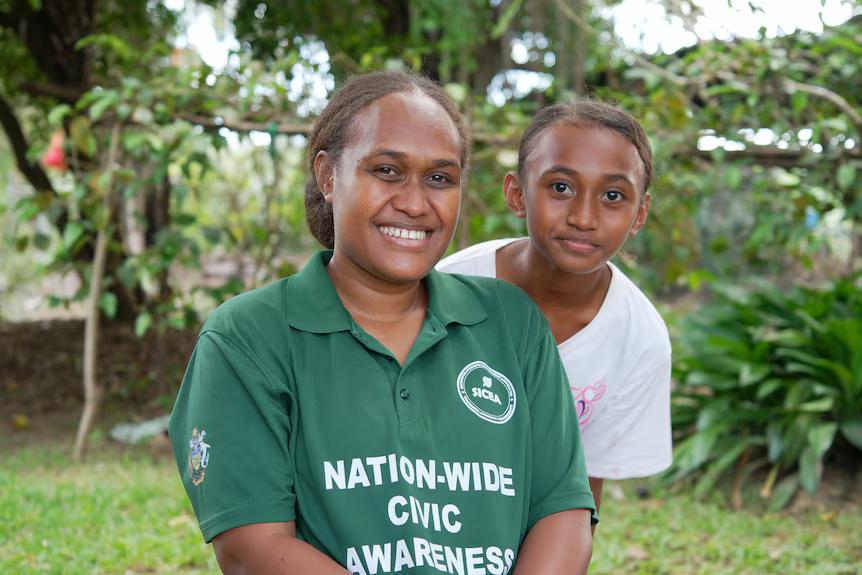
Anna Bugotu and her daughter and carer Tiana: The 30-year-old needs life-saving heart surgery in India to treat rheumatic heart disease. Photo/Supplied
Members of Parliament in the Solomon Islands and their immediate families can receive taxpayer-funded overseas treatment when care is essential and cannot be provided locally.
Under parliamentary rules, referrals must be assessed by a committee of specialist doctors.
But the ABC found evidence that some MPs sought treatment before receiving approval. Medical staff later asked to sign off on cases retrospectively.
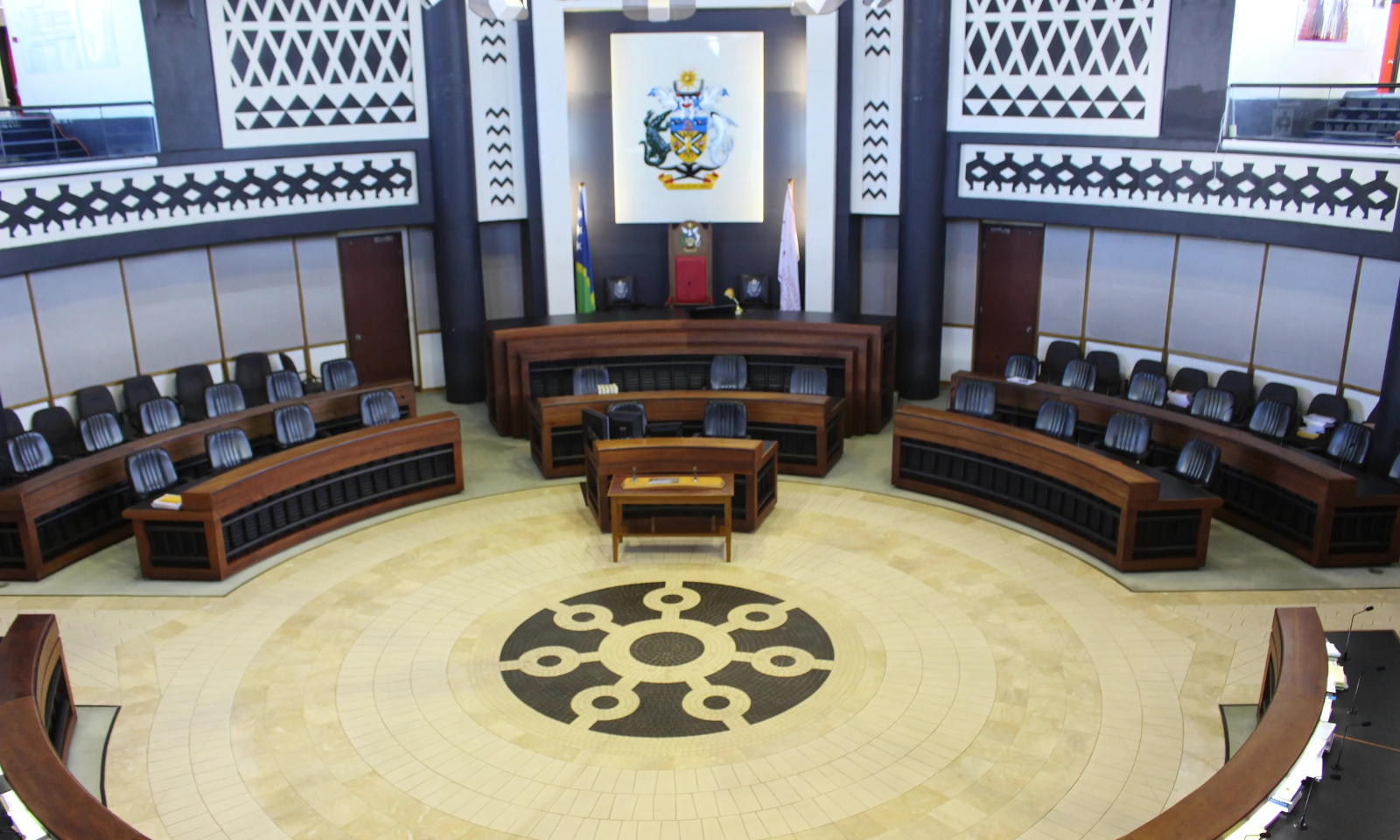
Solomon Islands Parliament: MPs are entitled to taxpayer-funded overseas medical treatment when specialist care is unavailable locally. Photo/National Parliament of Solomon Islands/file
Whistleblowers also said doctors had sometimes felt pressure from politicians to approve overseas referrals.
Dr Titus Nasi, supervising medical superintendent at the National Referral Hospital in Honiara and chairs the Overseas Referral Committee, said seeking funding after treatment had started did not follow policy.
"They meet challenges with funding and then they come back to the committee to seek funding support, which is not as according to the policy."
Parliamentary officials also told the ABC no referrals for MPs had gone through the committee since 2024. Instead, requests were handled through a separate scheme approved and paid directly by the Office of the Prime Minister and Cabinet.
Solomon Islands Attorney-General Gabriel Suri said the alternative was legal. "We have two systems for MPs to use," he said.
The investigation also found evidence that two well-connected families received more than AU$180,000 (NZ$224,140) from a separate pool intended to help ordinary citizens access overseas treatment.
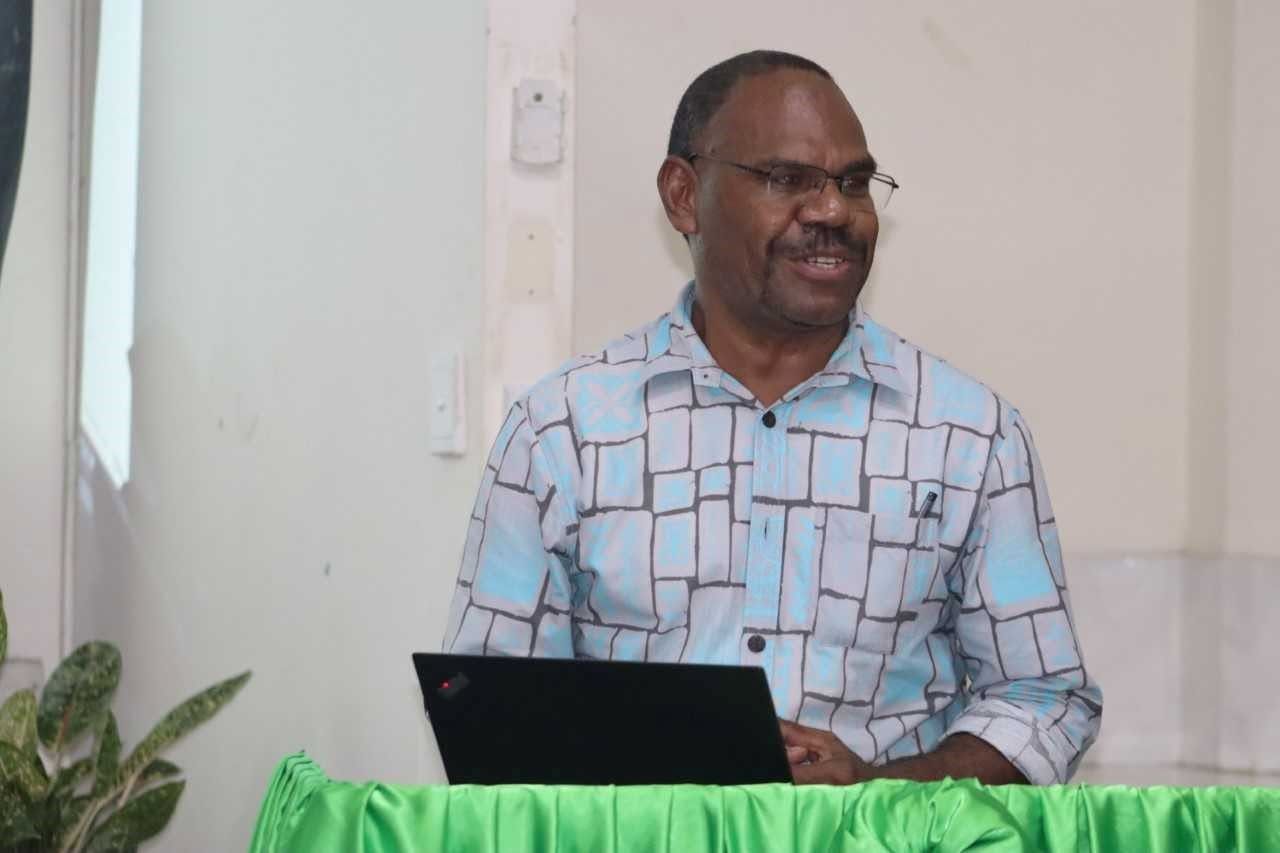
Dr Titus Nasi has raised concerns about the process for approving overseas medical treatment, saying some requests for funding support have been made after patients have already sought care. Photo/Ministry of Health & Medical Services, Solomon Islands
Solomon Islands Prime Minister Matthew Wale acknowledged there were risks in the system when questioned by the ABC.
"I'm not saying it was in the past, but it could be politicised," he said.
Wale said that from 2027, all funding would be channelled through the Parliamentary Entitlements Commission, which operates under stricter legal requirements.
Ruth Liloqula, head of anti-corruption coalition Transparency Solomon Islands, said the use of a separate funding route raised serious concerns about accountability and the risk of political pressure on public servants.
"I think it's very dangerous and very unacceptable," she said.
Liloqula said stronger safeguards could help ensure public money was used fairly and more citizens could access overseas care.
"We are not saying that [MPs] should not have services, but... they should make sure whatever services they want are as good as those provided to the people of Solomon Islands," she said.
Bugotu is still waiting for the surgery she needs. "[My condition] is already severe," she said. "I miss... just walk[ing] freely without having to rest every single step."
For her, the issue is about more than the money spent. It is about whether ordinary Solomon Islanders have a fair chance of receiving the treatment they need.