
Bledisloe Masterclass: Pacific powerhouses lead All Blacks’ blitz against the Wallabies
Christine RovoiSat, 17 Oct
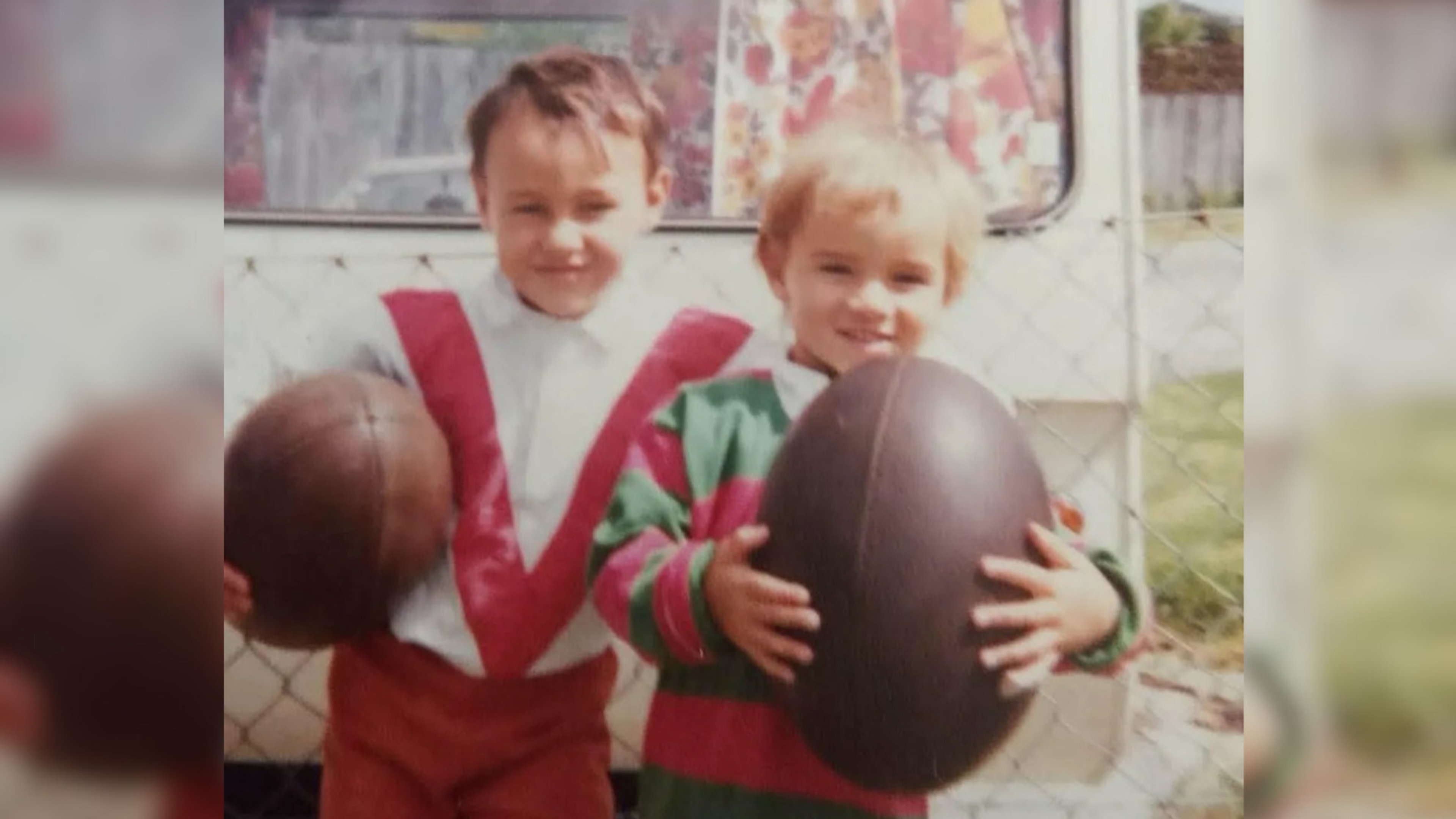
Awen and Dain Guttenbeil, at Grandma’s house in Portland, Whangārei. Photo/Supplied
Photo/Supplied
With 96 per cent of people receiving rheumatic fever preventive treatment being Māori or Pacific, new research is challenging a health system that expects patients to fit around care.

It was the morning of school athletics day in Whangārei, and nine-year-old Awen Guttenbeil woke up feeling sick.
The boy, who has family links to Vava’u (Tonga) and Ngāpuhi (New Zealand), should have been getting ready to compete.
Instead, he could barely make his way to the kitchen.
“I remember having no energy, dragging myself along the hallway at home,” he says.
“They rushed me into hospital and it took about a week to find out what was wrong … they eventually found that it was rheumatic fever.”
What followed was a decade of monthly penicillin injections, intended to stop rheumatic fever returning and causing further damage to his heart.
At Kelston Boys’ High School, there was a school nurse to give him his injections.
“There was three or four of us kids … and we’d all line up to go into the nurse’s room to get the injection on the same day, and have sore bums afterwards,” he laughs.
The routine worked because the care was where he was.
But at 17, after signing to play professional rugby league, Guttenbeil moved to Sydney.
Suddenly, staying on treatment was his responsibility.
“It was more difficult then because I had to set reminders and then reach out to the doctor, so it was more challenging to keep that cadence going.”
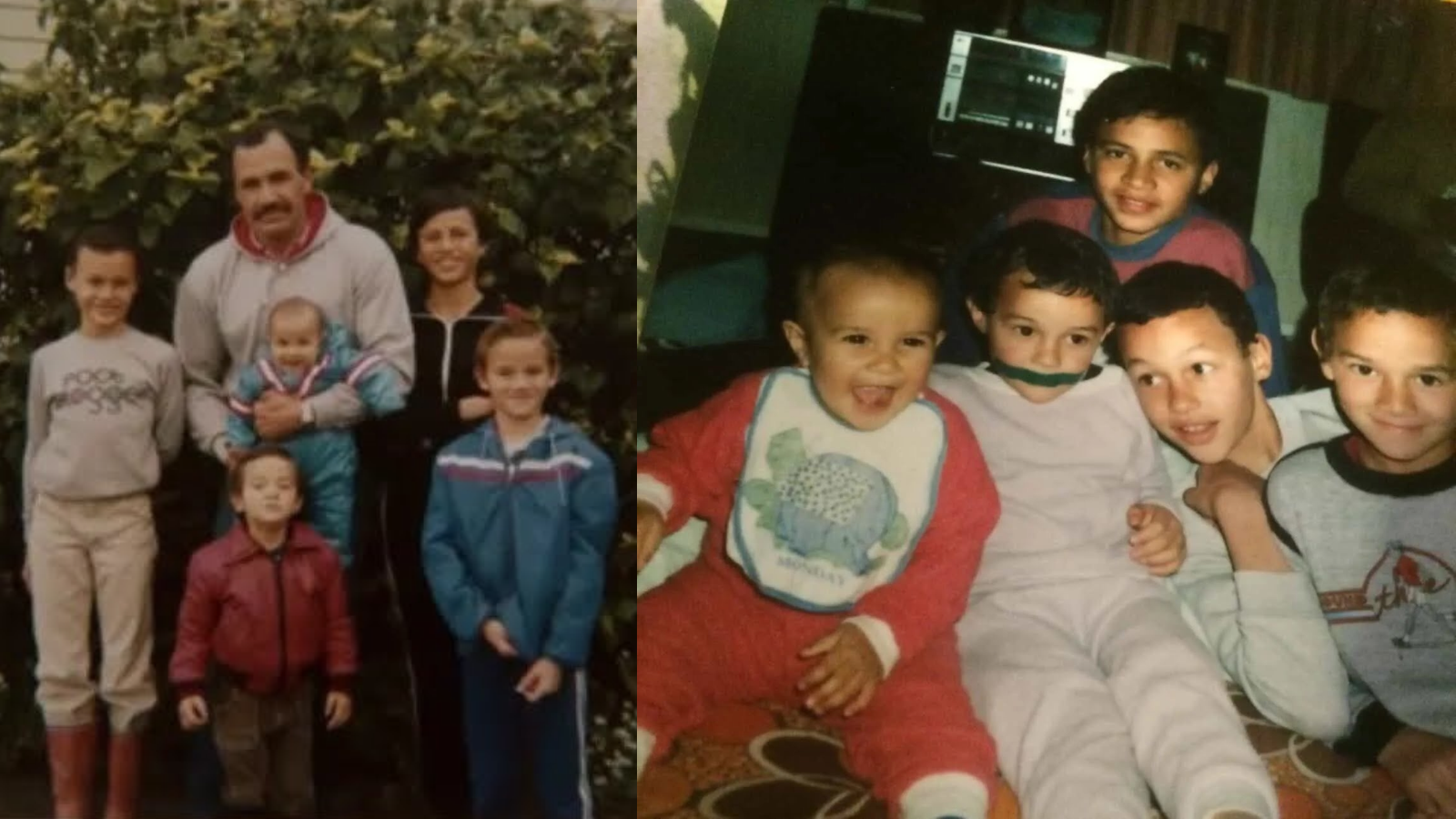
Awen Guttenbeil, left, with siblings Christine, Karl, Jason, Dain and his father Walter, at their family home in Raumanga, Northland. Photo/Supplied
His experience raises a question at the heart of new research: what happens when care fits around patients?
Health New Zealand/Te Whatu Ora says nearly 2000 people are receiving secondary antibiotic prophylaxis for acute rheumatic fever or rheumatic heart disease. Of those, 53 per cent are Pacific and 43 per cent Māori.
Deborah Woodley, Health NZ Director of Starting Well - Planning, Funding and Outcomes, says missed or delayed injections can reflect difficulties accessing appointments, transport and scheduling, competing family, work and school commitments and services that are not always flexible enough.
Associate Professor Anneka Anderson of University of Auckland, who led the Whitia Kia Ora study in Waikato, says the unequal burden cannot be explained by genetics.
“The lazy default is: ‘it’s in our genes’, but actually that's not the case,” she says.
“Accumulation of all these inequities sets whānau up for inequitable exposure to streptococcus, which ultimately leads to rheumatic heart disease.
“This is a disease that's completely preventable, that we shouldn't be seeing in anyone.”
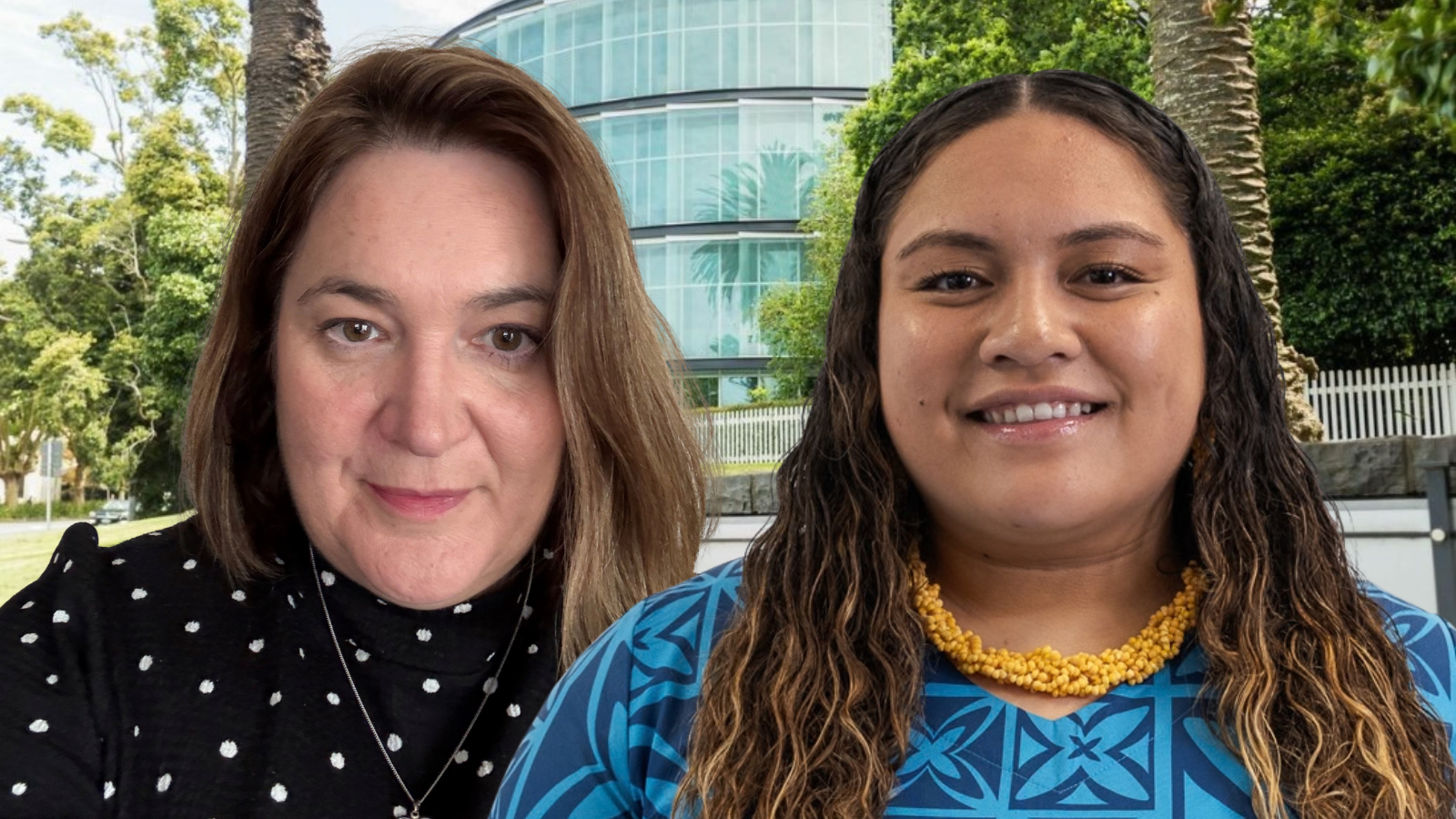
Anneka Anderson and Monleigh Ikiua worked on the Waikato study, developing the Whitia Kia Ora model for culturally-responsive treatment for rheumatic patients. Photo/Supplied/Composite
The seven-part model included whānau navigators, individual healthcare plans, flexible care, transport assistance, and better communication.
Across Hamilton, Ngāruawāhia and Huntly, missed injections among people engaged in the model fell from 13.7 per cent to 5.6 per cent.
University of Auckland researcher Monleigh Ikiua found some young people felt the disease had become part of their identity.
“Some of the youth and their families expressed that they felt like their whole identity was ‘rheumatic fever’, and they felt stigmatised by that.”
For cardiovascular nurse Wiremu Bhana, the issue is personal.
Bhana, who has Ngāpuhi, Ngāti Kahu and Tainui whakapapa, lives with rheumatic heart disease. He developed acute rheumatic fever after a strep infection at 18 and spent the next 10 years receiving penicillin injections.
His local district nurse clinic was two minutes from his Pukekohe home.
That was not the reality for everyone he encountered through his work.
“Others don't have transport, others can't pay for gas … they're not employed.
“Health professionals … don't understand the lived experience of that person they're trying to get hold of. They have no clue what that person's going through … the system's not designed to hold those people or to track those people down.”
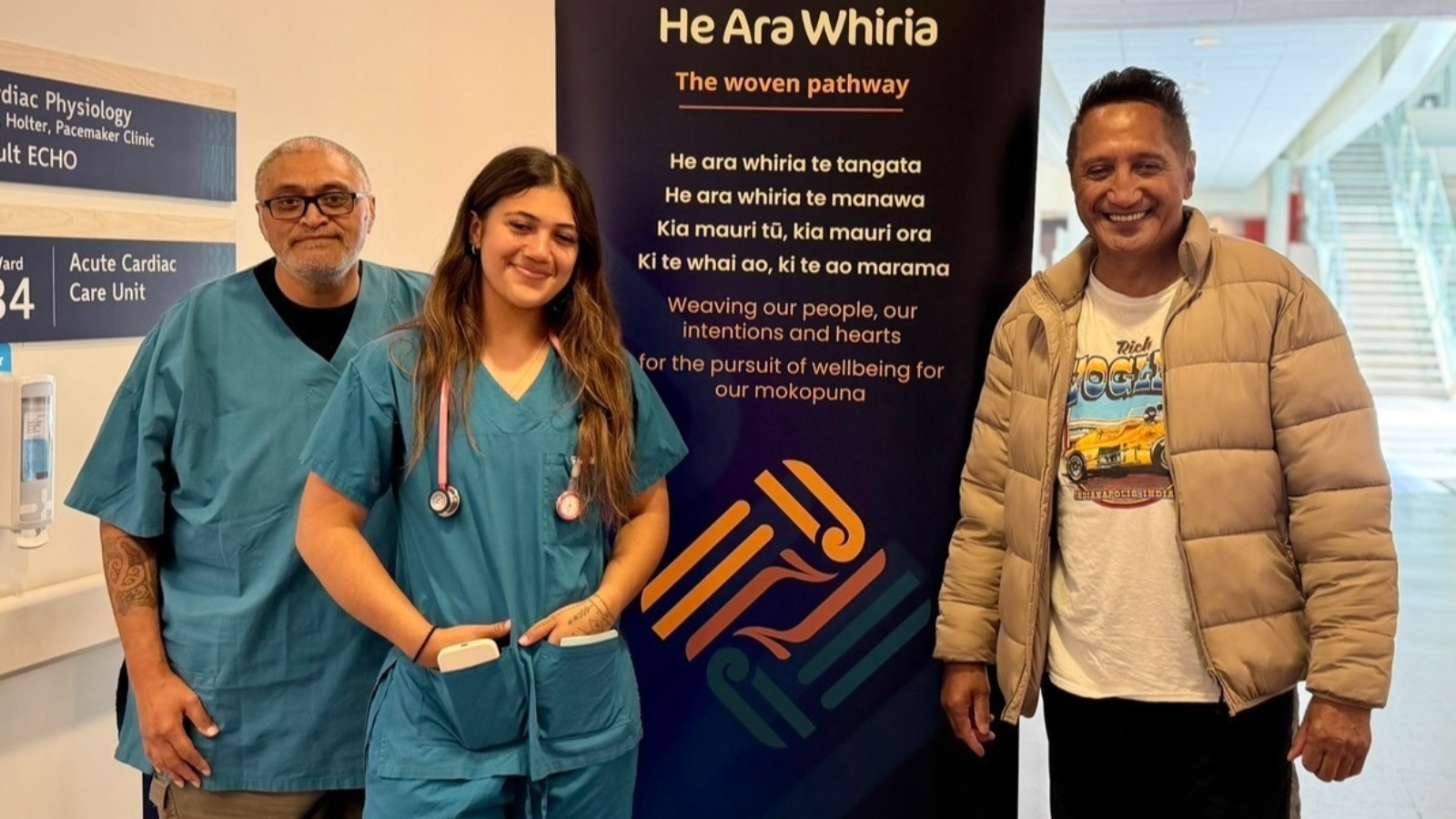
Willy Bhana, left, had treatment for rheumatic heart disease, and says culturally-responsive care can improve outcomes for patients. Photo/Supplied
Bhana says one of the biggest gaps is that different parts of the health system still “work in silos”, making it harder for patients and whānau to move between services and stay connected to appropriate care.
Health NZ says 77 per cent of people receiving prophylaxis through secondary prevention services in August received their injection before or within three days of the due date.
That means about one in four did not.
Associate Health Minister and ACT Party leader David Seymour says the fact 96 per cent of people receiving the treatment are Māori or Pacific is a “staggering figure”.
He says the Government has a role to play through housing measures that could help prevent rheumatic fever, as well as improving access to treatment.
“Clearly there's a problem with appointments and coordination. For whatever reason, people aren't showing up.”
He says he does not support different treatment or funding due to ethnicity, but accepts services can be delivered in ways that work for particular communities.
“Why wouldn't it fund people to get services on terms that they like?”
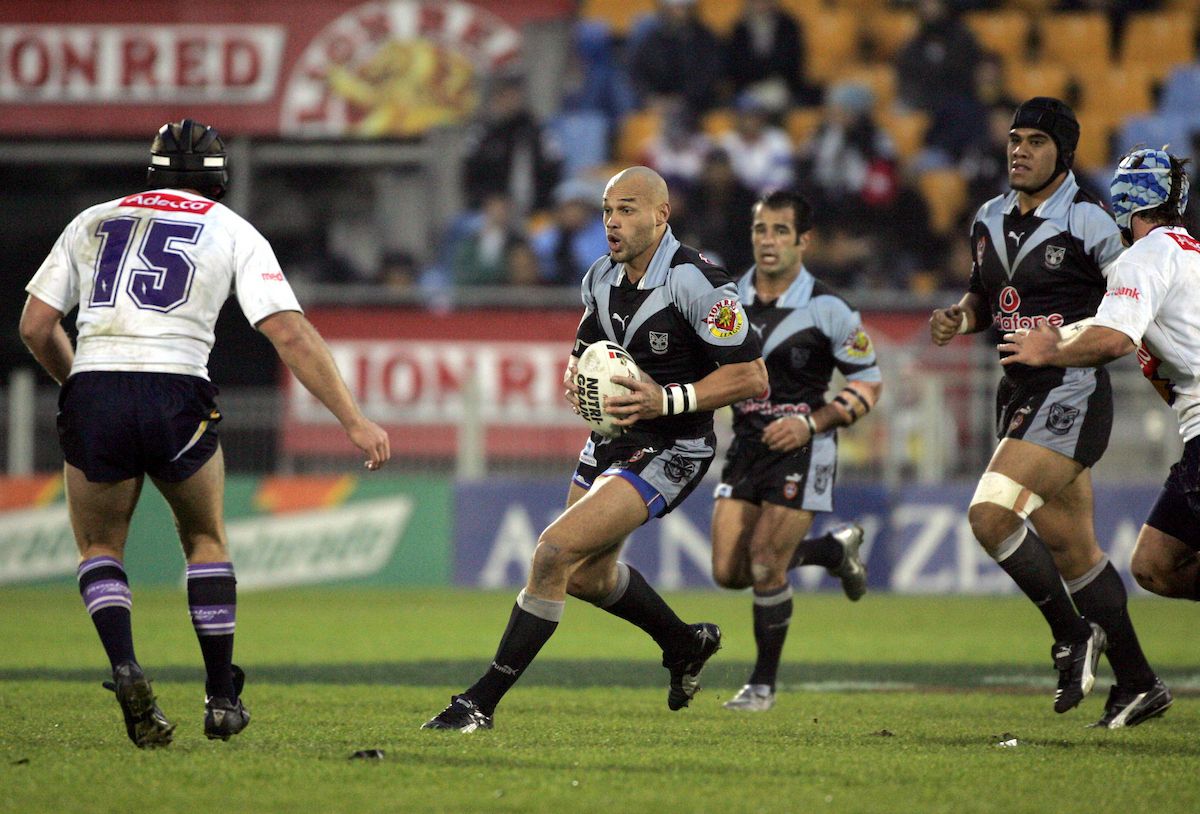
Awen Guttenbiel in action with the Warriors against the Melbourne Storm in 2005. Photo/Photosport/Andrew Cornaga
Health NZ says it is working with providers to improve accessible and culturally safe care, but has not committed to rolling out Whitia Kia Ora nationally.
Bhana says the problem is what happens when those barriers are treated as a failure by the patient.
“And then when they can't make it or they don't engage, it's seen as their fault,” he says. “It's not a Māori or Pacific problem, it's a system problem.”
Guttenbeil continued his injections until about 19.
He did not need heart valve surgery.
He went on to play more than a decade with the New Zealand Warriors.
For him, the treatment that began with a frightening illness at nine became something he carried through school, adolescence and into professional sport.
The new research suggests the answer may not always be asking patients to try harder to fit the system but changing the system so it can meet them where they are.
Watch Anneka Anderson and Monleigh Ikiua's full interview below.