Israel’s Pacific Forum breakthrough triggers political backlash in NZ
Kaya Selby, RNZ Pacific journalistWed, 21 Oct
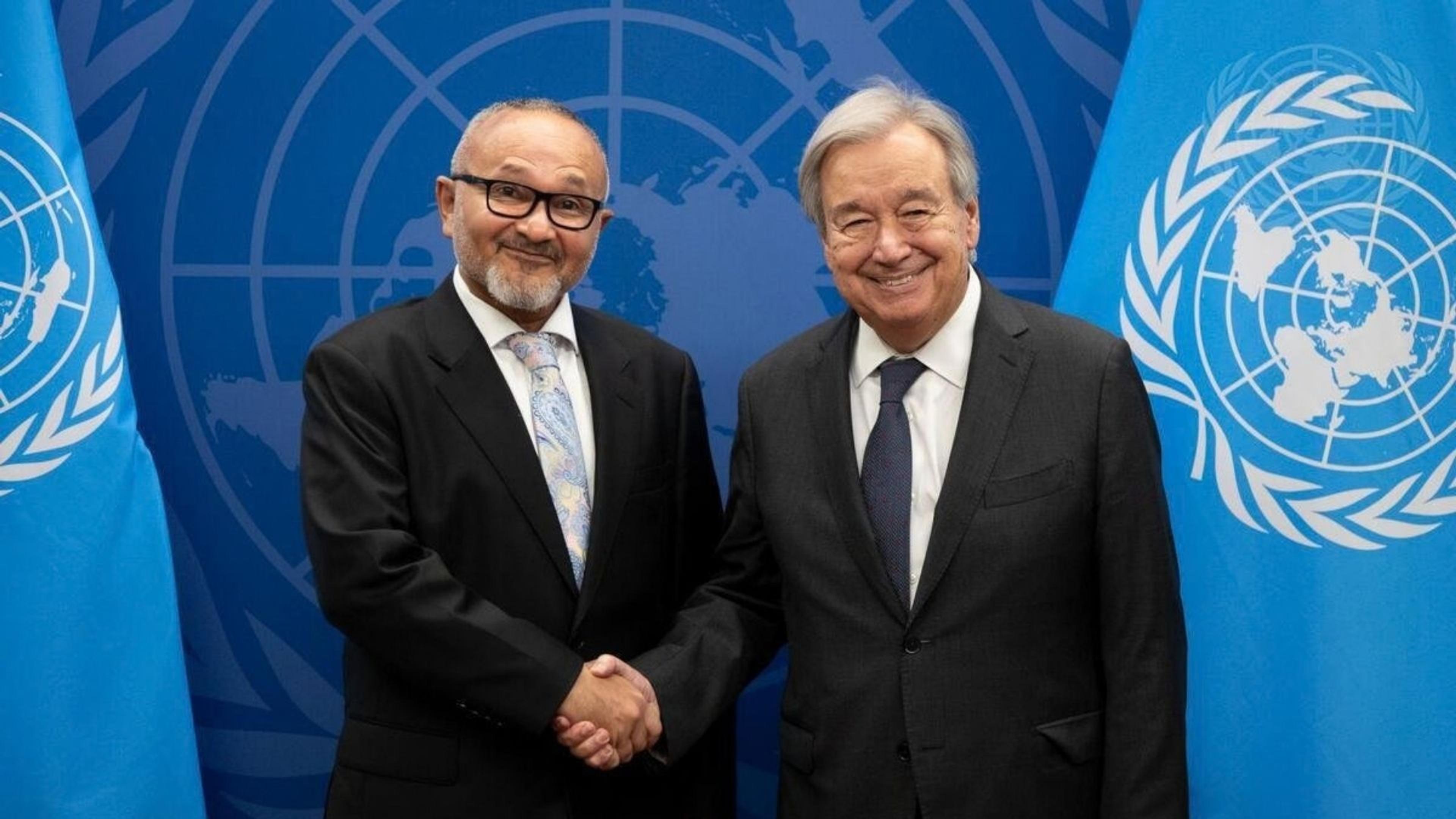
Solomon Islands Prime Minister Matthew Wale, left, with UN Secretary-General António Guterres in New York last week.
Photo/X/UN
United Nations agencies and Pacific countries welcome progress by Honiara but say more work is needed on violence against women, gender equality, and human rights protections.

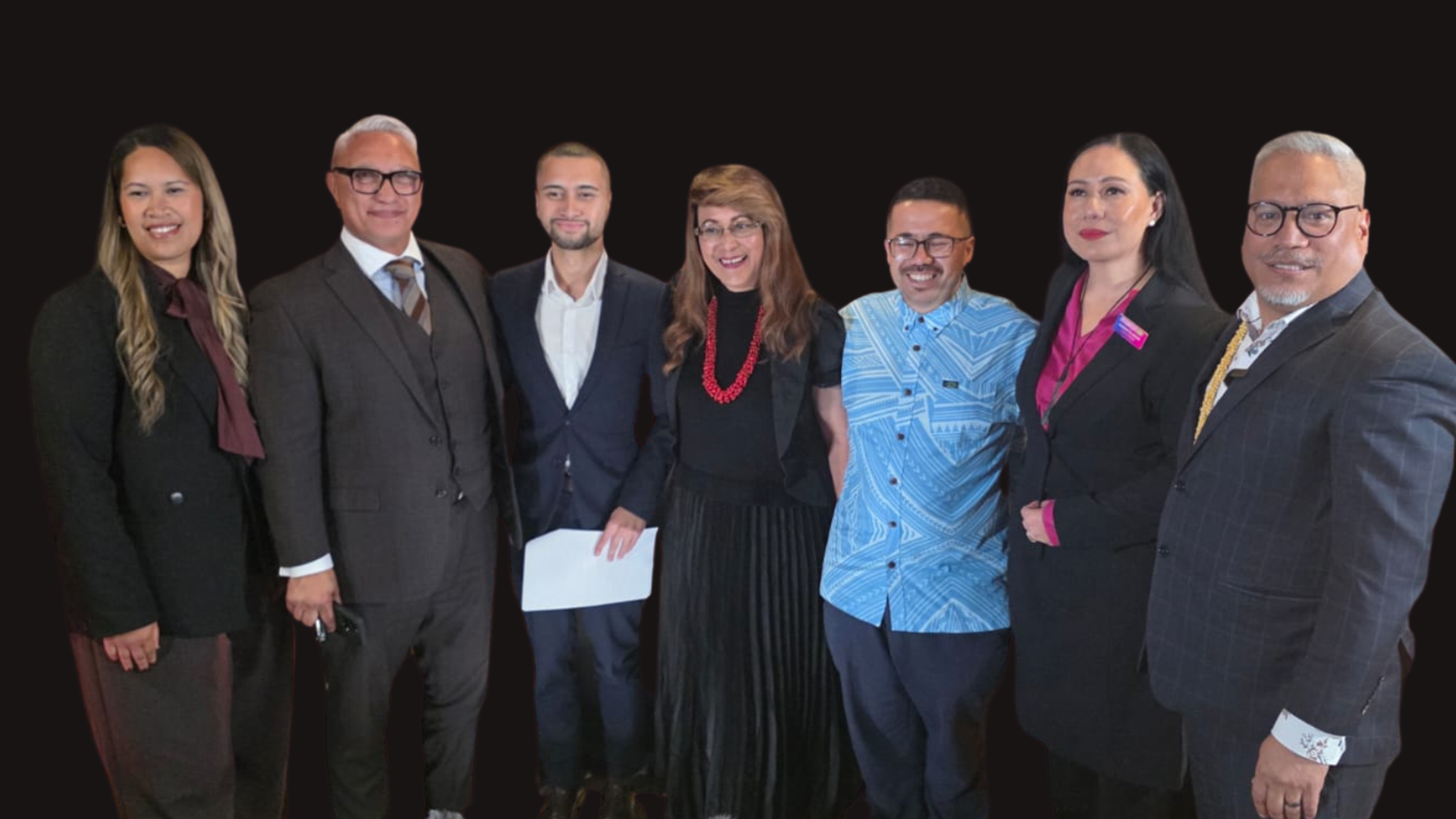
Solomon Islands has supported 140 of 181 recommendations made during its latest United Nations human rights review while noting 41 recommendations covering sensitive social and legal issues.
The recommendations noted include calls to decriminalise consensual same-sex relationships, legalise abortion, and ratify an international protocol aimed at abolishing the death penalty.
The outcome was adopted during the 63rd Session of the UN Human Rights Council in Geneva this week, following Solomon Islands’ fourth Universal Periodic Review (UPR) in May.
Speaking for the Solomon Islands government, Chargé d’Affaires Martin Kwaifono said the decision to note the 41 recommendations should not be seen as a lack of commitment to human rights.
He said the country needed to consider whether it had the resources and capacity to implement additional international commitments.
“Solomon Islands has noted a total of 41 recommendations. However, that shouldn't be construed as a lack of commitment in advancing our human rights obligations.
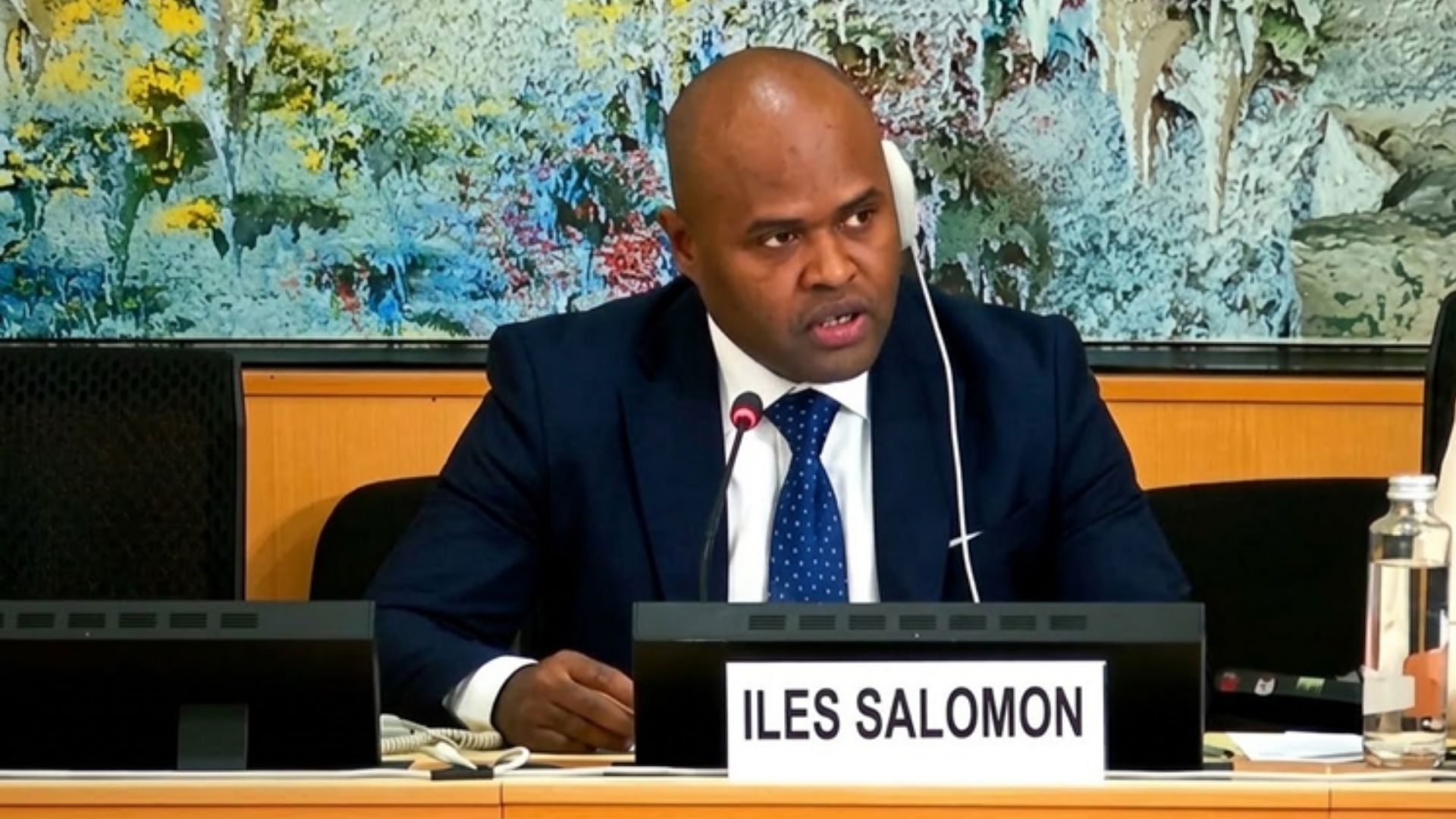
Solomon Islands Chargé d’Affaires Martin Kwaifono speaks during the country’s Universal Periodic Review at the UN Human Rights Council in Geneva. Photo/Solomon Islands government
“It will be very irresponsible of us to ratify, accede to any convention when we do not have the adequate resources or lack the capacity for implementation.”
The government also called for international support and said wider consultation would continue.
“Therefore, we call on our international partners to support us in these endeavors. Essentially, we have noted with great enthusiasm all 41 recommendations, however, we will need a wider consultation among all our relevant authorities and stakeholders going forward.”
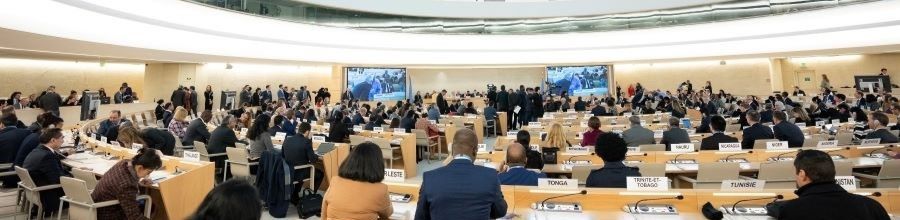
The United Nations Human Rights Council in Geneva where Solomon Islands presented its latest human rights record under the Universal Periodic Review. Photo/UN/OHCHR
As a least developed country and small island developing state, Solomon Islands said adequate resources and implementation capacity must be available before it assumes additional international obligations.
The review also put a spotlight on high levels of violence against women and the low representation of women in political decision-making.
UN Women said it remained concerned about “extremely high rates of violence against women and girls” including risks linked to climate displacement, extractive industries, and technology-facilitated violence.
It also pointed to the low representation of women in politics, saying women hold just eight per cent of parliamentary seats and two per cent of provincial assembly seats.
UN Women encouraged Solomon Islands to strengthen measures supporting women’s political participation and said women’s involvement in humanitarian and climate decision-making was important for building resilience.
The UN Population Fund (UNFPA) also welcomed Solomon Islands’ progress and said it would continue working with the government on gender-based violence, adolescent health, and raising the minimum age of marriage to 18.
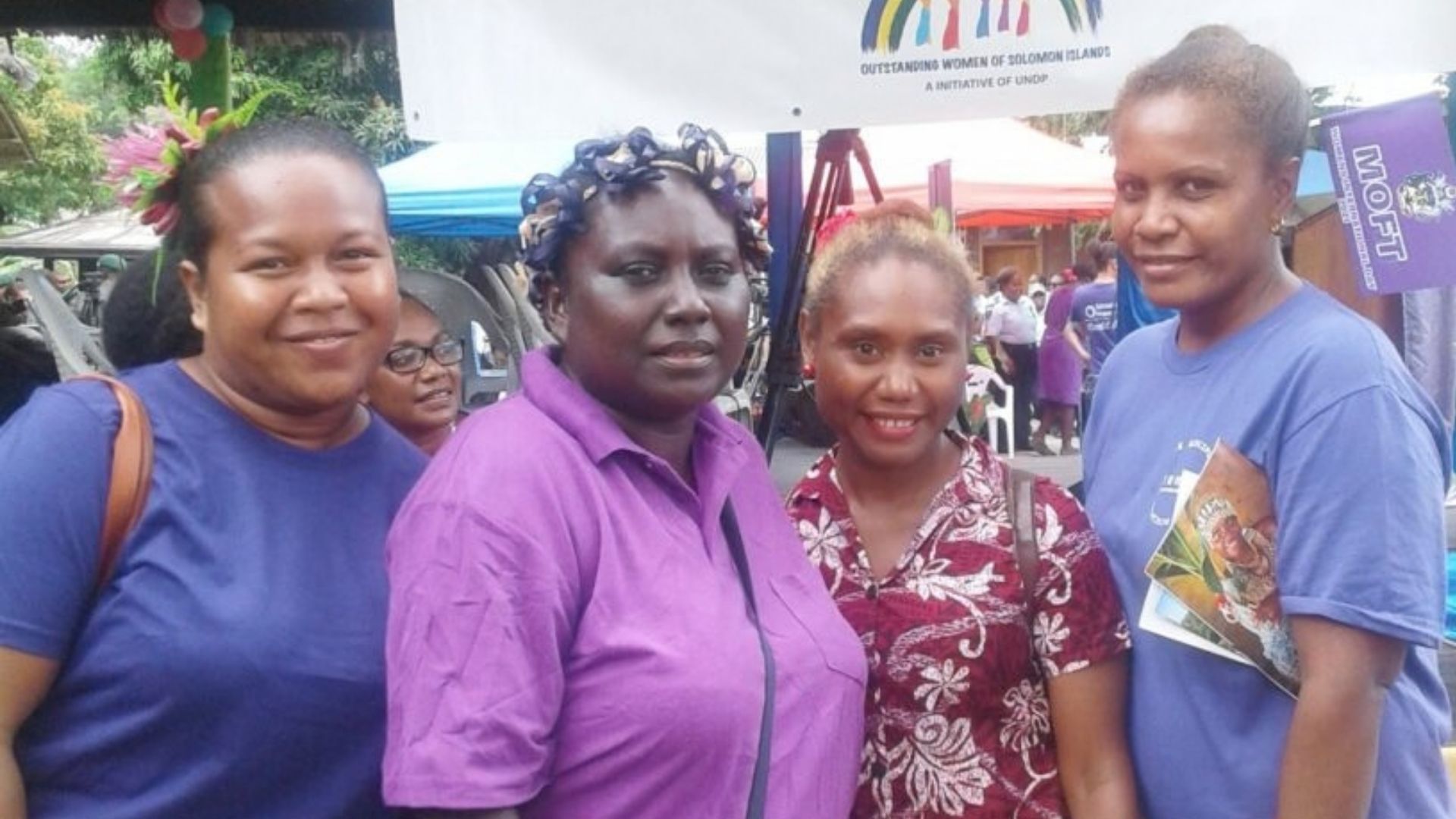
UN Women has raised concerns about violence against women and girls and the low representation of women in political decision-making in Solomon Islands. Photo/Solomon Islands government
Pacific neighbours also recognised the challenges facing Solomon Islands as a small island developing state.
Sāmoa said continued financial and technical assistance was needed to help Solomon Islands meet its human rights obligations while Naoero, formerly Nauru, highlighted the country’s limited capacity and exposure to climate change.
The Solomon Islands government highlighted areas where it said progress was being made including its recent accession to the UN Convention against Transnational Organized Crime, efforts to establish an independent national human rights institution, and plans for universal free education by 2027.
The government said human rights were also being built into wider national priorities including climate resilience, infrastructure, governance reform, disability inclusion, education and health.
It said further consultation with government agencies and other stakeholders would be needed on the recommendations it had noted.
The government also called on international partners for technical assistance and capacity-building.
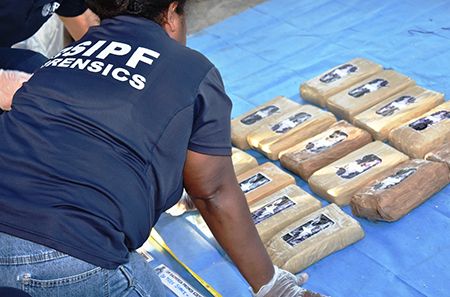
Solomon Islands has highlighted its accession to the UN Convention against Transnational Organized Crime as progress since its previous human rights review. Photo/Interpol
The review also highlighted gaps in Solomon Islands’ participation in major international human rights agreements.
Five core human rights treaties remain unsigned including the International Covenant on Civil and Political Rights, the Convention against Torture and Other Cruel, Inhuman or Degrading Treatment or Punishment, and the Rome Statute of the International Criminal Court.
The Pacific nation has also yet to ratify some International Labour Organisation conventions.
The Solomon Islands delegation reaffirmed that human rights are protected under the Constitution and national laws and said the government remained committed to the principles of universality, indivisibility and interdependence of human rights.
States and other stakeholders also raised concerns about violence against women and the lack of women in political decision-making, putting those issues alongside the wider discussion about the country’s international human rights commitments.
Solomon Islands pointed to some areas where it said progress is being made.
The country has recently acceded to the United Nations Convention against Transnational Organized Crime, which the government said strengthened its efforts to tackle crimes including human trafficking.
It has also reaffirmed plans to establish an independent national human rights institution in line with the Paris Principles.
The government said establishing the institution remained a national priority and that efforts would be accelerated so it is fully functional before the next UPR cycle.
Solomon Islands also linked its human rights commitments to wider development priorities including free education, improved energy and telecommunications, infrastructure, constitutional and governance reforms, mining and financial sector reforms, climate resilience and disability inclusion.
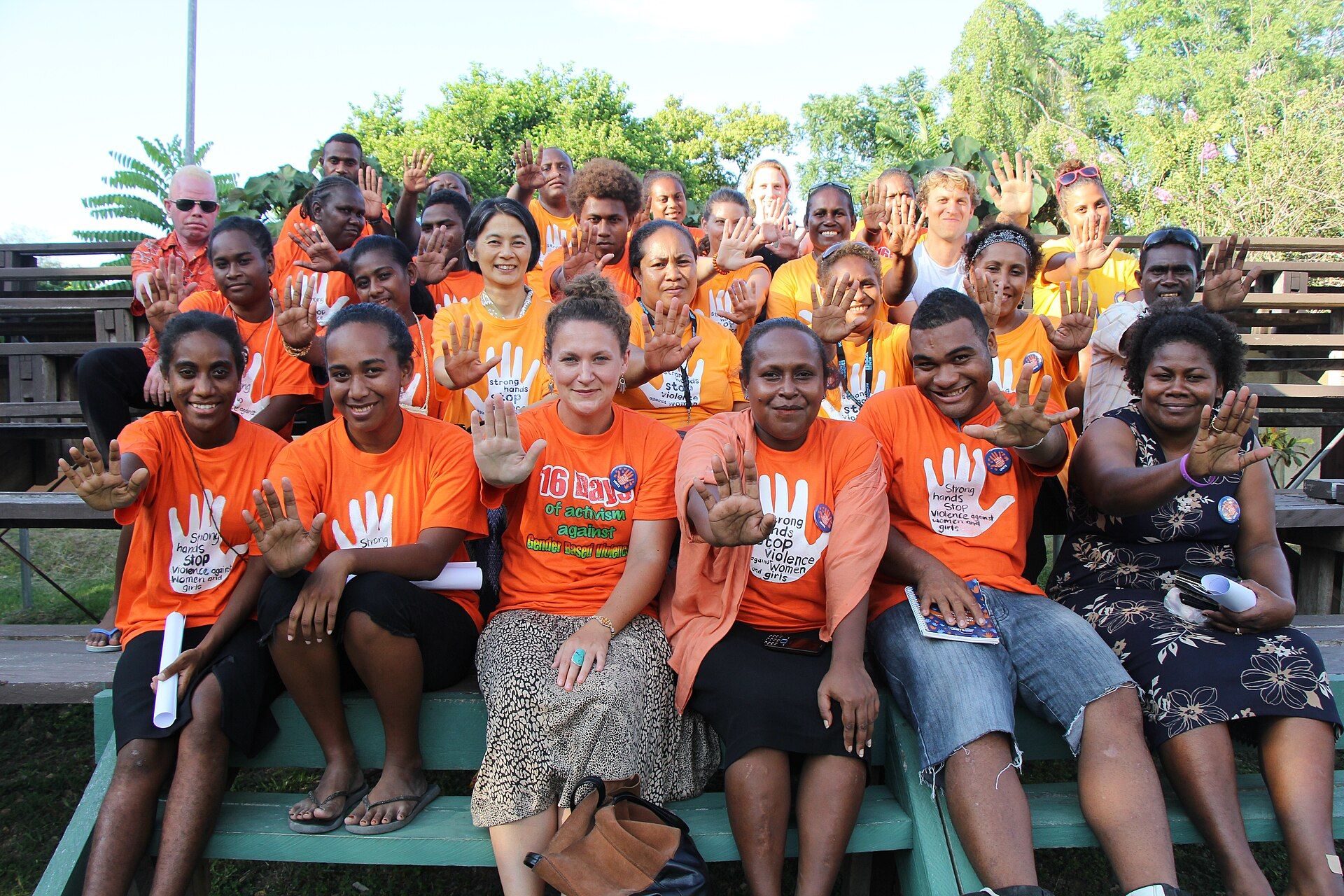
Women in Solomon Islands continue to face high levels of violence, an issue raised during the country’s latest UN human rights review. Photo/UN Women/Marni Gilbert
Kwaifono told the Council the government remained committed to its obligations. “We owe it to our people to do right by them. Their rights and welfare are our responsibility.”
The government said these priorities were part of a wider effort to make sure human rights are included in national development and that no one is left behind.
It said it remained committed to meeting its international human rights obligations and protecting the welfare, dignity and rights of Solomon Islanders.