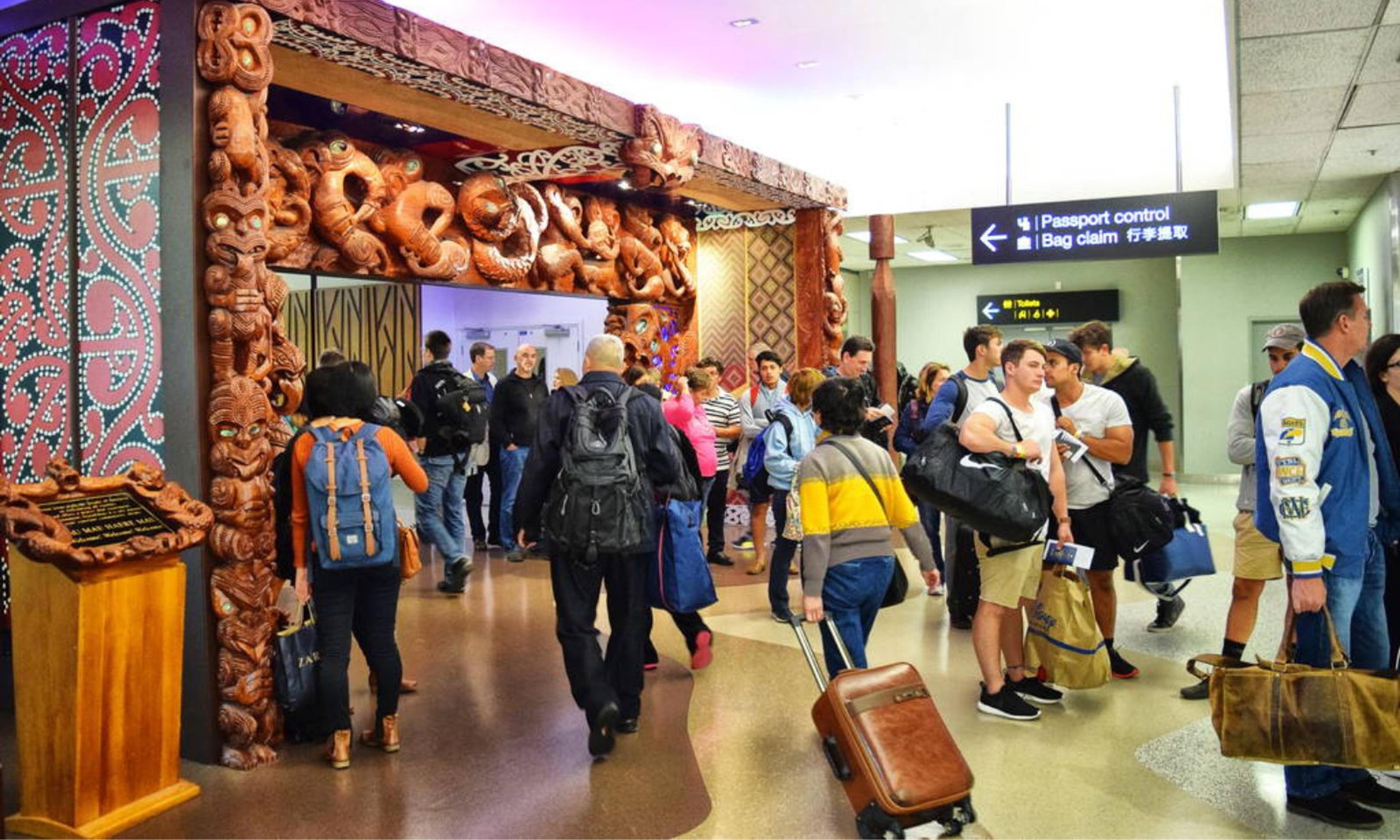
International travel can bring measles into Aotearoa New Zealand, prompting health officials to urge travellers and returning holidaymakers to check their vaccination status.
Photo/NZ Pocket Guide/file
Health
New measles case in NZ puts Pacific vaccination gaps back in spotlight
Health officials are urging people to check their immunity and watch for symptoms as international travel brings fresh risks of the highly contagious illness.

PMN News
Published
12 October 2026, 9:40am
Share
Copy Link
Top stories
Tonga community partnership wins global environmental award
Khalia StrongFri, 09 Oct

From cleaning a home to the Kiwis: Laban’s World Cup call-up
Christine RovoiSat, 10 Oct
Top stories
Tonga community partnership wins global environmental award
Khalia StrongFri, 09 Oct
From cleaning a home to the Kiwis: Laban’s World Cup call-up
Christine RovoiSat, 10 Oct
A measles case linked to international travel has been confirmed in Wellington, prompting public health teams to trace close contacts and identify places where others may have been exposed.
The case, confirmed by Health New Zealand last week, comes as health authorities continue to warn about the risk of measles spreading in Aotearoa New Zealand.
People who visited locations listed on Health New Zealand’s measles exposure page should check the dates and times carefully and follow the advice provided.
Dr Craig Thornley, Medical Officer of Health for the Greater Wellington region, says international travel means measles can arrive at any time.
“With many people travelling or returning from overseas during the school holidays, this case is a timely reminder that measles can be brought into New Zealand at any time.”
He says people should know the symptoms and check whether they are protected.
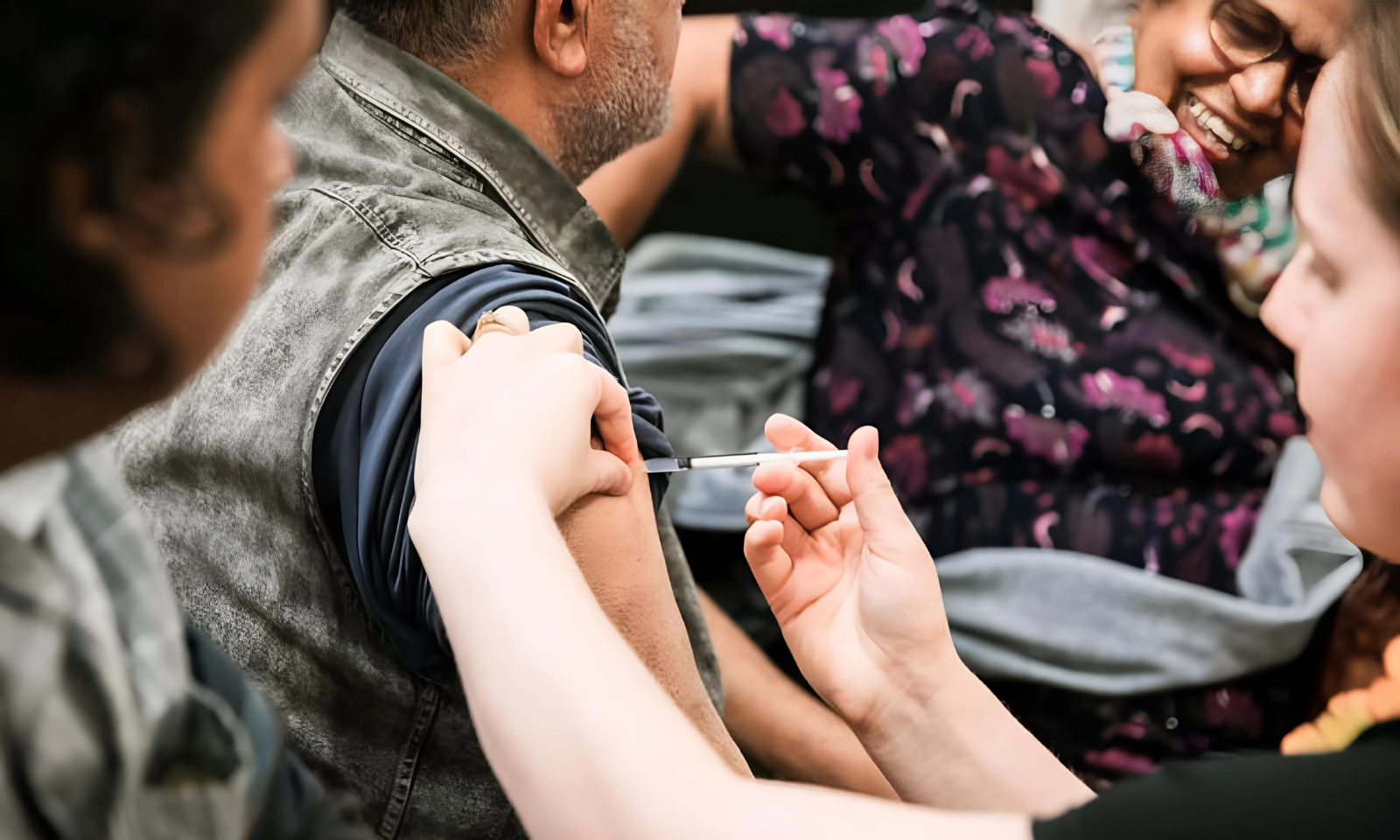
Measles is a highly infectious disease that can cause fever, coughing, red or watery eyes and a rash that usually begins on the face. Two doses of the MMR vaccine offer the best protection. Photo/Ministry for Pacific Peoples
“Measles is a serious and highly infectious illness so we’re asking people to remain vigilant, check the locations of interest and know the symptoms.”
The case is also a reminder for Pacific families to check their vaccination records especially for children who may not have received both doses of the measles, mumps and rubella (MMR) vaccine.
Tongan doctor Dr Saia Ma’u Piukala, World Health Organization Regional Director for the Western Pacific, has warned that even countries that have eliminated measles remain at risk when the virus is brought in from overseas.
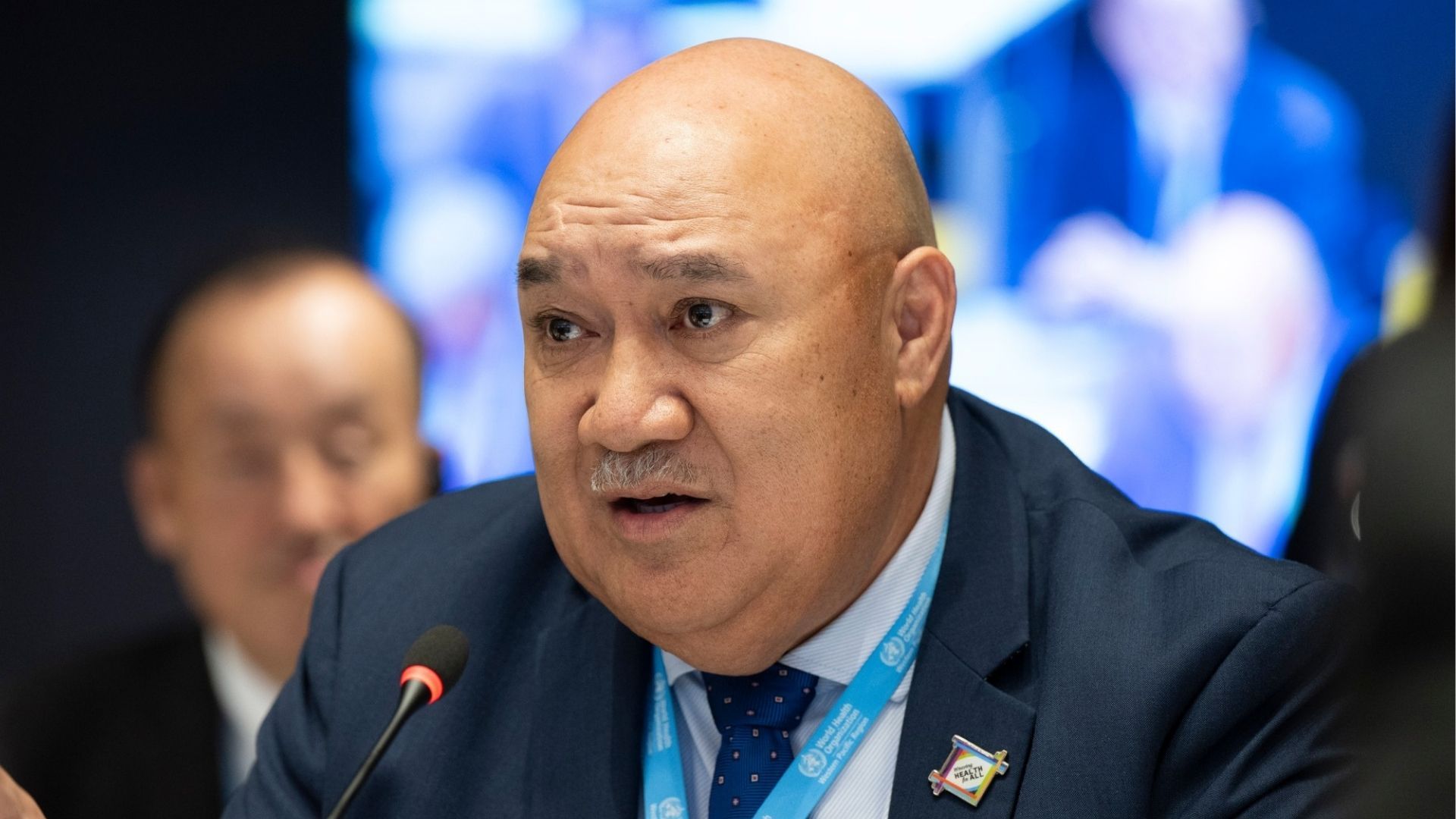
Dr Saia Ma’u Piukala, World Health Organization Regional Director for the Western Pacific, has warned that countries must maintain high measles vaccination coverage and strong systems to detect cases brought in through international travel. Photo/WHO Pacific
“Anytime there’s measles in a community, it is a threat,” Piukala said earlier this year.
“Even countries that have achieved elimination can’t relax. They have to maintain high coverage of measles vaccination and strong systems for picking up cases that get imported through international travel. Without this, measles transmission can become re-established.”
Piukala also warned: “The Western Pacific must not forget the bitter lessons we have learned from previous measles resurgences in the Region.”
The latest figures show progress, but there is still work to do. Health New Zealand reported that 85.6 per cent of Pacific children were fully immunised at 24 months of age in the week ending 14 June 2026, up from 79.8 per cent a year earlier.
That is above the national rate of 83.7 per cent, but below the 95 per cent target for childhood immunisation by age two.
Measles vaccination coverage is particularly important because the virus spreads easily and high levels of immunity help prevent outbreaks.
Know the symptoms
Measles spreads easily through the air and can cause serious illness. Symptoms can include a high fever, cough, runny nose and sore, red or watery eyes, followed by a rash that usually begins on the face and spreads across the body.
Anyone who develops symptoms should stay home and contact Healthline on 0800 611 116 or their usual healthcare provider for advice, even if they have not visited a listed exposure site.
People should phone ahead before visiting a doctor or clinic so staff can take steps to prevent the virus spreading to others.
Two doses of the MMR vaccine, given after 12 months of age, protect about 99 per cent of people against measles. The vaccine is free for everyone under 18 and for eligible adults.
Anyone unsure of their vaccination status should check their records or speak to a healthcare provider.
Health New Zealand says people should continue checking its locations of interest page for updates.