Watching his two grandmothers become hesitant to question their doctors changed the way Kalani Partridge-Fruean saw healthcare.
Photo/Youtube/CMDT
Health
From caring for his grandmothers to changing access to Pacific heart care
Kalani Partridge-Fruean saw his grandmothers struggle to speak up in doctors’ appointments. Now he takes heart checks to Pacific communities.

Thomas Tarurongo Wynne
Published
13 November 2026, 5:22pm
Share
Copy Link
Top stories
Fiji's government defends electoral reforms as Law Society warns of ‘chilling effect’
Christine RovoiThu, 12 Nov
Pacific draws a hard line on 1.5°C and says relocation not an option
PMN NewsThu, 12 Nov
Top stories
Fiji's government defends electoral reforms as Law Society warns of ‘chilling effect’
Christine RovoiThu, 12 Nov
Pacific draws a hard line on 1.5°C and says relocation not an option
PMN NewsThu, 12 Nov
Watching his two grandmothers become hesitant to question their doctors changed the way Kalani Partridge-Fruean saw healthcare.
The Cook Islands and Sāmoan matriarchs had always been strong women but when it came to their health, he saw them hold back.
"Both of my mamas, both of my grandmothers, were very strong women, very much the backbones in our families," he said.
"I saw the way that even as they got older, they still tried to care for everybody else around them, even when they couldn't care for themselves."
Partridge-Fruean, a Pacific biotechnologist and cardiovascular risk assessor with Auckland University of Technology's Sweet Pressure team, says he went with his grandmothers to GP appointments, hospital visits and radiation therapy.
What stayed with him was how difficult it could be for them to speak openly about their care.
Listen to Kalani Partridge-Fruean's full interview below.
"Even my grandmothers, who were both very strong and sometimes very outspoken women, were still afraid to even talk to their doctor, which is the person who's supposed to be your point of contact and point of care for anything that has to do with your health."
One grandmother spent almost two years having her medication changed, sometimes every two months.
"We began to see at home how it was really quickly affecting her body," he says.
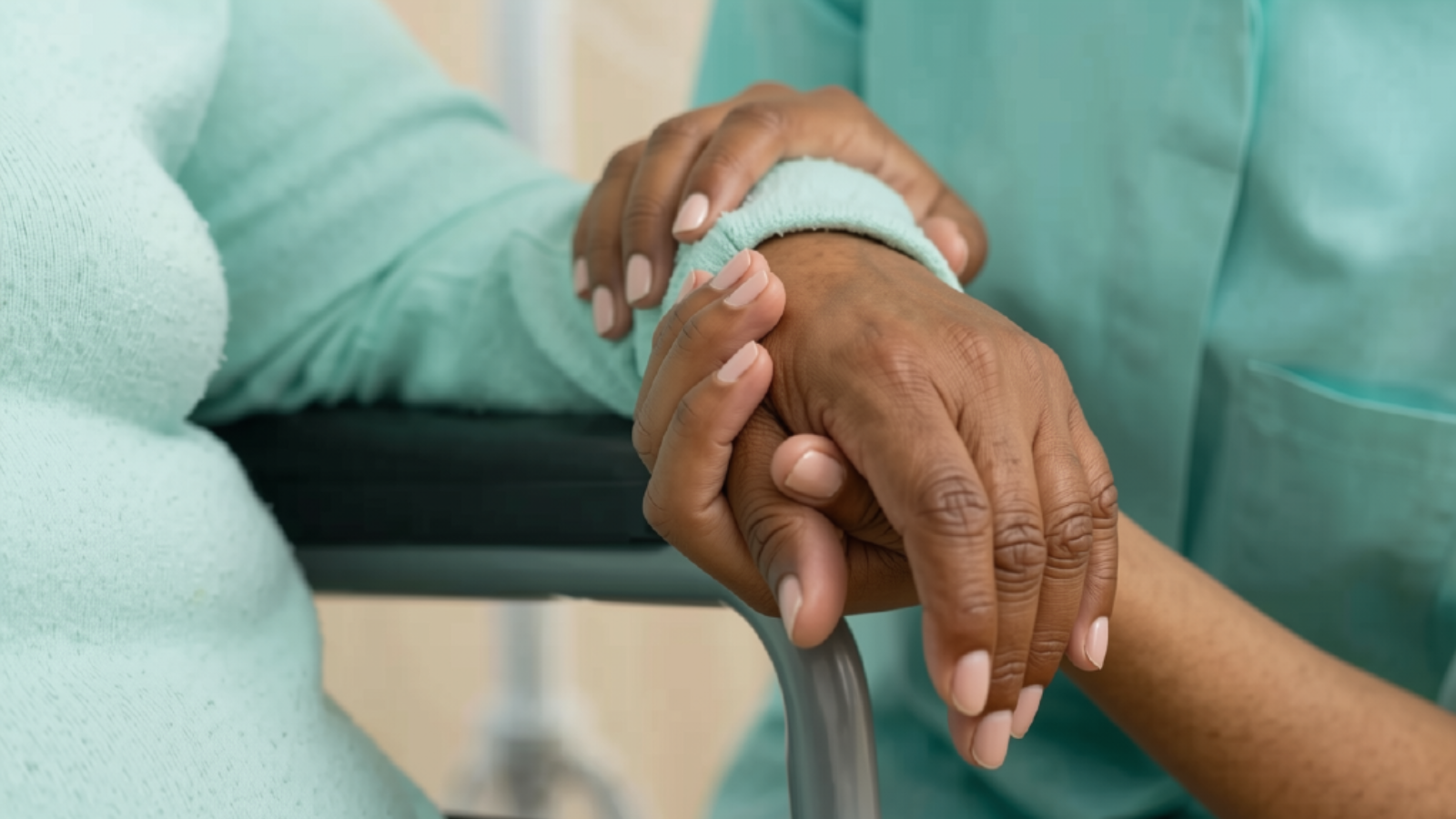
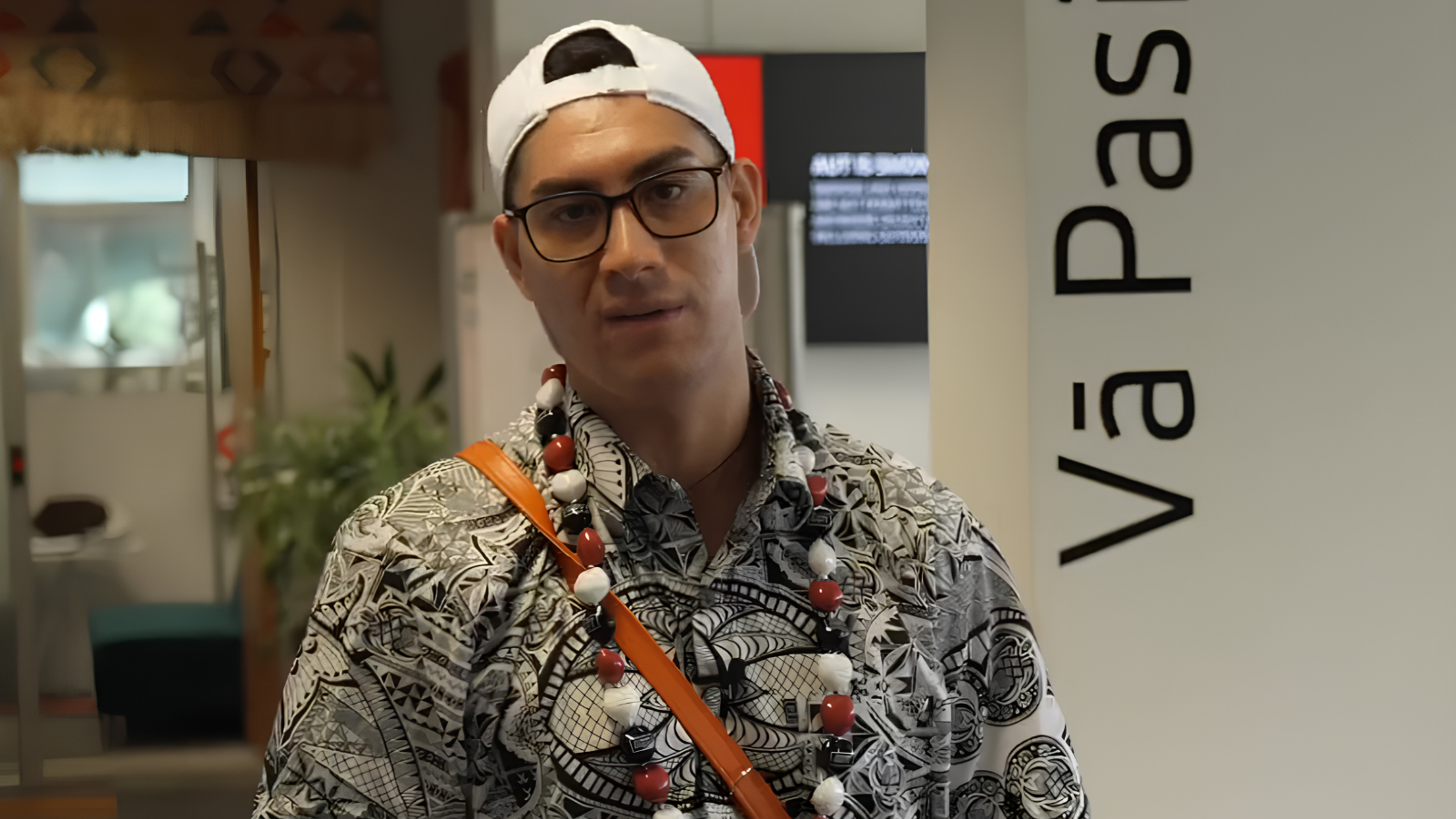
Kalani Partridge- Fruean saw the health care gaps when looking after his two grandmothers. Photo/PMN News/Composite
He remembers sitting beside her at the doctor's office as she raised concerns about feeling sick after taking her medication.
"I would sit in the doctor's office with her and I would hear her say to the doctor, 'I'm not really feeling too well on this, sometimes when I take this medication it makes me feel a bit nauseous.' The doctor would say, 'Oh, it's just a side effect, take some omeprazole and you'll be fine.'"
Partridge-Fruean says those experiences pointed to a wider problem: Pacific families need more information and health checks that are designed around their communities.
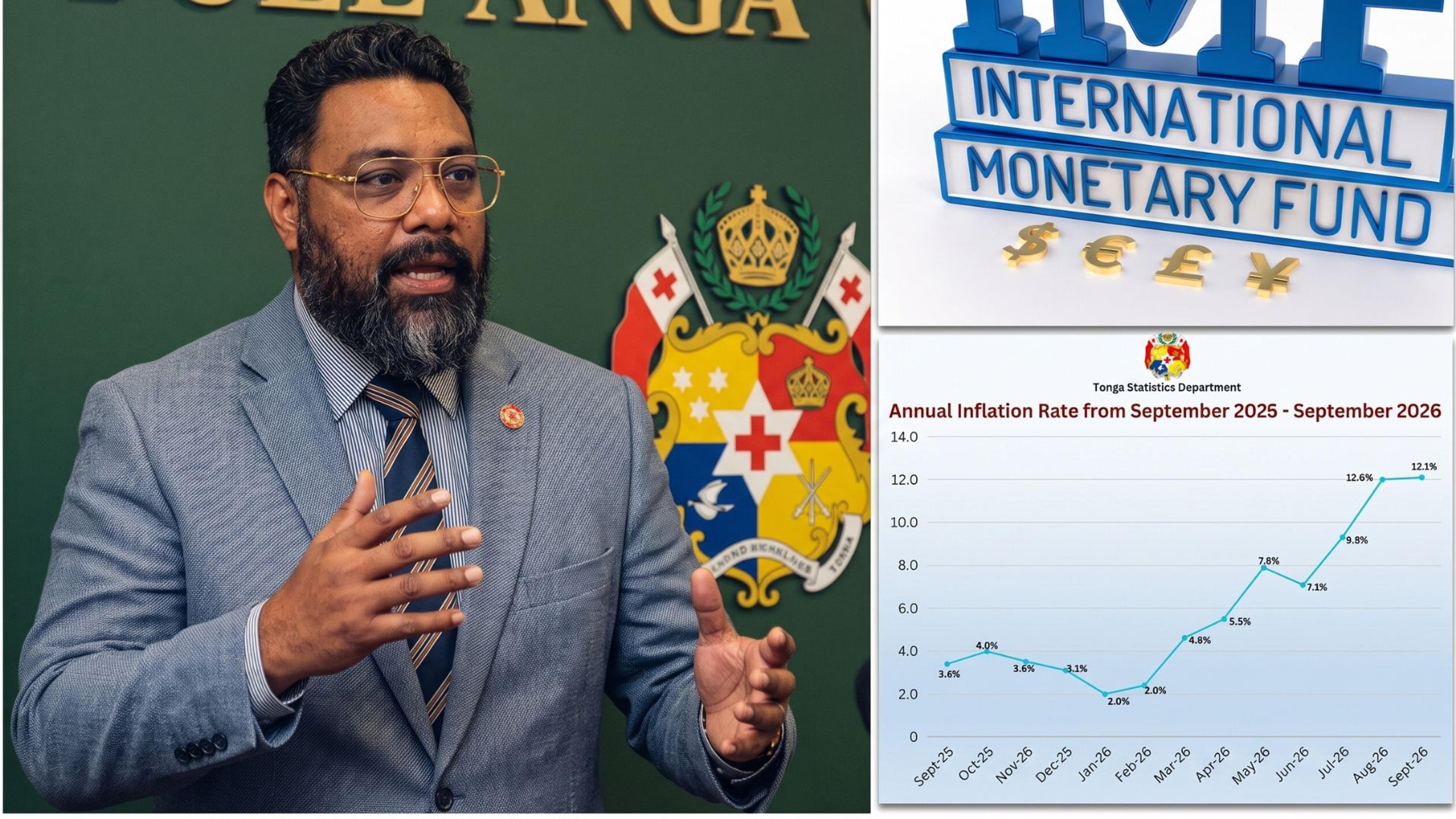
New Zealand's Health Status Report 2023 shows Pacific people have the country's highest hospital admission rate for cardiovascular disease, at 1630 per 100,000, compared with 975 overall.
The report recommends cardiovascular risk assessments started 15 years earlier for Māori, Pacific and South Asian people, at 30 for men and 40 for women.
Partridge-Fruean now works to bring those checks closer to the communities they need.
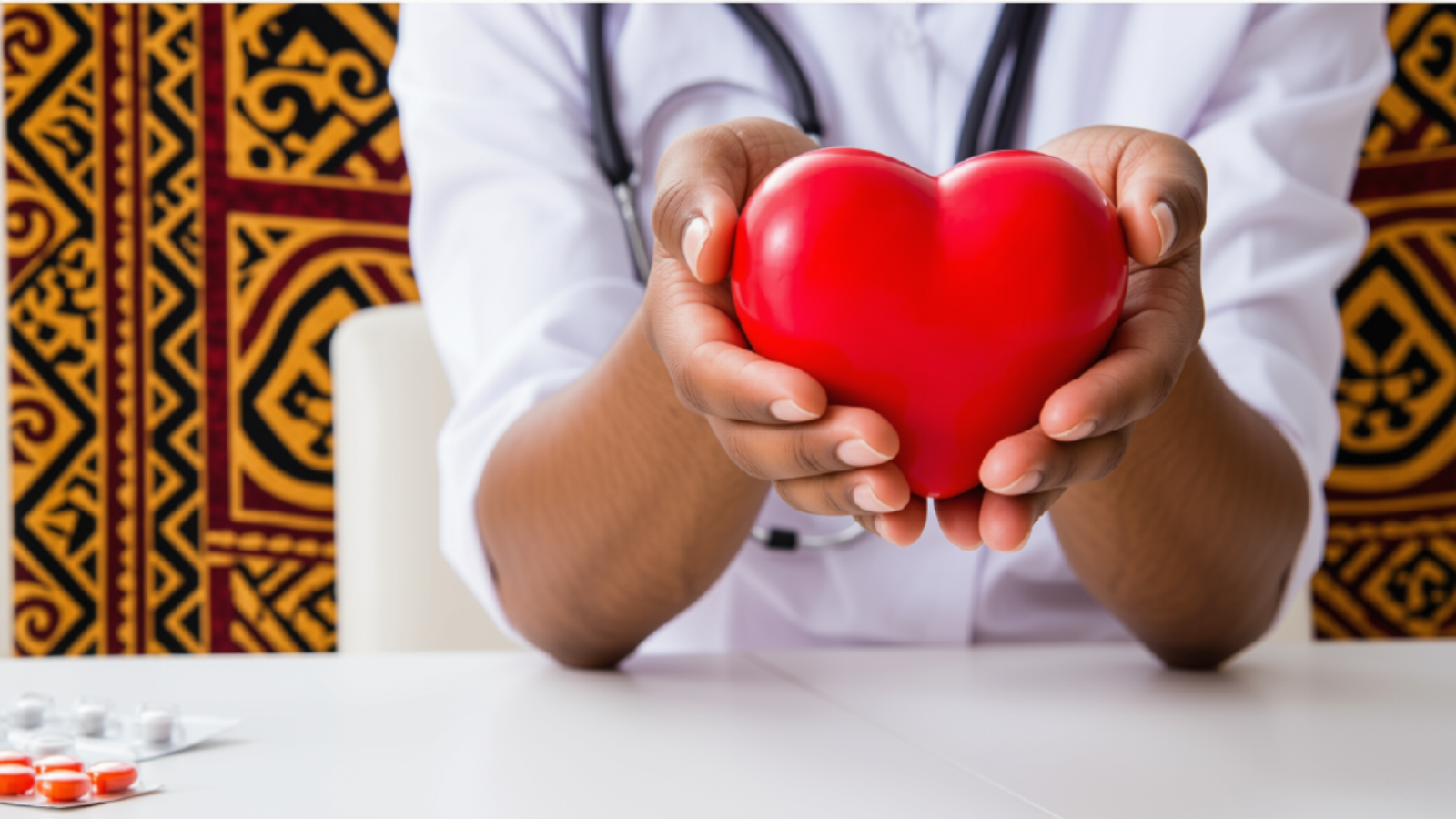
New Zealand's Health Status Report 2023 shows Pacific people have the country's highest hospital admission rate for cardiovascular disease, at 1630 per 100,000, compared with 975 overall. Photo/PMN News/Composite
Sweet Pressure runs satellite clinics in Palmerston North, Gisborne and Auckland, with a new clinic opening in Whangārei. The locations are chosen based on local risk.
He says some Pacific elders, particularly those who migrated to New Zealand and do not speak English as a first language, may not feel comfortable saying they do not understand what a doctor is telling them.
Some also worry about taking up too much of a clinician's time or the cost of a longer appointment.
"A part of the problem is not necessarily on the clinicians themselves. We are very heavily under-resourced across our whole health sector."
He says treating every patient in exactly the same way can also miss important differences in genetics, culture and how people respond to medicines.
Asked about the argument that healthcare should be based on need rather than ethnicity, he is blunt.
His path into health was not straightforward. He started out studying engineering at the University of Auckland before a summer internship in biotechnology drew him towards medical technology and prosthetics.
But the time he spent caring for his grandmothers kept pulling him back to the health needs of Pacific elders.
"Throughout my life outside of university, I had spent a lot of my time caring for both of my grandmothers who suffered from different but multiple illnesses.
"Working as a caregiver in that capacity, I'd always seen the need for increased health care and targeted health care and health literacy for our elderly, especially for our Pacific elderly."
Now, the work is personal as well as professional: bringing heart-risk checks to Pacific communities before families are sitting in hospital trying to work out what went wrong.