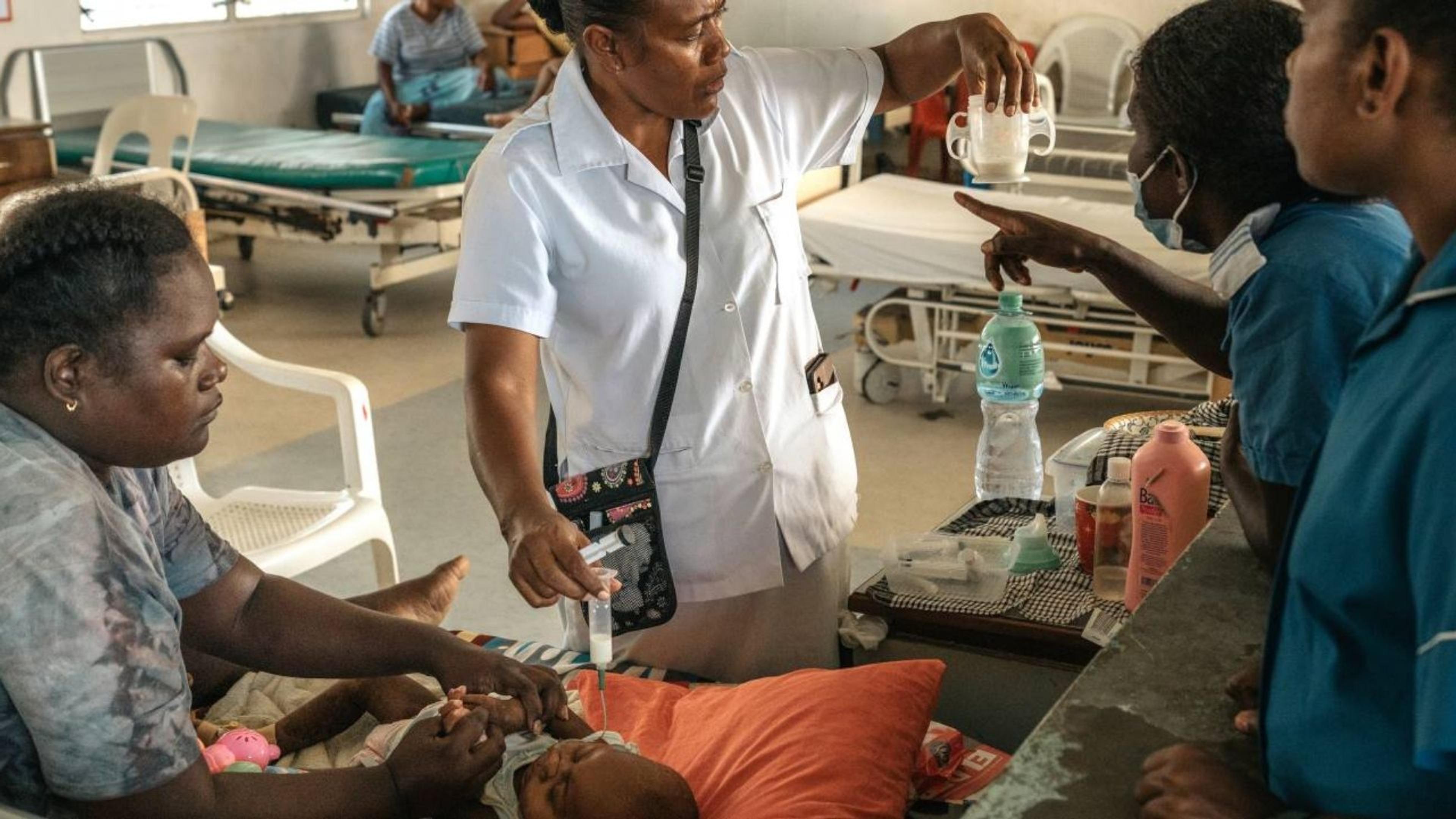
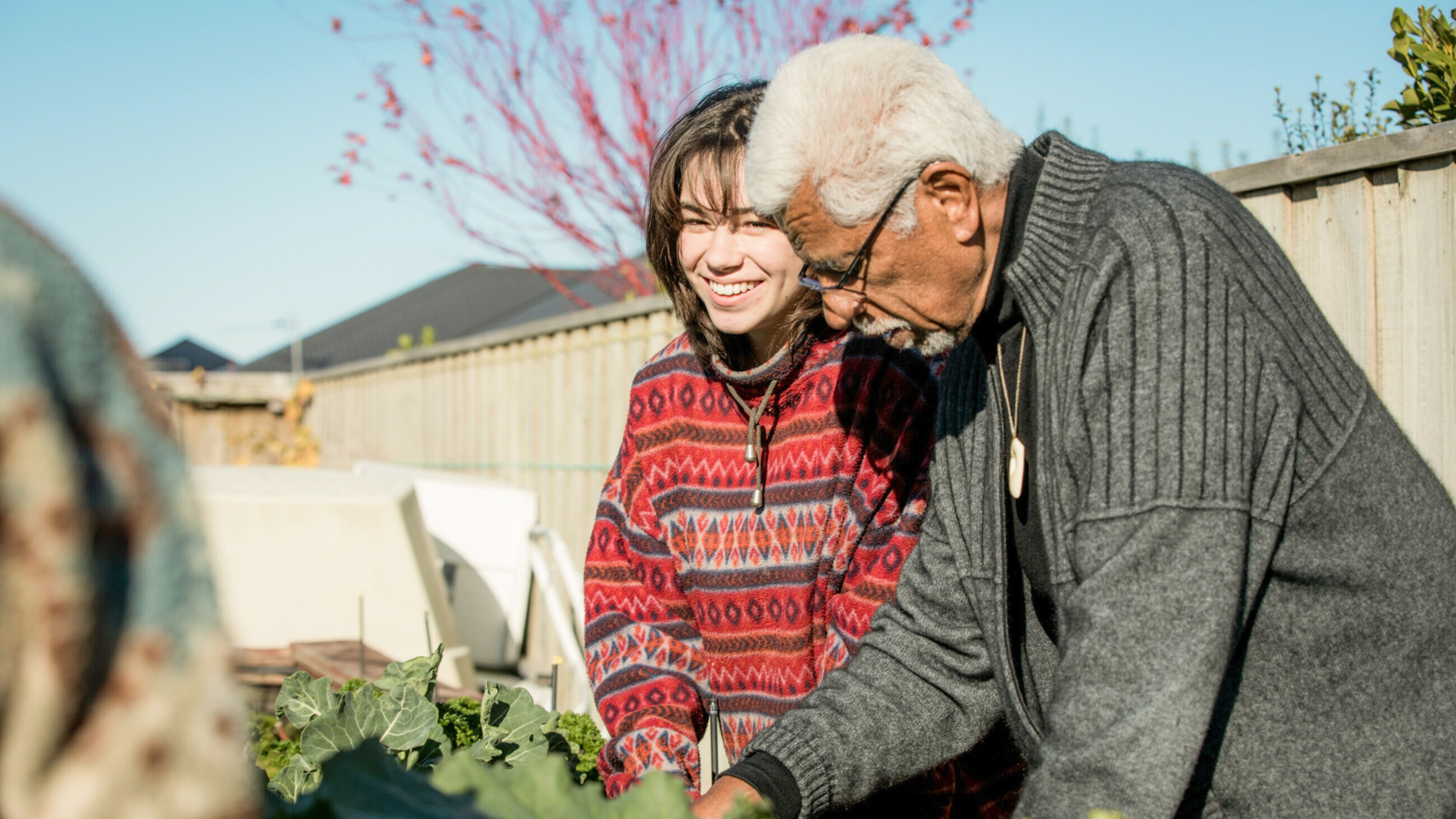
This year's Mental Health Awareness Week theme is 'Belonging Matters'.
Photo/Supplied
Health
‘Digging into what we know’: Pacific culture offers a clearer path to better mental health
As loneliness and distress affect communities across Aotearoa, a Fijian health promoter says everyday acts of connection can help people feel seen and supported.

Atutahi Potaka-Dewes
Published
13 October 2026, 5:00pm
Share
Copy Link
Top stories
World Vision warns children will pay for aid cuts beyond the Pacific
Thomas Tarurongo WynneMon, 12 Oct
Top stories
World Vision warns children will pay for aid cuts beyond the Pacific
Thomas Tarurongo WynneMon, 12 Oct
Pacific people already have many of the tools needed to support one another’s mental health.
The challenge is making sure those cultural strengths reach people who may be struggling silently, even when surrounded by family and friends.
That is the message from Fee Tamani, a Fijian health promoter with the Mental Health Foundation (MHF) as Mental Health Awareness Week 2026 kicks off across Aotearoa New Zealand.
“This isn't about something that is new to us, this is about digging into what we already know,” Tamani tells Pacific Mornings.
“We do inherently have something within our culture that we can draw on to make sure that our people are okay.”
This year’s campaign theme is “Belonging Matters”, guided by the Māori proverb, “Ko au ko koe, ko koe ko au - I am you, you are me”.
But the call for connection comes amid worrying signs of isolation. More than 572,000 New Zealand adults experience regular loneliness, according to the MHF.
For Pacific communities, Tamani says strong family and cultural ties can be a source of support, but they do not remove the pressures that affect mental wellbeing.
Tamani points to Ministry of Health figures showing 20 per cent of Pacific people experience high psychological distress.
A report from Te Hiringa Mahara, the Mental Health and Wellbeing Commission, also shows concerns about Pacific people’s sense of belonging in broader communities and the support available when they are struggling.
The report found that between 2018 and 2021, Pacific communities faced rising social exclusion and struggled to access meaningful support when in distress.
Tamani agrees housing insecurity, lower incomes, unemployment, and child hardship can add to feelings of isolation and make it harder for people to get the support they need.
“We do want to acknowledge that there are circumstances beyond our control that contribute to the feeling of isolation and loneliness,” she says. “I think the most important thing this week is leaning into what we are very good at as a Pacific community, which is understanding community.”
Yet being part of a large or busy community does not always mean someone feels connected.
“It can be easier to feel lonely in a really big space full of a lot of people. People often underestimate how lonely other people can be, or even just unseen,” she says.
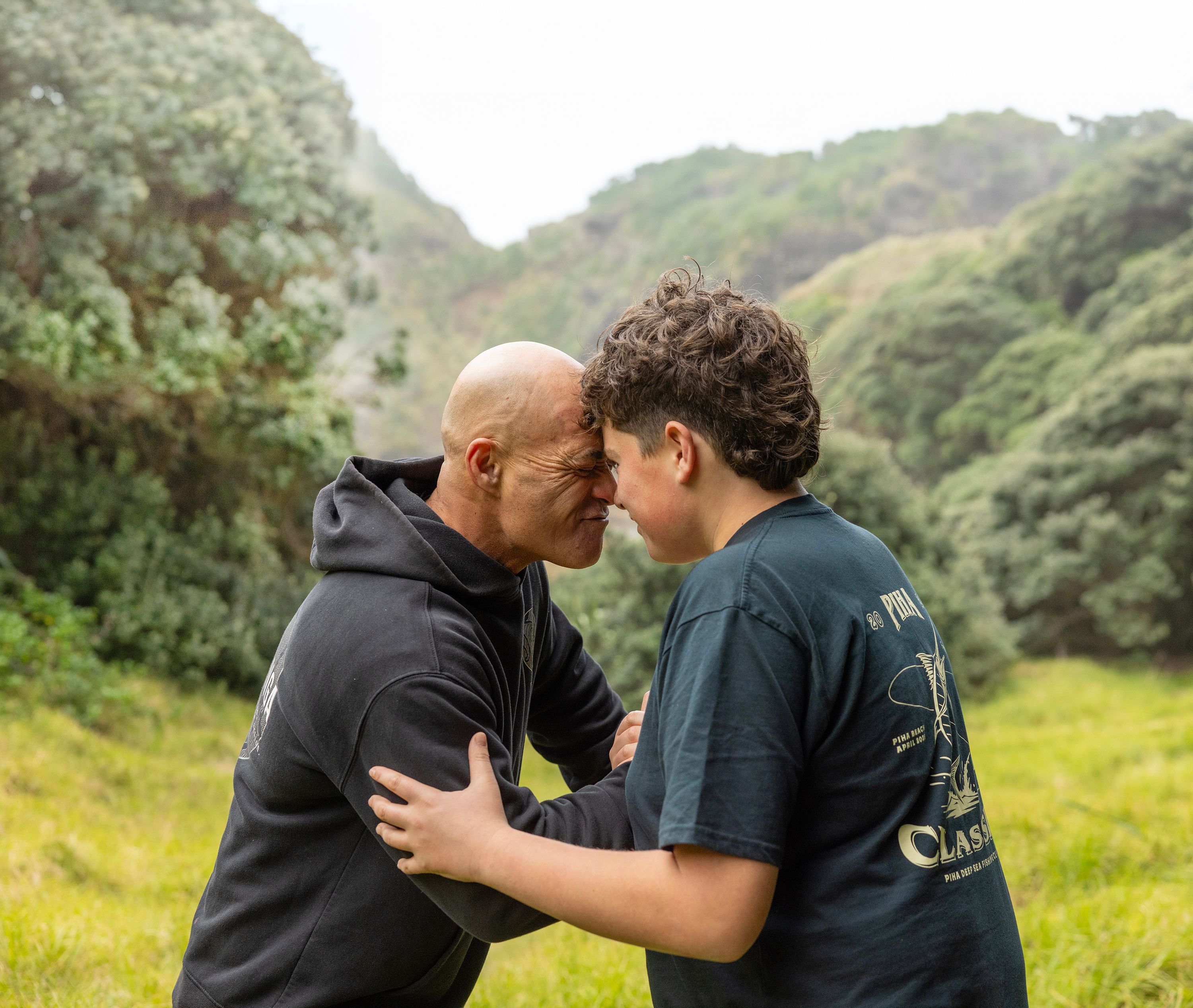
The Mental Health Foundation is encouraging small meaningful acts of connection this Mental Health Awareness Week. Photo/Supplied
“For us Pacific Islanders, we do tend to be quite loud so we often overlook those that are sitting in silence. Check on those people, even if they're smiling, check on them.”
Tamani also points to declining school belonging among Pacific learners, urging educators to create environments where young people see their cultures reflected and feel they are accepted.
That could include bringing Pacific art and visual elements into school spaces, alongside other efforts to make students feel welcome.
Support services are also working to make help easier to access. Gumboot Friday, a mental health initiative run by I am Hope, delivered 3505 free counselling sessions in August to young people aged five to 25, according to the organisation.
It says more than 170,000 sessions have been funded since 2019.
Founder Mike King said in a statement that removing barriers to care is essential for building connection and trust among rangatahi.
“Gumboot Friday makes it simple for our rangatahi to say, ‘I need someone to talk to’ and actually get someone to talk to. We’ve built a service that gets our kids through the door without cost or a GP referral standing in the way,” King says.
“With all the negative mental health trends, it is also important to take note of all the good that is getting done every single month, and we want to keep it going,” King says.
This Mental Health Awareness Week, Tamani encourages people to make time for talanoa, check in with friends and reach out to someone who may be feeling alone.
Mental Health Awareness Week ends 18 October. Find out more at mhaw.nz.