
Bledisloe Masterclass: Pacific powerhouses lead All Blacks’ blitz against the Wallabies
Christine RovoiSat, 17 Oct

Ragne Maxwell, principal of Porirua College.
Photo/Facebook/Post Primary Teachers' Association
The principal of Porirua College, Ragne Maxwell, says cutting on-site nurses could harm students’ health, increase pressure on hospitals, and put already vulnerable youth at risk.



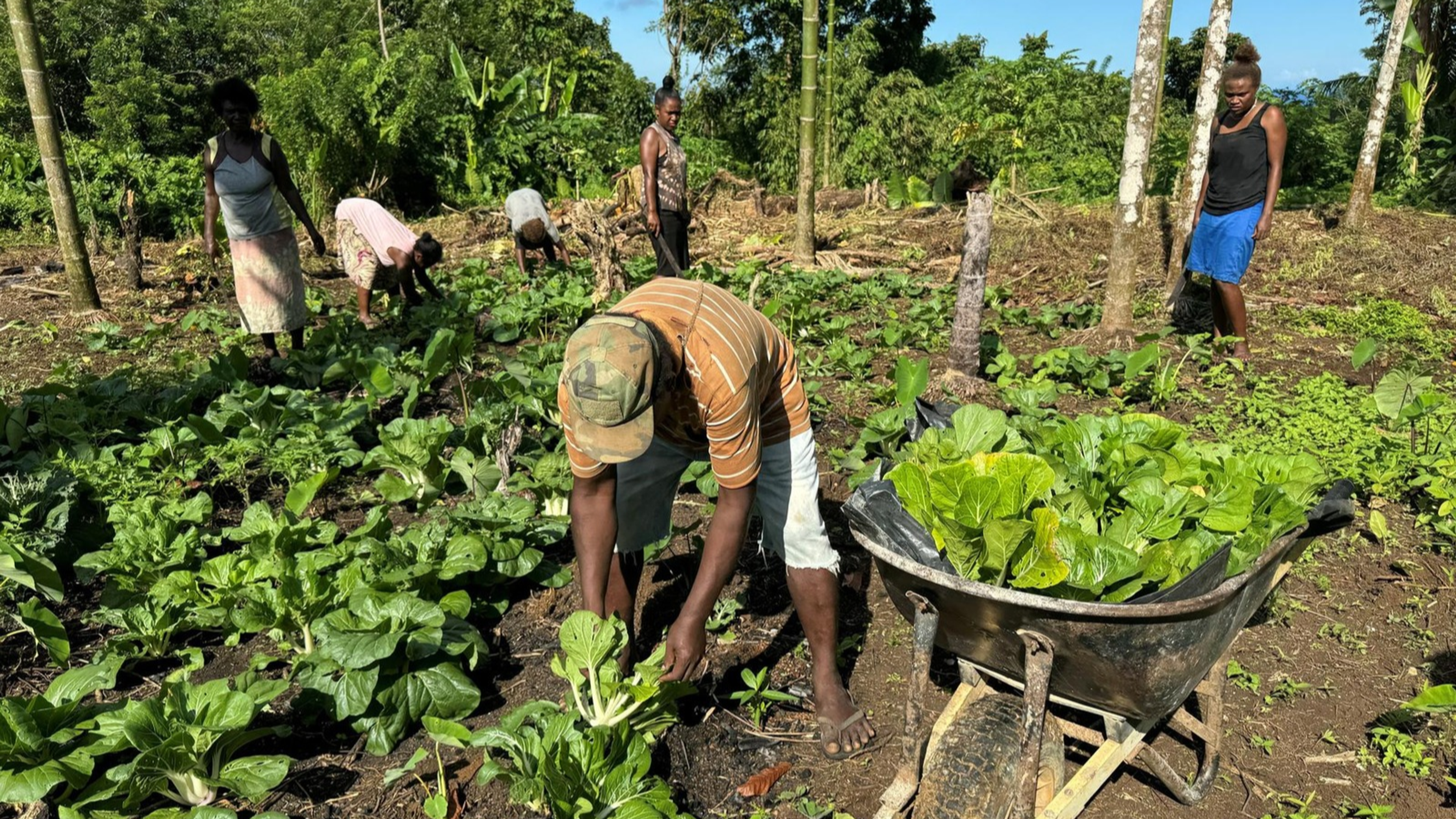
Porirua College could lose more than half of its school nurses under a cost-cutting review and principal Ragne Maxwell says the impact on Pacific and Māori students could be deadly.
The School Based health Service (SBHS), run by Tū Ora Compass Health, is under review amid budget pressures.
Staffing could drop from 8.7 full-time staff to 4.1 from 2027 if additional funding is not found.
Porirua College currently employs a full-time nurse, a part-time nurse, and a mental health nurse available three days a week.
Speaking with William Terite on Pacific Mornings, Maxwell warns that the cuts would leave the school with less than one nurse and just a single day of mental health support.
“We might lose the doctor completely and there is so much that's being picked up. This is an area where we still have rheumatic fever, rife in the area,” Maxwell says.
Watch Ragne Maxwell’s full interview below.
“That costs lives. We've had recent ex-students die of that in my time at the college. If they're not getting treated, not being looked after on a regular basis, this is going to be a tragic outcome.”
A recent national surveillance report found acute rheumatic fever rates are returning to pre-pandemic levels, disproportionately affecting Māori and Pacific children.
At Porirua College, 68 per cent of 617 students identified as Pacific in 2025, and 34 per cent as Māori, noting that many students identify with both groups.
Porirua College also holds an Equity Index of 529, placing it in the highest category for socioeconomic barriers in the country.
“There’s no question about” the impacts of this potential cut would exacerbate the health care system. Maxwell predicts more youth will turn up in accidents and emergencies, which already has “huge wait times”.
“You'd have more people in the queues for the doctors that are being seen really quickly and easily at school,” she says.

Rheumatic fever disproportionately affects Pacific and Māori youth. Photo/File
Maxwell explains why school nurses are critical: students often prefer to keep health concerns private from their families.
“[Students] can pop in at their break time, not even mess with their education, and see the nurse quickly about something that might blow up into something much larger that needed a lot of treatment.
“[If] you've got a slight rash on your skin, you just think, ‘oh, I won't worry about it’. But if the nurse is there, you'll pop in, get it treated early
“That might need a whole lot of looking after if it becomes something more serious.”

Porirua College. Photo/File
The issue isn’t unique to Porirua College. The Post reported that the heads of Aotea College, Bishop Viard College, Tawa College, and Mana College wrote to Health NZ, warning that they were “deeply alarmed” at the potential cuts..
The principals argued that school nurses are crucial for their rangatahi (youth), and that the demand for these services is already high.
Health New Zealand says it is still too early to confirm any changes to school-based health services as concerns grow over potential cuts affecting Pacific and Māori students.

Te Whatu Ora - Health New Zealand. Photo/File
Deborah Davies, Te Whatu Ora’s Group Manager of Funding and Integration North, says the agency’s role is to provide the "funding envelope" that allows providers to run services in schools.
Under the current model, individual providers manage how services are delivered, as long as they meet national guidelines.
“We are working closely with Tū Ora, the Primary Health Organisation responsible for delivery of the service, to understand their current position and any potential impact for young people in Porirua,” Davies said in a statement.
Her comments come as school leaders warn that reducing nurse access could have serious consequences on vulnerable students especially in communities with high Pacific populations.
Deborah Davies, Te Whatu Ora’s Group Manager of Funding and Integration North, says they are working with Tū Ora, the Primary Health Organisation responsible for delivery of the service. Photo/Unsplash
Health New Zealand says decisions on future staffing and services will depend on a wider review of youth health support including mental health services and rheumatic fever prevention.
Davies says a national evaluation led by the Ministry of Health is currently underway to identify gaps in care.
“We understand this evaluation is expected to be released later this year,” Davies says. “Its findings will help inform Health NZ’s commissioning decisions, including regional considerations for services in Wellington and Porirua.”
*This article has been updated with Te Whatu Ora - Health New Zealand’s response.