
‘I made my own door’: The pro footballer who turned stigma into a global sock brand
Atutahi Potaka-DewesTue, 22 Sep

Dr Samuela ‘Ofanoa.
Photo/Unsplash/University of Auckland
Dr Samuela ‘Ofanoa says misinformation on TikTok is overshadowing evidence-based gout treatments and reinforcing stigma for Pacific families.




TikTok is spreading “miracle cures” for gout that risk misleading Pacific families, a University of Auckland researcher warns.
Dr Samuela ‘Ofanoa says the popular platform is burying evidence-based treatments under herbal remedies and quick-fix lifestyle advice, leaving some people confused and embarrassed about the condition.
Gout is a chronic inflammatory arthritis caused by high blood urate levels that form crystals in the joints, leading to painful flares lasting between five and 10 days. It is a long-term condition requiring treatment to prevent permanent joint damage.
‘Ofanoa, a Tongan Research Fellow at Auckland University, recently published a study in the journal, Gout, TikTok and misleading information: A content analysis, in the Rheumatology Advances in Practice journal.
The research was co-authored by Siobhan Tu'akoi, Emeline Manako, Tebi Ngaire Tabokaai, Melenaite Tohi, Malakai 'Ofanoa, and Felicity Goodyear-Smith. The team analysed 116 videos that together had 426.6 million views.
The study highlights that while TikTok has potential for health education, the research found the majority of videos spread "miraculous cures" with no scientific backing. The research also found that nearly 80 per cent of analysed videos promote dietary changes or herbal remedies instead of clinical recommended therapies.
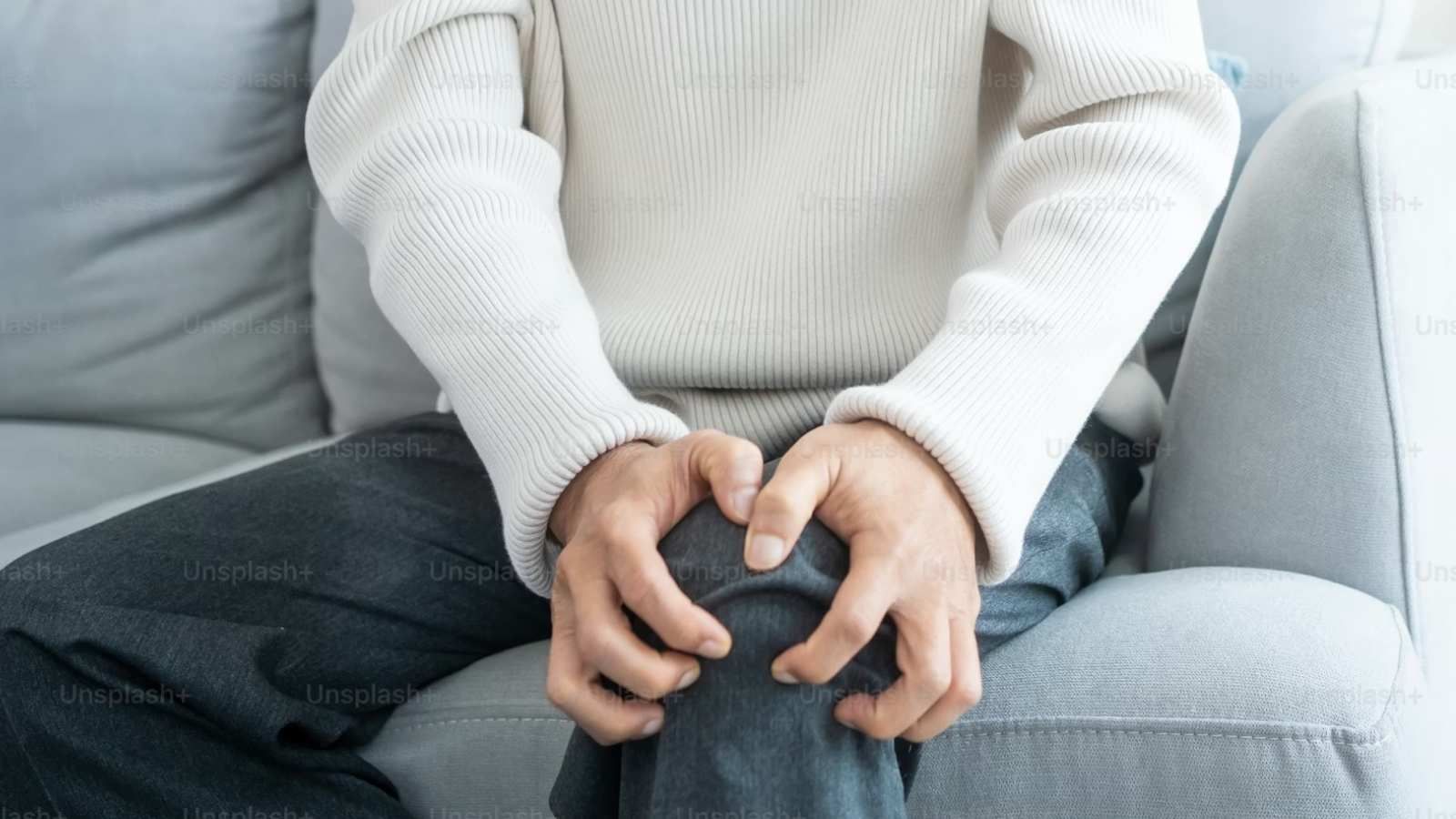
Gout is known for causing painful flares that can last between five and 10 days. Photo/Unsplash
‘Ofanoa highlighted misleading content such as herbal supplements and ankle compressors claiming to cure gout. He explained the difference between misinformation and misleading information.
“Misleading information… might be technically true or partly true, but is presented in a way that can create a false impression about something. We saw that with [a] majority of the videos that was, for example, misleading in our study around diet being the main cause of gout,” ‘Ofanoa says.
He said the videos often reinforced stigma for Pacific families. “Or changing your diet to reduce your chance of getting gout or curing your gout. What we are seeing today in terms of the research and what we know today is that although our diet does contribute… it's only a small contribution compared to other underlying causes such as genetics, kidney impairment and your weight.”
Listen to Dr Samuela ‘Ofanoa’s full interview below.
The study also found that 79 per cent of videos discussed gout management, yet only two mentioned urate-lowering therapy, the standard treatment to prevent uric acid build-up. This gap disproportionately impacts Pacific communities, where gout prevalence is 14 per cent compared to four per cent for non-Pacific people.
“So the disparity is quite high and when you talk about individual blame around gout, there is a lot of stigma and blame around gout,” ‘Ofanoa says. “We saw this with some of the TikTok videos that we were seeing.
“When you start talking about diet and what you eat, it makes you think that it's what you eat that's causing this health condition. So you start to feel this sense of embarrassment or shame around that.”
“It could impact your seeking of health care and seeking of information. I feel that as Pacific people, now that we know some of the evidence today, that it's not your fault.
“Sometimes it's these underlying factors, such as your genetics, your kidneys, like people who have kidney impairment or those with change in weight as well.”
To counter these viral myths, ‘Ofanoa encourages health professionals to join social media. He says they should keep content "simple, engaging, [and] fun" to reach families effectively.
He also suggests people check if accounts belong to official health organisations and to consult their GP or pharmacist about any "miraculous cures" seen online.
“If your doctor does diagnose you with gout, they will be providing you with urate-lowering therapy, which are medications to prevent uric acid from increasing in your body, which will manage your gout more appropriately. You'll be able to have a better quality of life. Again, gout is not your fault, mālō [thank you].”