World Vision warns children will pay for aid cuts beyond the Pacific
Thomas Tarurongo WynneMon, 12 Oct
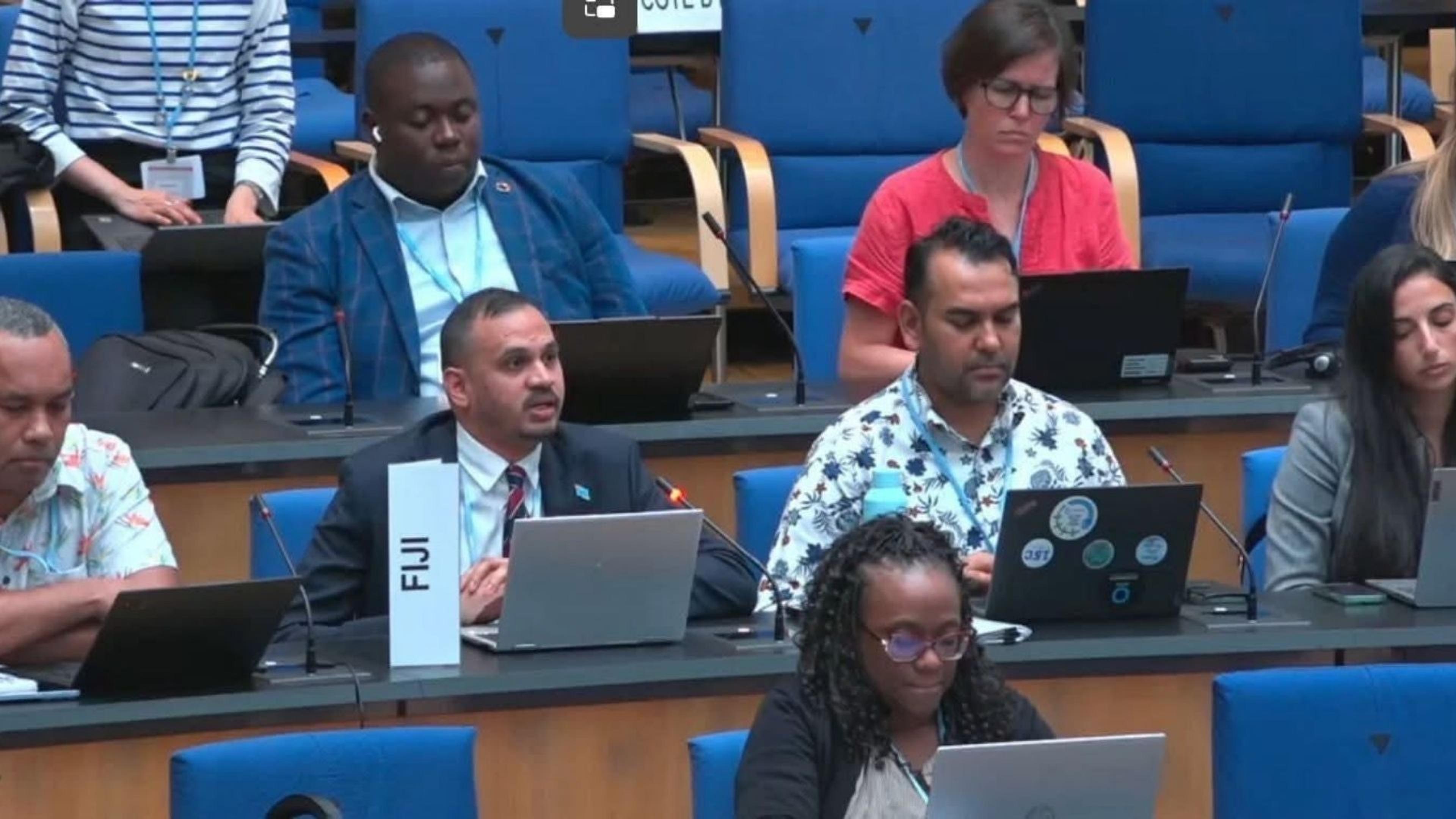
Fiji’s Permanent Secretary for Environment and Climate Change, Dr Sivendra Michael, calls for stronger protection of climate science in negotiations during the UN climate talks in Bonn last week. Photo/Fiji Government
Photo/Fiji Government
Pacific nations and civil society groups have united at UN climate talks, pushing back against efforts to weaken agreed language on global temperature limits as negotiations continue behind closed doors.



Pacific leaders have delivered a blunt message from inside the United Nations climate talks in Germany: countries trying to weaken climate science are putting Pasifika lives and livelihoods at risk.
Speaking on behalf of the 14-member Pacific Small Island Developing States (PSIDS) group in Bonn, Fiji's Permanent Secretary for Environment and Climate Change, Dr Sivendra Michael, said Pacific nations would not stand by while attempts were made to remove key scientific references from climate negotiations.
“Let me be absolutely clear, anyone that is blocking references to science, they are not our friends,” Michael told journalists.
This warning reflects a broader Pacific position inside the Bonn negotiations where delegates from across the 14-member PSIDS bloc including Tuvalu, Vanuatu, Kiribati and other low-lying countries have been working in close coordination across multiple negotiating rooms to resist attempts to weaken agreed language on the 1.5°C limit and climate science in the UN texts.
Pacific leaders, including Vanuatu’s Climate Change Minister Ralph Regenvanu, have also stressed in discussions that partnerships with the region lose credibility if major emitting countries continue to challenge the scientific benchmarks that show what is already happening on the ground in island nations.
Michael's comments came during a high-level "Defend the Science" press conference at the June Climate Meetings in Bonn which ended on 18 June.
Pacific governments and regional civil society groups presented a united front in defence of science and the 1.5°C global warming limit at the two-week event.
Behind closed doors, Pacific negotiators have been pushing back against efforts by some bigger countries to weaken language that underpins international climate action.
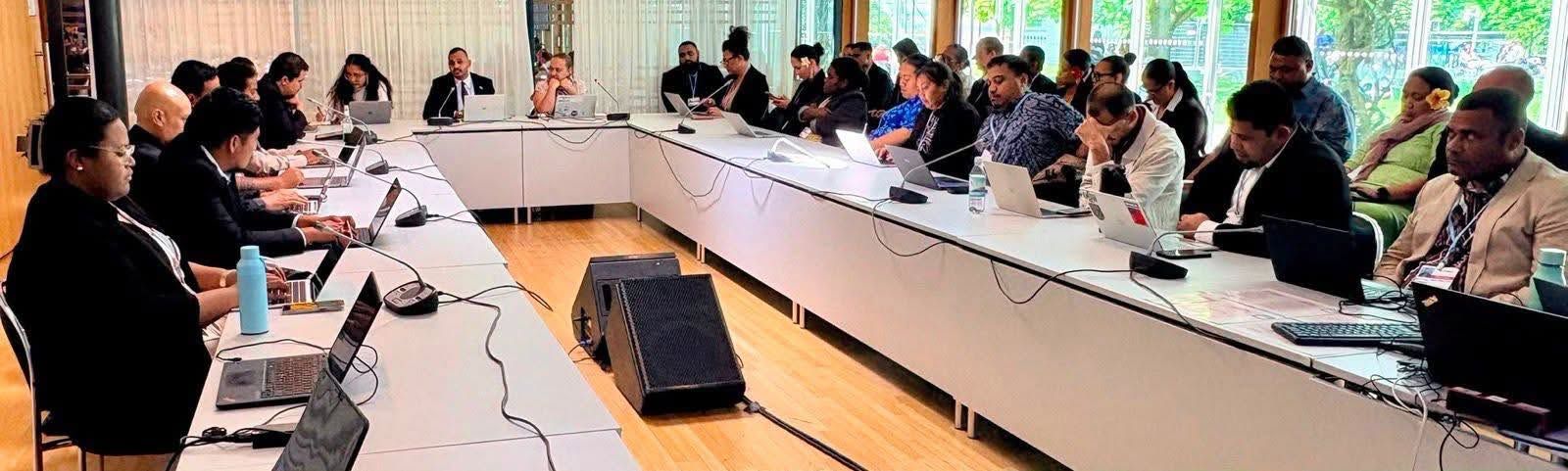
Pacific delegates and civil society representatives meet in Bonn, Germany, where discussions have focused on defending climate science and the 1.5°C global warming limit. Photo/Fiji Government
Inside the Bonn talks, Pacific negotiators have been coordinating across multiple rooms and working sessions to push back against attempts to dilute previously agreed language on climate science and global temperature limits.
The effort reflects a unified Pacific strategy, with frontline island states insisting that any weakening of scientific references would directly undermine the foundations of international climate action.
Pacific leaders say the fight is about far more than wording in a negotiating text.
The region has long argued that keeping global warming below 1.5°C is essential for the survival of low-lying atoll nations and coastal communities already facing rising seas, stronger storms and growing climate impacts.
Backing the Pacific governments' position, regional civil society organisations warned that attacks on climate science directly undermine the region's future.
Dr Sindra Sharma, International Policy Lead for the Pacific Islands Climate Action Network (PICAN), said science provides the evidence communities rely on to prepare for disasters and plan for the future.
“When you deny us the science, you deny our future,” Sharma told the media.
She said that for families in low-lying islands such as Tuvalu, breaching the 1.5°C threshold is not a distant projection but a present and growing risk.
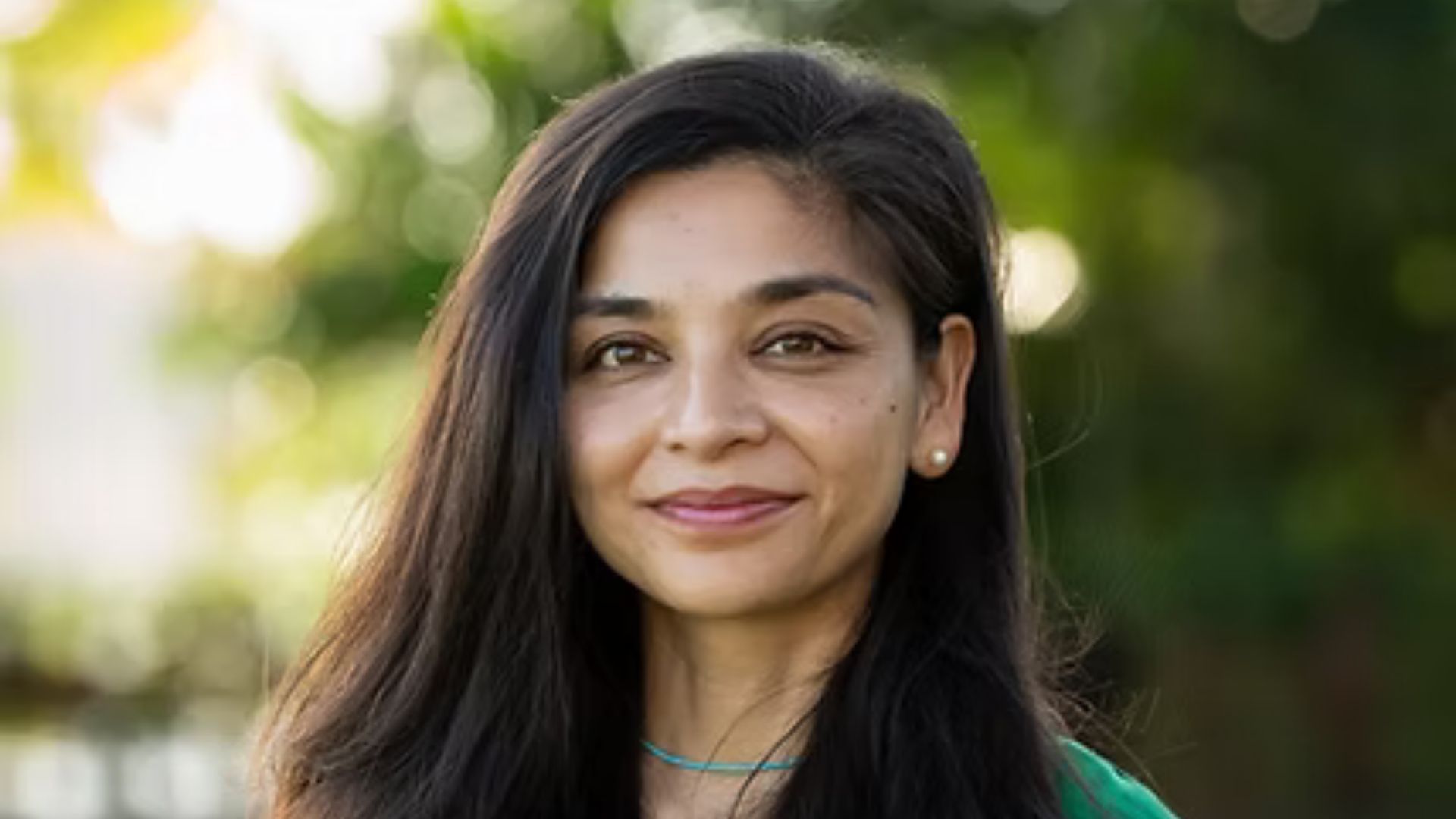
Dr Sindra Sharma, International Policy Lead for the Pacific Islands Climate Action Network (PICAN), at the UN climate talks in Bonn, where Pacific civil society groups are calling for stronger protection of climate science in negotiations. Photo/PICAN
“For us, overshoot is not a pathway; it is a harm event,” she said. “It is something that happens to people, to reefs, to cyclone seasons, to the mothers and grandmothers and daughters to whom the harm lands the hardest.”
Sharma also defended the role of the Intergovernmental Panel on Climate Change (IPCC), saying its assessments help bring Pacific experience and Indigenous knowledge into global decision-making.
“It takes what Pacific communities have observed across thousands of years; the currents, the seasons, the silences where certain birds used to be; and it places that reality into assessed literature that the world cannot ignore,” she said.
“When we say 1.5 degrees is a survival threshold, that is not politics. That is the ocean measured.”
Watch Dr Sinda Sharma's address to journalists in Bonn below.
The Bonn meetings are laying the groundwork for the next UN climate summit (COP31) in Türkiye (formerly Turkey) from 9-20 November this year where governments will negotiate future climate action and finance commitments.
Pacific negotiators say the message from Bonn is clear: countries cannot claim to stand with the Pacific while trying to weaken the science that underpins the region's fight for survival.
PMN News Senior Reporter Christine Rovoi has arrived in Germany for the 19th DW Global Media Forum this week at the World Conference Center Bonn (WCCB) and DW headquarters. The forum, under the theme “Journalism OUT LOUD,” brings together media professionals to discuss press freedom, digital change, artificial intelligence, and the role of an independent press in strengthening democracy.