
Insurance Council CEO Kris Faafoi speaks about the cost of insurance, or lack of it, for Pacific communities.
Photo/File/Insurance Council New Zealand
Environment
Climate risk, rising costs leave Pacific families facing insurance squeeze
Pasifika households are already less likely to have insurance than other Kiwis. Now rising premiums and growing flood risks are making that gap even harder to close.

Khalia Strong
Published
16 June 2026, 10:07am
Share
Copy Link
Top stories
World Vision warns children will pay for aid cuts beyond the Pacific
Thomas Tarurongo WynneMon, 12 Oct

Mate Ma’a Tonga’s 40-year legacy lives on through generations
Elton Lonaratha JnrMon, 12 Oct

David Seymour wants tougher welfare rule as Labour targets hidden costs in 2026 election
Thomas Tarurongo WynneFri, 09 Oct
Top stories
World Vision warns children will pay for aid cuts beyond the Pacific
Thomas Tarurongo WynneMon, 12 Oct
Mate Ma’a Tonga’s 40-year legacy lives on through generations
Elton Lonaratha JnrMon, 12 Oct
David Seymour wants tougher welfare rule as Labour targets hidden costs in 2026 election
Thomas Tarurongo WynneFri, 09 Oct
For Daisy Taufoou's family, the choice was stark.
“If we go, we lose our community. If we stay, we lose insurance.”
The Māngere family’s home was badly damaged during Auckland's Anniversary weekend floods in 2023.
Two years later, Auckland Council classified the property as an "intolerable risk to life", leaving them to choose between accepting a buyout or staying in a home that could become increasingly difficult to insure.
The Taufoous’ situation highlights a growing challenge facing many Pacific households as insurance costs rise and climate risks increase.
Residential insurance premiums have climbed about 40 per cent over the past two years, according to Treasury figures, prompting the Government to launch a review into affordability across the sector.
Watch Kris Faafoi's full interview below.
A planned increase to the natural hazards levy has also been put on hold while a six-month review examines why premiums are rising faster than inflation.
For Pacific households, that pressure can be even greater.
A 2022 Retirement Commission study found Pacific people are 50 per cent less likely to have general insurance than non-Pacific New Zealanders including cover for homes, contents and vehicles.
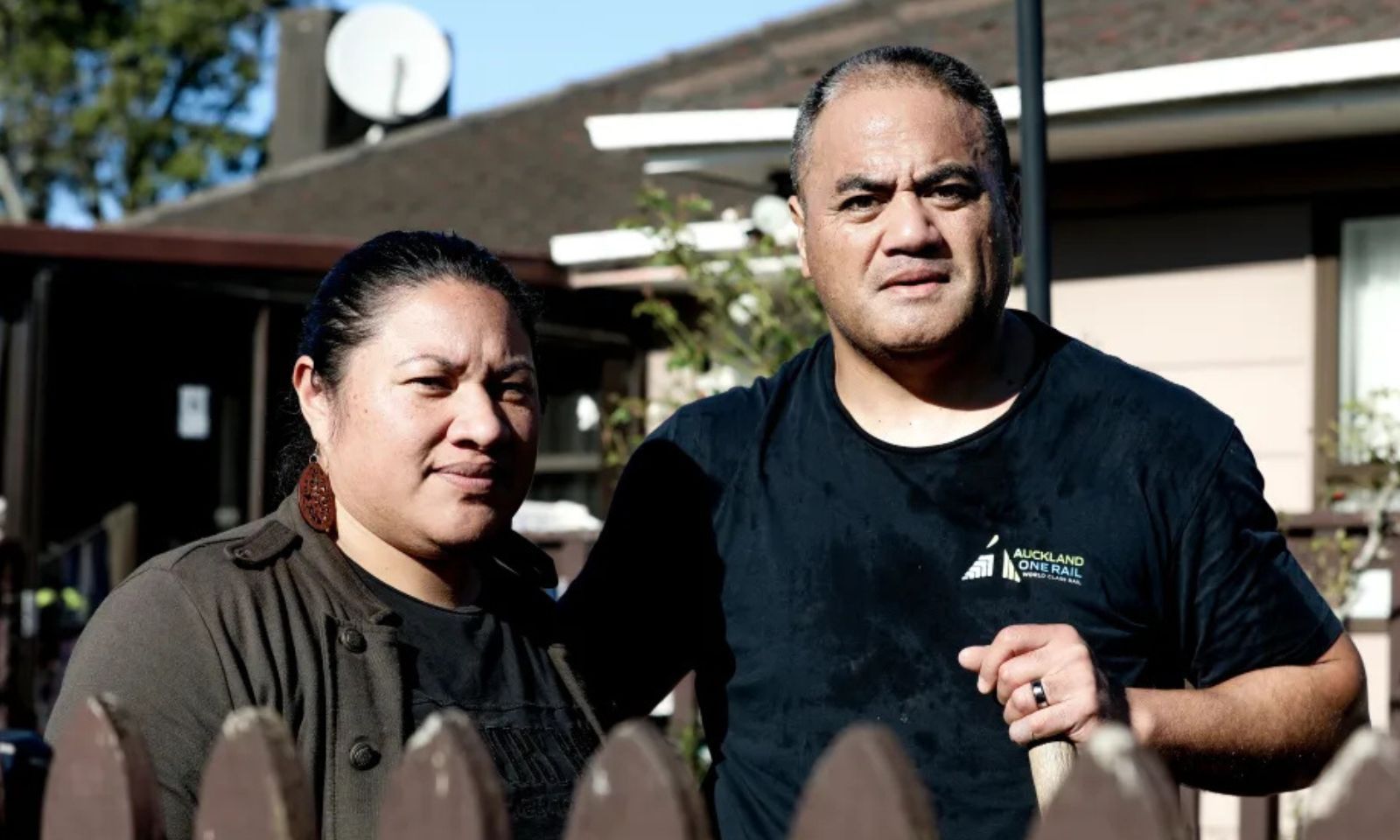
Daisy Taufoou and her husband have been advocating for their Hinau Road community. Photo/RNZ/Marika Khabazi
At the same time, many Pacific families live in lower-income neighbourhoods and areas more exposed to flooding, which creates a difficult mix of financial and climate pressures.
Kris Faafoi, Chief Executive of the Insurance Council of New Zealand, says Pacific communities are feeling the effects from both directions.
Speaking with William Terite on Pacific Mornings, Faafoi says many households are already struggling to keep up with premiums while living in areas vulnerable to extreme weather.
“When you haven’t got much coming in, that challenge is even sharper,” he says.
Faafoi, a former Cabinet minister, says insurers are becoming more cautious as weather events become more common, pointing to the Auckland Anniversary floods and Cyclone Gabrielle.
Without stronger investment in climate adaptation, he warns both affordability and access to insurance could come under increasing strain.
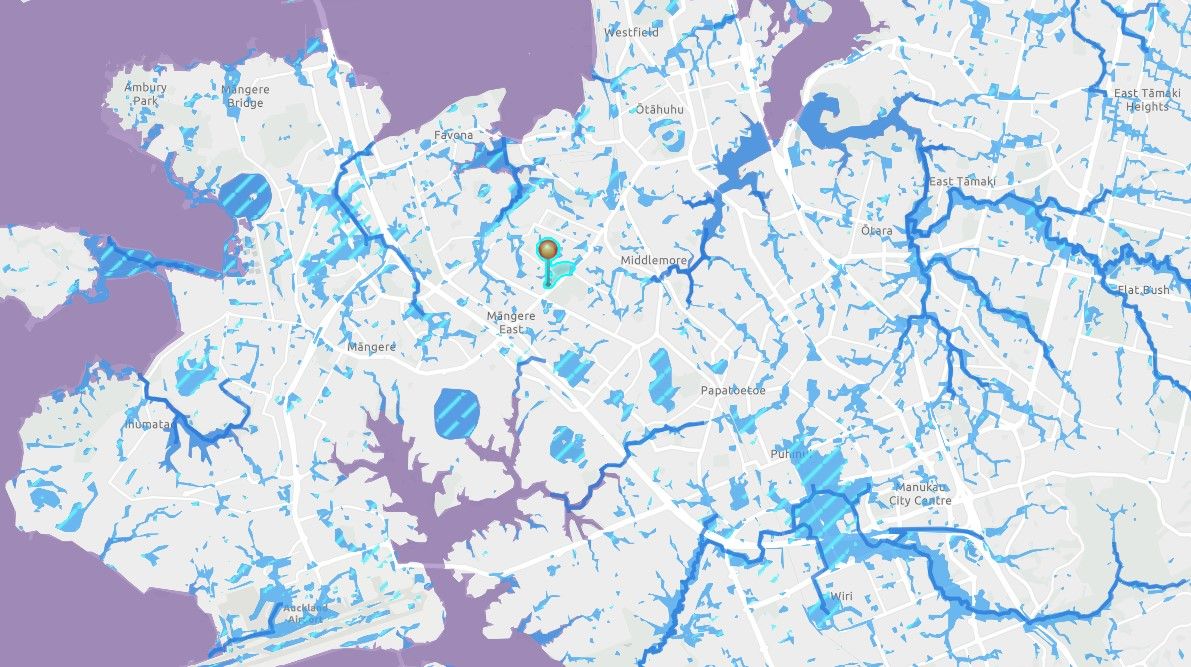
Auckland Council map showing showing areas predicted to be covered by floodwater during heavy rain around Māngere. Image/Auckland Council
“Our members insure people for what we call unlikely or unforeseen events, but if they're not unforeseen anymore, then that makes that a bit of a challenge,” he says.
“It takes years to build the infrastructure to make sure that houses and communities aren’t getting flooded.”
Who can afford cover?
Despite rising costs, some Pacific families continue to see insurance as a key part of protecting their household.
Tarsh Poching-Ieremia, a mother of four, says insurance was something she grew up understanding.
“I think it was something from my parents,” she tells PMN News. “They passed on the importance of insurance, just in case anything happens.”
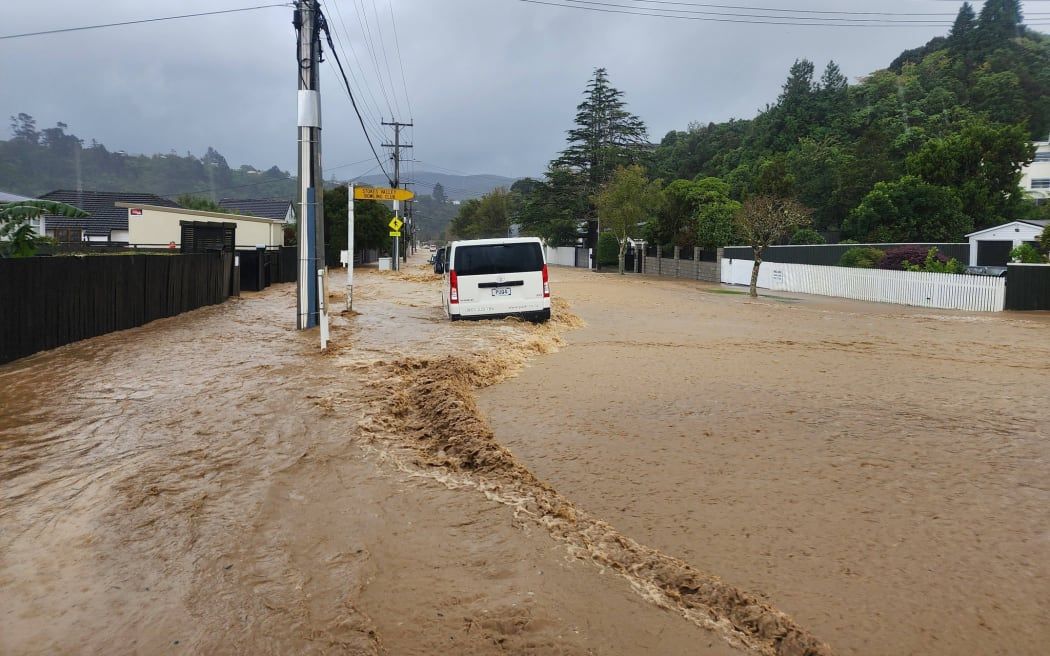
Flooding in Lower Hutt in April, 2026. Photo/Stokes Valley Volunteer Fire Brigade
Her family has health, house, pet, contents, car and life insurance, costing about $500 a month.
While the cost is significant, Poching-Ieremia says the cover has helped pay for property repairs, stolen vehicles and car accidents over the years.
“Insurance is a luxury until you need it.”
She believes more education could help Pacific families better understand what insurance covers and how it can protect them when unexpected events happen.
But as premiums continue to rise and climate risks grow, more Pacific households may find themselves facing the same question: can they afford to stay protected at all?