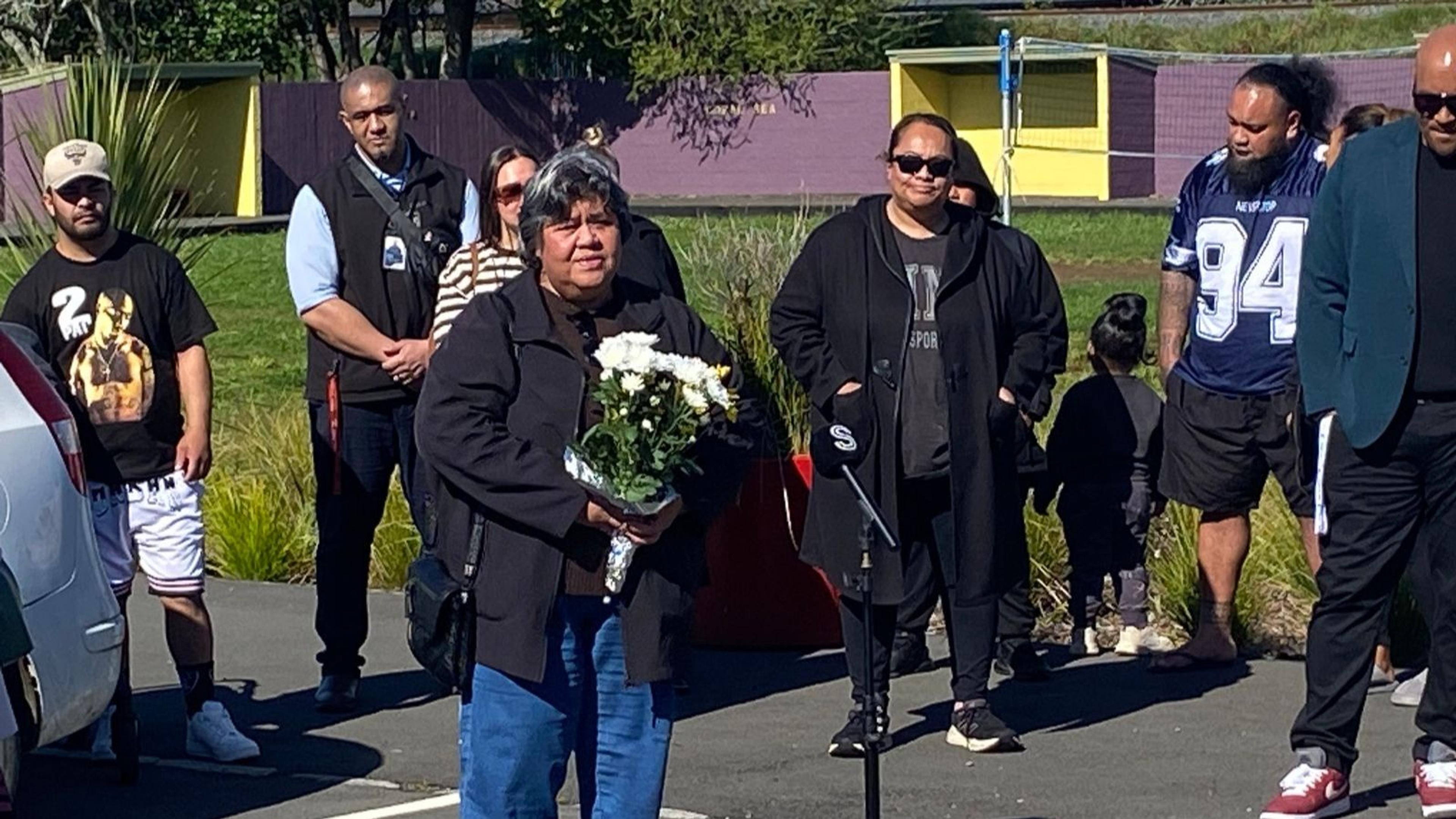
'Healing starts with coming together': Papatoetoe holds vigil for children and father
Taelegalolo'u Mary AfemataTue, 06 Oct
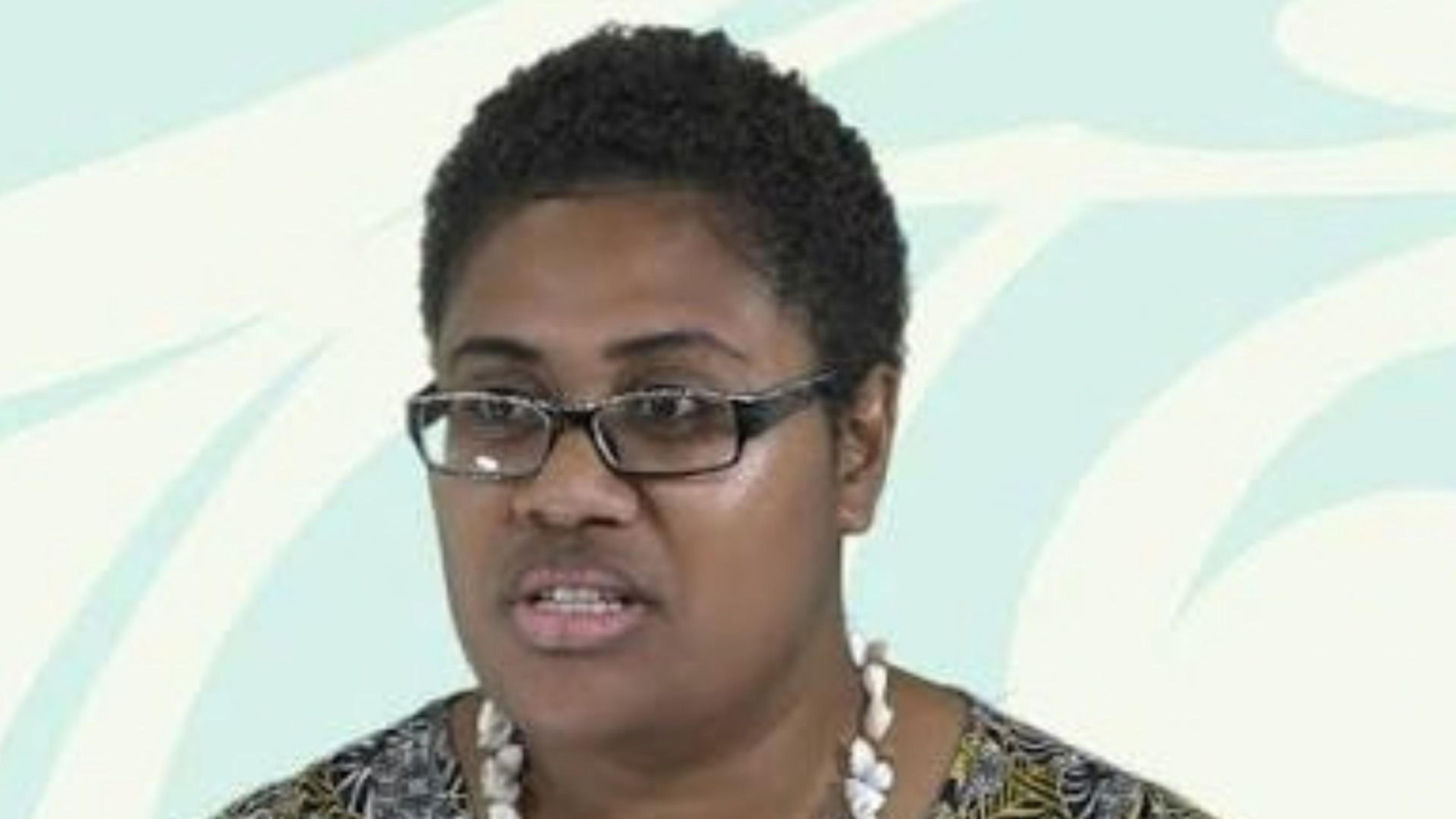
Miliana Iga told Pre-COP31 negotiators the Pacific must not be treated as a “sacrifice zone” as young people push for stronger action on climate change.
Photo/Facebook/Pacific Islands Forum/file
Miliana Iga tells negotiators in Fiji that 1.5°C is a survival threshold and calls for young people and frontline communities to have a real say in climate decisions.




Pacific youth are putting negotiators on notice at Pre-COP31 in Fiji and Tuvalu by rejecting climate responses that they say could put the region’s people, land and cultures at further risk.
Youth delegate Miliana Iga used the opening plenary in Nadi to deliver a direct message to governments and climate negotiators.
She warned the Pacific cannot be treated as a place where damaging activities are accepted in the name of climate action.
“The Pacific is not a sacrifice zone and no price can capture the loss of our land, language and culture,” Iga said.
She said limiting global warming to 1.5 degrees Celsius is not simply a climate goal but a survival threshold for communities across the region.
Iga also rejected attempts to present what she called “false solutions” as part of the response to the climate crisis, pointing to deep sea mining.
Watch Tuvalu students send a message to world leaders on climate change below.
“False solutions and activities such as deep sea mining cannot be presented as answers to the climate crisis,” she said.
Her comments come as Pacific officials continue to push for stronger international action on climate change and greater access to finance for communities facing its impacts.
Fiji Permanent Secretary for Environment and Climate Change Dr Sivendra Michael said the success of climate finance should be judged by how quickly it delivers results for communities.
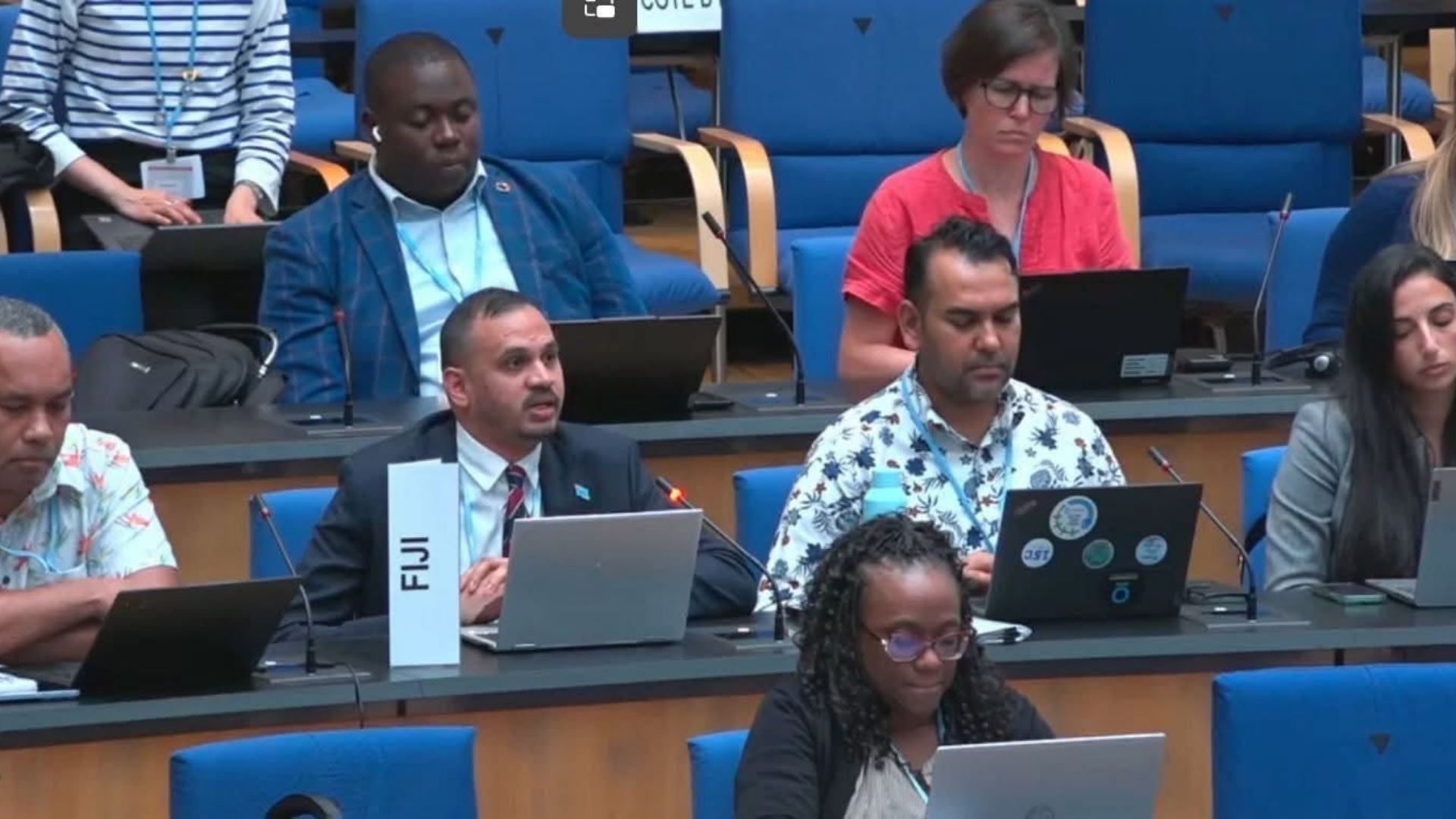
Fiji Permanent Secretary for Environment and Climate Change, Dr Sivendra Michael, second left, says climate finance must deliver results for communities faster. Photo/Fiji government
“How long did it take for a particular financing arrangement to go from inception to result on the ground? This is how we differentiate between finance that works and finance that drains,” Michael said.
He said funding systems need to be designed around the needs of countries adapting to climate change.
“So the financing architecture must be built to fit adaptation, not expect adaptation to fit the architecture,” Michael said.
Secretariat of the Pacific Regional Environment Programme (SPREP) Director-General Sefanaia Nawadra said Pacific countries are looking for practical ways to get climate finance to communities faster.
“Basically, they got fed up of chasing money, so they decided to come up with a costed strategy,” Nawadra said.
He said the key question for climate finance was whether it was reaching the people who need it.
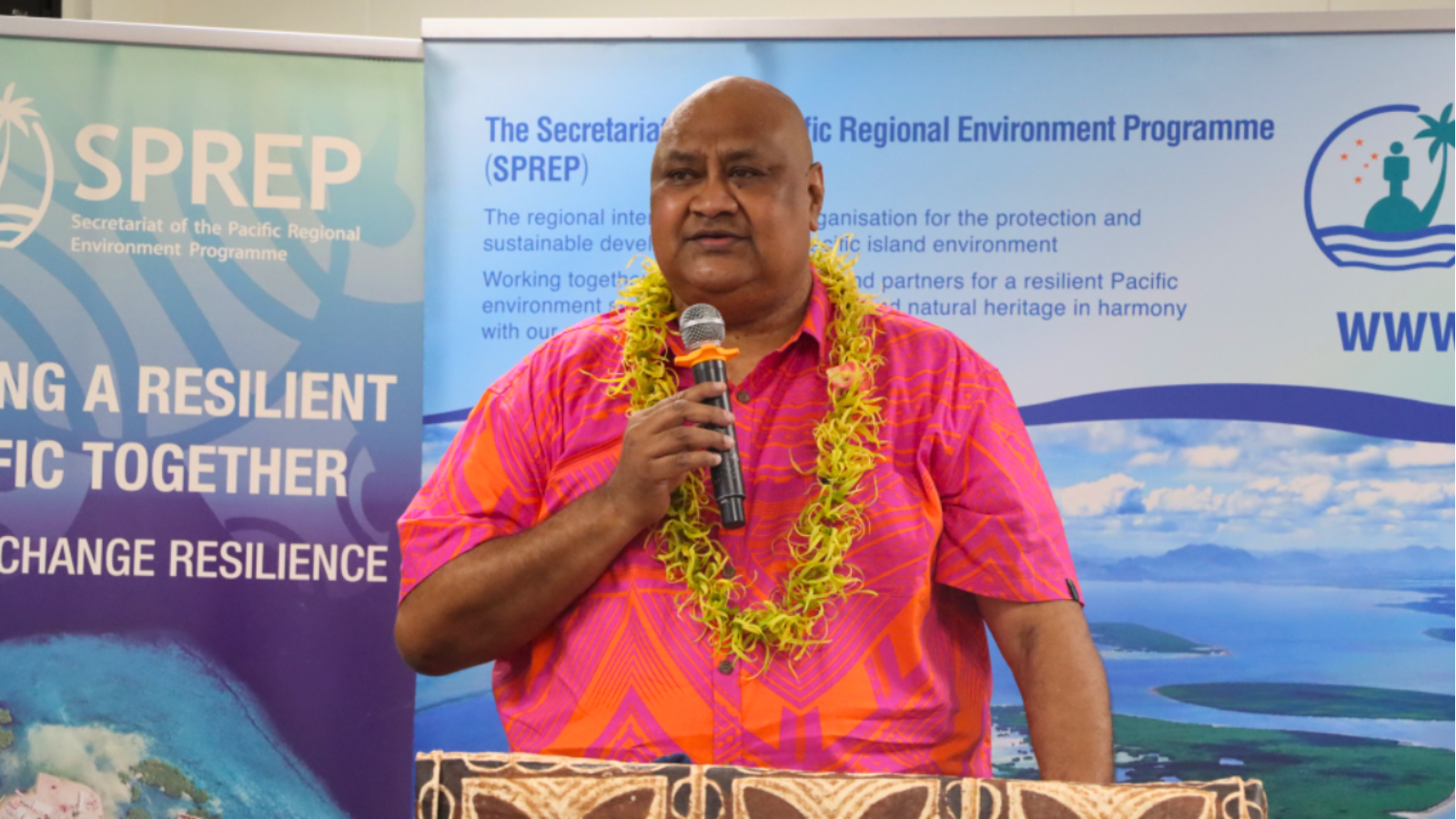
SPREP Director General Sefanaia Nawadra says Pacific countries need a climate finance system that fits the region’s realities. Photo/SPREP
“Is finance reaching our communities faster?” Nawadra asked. “The Pacific is not asking for special treatment. We are asking for a system that fits our realities."
For Pacific youth, Iga says being included in those decisions cannot be an afterthought.
“Young people do not need separate systems. We need to be included and we want to be included in the systems that currently exist,” she said.
She said Pacific youth are already developing solutions to respond to climate change but need a stronger place in decision-making.
Iga also called on governments, negotiators and institutions to listen to communities on the frontline and recognise the knowledge they bring to climate discussions.
She said communities should not have to repeatedly share their pain and experiences simply to be believed, particularly as many are already living with the impacts of a changing climate.

Pacific leaders, climate negotiators and delegates meet in Funafuti for Pre-COP31 ahead of the global climate talks in Türkiye. Photo/Fiji government
She urged leaders and chief negotiators at Pre-COP31 to take the experiences shared in Fiji into the COP31 negotiations and remember the people and relationships behind the negotiating text.
Her message was direct: climate decisions made in conference rooms must reflect the reality facing Pacific communities.
“The time to act is now, as in right now, not the future,” Iga said.
The Pre-COP31 talks in Nadi end on Thursday. COP31 kicks off in Türkiye in November.