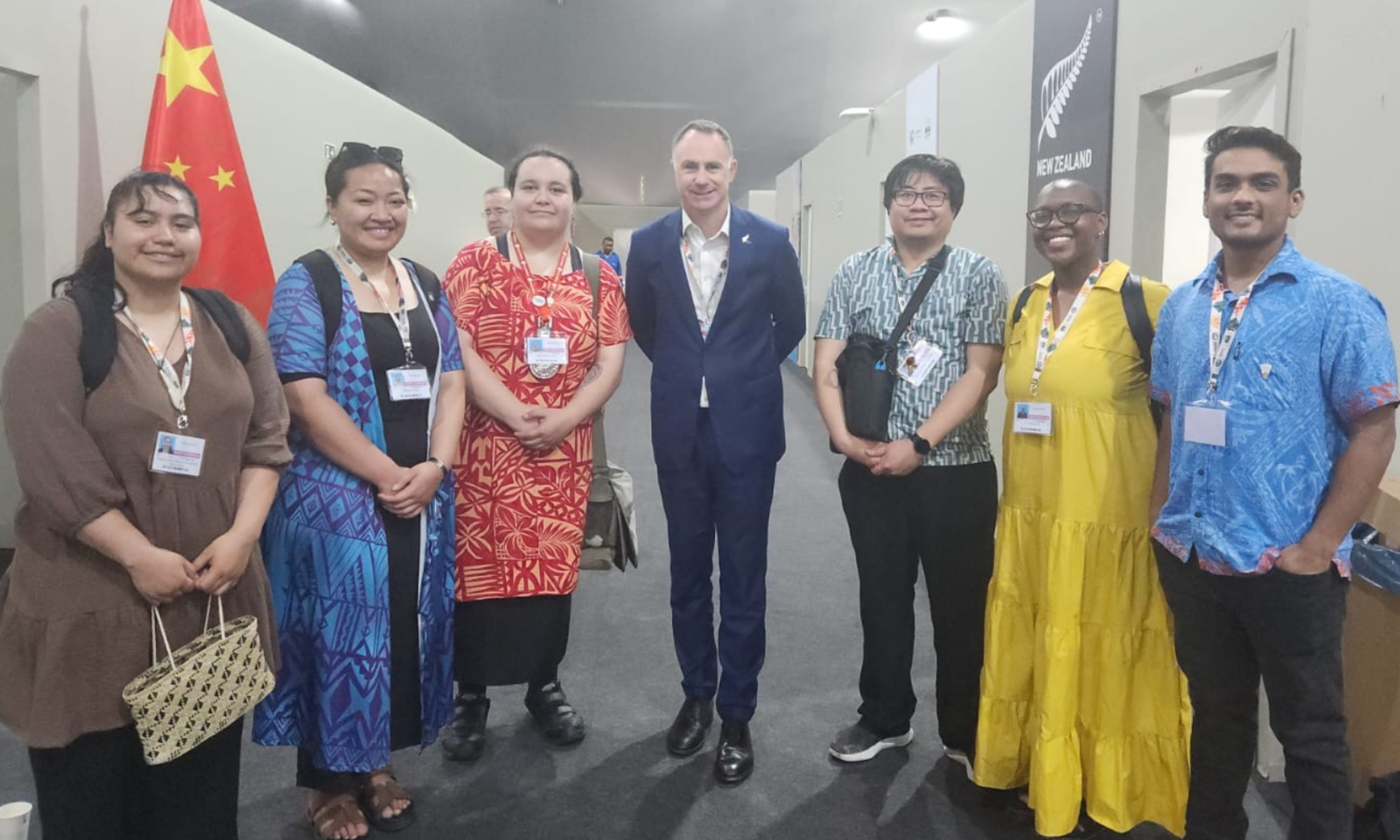
Save the Children delegates at COP30, with Climate Change Minister Simon Watts.
Photo/Supplied
Environment
Pacific youth lead charge on climate action post-COP30
Young Pacific leaders are urging world leaders to listen to their voices and prioritise climate action for their communities, sharing lessons from COP30.

Khalia Strong
Published
12 December 2025, 1:17pm
Share
Copy Link
Top stories
Pacific leaders unite as climate talks enter crucial run to COP31
Christine RovoiWed, 22 Jul
From awe to confidence as the Fijian Drua back themselves in women's rugby final showdown
Latonya LoleWed, 22 Jul
Tokelau fisheries row: NZ rejects claims of increased control
Christine RovoiWed, 22 Jul
Top stories
Pacific leaders unite as climate talks enter crucial run to COP31
Christine RovoiWed, 22 Jul
From awe to confidence as the Fijian Drua back themselves in women's rugby final showdown
Latonya LoleWed, 22 Jul
Tokelau fisheries row: NZ rejects claims of increased control
Christine RovoiWed, 22 Jul
Pacific youth are determined to keep climate action on the global agenda, following the United Nations Conference of the Parties (COP) summit in Brazil.
The climate change conference concluded last month, with estimates of up to 45,000 attendees, but conversations are now turning to Pacific leadership and the way forward.
Toa Sifia Fonoti and Vira Paky, part of Save the Children New Zealand’s delegation, arrived from Belém early last week. Speaking in their first interview since the conference, Fonoti, 19, tells William Terite on Pacific Mornings the conference offered both hope and challenges.
“Going in, I could just feel the energy of COP30. There were so many people communicating, sharing stories, sharing ideas and doing so much learning. I couldn’t help but feel the hope and excitement from all types of people.”
Fonoti is studying towards a Bachelor of Primary Education at Auckland University of Technology and was the 2024 Generation Hope Ambassador. She says this passion guides her international advocacy.
“One of the big things that I was looking out for was children's rights and how young people and children are seen in the climate conversation. So it's really important that young people's voices are heard and that their safety on this planet is a top priority.”
Watch the full interview with Toa Sifia Fonoti (left) and Vira Paky below.
Paky, who was attending the conference for the second time, is proud of the progress from the Mutirão Decision, an agreement that clearly sets out how countries will implement climate action between now and 2030.
She tells Terite it will impact intergenerational equity and fairness in climate decision-making.
“It is quite often that children and young people are implicitly discussed in these documents, but here we have it in the black and white that children and young people will be one of the high priorities and referenced as a priority group when it comes to climate decision-making, which is a huge win.”
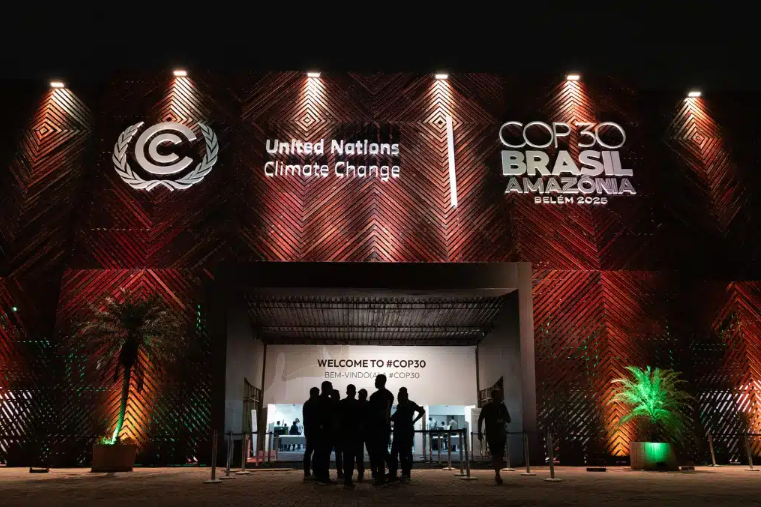
More than 40,000 delegates attended COP30 in Brazil. Photo/Earth.org
The conference outcome was overshadowed by a decision to hold the next COP in Türkiye, after Australia dropped its hosting bid. Australia’s withdrawal means Türkiyewill now host COP31, but Pacific countries will still gather for a regional pre-COP meeting to shape a joint negotiating position.
Paky says they are committed to keeping the Pacific voice at the forefront of climate discussions.
“Other stakeholders might theorise about climate change, but we have the lived experience and they can't ignore what we bring to the table. Even though Australia isn’t hosting COP31, we’re going to have a pre-COP in the Pacific. Australia’s going to hold the negotiation so we’re going to have a very Pacific-focused agenda on the table.”
Looking forward, Fonoti says: “Sharing the space and encouraging other young people to join in… the climate space is their conversation to be having too.”
Continued efforts on climate change
Their reflections follow wider youth action across Aotearoa, New Zealand, including new work from climate activists Sophie Handford and Mary Moeono-Kolio, who contributed to a chapter in a new book documenting Pacific youth leadership in climate activism.
Moeono-Kolio, who helped establish the Pacific Climate Warriors in Wellington, spoke with Tofiga Fepulea’i on Island Time last week. She describes their chapter, Seeds of Solidarity: The Role of the Youth Climate Movement in the Fight for Climate Justice.
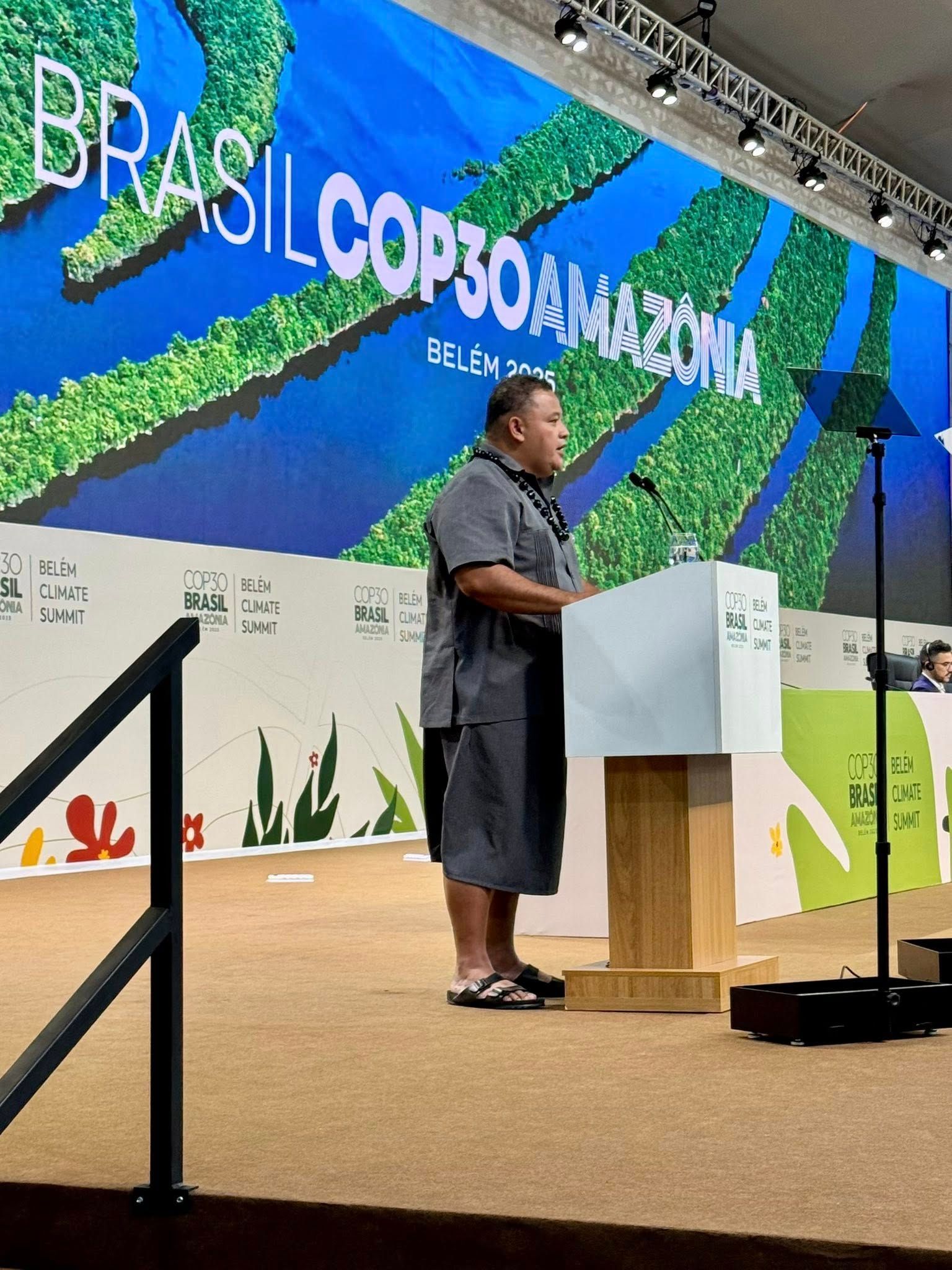
Tuvalu MP Maina Vakafua Talia delivers Tuvalu's National Statement at COP30. Photo/Facebook
“It is about ensuring Pacific voices, and those most impacted such as tangata whenua and people with disabilities, are truly at the table. We need to find ways to bring them into movements and systems that are not always built for us, challenge the structures in place, and work with allies who can help push for what is fundamentally right.”
Handford, a founding member of Strike 4 Climate, tells Fepulea’i the collective action of rallying diverse voices together is powerful.
“When we talk about what it means to build a movement and to keep a movement alive, it's built off of those relationships and especially relationships with friends and people in our communities who have different perspectives to ourselves. We can't build a movement if we're all bringing the same knowledge and the same understanding of what it means to be in the system or to try and shape the system.”
The chapter appears in Kiwis in Climate, a forthcoming collection published by Bateman Books showcasing stories of climate leadership across Aotearoa. Their contribution focuses on Pacific youth organising and the future of climate justice movements.
With COP31 preparations underway, Pacific youth leaders say their message remains the same: their communities are on the frontline, and their voices must be central in every climate decision ahead.
Kiwis in Climate is available for pre-order and will be launched in March 2026.
Watch the full interview with Sophie Handford (left) and Mary Moeono-Kolio below.