
Fiji reviews suspected cyber breach at Suva regional organisation
Christine RovoiThu, 15 Oct
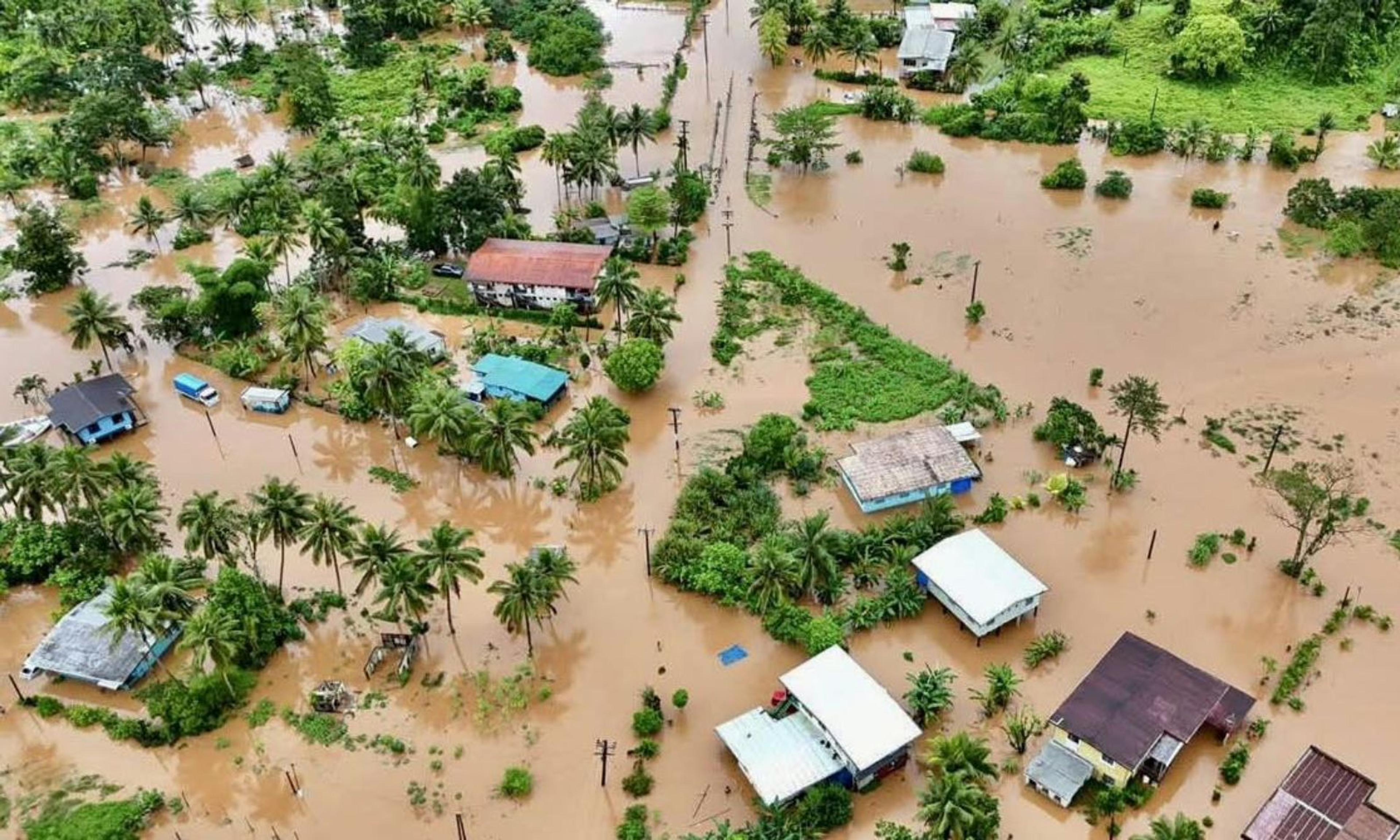
Communities across Solomon Islands, Fiji and Papua New Guinea are assessing the damage left by Cyclones Maila and Vaianu as governments begin relief efforts.
Photo/Facebook/MaiTV
As cyclones Maila and Vaianu leave a trail of damage across Melanesia, official updates from Aotearoa and Australia remain limited as governments monitor the situation.


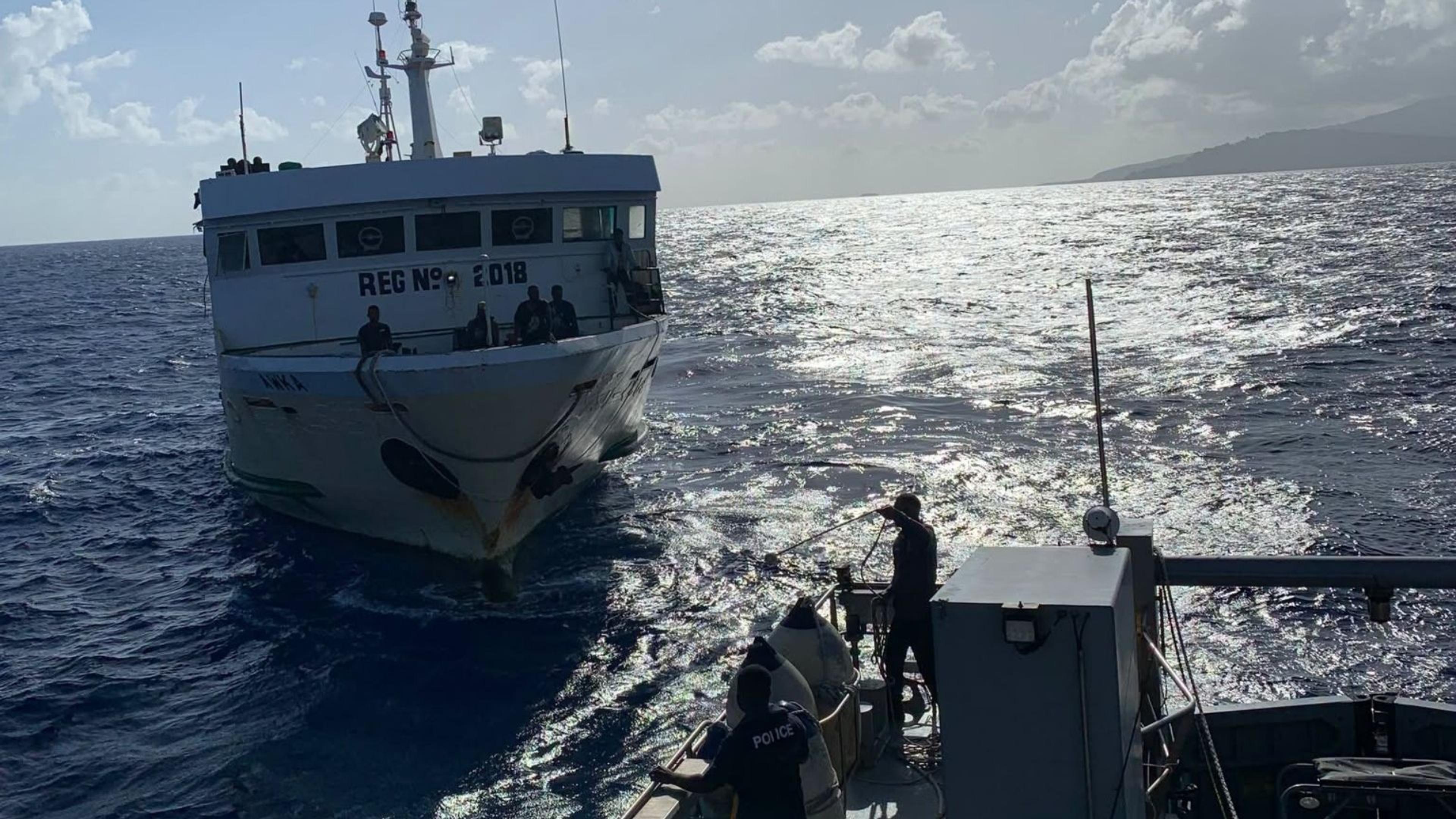

While Solomon Islands, Papua New Guinea, and Fiji assess the damage from Tropical Cyclones Maila and Vaianu, official updates from New Zealand and Australia on wider relief efforts have been limited so far.
The situation comes as both Aotearoa and Australia monitor the systems with the storms expected to affect both countries in the coming days.
On the ground, Pacific governments are already moving.
In Solomon Islands, the government has taken the lead with an initial emergency allocation.
Prime Minister Jeremiah Manele has committed an initial SI$10 million (NZ$2.12m) to emergency relief after Cyclone Maila caused widespread damage across parts of the country.
Early reports point to heavy impacts on homes, public infrastructure, and livelihoods.
In his address to the nation on Thursday, Manele said cabinet had approved the funding to support immediate humanitarian needs. This includes food supplies, safe drinking water, basic shelter, and hygiene items.
Authorities have activated response arrangements under the National Disaster Management Plan 2018. The National Disaster Management Office and provincial emergency operations centres are leading coordination.
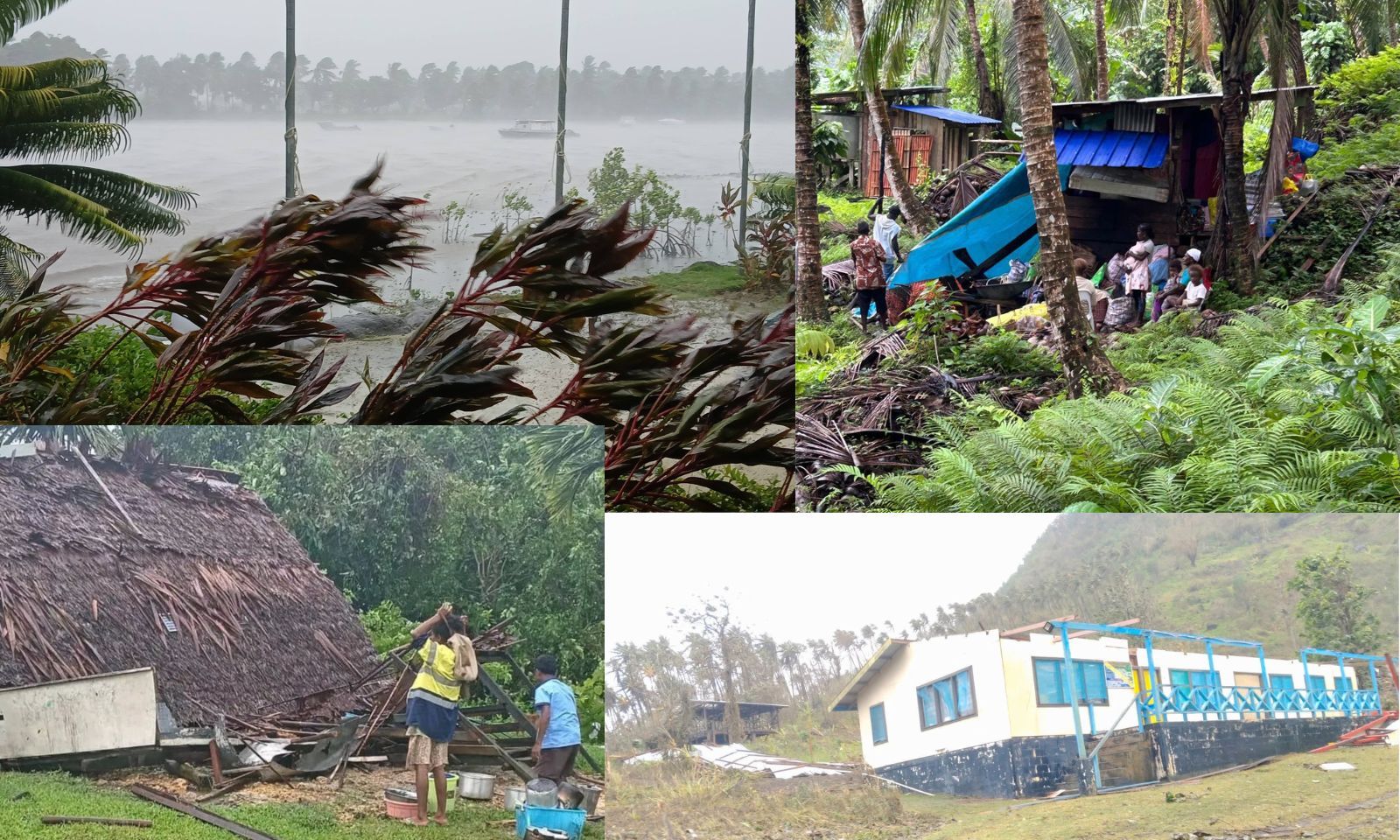
Homes, schools, and key infrastructure have been damaged in parts of Solomon Islands, with Western, Choiseul and Isabel provinces among the hardest hit. Photo/Facebook
Initial assessments point to serious disruption in Western, Choiseul, and Isabel provinces, with damage to homes, schools, health facilities and transport networks.
Officials say the full scale of destruction is still unclear as teams struggle to reach some areas.
The government is working with churches, civil society, and the private sector to deliver aid despite ongoing logistical challenges.
In Fiji, the focus is shifting quickly from response to recovery.
Prime Minister Sitiveni Rabuka confirmed a FJ$5m (NZ$3.86m) contingency fund is ready as assessments continue following Cyclone Vaianu.
Watch Sitiveni Rabuka's address to the nation below.
“We are grateful that there have been no reports of fatalities," Rabuka said in his address to the nation on Thursday. "The government has moved quickly to respond.
"Enforcement and public safety measures are in place, with support from the Fiji Police Force and the Republic of Fiji Military Forces.”
Teams are already on the ground restoring essential services while health officials remain alert to the risk of waterborne diseases after flooding.
While schools in the capital reopened, several across the western division remain closed as a precaution.
Rabuka said donor partners are on standby to assist if needed as assessments continue.
In Papua New Guinea, the response is still taking shape as the government gathers information from affected provinces due to Cyclone Maila.
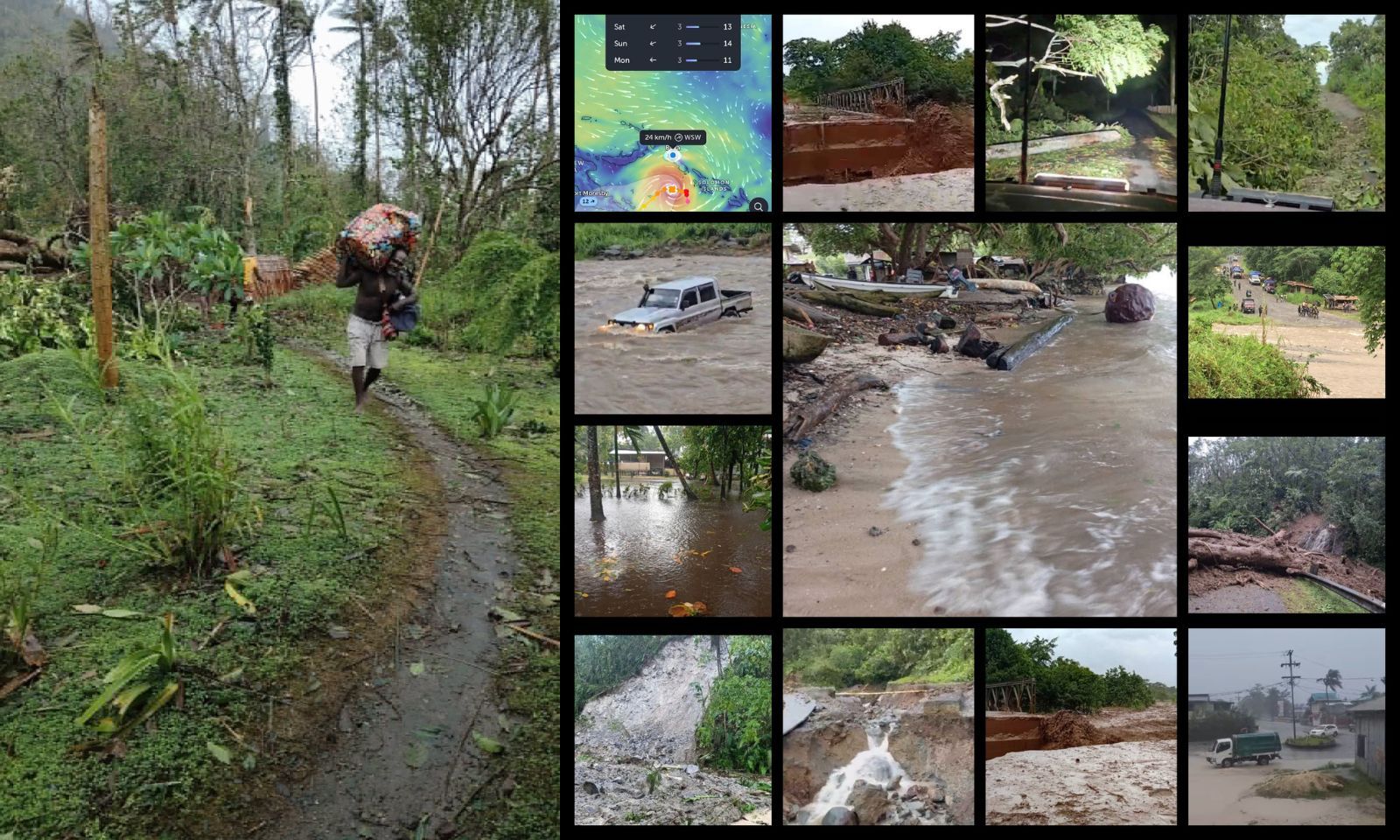
In Papua New Guinea, affected communities are calling for urgent support as officials continue to assess the full impact of Cyclone Maila. Photo/Facebook
Prime Minister James Marape’s cabinet is waiting for assessment reports before deciding on support measures but early action is underway.
Provincial authorities in Milne Bay have activated emergency operations centres while utility crews are working to restore power, water, and airport services in affected areas.
The PNG Defence Force is also on standby to deploy engineers for rescue and recovery work if required.
Communities in hard-hit areas, including Woodlark Island, have reported damage to food gardens and homes with urgent calls for assistance.
A spokesperson for New Zealand’s Ministry of Foreign Affairs and Trade (MFAT) says officials are monitoring Cyclone Maila closely.
Watch Save The Children Pacific director Kim Koch's full interview on Pacific Mornings below.
“New Zealand’s thoughts are with the people of Solomon Islands and Papua New Guinea that have been impacted by Tropical Cyclone Maila.”
The ministry says a New Zealand Defence Force P-8A Poseidon aircraft will fly over affected areas in the Solomon Islands to help assess damage.
“Officials continue to closely monitor the impact of the Tropical Cyclone on Solomon Islands and Papua New Guinea.
“New Zealand has made emergency funding available to respond to requests from Solomon Islands and Papua New Guinea authorities to support in-country response efforts.”
Officials say any offshore support will be balanced against Cyclone Vaianu, which is expected to affect New Zealand in the coming days.
“Tropical Cyclone Vaianu is expected to impact New Zealand in the coming days. Any New Zealand assistance offshore will not draw resources away from possible domestic response efforts.”
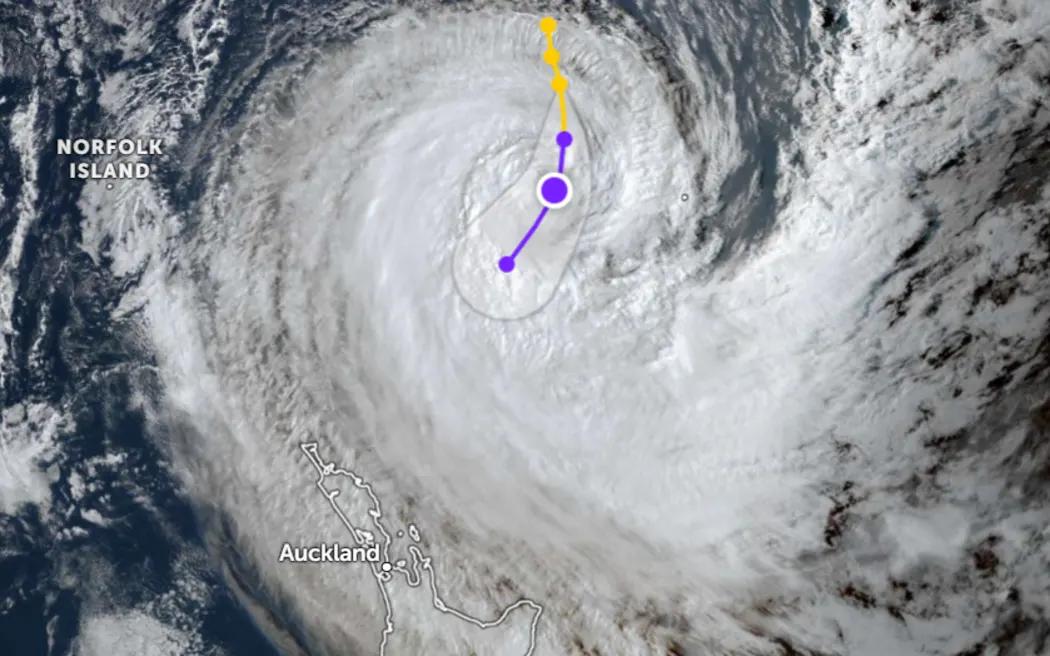
Satellite image of Cyclone Vaianu showing the potential track as it heads towards New Zealand. Photo/Zoom Earth
New Zealand says it remains ready to respond to further requests for assistance from Pacific governments.
“New Zealand stands ready to consider any further requests for assistance from the Governments of Solomon Islands and Papua New Guinea and assist where we can," the MFAT spokesperson said.
A spokesperson for Australia's Department of Foreign Affairs and Trade (DFAT) said: "We are closely monitoring the movements of Tropical Cyclones Maila and Vaianu.
"Australia is in regular contact with its Pacific counterparts and stands ready to assist impacted countries."
Together, the Solomon Islands, Papua New Guinea, and Fiji highlight a familiar Pacific reality: local response comes first even as international support is expected to follow.
For now, attention remains on whether and when Aotearoa and Australia will step in.
This story has been updated to include MFAT and DFAT's response.