
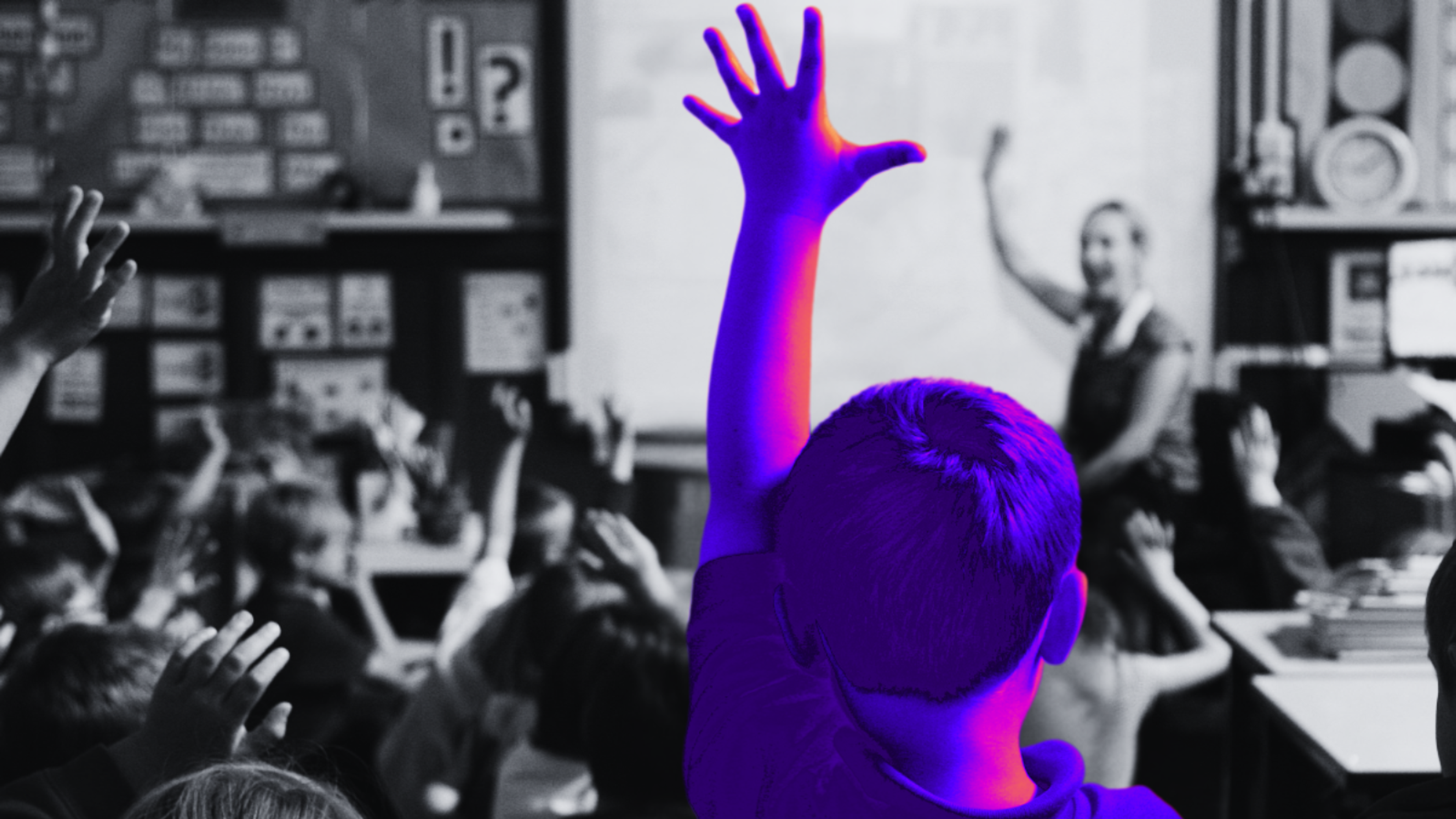
Rowandale School Principal Karl Vasau said every child is different: "They learn at different speeds, different paces, different times."
Photo/Supplied
Education
Budget maths boost welcomed but principal warns against relying on measure of success
The Government says maths results are improving after new Budget funding but principal Karl Vasau says schools are still under pressure and warns no single test shows the full picture of student learning.
Renate Rivers
Published
19 May 2026, 5:09pm
Share
Copy Link
Top stories

World Vision warns children will pay for aid cuts beyond the Pacific
Thomas Tarurongo WynneMon, 12 Oct
Top stories
World Vision warns children will pay for aid cuts beyond the Pacific
Thomas Tarurongo WynneMon, 12 Oct
Schools across New Zealand are preparing to roll out new maths changes backed by $131.3 million in Budget 2026 as the Government says student achievement is beginning to improve.
But at Rowandale School in South Auckland, Principal Karl Vasau says the reality in classrooms is more complex than the numbers suggest.
This Friday, he will bring his entire staff together for a teacher-only day to work through new maths curriculum requirements and what they mean for teaching and learning on the ground.
There are no students in class, just teachers trying to make sense of a system that is changing quickly.
The Budget investment includes 12 initiatives over four years. It features $29.7 million for maths support, a new Year 5 times tables and division check, classroom maths resources for every Year 0 to 8 school, and 36 additional full-time maths teachers.
A further $43.5m will go into professional learning and development, with a focus on helping school leaders use achievement data more effectively.
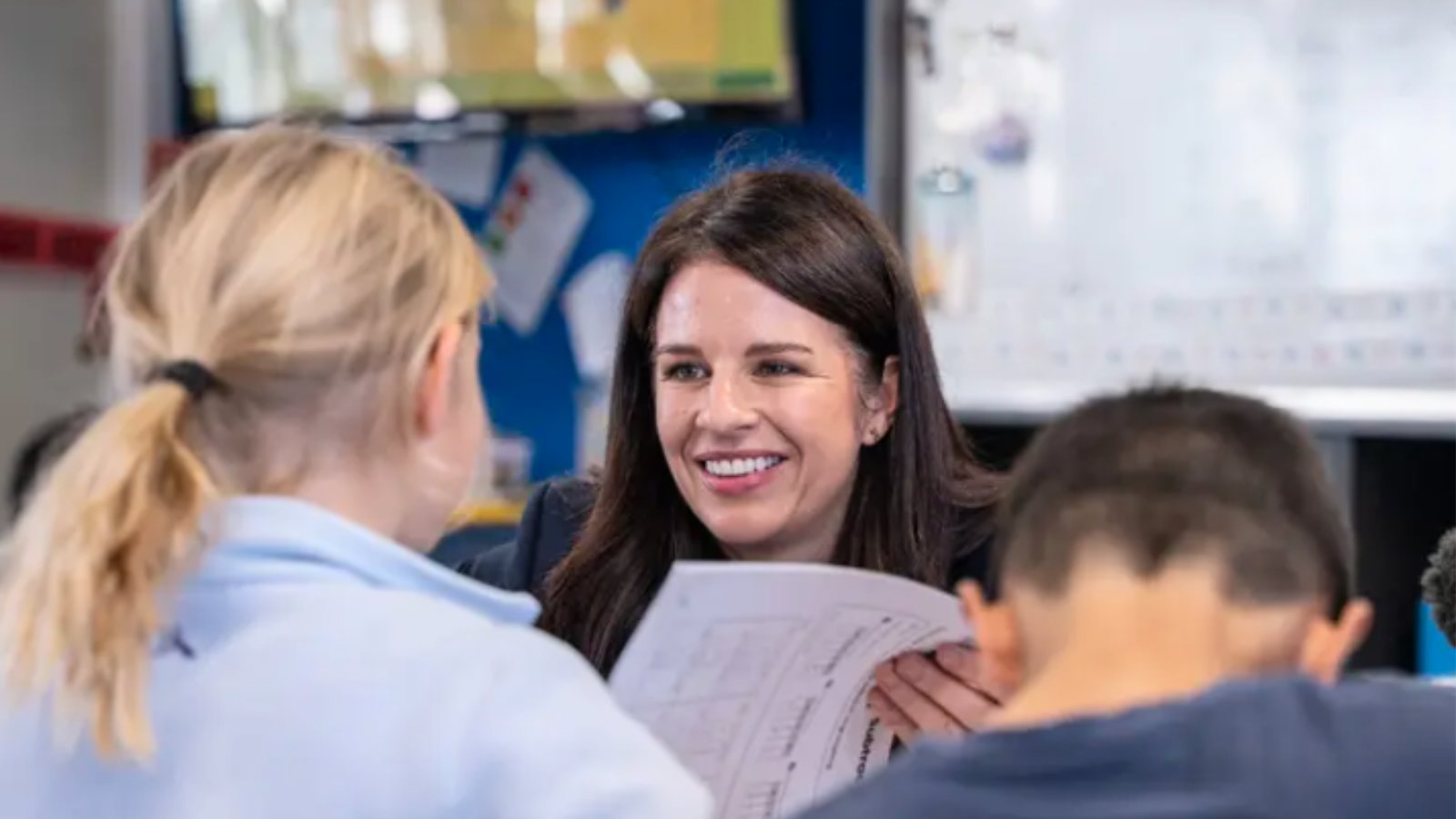
Education Minister Erica Stanford says government has been very clear that the focus is on teaching in a way that works. Photo/National Party
Education Minister Erica Stanford says the latest Curriculum Insights and Progress Study (2025) confirms the shift.
"Since coming into government we have been very clear that our focus is on teaching in a way that works," she said at a press conference on Monday.
"Parents expect that their child will learn to read well, write confidently and succeed in maths no matter which school they're at around New Zealand, and that is not an unreasonable expectation."’
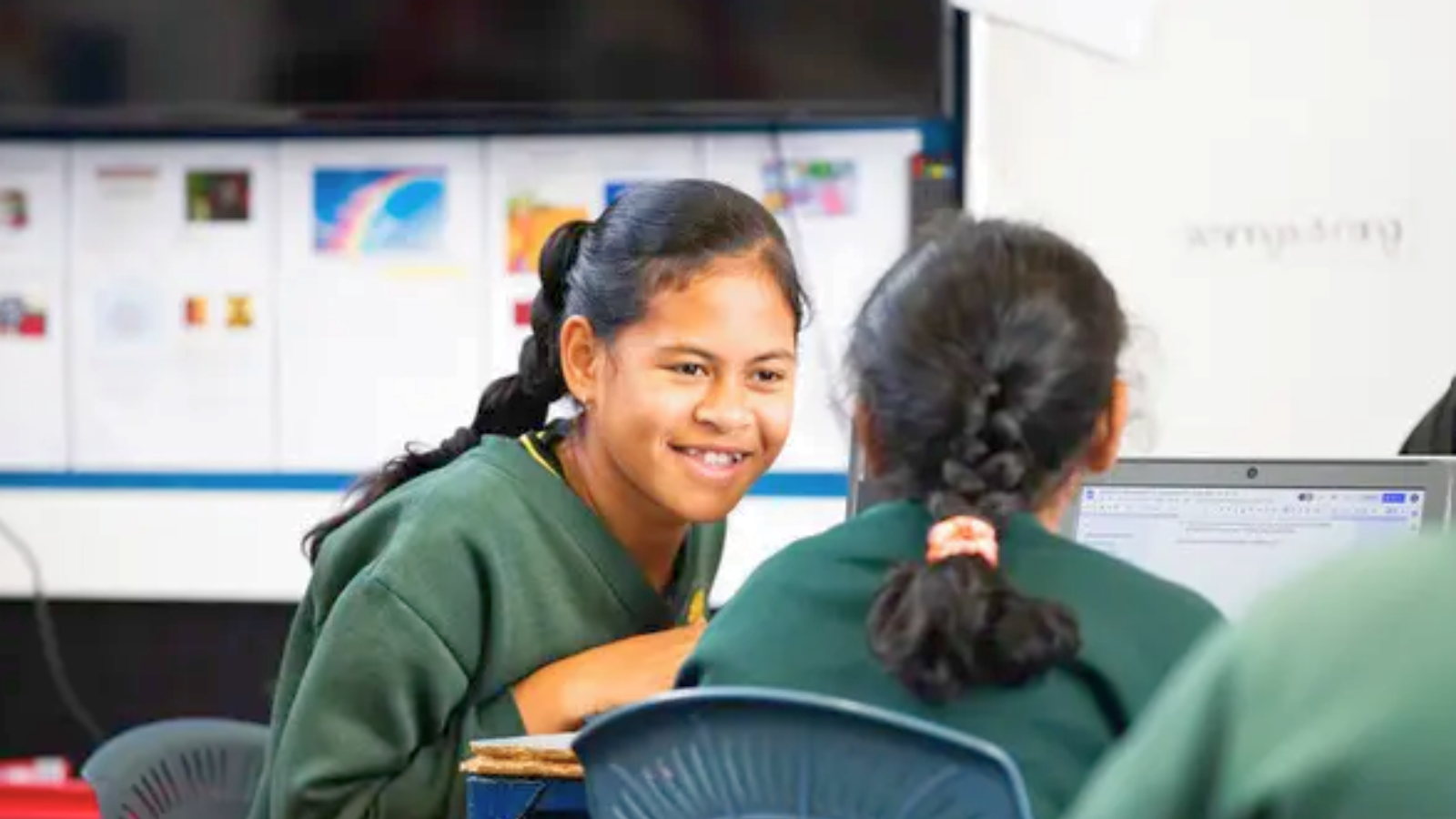
Vasau says targeting teaching methods matter even more for Pacific learners, who need to see their culture and identity reflected in what they are learning. Photo/Ministry of Education
The data shows 36 per cent of Year 6 students are now meeting or exceeding maths expectations, up from 30 per cent in 2024 and 28 per cent in 2023.
But Vasau says no single number can capture what is happening inside a classroom.
"A child is always different to another child," he told William Terite on Pacific Mornings. "They learn at different speeds, different paces, different times.
“What we need to do is just make sure that whatever we're offering is targeted towards the needs of the child."
He says that matters even more for Pacific learners, who need to see their culture and identity reflected in what they are learning.
"Maths is an integral part of all our cultures when we look at traditional practises and traditional ways of doing things," Vasau said.
Listen to Karl Vasau's interview below.
What matters most, he adds, is whether students can connect with what they are being taught.
"They're able to apply it. They're able to enjoy it. They're able to explore it,” Vasau said.
But the equity gap remains. The Curriculum Insights data shows Māori and Pacific students continue to achieve lower average scores than other students across maths, reading and writing, with gaps described as moderate to large and statistically significant.
On the new Year 5 maths check, Vasau supports the focus on basic skills but it should not be used on its own to judge progress.
"Teachers need to triangulate data, they need to take data from different sources in order to give an accurate picture of a child's achievement. The test alone is not enough," he said.
The $43.5 million professional learning package, which includes building leaders' capability to use achievement data, speaks directly to that concern. But Vasau says schools are already carrying a heavy workload as they adapt to ongoing change.
Watch Erica Stanford announce government reforms below.
"That's the million-dollar question for lots of schools," he said. "We're trying to navigate this change in a way that ensures our staff can cope, our students can cope in our communities."
Vasau says one of the biggest challenges is uncertainty. "The hardest bit about these changes, especially with the test, is we don't know what they look like.
“We don't know what the funding is in relation to resourcing. We wait and hope that this type of funding is something we can manage as a school," he said.
His message to policymakers is simple: slow the pace and listen to schools.
"The voice of teachers, the voice of schools, needs to always be incorporated. Understanding what's happening on the ground needs to drive the level, or the speed, of this implementation."
The government has set a target for 80 per cent of students to be at the curriculum level by 2030.
But schools say the challenge will be making sure reforms work in every classroom, not just in the data.