
Fiji reviews suspected cyber breach at Suva regional organisation
Christine RovoiThu, 15 Oct
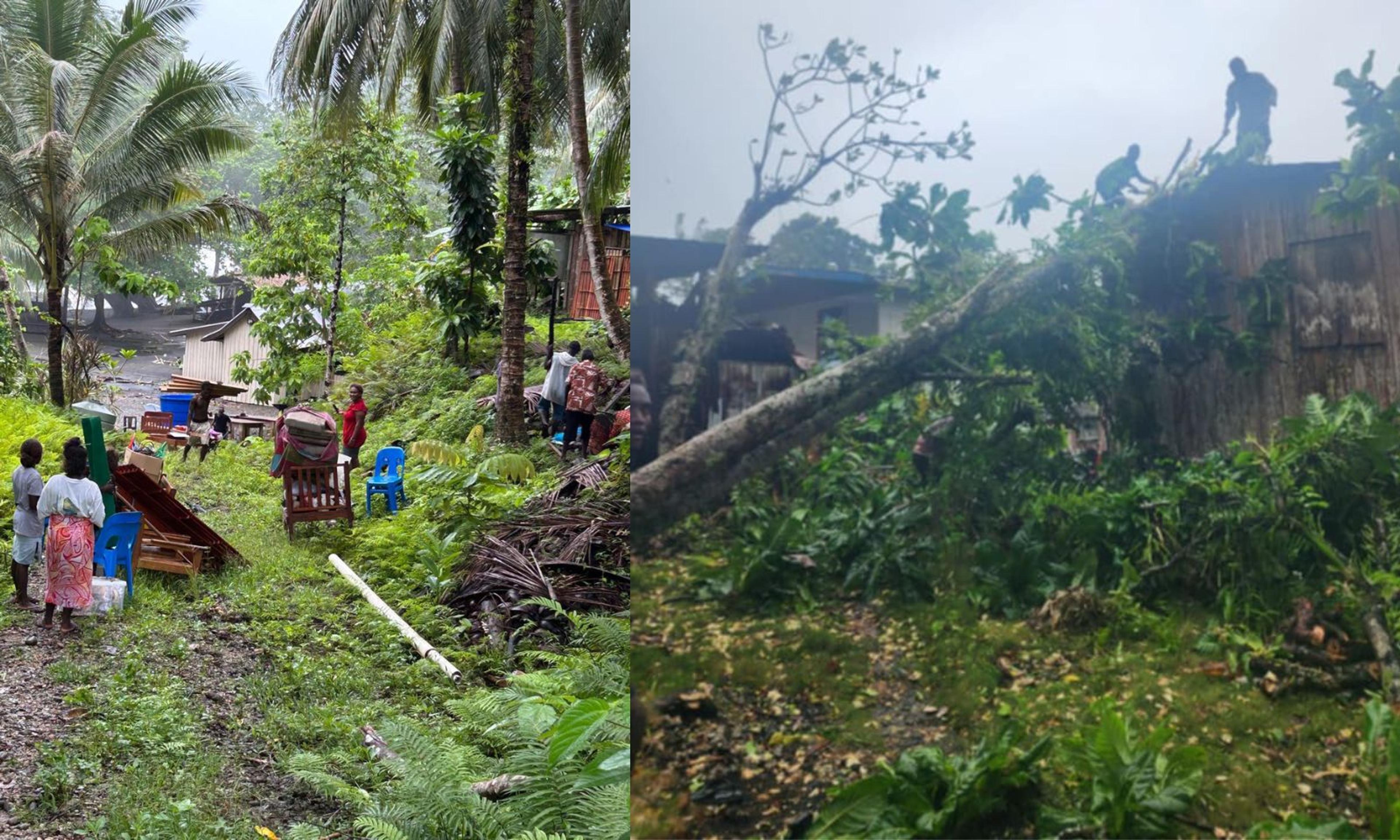
Families in Solomon Islands move to higher ground as Cyclone Maila batters coastal communities, leaving homes damaged and roads cut off.
Photo/Facebook/Solomon Star
Days of relentless storms have left parts of the Pacific isolated and struggling as attention shifts south with Cyclone Vaianu now tracking towards Aotearoa New Zealand.


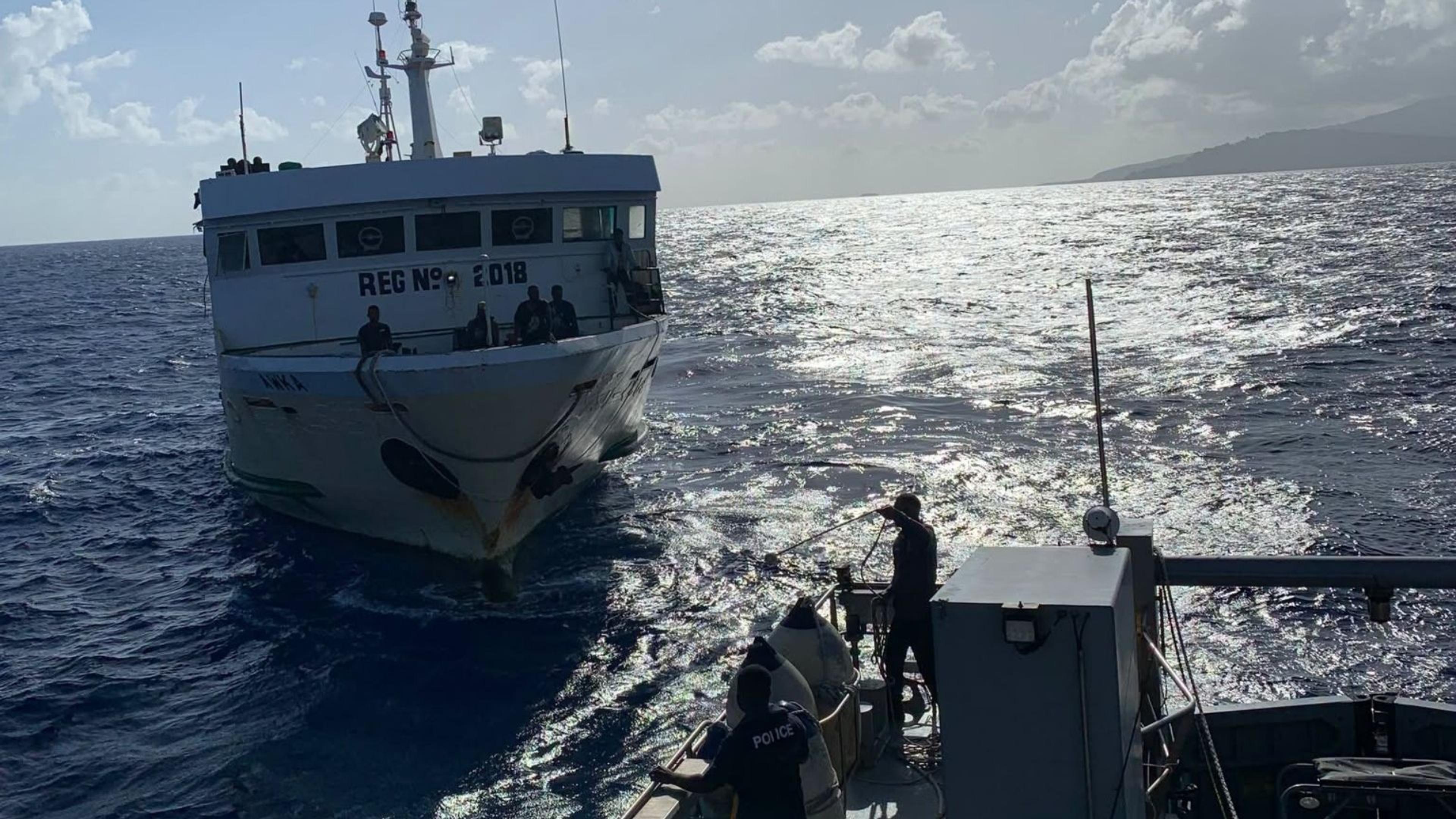

Communities across the Pacific are cut off, exhausted, and still counting the cost of days of relentless cyclones as the crisis stretches across the region and shifts towards New Zealand.
In the Solomon Islands and Papua New Guinea, Severe Tropical Cyclone Maila continues to bring strong winds, heavy rain, and storm surges despite being downgraded to a Category four system.
For those on the ground, the impact is ongoing.
“Currently, the situation is that the surrounding islands and the communities are still dealing with the current disaster regarding Cyclone Maila,” Ulutah Gina, a journalist, told William Terite on Pacific Mornings.
Coastal communities remain among the hardest hit with seawater pushing inland and damaging homes.
In Gizo and nearby islands, buildings have been torn apart and small coastal structures destroyed.
“The situation is serious, but not catastrophic,” Gina said, as many families move to higher ground.
But access remains a major issue. Dangerous conditions mean emergency teams are struggling to reach affected areas, leaving some communities to cope on their own.
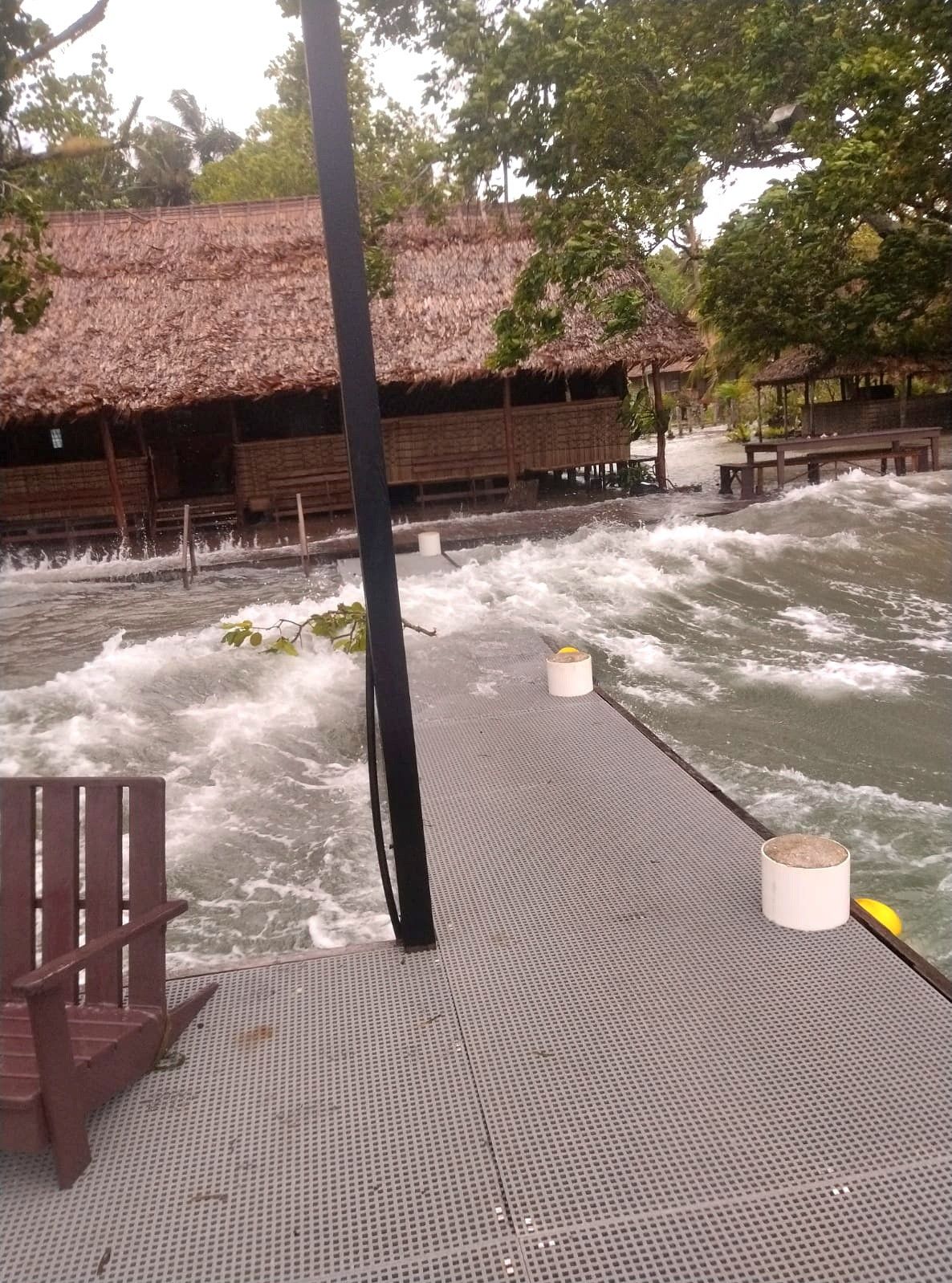
Rising seawater surrounds a bungalow at a resort in Western Province, Solomon Islands, as Cyclone Maila’s strong winds and storm surge batter coastal communities. Photo/Facebook/Zipolo Habu Resort
“I think likely people are caught off guard. They are not expecting the current disaster that is happening right now.”
Authorities say the damage is widespread. Police in Western Province describe it as the worst impact since the 2007 earthquake and tsunami, with reports of damage to schools, clinics, and homes.
In Papua New Guinea’s Milne Bay, where cyclones are rare, communities are also reeling.
“The waves are huge, and the gardens are basically underwater. All the bananas that people would want to survive on are also... fallen,” Governor Gordon Wesley said in an RNZ Pacific report.
Aid agencies say the slow-moving nature of the system is making conditions even harder.
Some areas have now spent days under constant wind, rain, and flooding, with travel by sea still too dangerous and roads blocked.
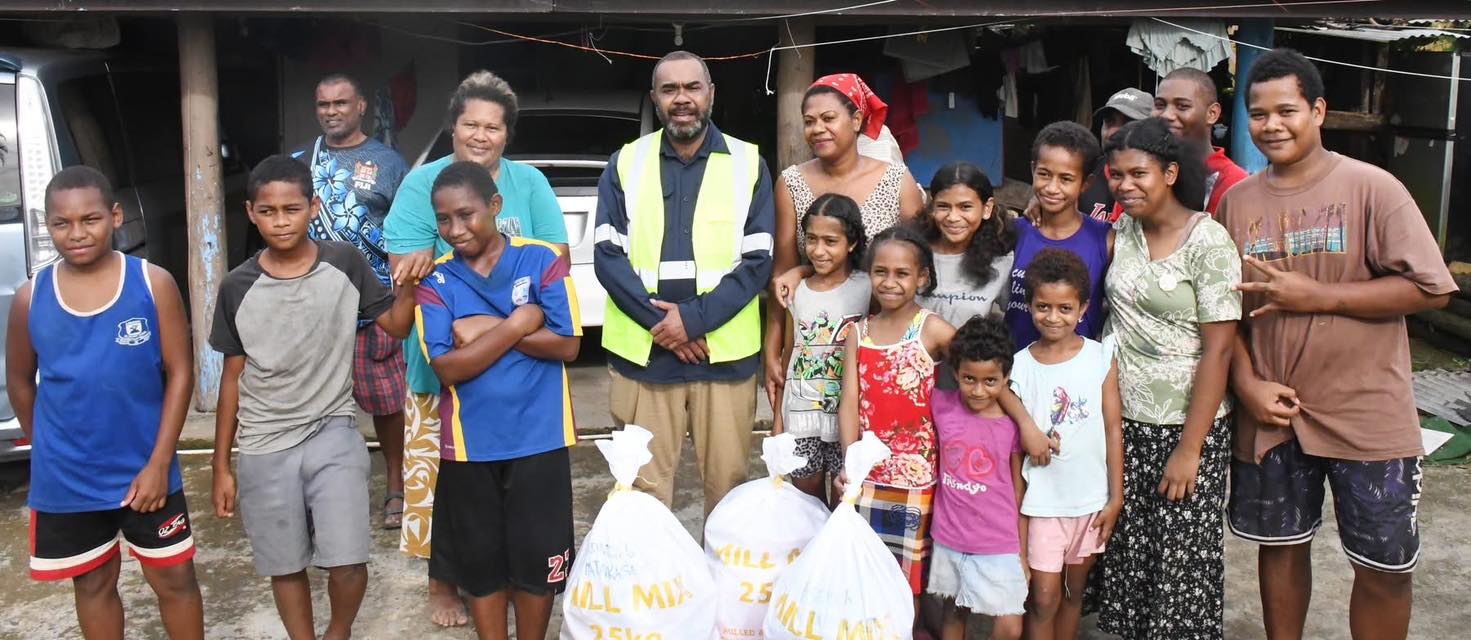
Local officials deliver aid in Fiji, where more than 500 families remain in evacuation centres after Cyclone Vaianu caused flooding and power outages. Photo/Facebook/Fiji government
Even countries not directly in the main storm paths are feeling the disruption.
A tropical cyclone warning remains in place for parts of Tonga as Vaianu passes nearby, with heavy rain, strong winds and flash flood alerts issued for Tongatapu, ‘Eua and Ha’apai.
A Fiji Airways flight from Sydney to Nadi was forced to divert to Tonga’s capital, Nuku’alofa, after severe weather from Cyclone Vaianu made multiple landing attempts unsafe, underscoring how widespread the storm’s impact has been across Pacific air routes.
“It’s been a rough week for everyone,” Kim Koch of Save the Children told Terite from the Fijian capital Suva.
While the country is beginning to recover after Cyclone Vaianu moved away, more than 500 families remain in evacuation centres and schools are still closed.
Tonga’s Chief Meteorologist Pesa Kuila said Cyclone Vaianu has weakened from a Category 3 to a Category 2 system as of 7pm Tonga time Wednesday. The storm was located around 700km southwest of Tonga and ‘Eua, near the Teleki Tonga–Teleki Tokelau region of the ocean.
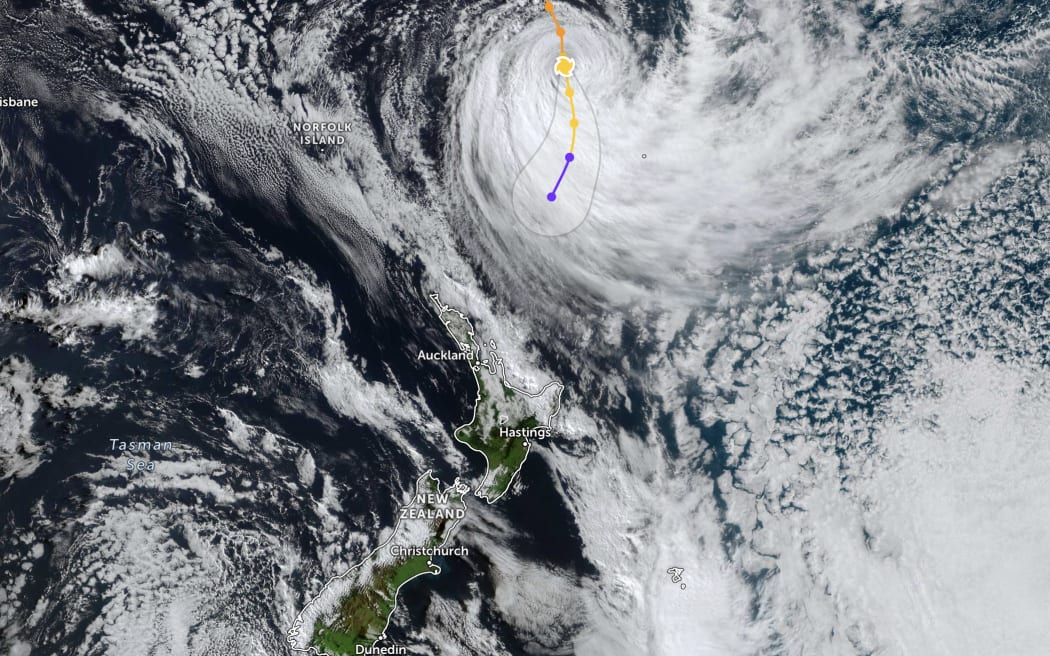
Forecasters in New Zealand monitor Cyclone Vaianu’s path, warning of strong winds and heavy rain as the storm approaches this weekend. Photo/screenshot/Zoom Earth
Koch says children are among the most affected. “These disasters disproportionately impact kids and young people.”
She warned that access to food and clean water is becoming a growing concern, with home gardens destroyed and water systems damaged in some communities.
Across the region, response efforts are underway but the scale of the disruption and the difficulty reaching remote areas is slowing recovery.
At the same time, the focus is already shifting further south. Cyclone Vaianu is now tracking towards Aotearoa.
Forecasters say it could arrive this weekend with strong winds, heavy rain, and dangerous coastal conditions.
While the system has weakened to around Category 2 strength, meteorologists say its path remains uncertain, with modelling still being closely monitored.
Watch Kim Koch's full interview below.
Northland could be the first to feel its effects late on Saturday, with Sunday shaping as the most severe day.
Forecasters warn the storm could still bring “damaging, potentially life-threatening winds” even as it transitions away from a tropical system.
The back-to-back systems highlight how quickly disasters can move across the Pacific, leaving some communities still in crisis while others brace for what comes next.
For many, the immediate danger may pass but recovery is only just beginning and for others, the storm is still on its way.
This story has been updated to include comments from Tonga's Chief Meteorologist, Pesa Kuila.