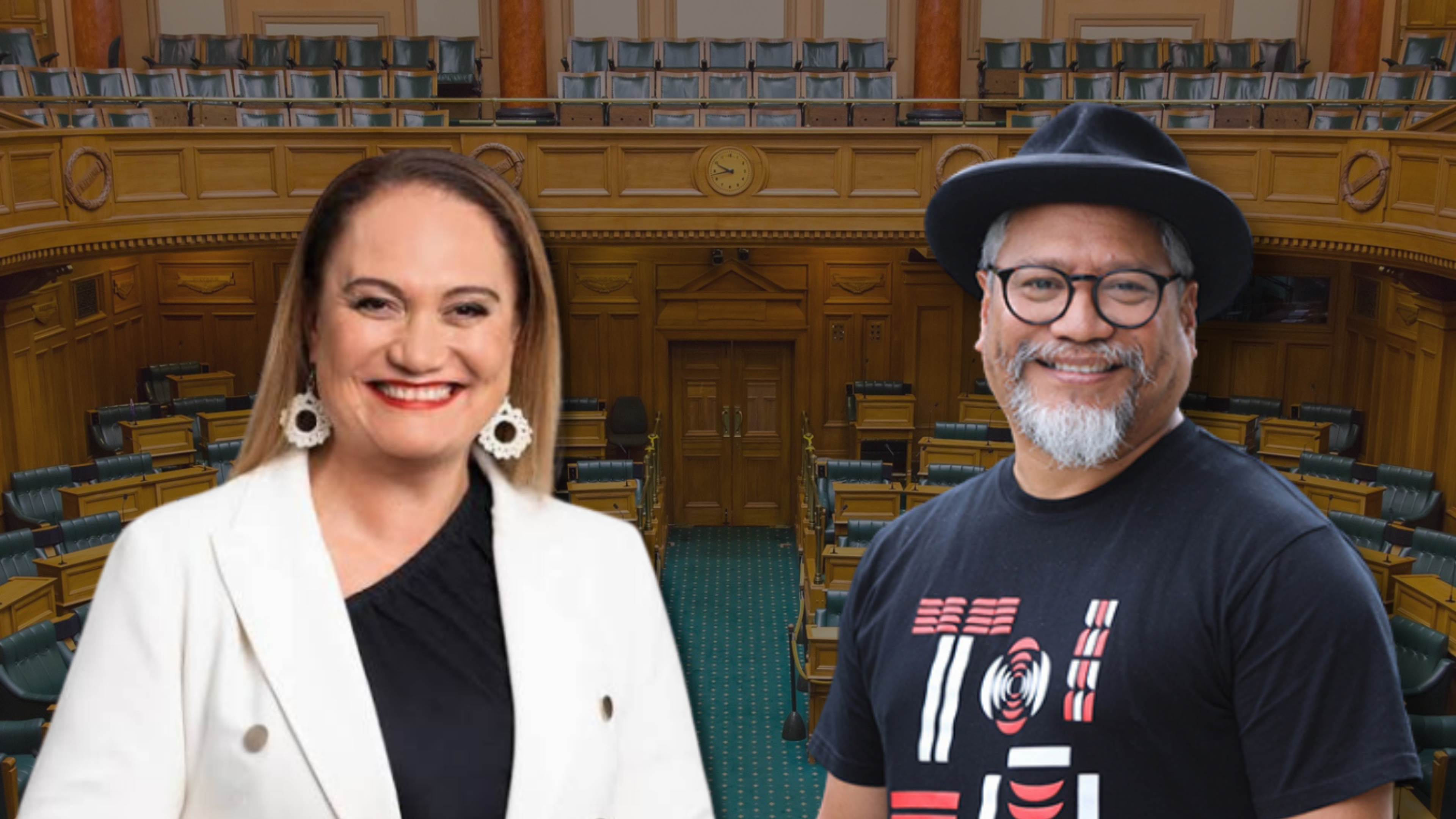
Labour and Greens clash over what's ‘transformative’ for NZ's Pacific voters
Thomas Tarurongo WynneWed, 14 Oct
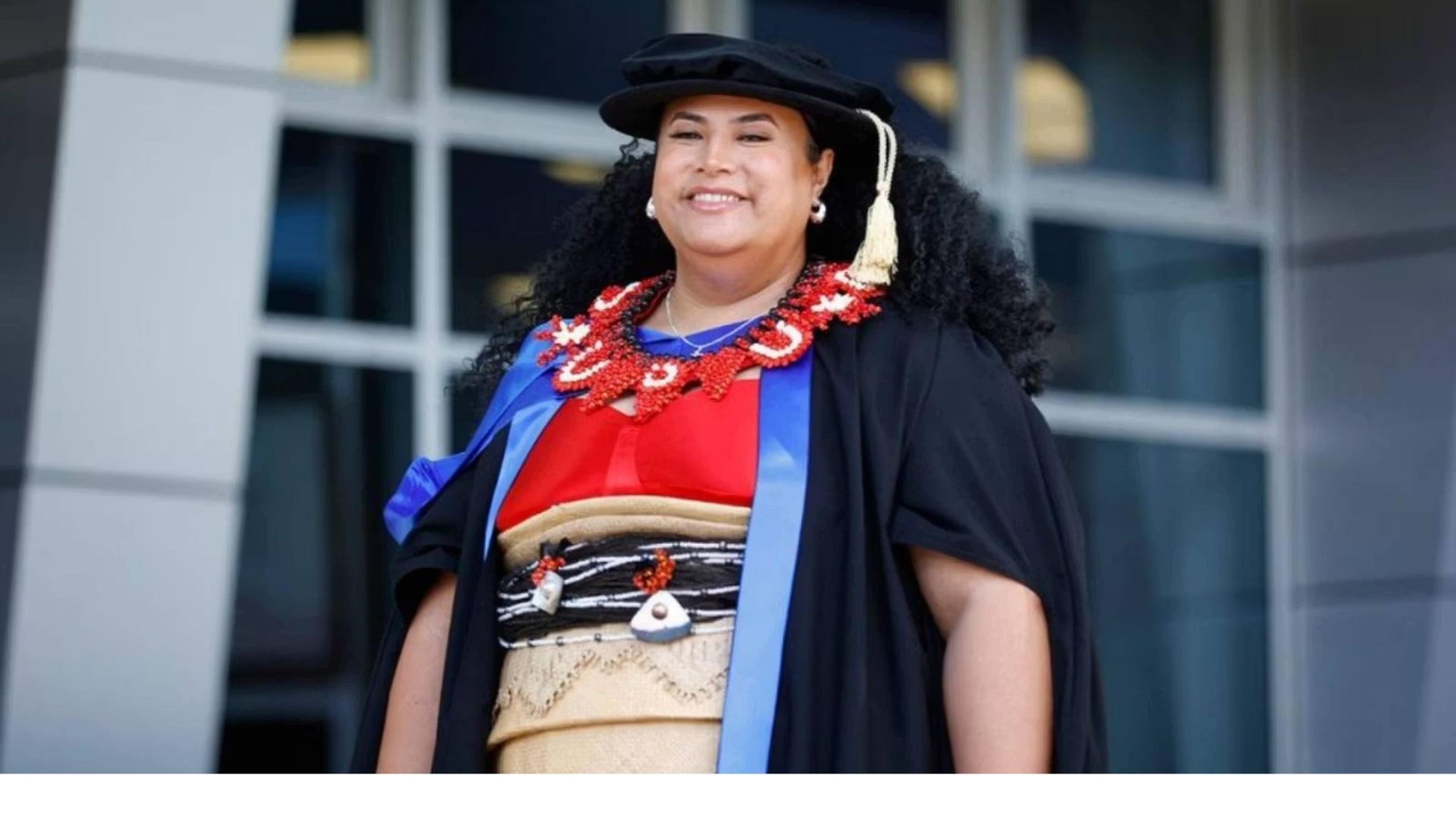
Dr Penni Wolfgramm, clinical psychologist and Pacific Rainbow advocate, says she is concerned about the proposed bill defining “man” and “woman”.
Photo/University of Auckland/Chris Loufte
The Legislation (Definitions of Woman and Man) Amendment Bill has passed its first reading in Parliament but critics warn it could harm transgender and non-binary communities.


A bill aiming to set legal definitions for the words “man” and “woman” has passed its first reading in Parliament and is now heading to the select committee.
But the proposed Legislation (Definitions of Woman and Man) Amendment Bill has already sparked strong debate across New Zealand.
According to the Bill's general policy statement, it would ensure clarity and consistency in New Zealand law by defining ‘woman’ as ‘an adult human biological female’ and ‘man’ as ‘an adult human biological male’.
Supporters of the bill, which aims to amend the Legislation Act 2019, say it is about biological clarity and protecting women’s spaces.
New Zealand First, which introduced the Member's Bill, has said: "the bill is not about being anti-anyone or anti-anything. This is about ensuring we as a country focus on the facts of biology and protect the term 'woman' in law.
"NZ First is the only party that campaigned on keeping men out of women’s sports, keeping men out of women's and girls' changing rooms, and we have received two petitions this term calling for protecting the term ‘woman’ in legislation," party leader Vaovasamanaia Winston Peters said in a statement.
"We were told at the time that we were going down a ‘rabbit hole’ and ‘on another planet’.
"But if you look at recent events, both internationally and in New Zealand, the pendulum is swinging back towards common sense and is proving us right.
"It would provide greater clarity in law through biological definitions of 'man' and 'woman'," Peters said.
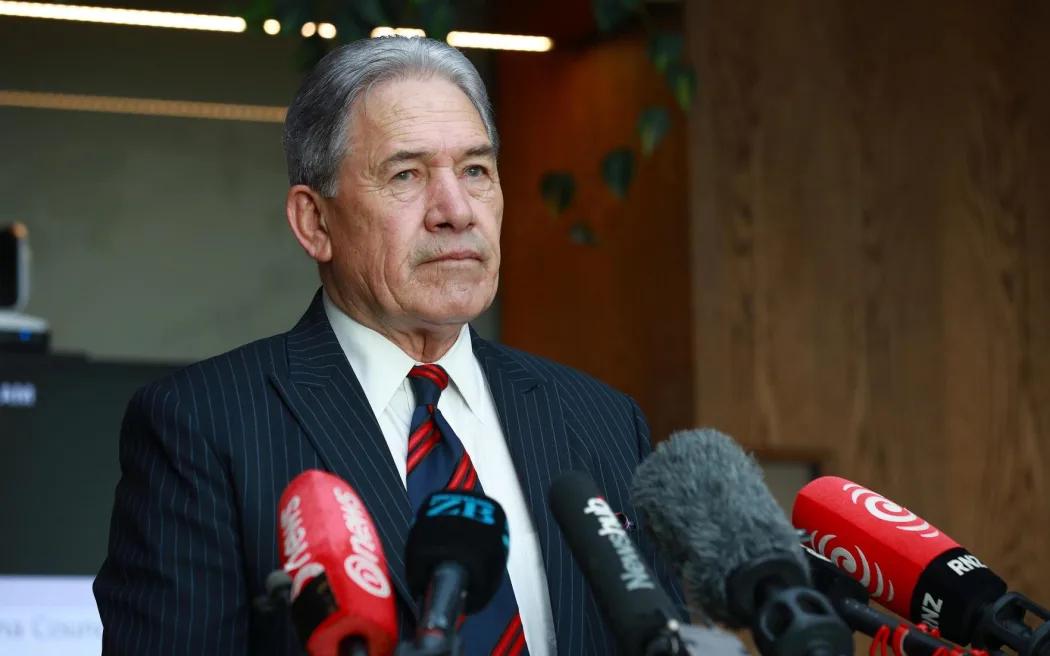
Winston Peters and his NZ First party are backing the bill. Photo/RNZ/Nick Monro
But opponents argue it could marginalise transgender and non-binary people and roll back progress on inclusion.
Te Pāti Māori have previously signalled opposition to legislation that defines gender in strictly biological terms, saying it undermines takatāpui and rainbow communities.
Speaking with William Terite on Pacific Mornings, Dr Penni Wolfgramm, a clinical psychologist who works closely with Pacific Rainbow communities, said her first reaction to the bill was concern.
“I think the fire alarm in the background matches my initial reaction to this bill,” she said. “My initial reaction ... was that it feels incredibly narrow.”
She said the push for legal definitions risks doing more harm than offering protection.
Wolfgramm, who proudly identifies as leitī - a Tongan whose gender identity and/or expression is additional or different to their assigned sex at birth - said the bill feels disconnected from Pacific ways of understanding gender.
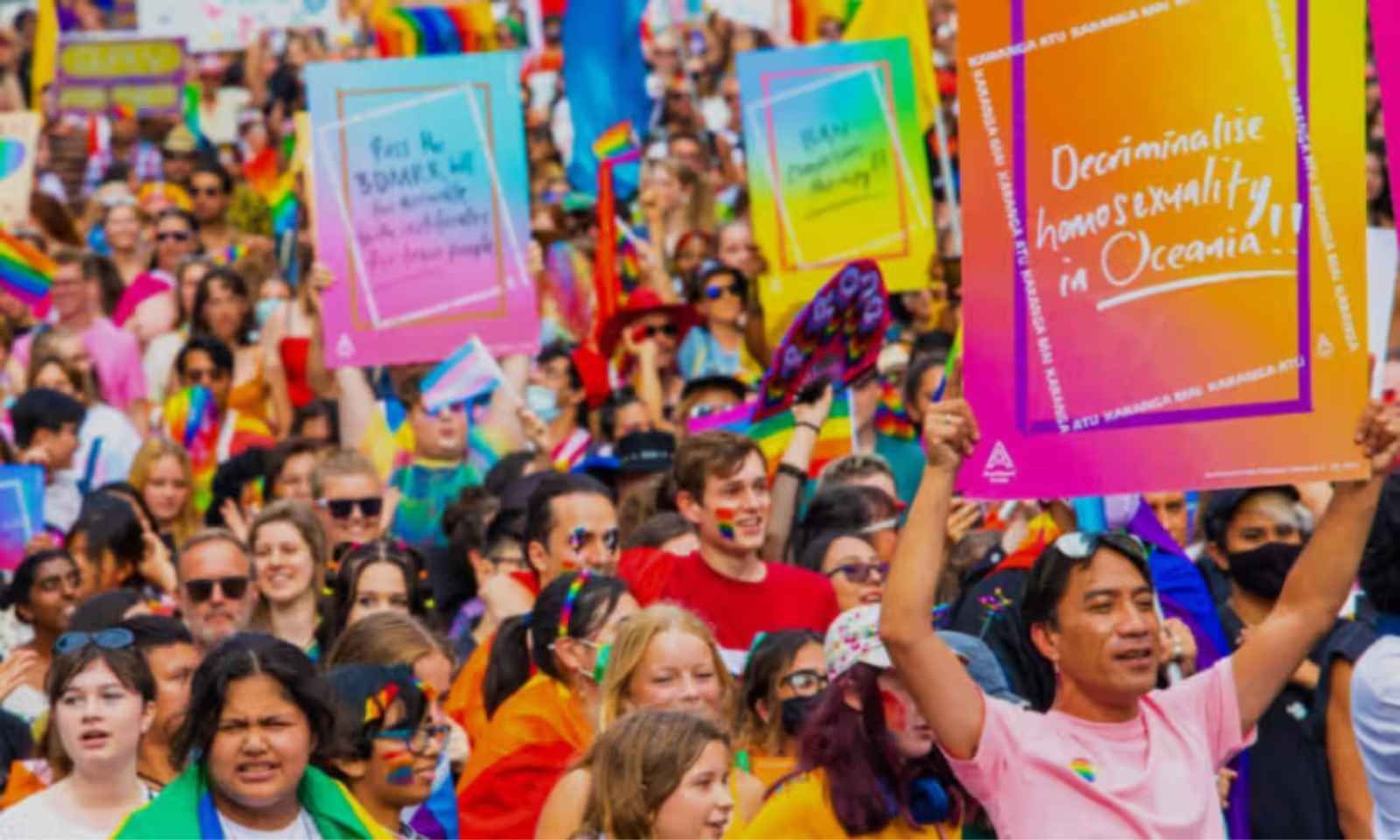
The proposed bill defining “man” and “woman” has sparked concern among LGBTQI+ advocates, who warn it could affect transgender and non-binary people. Photo/Supplied
“This attempt to seek out biological clarity, plainness, does more to erase than it does to uplift what has been termed sex-based rights.
“It feels really out of touch. Having talanoa with our communities, it feels out of step with our Pacific and Pacific ways of how we understand gender.”
She pointed to long-standing cultural understandings of gender diversity across the Pacific.
“Akava'ine [transgender], Akatangata [behave like a person] and Akatāne [behave like a man, tomboyish] have been in existence for millennia,” she said, using terms recognised in Pacific contexts.
“These long-recognised MVPFAFF+ identities aren't woke ideologies. Gender fluidity and gender diversity are a natural part of what it means to be from the Moana and what it means to be Pasifika.”
MVPFAFF+ is a Pacific-specific identity acronym used in Rainbow communities to include Mahū (Hawai‘i/Tahiti usage varies), Vakasalewalewa (Fiji), Palopa (Sāmoa), Fa’afafine (Sāmoa), Akata (Tokelau), Fakaleitī (Tonga), Fakafifine (Niue) and other Pacific gender-diverse identities.
NZ First says the bill is aimed at protecting women’s spaces but Wolfgram has questioned that argument.
From what she has seen, Wolfgramm said the legal impact appears limited and she does not believe it would improve safety for women.
“Women have come out and said that this will make very little positive impact to protecting safety, their safety and their rights.”
She also said Pacific trans and MVP5+ women have long existed within shared social spaces shaped by respect and relationships.
“These spaces have never been in violation. These spaces have never been at risk, at least from many Pacific women's perspectives and Pacific trans and MVP5 Plus women.”
The Auckland Women’s Centre has expressed support for trans women in its community, saying it condemns the proposed gender definitions bill in the strongest terms.
Listen to Dr Penni Wolfgramm's full interview below.
The centre said in a statement that the bill is a “direct attack on gender-queer whānau” and warns it could harm both trans and cis women by increasing policing of gender and identity.
Wolfgramm said the current debate risks undoing progress already made within Pacific communities.
“It ignores the progress, particularly in Pacific communities, that we have made. It undermines the support that we've tried to garner as Pacific Rainbow Plus peoples from our Pacific communities.”
Wolfgramm warned the bill could affect young people in particular especially those already facing stigma and pressure.
“The messaging alone that this sends to our young people who already have to navigate stigma, faith tensions and cultural expectations.
“I'll be working hard to tell these young people that your identity is valid. It’s always been valid, and you don't need law or legislation to tell you that.”
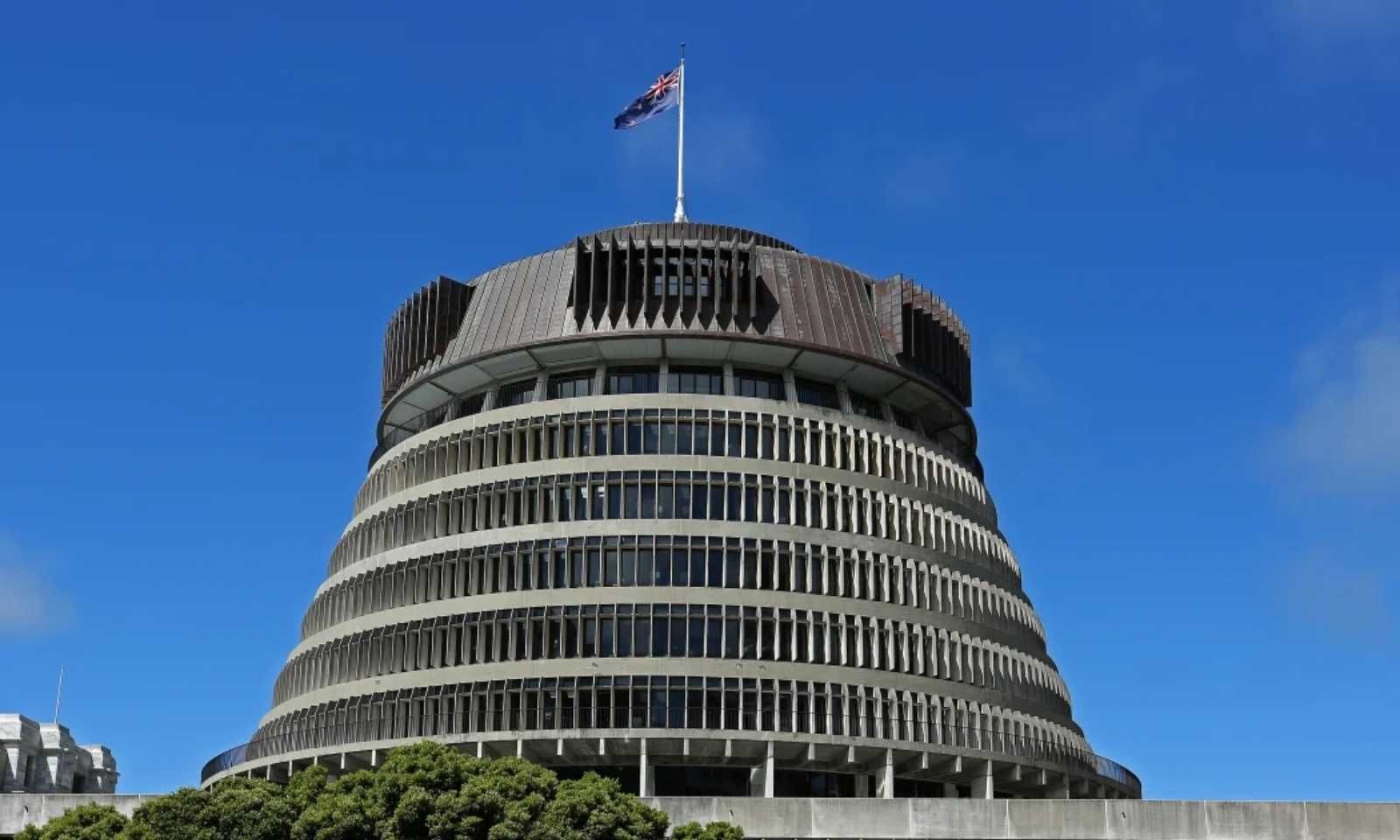
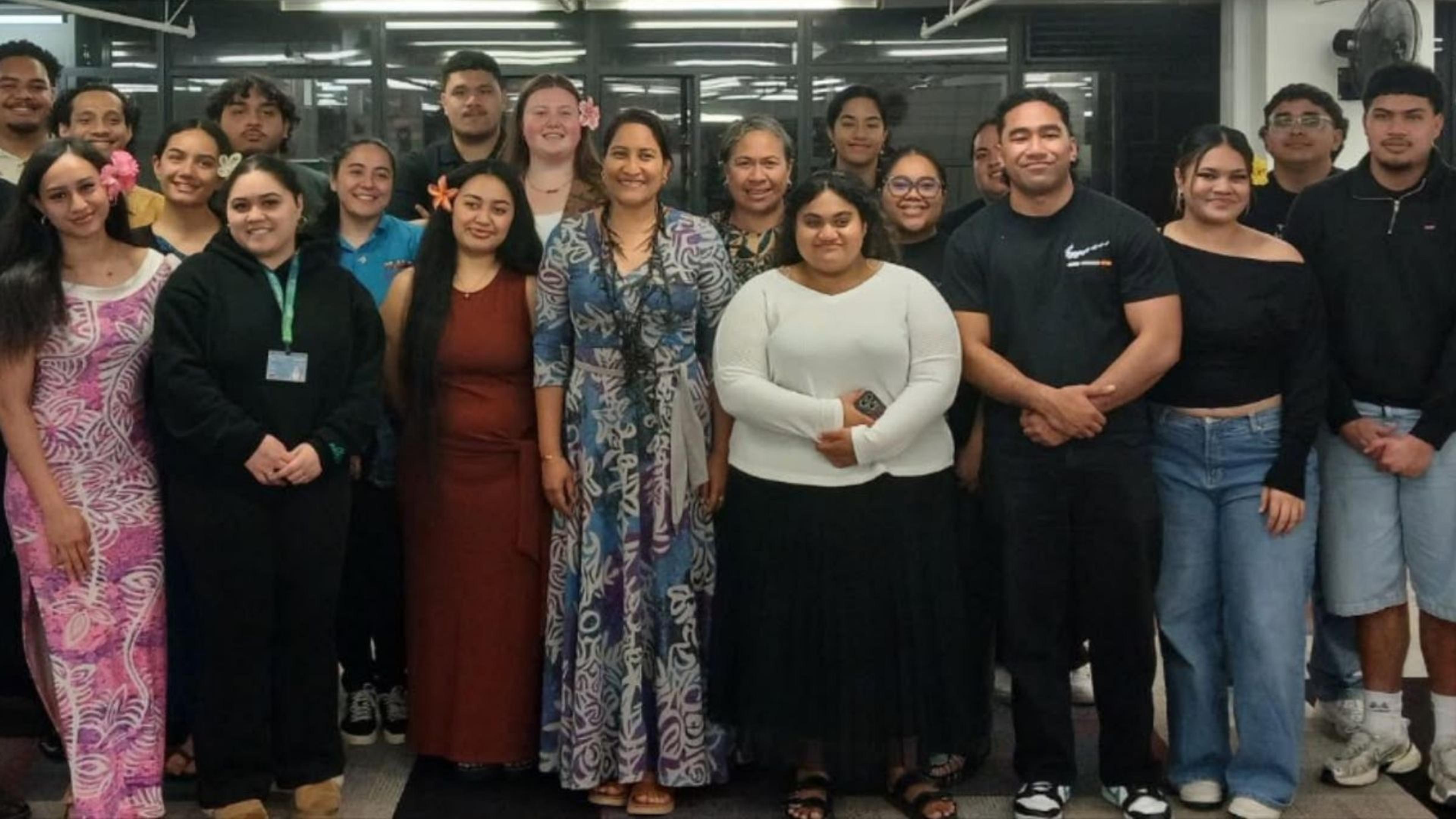
The bill defining “man” and “woman” has passed its first reading in Parliament and is now heading to select committee. Photo/Supplied
She urged Pacific leaders to respond with care as the bill moves into the select committee stage where public submissions will be heard.
“I implore our Pacific community leaders to take a loud with love stance around Pacific trans and MVP5 Plus peoples. I think we might see an end and sort of situation happen...and that's really sad," Wolfgramm said.
The bill will now be examined in detail by a select committee where it is expected to face further scrutiny and submissions from both supporters and opponents.
For more information on the bill, click here.
This story has been updated to include the Auckland Women's Centre's reaction to the proposed bill.