
‘Digging into what we know’: Pacific culture offers a clearer path to better mental health
Atutahi Potaka-DewesTue, 13 Oct
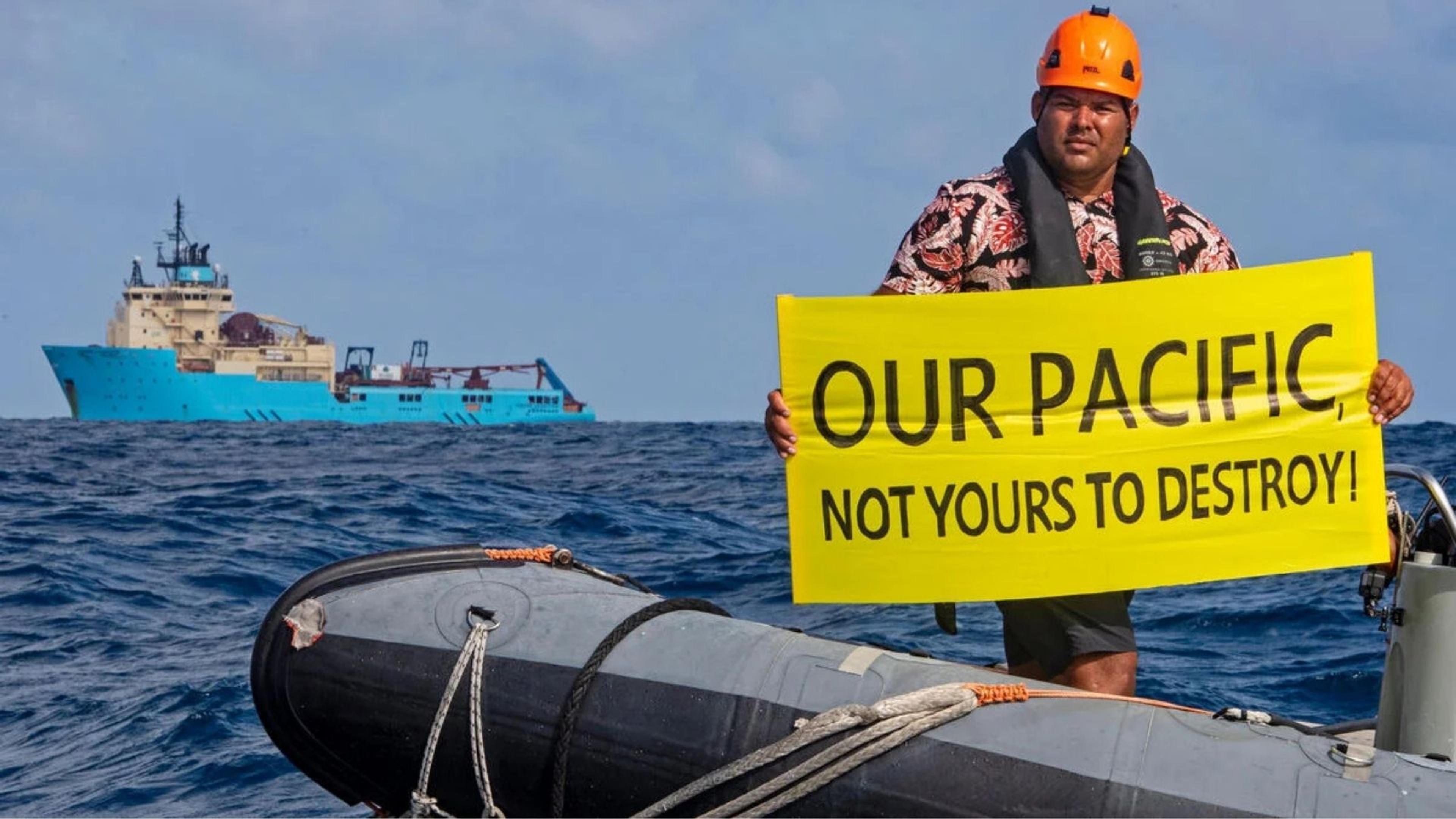
American Sāmoa's surrounding waters are at the centre of growing debate after the United States proposed opening more than 30 million acres of seabed for potential deep-sea mining. Pacific leaders, scientists and community groups are raising concerns about the environmental and cultural impacts.
Photo/Greenpeace
A new report warns of naturally occurring radioactive materials released into the marine environment, adding to Pacific concerns over plans to auction offshore mining leases later this year.


A new scientific warning is adding to growing Pacific opposition as the United States moves ahead with plans to auction offshore deep sea mining leases near American Sāmoa later this year.
Researchers and environmental groups say mining could release naturally occurring radioactive materials into the ocean, raising fresh questions about the potential environmental and public health risks.
The move is part of efforts by Washington to secure supplies of critical minerals used in clean energy technology and defence industries.
The proposal would open more than 30 million acres of seabed east of American Sāmoa for potential commercial exploration and mining.
A report by the Deep Sea Mining Campaign highlights research published by scientists from Germany's Alfred Wegener Institute (AWI), which found high concentrations of naturally occurring radioactive elements on the surface of polymetallic nodules targeted by the mining industry.
According to the study, measurements of radium-226 on the outer layers of the nodules exceeded German safety limits for certain materials by between 100 and 1000 times.
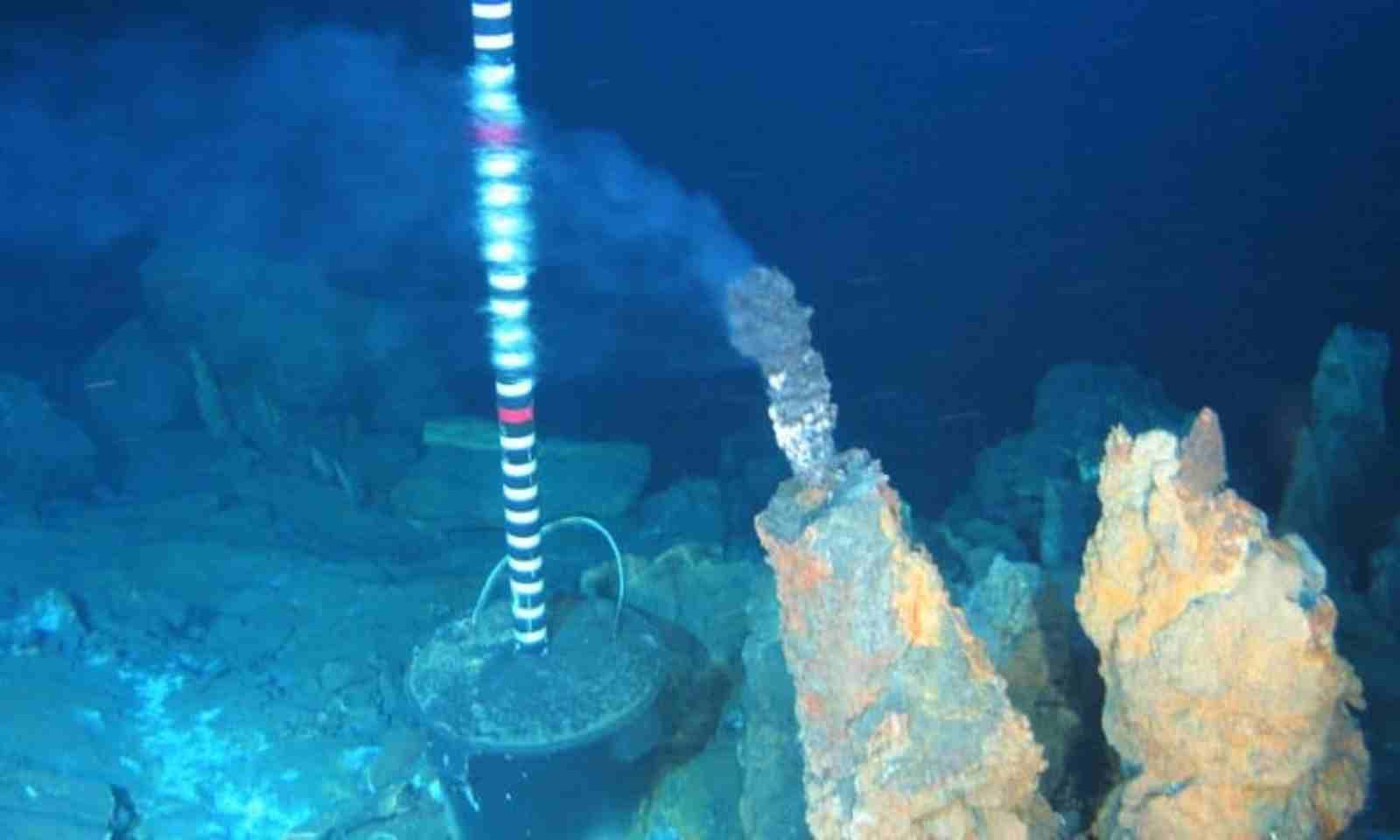
Deep sea mining extracts minerals used in technologies like electric vehicle batteries, solar panels, and smartphones. Photo/SPREP
The report says the radioactive particles are not considered dangerous while sealed inside the nodules but warns they could become a health risk if released into the environment during mining or processing.
Helen Rosenbaum, coordinator of the Deep Sea Mining Campaign, said marine life would have little protection if radioactive particles entered the water.
"They become extremely dangerous when inhaled or ingested. Marine life cannot escape polluted water," she said in a statement. "They will breathe it in and swallow it and eat prey contaminated by mining operations."
Watch American Sāmoa's delegate to the US Congress, Uifa'atali Aumua Amata's address below.
Marine scientist Andrew Thaler said much more research was needed before commercial mining begins.
"We are diving blind into an unproven industry without understanding the potential consequences of combined exposure to both heavy metals and radioactive isotopes mobilised from deep-sea mining," he says in the report.
The report says radioactive particles could also move through the marine food chain in the same way contaminants such as mercury accumulate in large ocean species, including tuna.
The findings come as Pacific leaders continue to push back against plans to expand deep-sea mining in the region.
Guam Senator Sabina Perez said the report strengthened concerns already held across the Pacific.
"This report highlights the growing body of scientific evidence that the impacts of deep-sea mining are severe, long-term, and irreversible... Island communities are the canaries in the coal mine when it comes to environmental and health risks tied to decisions made in Washington," Perez told The Guam Daily Post.
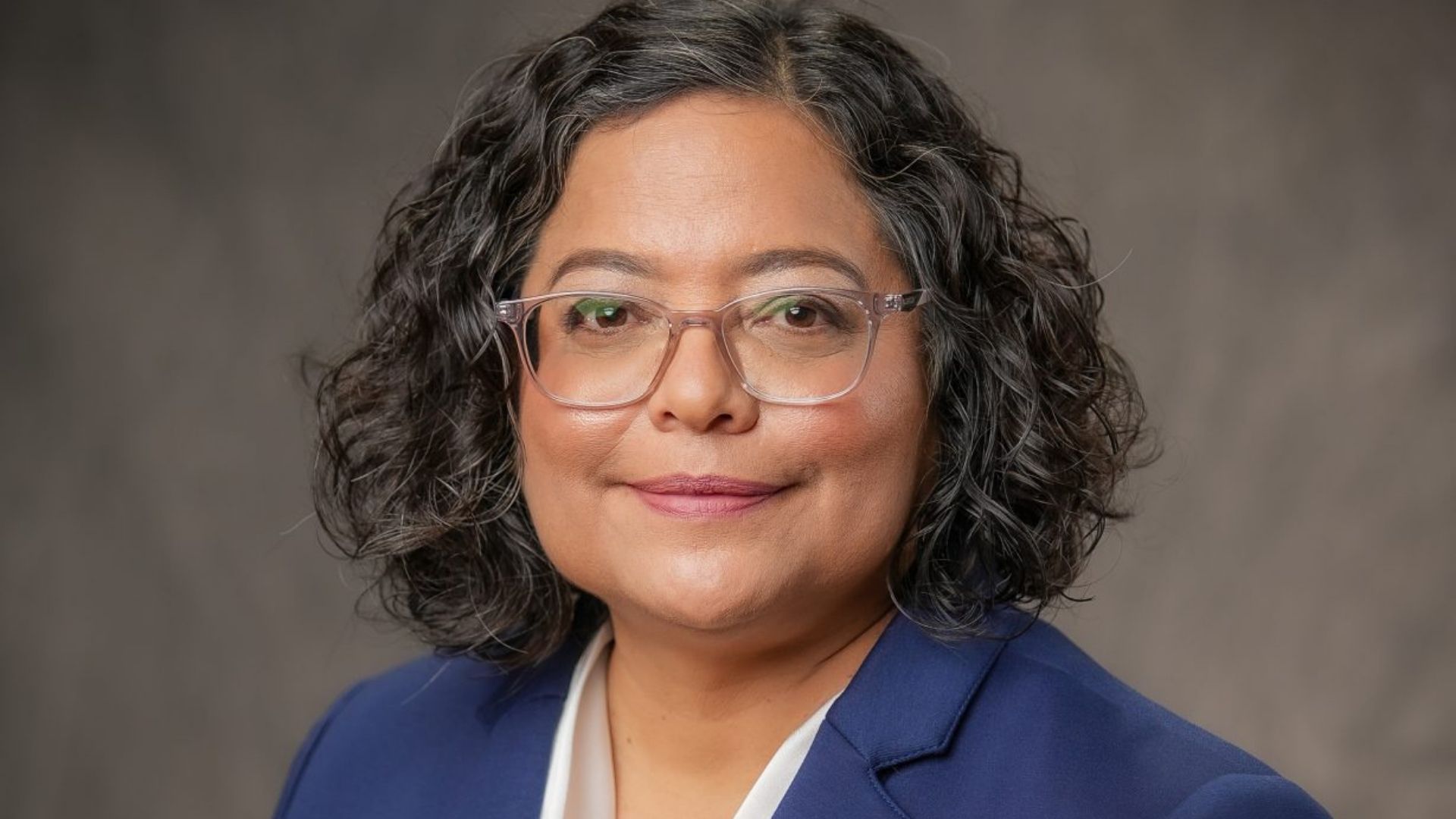
Guam Senator Sabina Perez says new scientific findings add to concerns about the potential long-term impacts of deep-sea mining, warning Pacific Island communities could face environmental and health risks if projects move ahead. Photo/The Guam Legislature
American Sāmoa's delegate to the US Congress, Uifa'atali Aumua Amata, has also reiterated her opposition to mining in waters surrounding the territory.
"My opposition to seabed mining in waters surrounding American Sāmoa has not changed... I remain opposed and consistent. I represent our people, and most of them are opposed to it."
The US government says offshore mineral development is important for strengthening domestic supplies of critical minerals such as cobalt, nickel and rare earth elements, which are used in renewable energy technologies, batteries and defence manufacturing.
Federal officials argue expanding domestic production would reduce reliance on overseas supply chains.
But environmental groups say more scientific work is needed before commercial mining proceeds, warning that the long-term impacts on Pacific ecosystems, fisheries and coastal communities remain largely unknown.
Earthjustice also questioned the proposal. "Deep-sea mining poses an incredible threat to ocean ecosystems that are central to American Sāmoans' history, culture, and day-to-day life," attorney J.V. Langkilde told the AP.
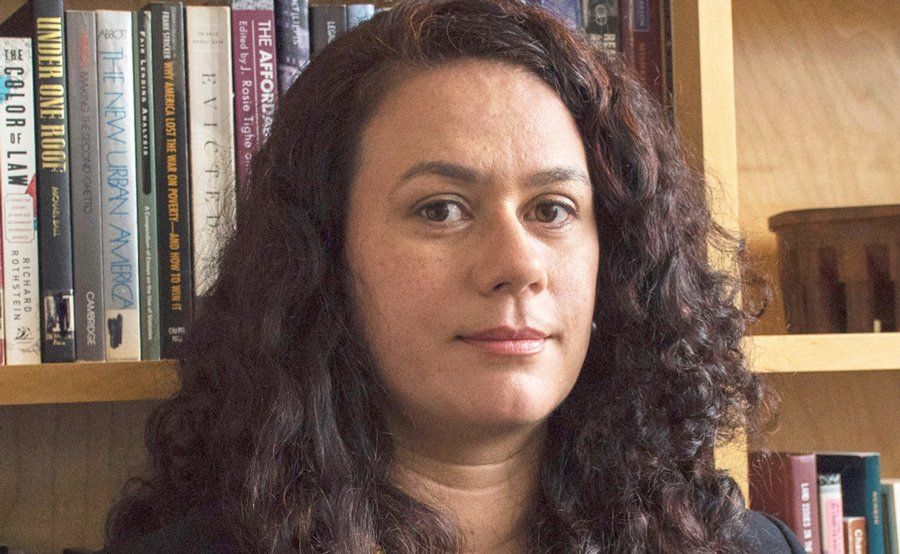
Fa'asao Amerika Sāmoa spokesperson Seumalu Elora Raymond says local communities are being left out of decisions that could affect the territory's ocean, culture and way of life, as opposition grows to proposed deep-sea mining near American Sāmoa.
He said the proposed lease process showed the administration intended to "bulldoze local outcry against mining in American Sāmoa's waters".
Local group Fa'asao Amerika Sāmoa told the AP that communities are being left out of decisions that could have lasting impacts on the territory's ocean and way of life.
"Fa'asao Amerika Samoa is deeply disappointed that the federal government has chosen to fast-track this lease sale, ignoring the voices of the very people whose waters, traditions, and livelihoods are on the line," Dr Seumalu Elora Raymond, spokesperson for Fa'asao, said.
"The ocean is not a commodity to us, it is the foundation of fa'a Sāmoa, sustaining our families, our culture, and our way of life for generations."
The proposed lease sale near American Sāmoa is expected later this year and is likely to remain a major focus of debate as Pacific leaders, scientists and community groups continue to press for greater scrutiny of deep sea mining and its potential impacts on the region's people and oceans.