
Pacific economist Filipo Katavake-McGrath says some election policies could have a bigger impact on Pacific households than the headlines suggest.
Photo/PMN News/file
Election
What the 2026 election promises could mean for Pacific households
Economist Filipo Katavake McGrath says one policy could have an impact on families approaching retirement as housing, food prices remain concerns.

PMN News
Published
07 September 2026, 1:01pm
Share
Copy Link
Top stories

From Ōtara, NZ to Los Angeles: David Liti lifts up the next generation
Elton Lonaratha JnrMon, 19 Oct
Washington warnings mount as four Pacific nations risk loss of US aid
Christine RovoiTue, 20 Oct

'Watch out': Silver Ferns issue clear warning to Diamonds ahead of Christchurch clash
Brooke FonotiMon, 19 Oct
Top stories
From Ōtara, NZ to Los Angeles: David Liti lifts up the next generation
Elton Lonaratha JnrMon, 19 Oct
Washington warnings mount as four Pacific nations risk loss of US aid
Christine RovoiTue, 20 Oct
'Watch out': Silver Ferns issue clear warning to Diamonds ahead of Christchurch clash
Brooke FonotiMon, 19 Oct
As political parties put new policies on the table, Pacific households are being asked to weigh up promises on everything from supermarket prices and home ownership to retirement and climate change.
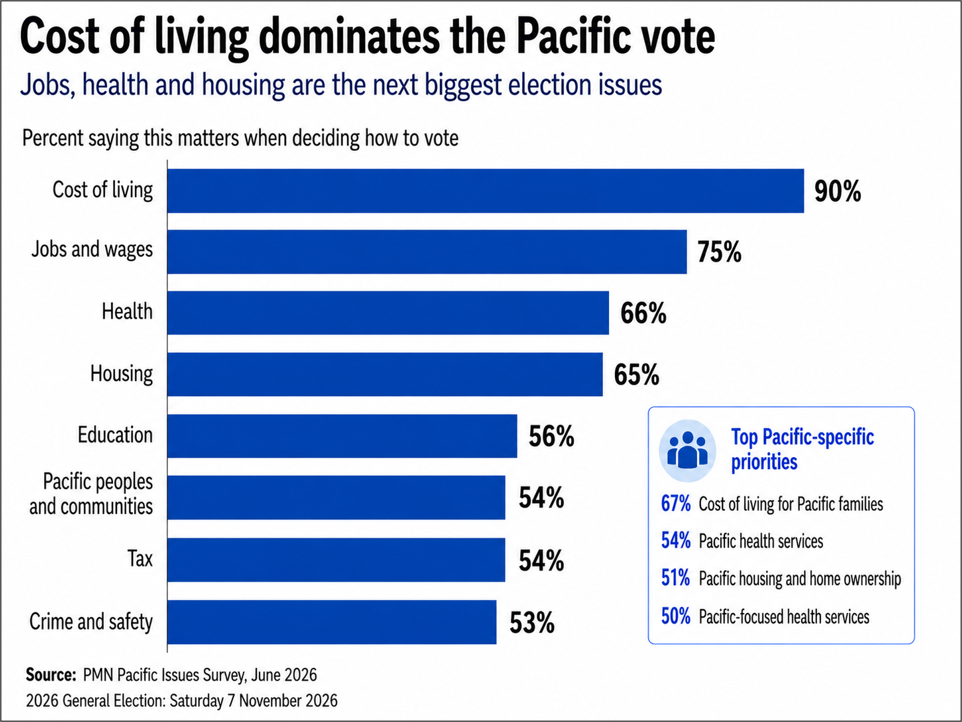
Our PMN-Horizon Research Pacific Issues Election Survey found cost of living is the biggest election issue for Pacific voters, with nine in 10 saying it will influence their vote.
Jobs and wages, health and housing also rank highly, showing why policies affecting household costs and financial security are likely to matter to Pacific communities.
Pacific economist Filipo Katavake-McGrath says the biggest impacts may not always come from the policies making the most noise.
Speaking with William Terite on Pacific Mornings, Katavake-McGrath said New Zealand First’s plan to restrict superannuation to citizens from 2029 could have a real impact on some Pacific families.
He points to Pacific people who came to New Zealand during the Dawn Raids era and those who later gained permanent residence through immigration amnesties.

Pacific families are weighing up election promises as the cost of living remains the biggest issue for Pacific voters. Photo/Healthy Families/file
“There will also have been people who will have transitioned from temporary visa to permanent residence in the 1974, 1976, and then 1986 amnesties.”
Katavake-McGrath says the policy could affect people who have spent decades living and working in New Zealand but are not citizens when they reach retirement age.
At the same time, he says the change could push more people towards citizenship.
“I would think that the citizenship transition for the Pacific audience is actually an easier one than it would be for other audiences.”
He says New Zealand First could also be making a calculated effort to win Pacific voters.
“I think this is New Zealand First making a calculated play for a Pacific vote in that that all they need to do is essentially establish a couple of community organisations who will help channel people through the citizenship process.”
But Katavake-McGrath says the wider issue is how the policy fits into the cost of supporting an ageing population.
Food prices and KiwiMart
The Greens' proposal for a publicly owned supermarket chain, KiwiMart, could also have an impact on Pacific households but Katavake-McGrath says the bigger issue is what is happening to New Zealand's food supply.
“What you've actually got is an end-to-end fragmentation of the food production system that KiwiMart could actually bring together.
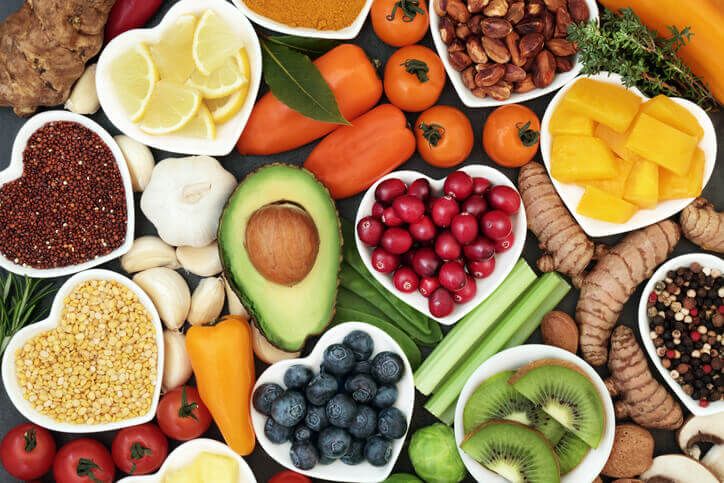
Greens' proposed KiwiMart supermarket chain would aim to increase competition and bring down grocery prices, a key concern for Pacific households. Photo/Harvard Health
"And what that ensures is not only that there's affordable food but there's actually food to start with.”
The Greens estimate KiwiMart would cost about $2.6 billion.
Katavake-McGrath warns the final cost could be much higher if the Government has to buy businesses and assets.
“I would say by the end of negotiating with one large multinational and potentially 100 individual businesses, that price could get up to the four, maybe five billion, because that's just what happens when people sell to the government.”
But for families already under pressure, the question is whether any new policy actually makes a difference at the checkout.
Lara Dolan, chief executive of Māngere Budgeting Services Trust, has said that families are already being forced to make difficult choices over basic costs.
Listen to Lara Dolan's earlier interview below.
“A lot of people have to make a choice whether they're buying food or paying for petrol in their car to get to work," she told Terite last month.
Dolan says any government plan aimed at tackling grocery prices needs to deliver a real change for families.
“We will welcome evidence-based proposals for any party that will improve competition and make food more affordable. But the policy must result in genuinely lower grocery prices.”
Housing remains a hard road
National's proposal to make five per cent deposits available to more first-home buyers by lifting the income threshold to $300,000 is less convincing for Katavake-McGrath.
He says changing the rules does not necessarily solve the bigger problems facing Pacific families trying to buy a home.
“It's a mix of both and from sort of the community groups I still provide support, financial guidance and support to, it's the same things that we've been talking about for 30, 40 years.”

Pacific home ownership remains a challenge, with families balancing the cost of buying and running a home with supporting extended family in New Zealand and the islands. Photo/Facebook/Celimca Tintoreria
He says Pacific families are often balancing home ownership with supporting extended family and relatives in the islands, as well as the rising cost of insurance, water and running a home.
What about ACT's climate policy?
ACT's plan to scrap the net zero target and cut carbon taxes may seem less directly linked to Pacific households but Katavake-McGrath says the impact could be felt through the industries many Pacific people work in.
“The Pacific audiences and communities that might be impacted are those that work on farms and our agricultural communities.”
He says there could be opportunities if farming moves towards more food production. But there are questions about what happens to New Zealand's access to overseas markets.
“So while it may not be directly about Pacific people, it's the industries we work in," Katavake-McGrath said.
Watch Filipo Katavake-McGrath's full interview below.
For Pacific households, the election choices come down to whether these policies make a real difference to the cost of everyday life.
Dolan says the goal should be an economy where families can meet their basic needs without having to rely on budgeting services.
New Zealanders head to the polls on 7 November.