
Pacific women have waited long enough for equal pay in NZ, says former commissioner
Thomas Tarurongo WynneTue, 06 Oct

Pacific families are facing growing pressure to put enough food on the table as the cost of groceries continues to stretch household budgets.
Photo/Healthy Families/file
A South Auckland budgeting service says demand for food and financial support is surging as the Greens push a plan to tackle supermarket prices.




Families in South Auckland are being forced to choose between putting food on the table and having enough petrol to get to work.
This comes as high grocery prices continue to put pressure on household budgets.
The pressure is particularly sharp for Pacific households. PMN News reported earlier this year that 64 per cent of Pacific households experienced food insecurity in 2025, almost twice the national rate of 33 per cent.
Lara Dolan, chief executive of Māngere Budgeting Services Trust, says food affordability is one of the biggest pressures facing families coming through its doors.
Her comments come as the Greens push a new law aimed at stopping supermarkets from charging what the party considers excessive prices.
But Dolan tells William Terite on Pacific Mornings that the test for any policy is simple: whether it actually makes food cheaper for families.
Listen to Lara Dolan's full interview below.
“We will welcome evidence-based proposals for any party that will improve competition and make food more affordable. But the policy must result in genuinely lower grocery prices.”
Dolan says the pressure is being seen across South Auckland, with people cutting back on nutritious food, falling behind on bills and seeking help.
“We see farmers cutting back on nutritious food or falling behind on paying their bills and seeking food assistance.”
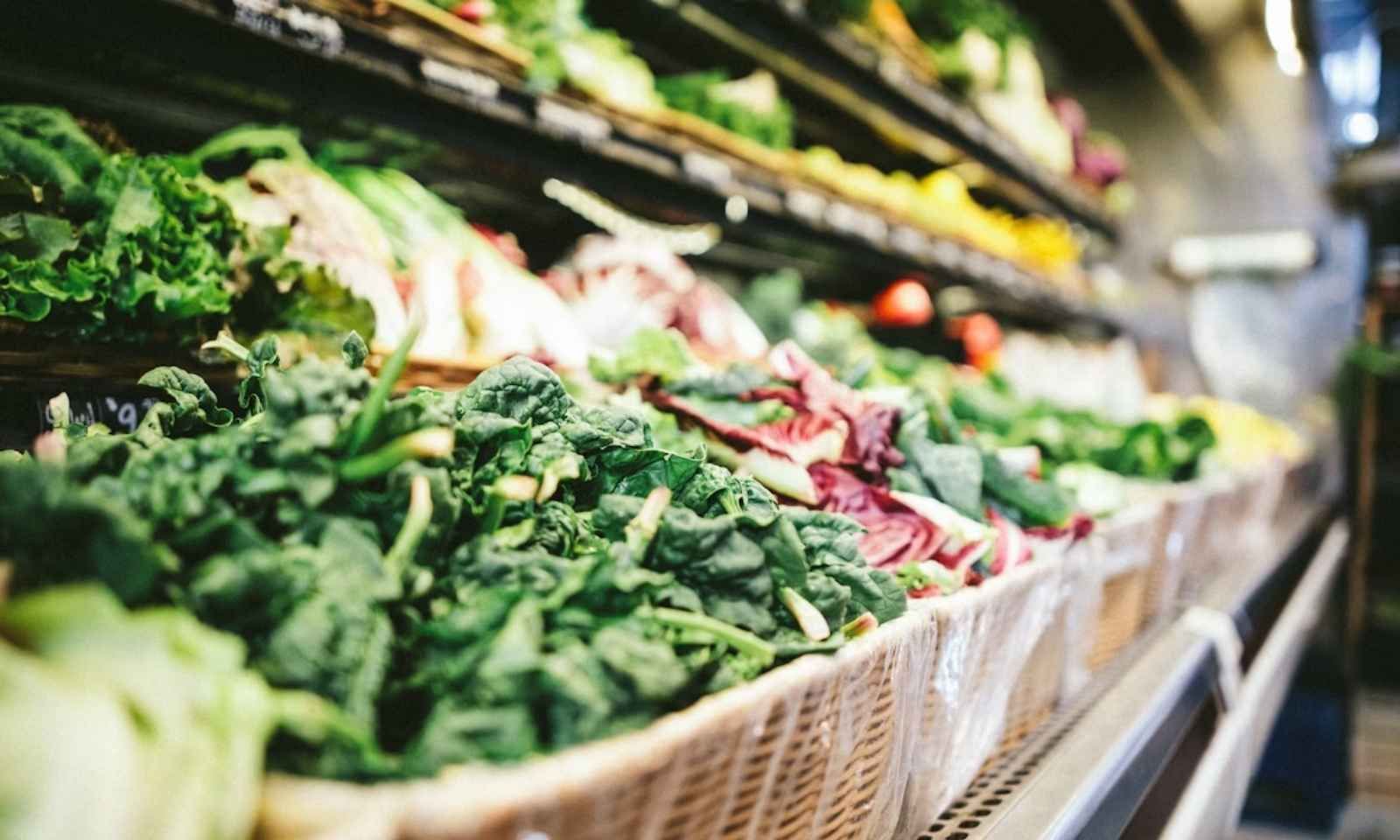
Rising grocery prices are adding to the pressure on households already juggling food, transport and other essential costs. Photo/Unsplash
She says even people in work are struggling. “We see people like builders and healthcare workers who come and shop in our social supermarket.”
That pressure on working Pacific families has also been highlighted by Brook Turner, director of partnerships at Vision West, who told Pacific Mornings earlier this year that more wage earners are turning to food support.
“Six years ago, we would have very few wage earners seeking food support from us.
"But we're seeing hardworking Pasifika households who are on two incomes with their tamariki, that even with all those dollars coming in, there's not enough kai to go around the table at dinner time.”
For some families, the choices are becoming increasingly difficult. “A lot of people have to make a choice whether they're buying food or paying for petrol in their car to get to work,” Dolan says.
That means food banks and social supermarkets remain an important safety net. But Dolan says they should not become a long-term solution.
Watch Brook Turner's full interview below.
“Yes, we can see people who just simply can't afford their food and that's why they come to social services like ours.
"So really, family needs both immediate help today and long-term changes, like food banks and social supermarkets provide an essential safety net.
"But the goal must be an economy where families can afford the food they need without relying on our services.”
Dolan says she would rather see the Government focus on increasing competition in the grocery sector than directly regulating supermarket prices.
“I would say the government needs to focus on creating more competition in the market.”
She says work is already under way to make it easier for new businesses to enter the market while the Commerce Commission monitors competition, prices, profits and relationships between supermarkets and suppliers.
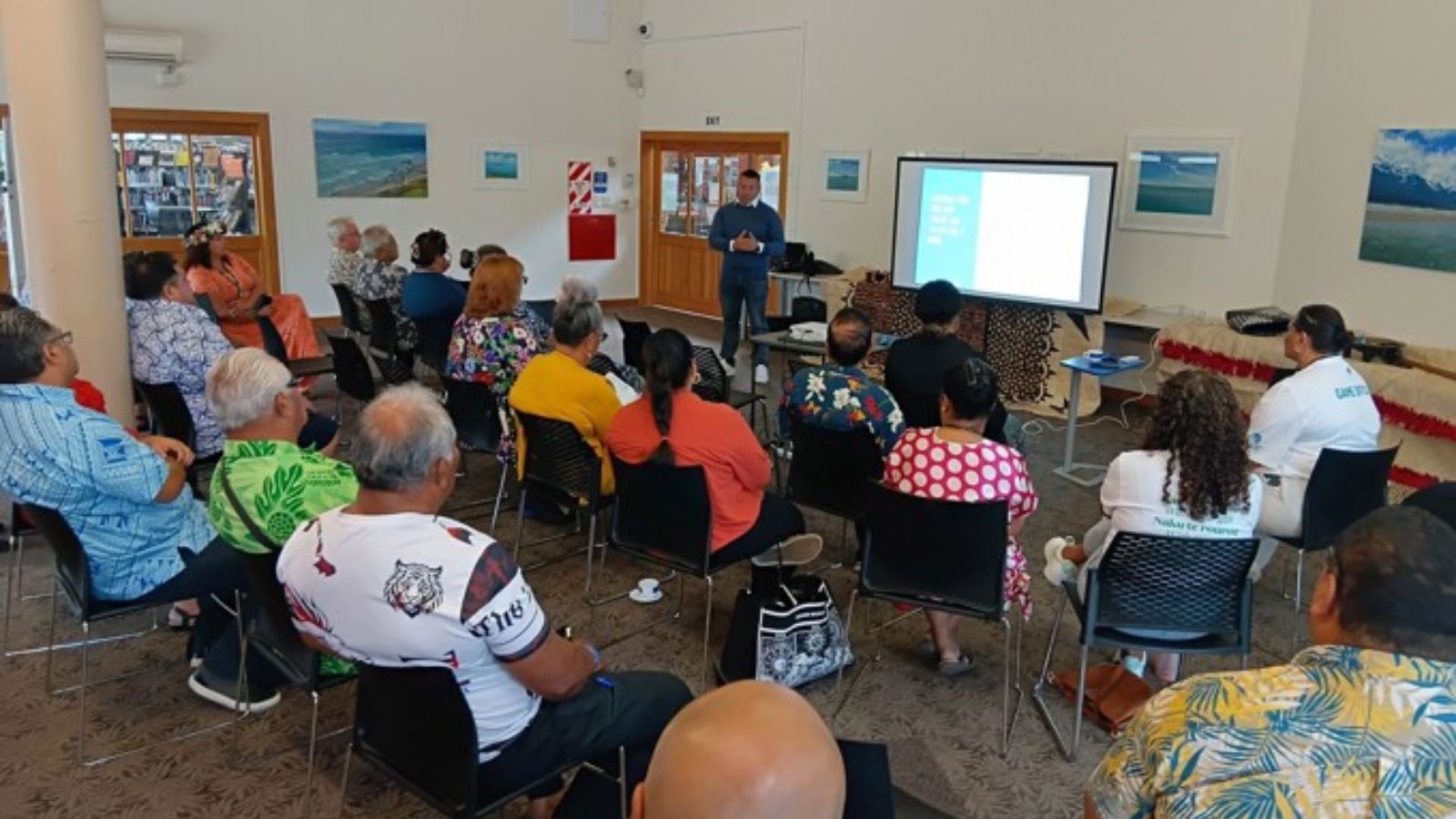
Community organisations say more Pacific families, including working households, are turning to food support as household budgets come under pressure. Photo/Supplied
A recent Consumer NZ price comparison found Pak'nSave was the cheapest of the three major supermarket brands surveyed while New World and Woolworths had similar average prices for loyalty-programme members.
Consumer NZ's June investigation also found only 35 per cent of people surveyed had high trust that supermarkets were pricing products and promotions fairly.
Foodstuffs said the result showed the value available to shoppers. “It’s no surprise to see Pak’nSave recognised as the lowest-price supermarket and the value available to New World customers through Club card pricing."
But Dr Anae Neru Leavasa has previously argued that the Government needs to go further to bring grocery prices down, particularly for Pacific families.
He told Terite in September 2025 the Government's supermarket reforms were not enough to provide immediate relief.
“The recent announcements are just tiny steps towards that end goal," Anae said. "There needs to be bigger legislation to do what we want in order to reduce food prices because at the moment, our Pacific families are facing the cost of living crisis right now.”
Listen to Dr Anae Neru Leavasa's full interview below.
For families struggling now, however, the pressure is immediate. Dolan says demand for the trust's services remains “extremely high”.
“Over the past year, we supported 4000 people through financial mentoring and food support increased by 20 per cent just in the last year, but over 100 per cent in the last three years.”
She says families need both immediate support and longer-term changes that make it easier to afford basic needs.
And while households can take steps such as planning meals, comparing specials and setting a budget, Dolan says the wider system also needs to deliver affordable food.
“Any policies that will make prices a bit lower will help our community.”
For Pacific families already balancing food, transport, housing and other rising costs, that is the measure that matters - whether the next policy change makes a real difference at the checkout.