
Battle lines drawn: NZ's Pacific candidates clash as voters demand swift action on cost of living
Thomas Tarurongo WynneWed, 21 Oct

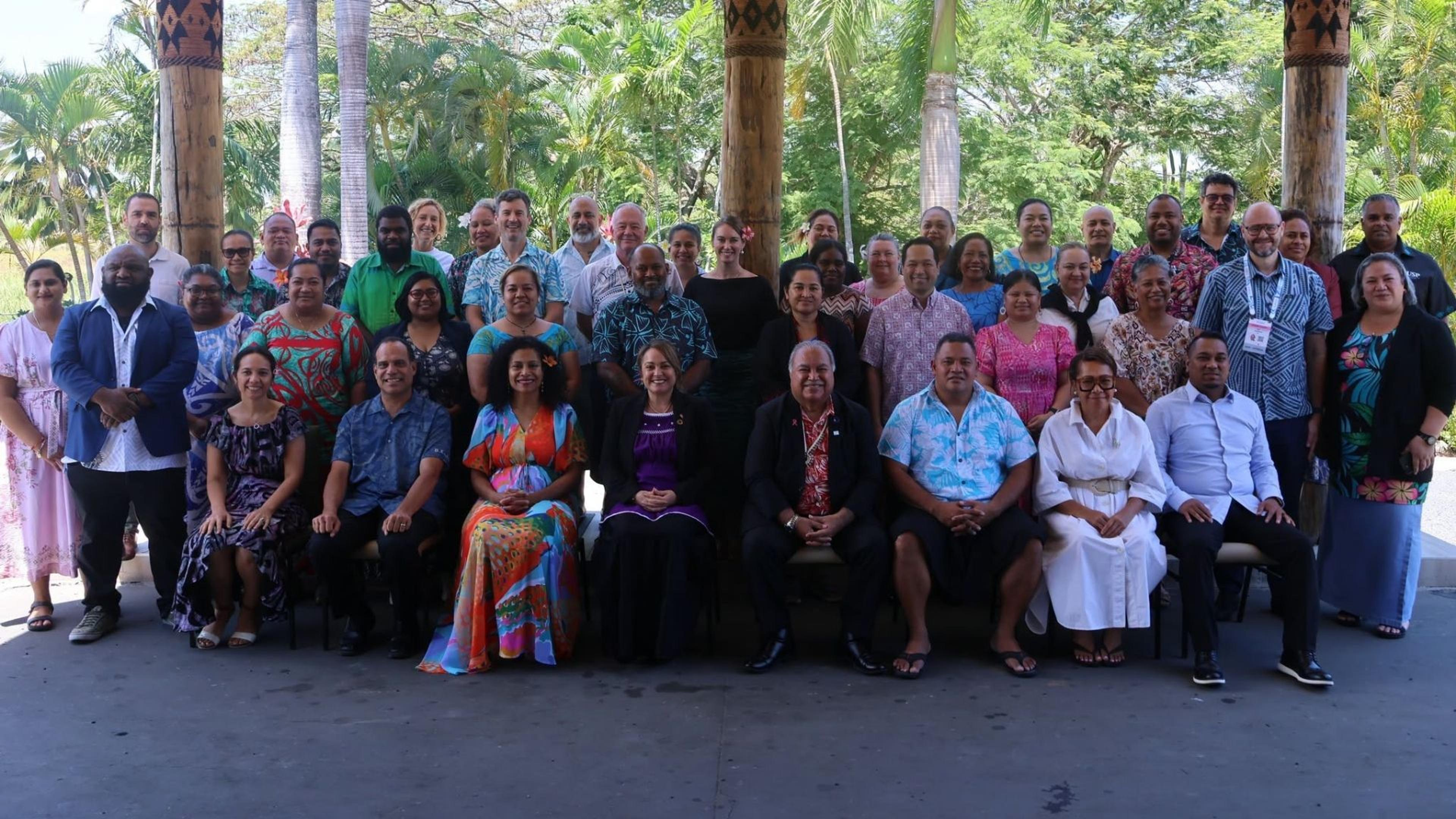
Pacific candidates debate immigration settings and wage policies during PMN's election panel. From left (top clockwise): Alfred Ngaro (NZ First), Jenny Salesa (Labour), Teanau Tuiono (Green), Henrietta Devoe (ACT), Romeo Tevaga (Opportunity), and Angee Nicholas (National).
Photo/PMN News
Six political representatives go head-to-head over border access, overstayer amnesties and a proposal to freeze the minimum wage during PMN's Pacific Vote 2026 Debate.



Pacific candidates have locked horns over border access, overstayer amnesties, and minimum wage freezes in an election debate exposing sharp splits over how to protect Pacific workers and families.
With undecided voters dropping to 10 per cent in the latest 1News Verian poll, the Pacific Media Network's (PMN) Pacific Vote 2026 Debate showcased the high-stakes battle for Pasifika votes as Labour (27 per cent) and the Greens (16 per cent) scramble to hold off a surging right-leaning coalition led by National (32 per cent) ahead of election day.
During the political panel hosted by Pacific Mornings presenter William Terite, Labour’s Jenny Salesa reaffirmed her party’s commitment to a signature visa-free waiver for Pacific Island Forum countries, saying that over 60 other nations already enjoy visa-free entry into Aotearoa New Zealand.
"The system is already there. So it's just a matter of making sure that our Pacific countries can also be within that system," Salesa said.
Green Party MP Teanau Tuiono strongly backed visa-free access, highlighting the heartbreak of families blocked at the border during family emergencies.
"I've heard stories of people coming here, wanting to go to funerals, and then being stopped at the border because they've got to jump through a whole lot of hoops," he said. "That's not acceptable. These are our relations, these are our neighbours."
video to go here
The push for open borders mirrors widespread community demand across the diaspora. Recent findings from the PMN News-Horizon Research Pacific Issues Election Survey show overwhelming support for regional mobility with 78 per cent of respondents supporting visa-free travel or visa waivers for Pacific Islands Forum nationals visiting New Zealand.
ACT candidate Henrietta Devoe said her party would support a targeted one-year trial for Sāmoa first before considering other Pacific nations. But she took a hard line on immigration enforcement, drawing a direct comparison to overseas policy.
"If you're going to come here to this beautiful country from anywhere and if you're going to overstay or break the rules, then you should be deported," Devoe said. "Just like Anu Schwarzenegger said when he migrated to America."

Candidates from left: Opportunity Party's Romeo Tevaga, National's Angee Nicholas, NZ First's Alfred Ngaro, moderator William Terite of Pacific Mornings, Labour's Jenny Salesa, ACT's Henrietta Devoe and Green MP Teanau Tuiono debate immigration settings and wage policies during PMN's election panel. Photo/PMN News
Former Pacific Peoples Minister Alfred Ngaro (NZ First) rejected calls to treat immigration with quick-fix measures, pushing instead for a structured amnesty for current overstayers alongside systemic fixes to the Pacific quota system.
"Let's tidy this up. Let's make sure there's an amnesty, be able to bring them in to then correct the process over two years so they can be legit," Ngaro said.
This call for regularisation is strongly backed by the public. The PMN Horizon poll found that 71 per cent of Pacific voters favour a formal pathway to residency or amnesty for long-term overstayers who are actively working and contributing to local communities.
Ngaro also urged a strategic shift to recruit directly from the Pacific region for skilled sectors rather than relying heavily on workers from elsewhere.
"Our people are more than just the RSE workers picking grapes and apples... Actually, they can be getting years of engineering, owning their own businesses, SMEs. That's where we need to get to," he said.
The ideological split between political partners lands at a pivotal moment in the campaign, with Tuesday's 1News Verian poll showing National surging four points to 32 per cent while ACT climbed to 11 per cent and NZ First dipped to eight per cent, leaving both major political blocs locked in a tight race for power ahead of advance voting.
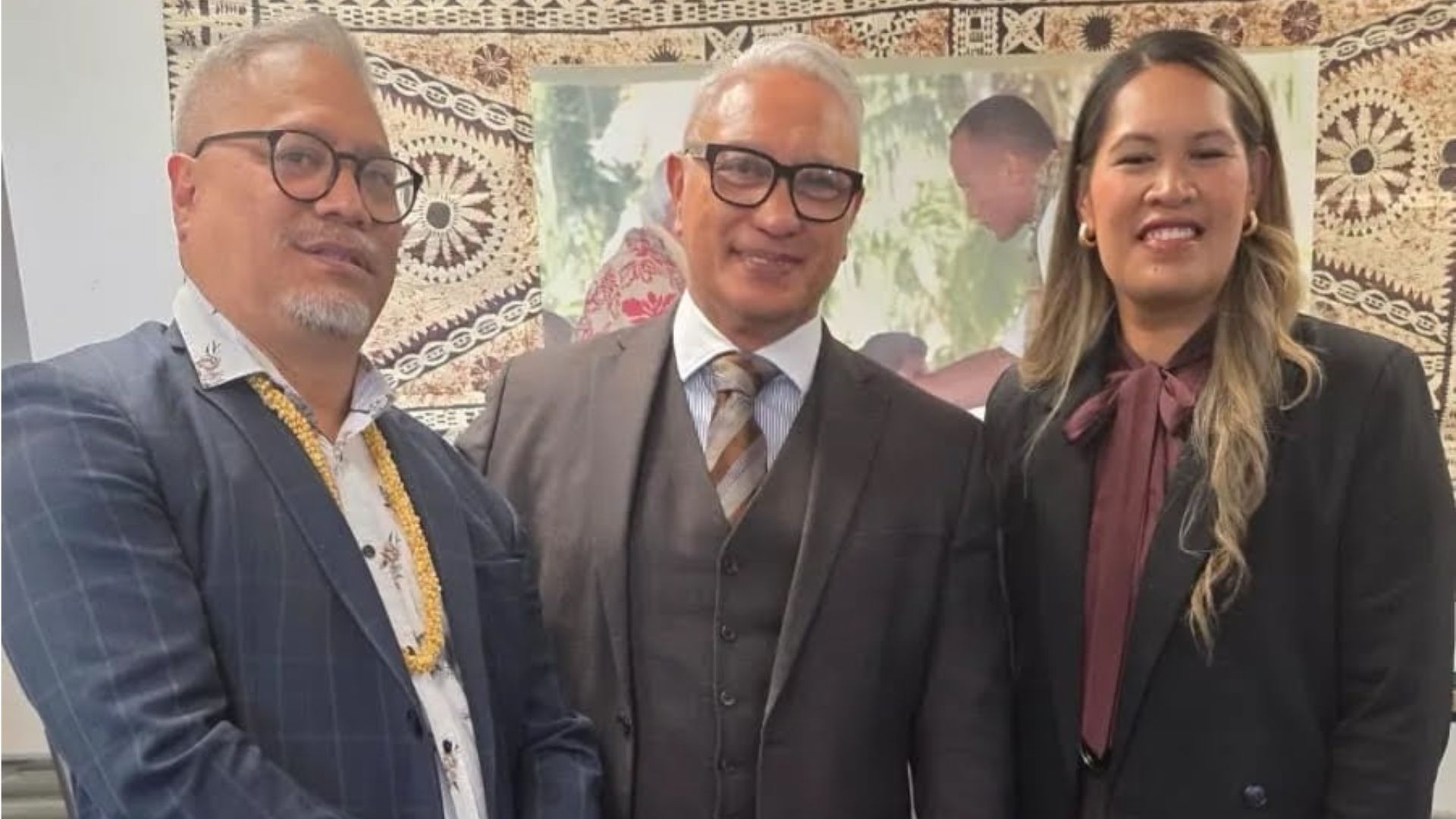
From left: Teanau Tuiono, Alfred Ngaro and Angee Nicholas at the PMN Pacific Vote 2026 Debate: Calls for a visa-free waiver for Pacific island countries drew strong discussion amid calls backing easier border access to visit family and attend cultural events. Photo/PMN News
On jobs and economic security, the panel split sharply over ACT’s policy to freeze the minimum wage for three years and lower the youth training wage to 60 per cent.
Devoe defended the stance, arguing lower starting costs encourage businesses to take a chance on inexperienced young workers.
"This is an opportunity for people to say, hey, I don't have experience. I'll get in here. An employer is willing to take that risk to bring you on for like a lower cost and therefore give you some experience on your feet," she said.
The clash over incomes hits at the very top priority for voters. According to the PMN Horizon survey, 64 per cent of Pacific households cite the cost of living and stagnant wages as their single biggest concern with more than half reporting that their weekly income is failing to keep pace with basic household expenses.
Tuiono slammed ACT's proposal, warning that suppressed wages drive young talent overseas. "We invest in them, get their skills... pay them rubbish wages and then wonder why they leave."
National’s Angee Nicholas highlighted the government's target to create 220,000 jobs over four years while reducing reliance on JobSeeker support, aiming to get 50,000 people off benefits by 2030.
But job security remains a major anxiety for families, with the PMN-Horizon survey showing that nearly 60 per cent of Pacific families worry about job security or youth unemployment in their immediate households under current economic conditions.
Offering an alternative path, The Opportunity Party’s Romeo Tevaga called for long-term economic stability through innovation, small business incubators, and 21st-century technology to drive high-wage growth for Pacific youth.
Tevaga’s pitch comes as the 1News Verian poll confirms Opportunity remains firmly on track to enter Parliament for the first time, holding seven per cent support and cementing its role as a potential kingmaker in government formation.
Advance voting opens on Monday, 26 October, ahead of election day on Saturday, 7 November.