High blood pressure a silent killer, Solomon Islands calls for stronger action
Lachlan EddieFri, 23 Oct
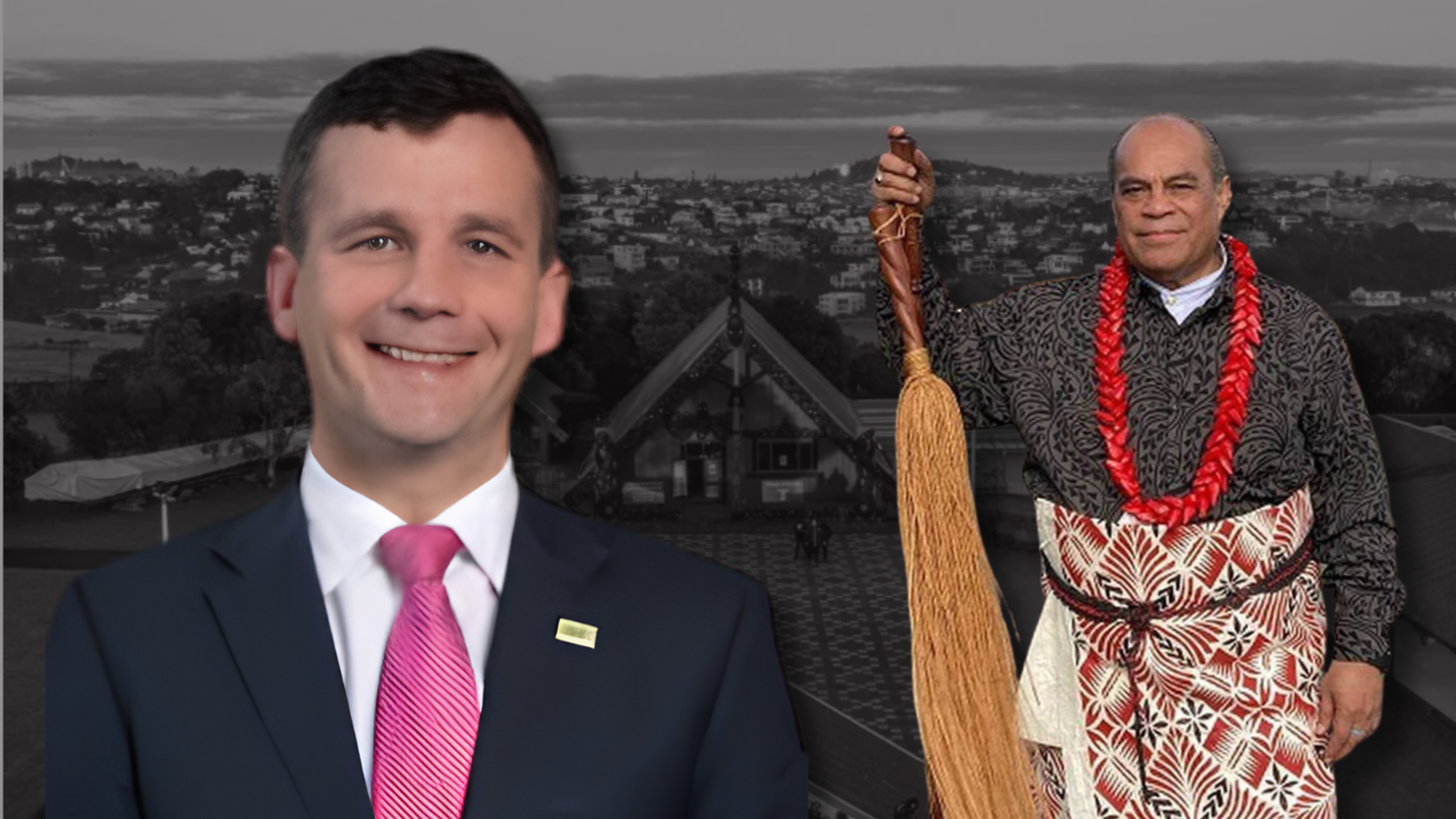
Seymour says no office karakia, while former Minister for Pacific Peoples Aupito William Sio says it “feels less like fixing the public service and more like using the public service to fight culture war”.
Photo/PMN News/Composite
The ACT Leader says frontline cultural skills would stay, but Pacific leaders say capability is on the line.

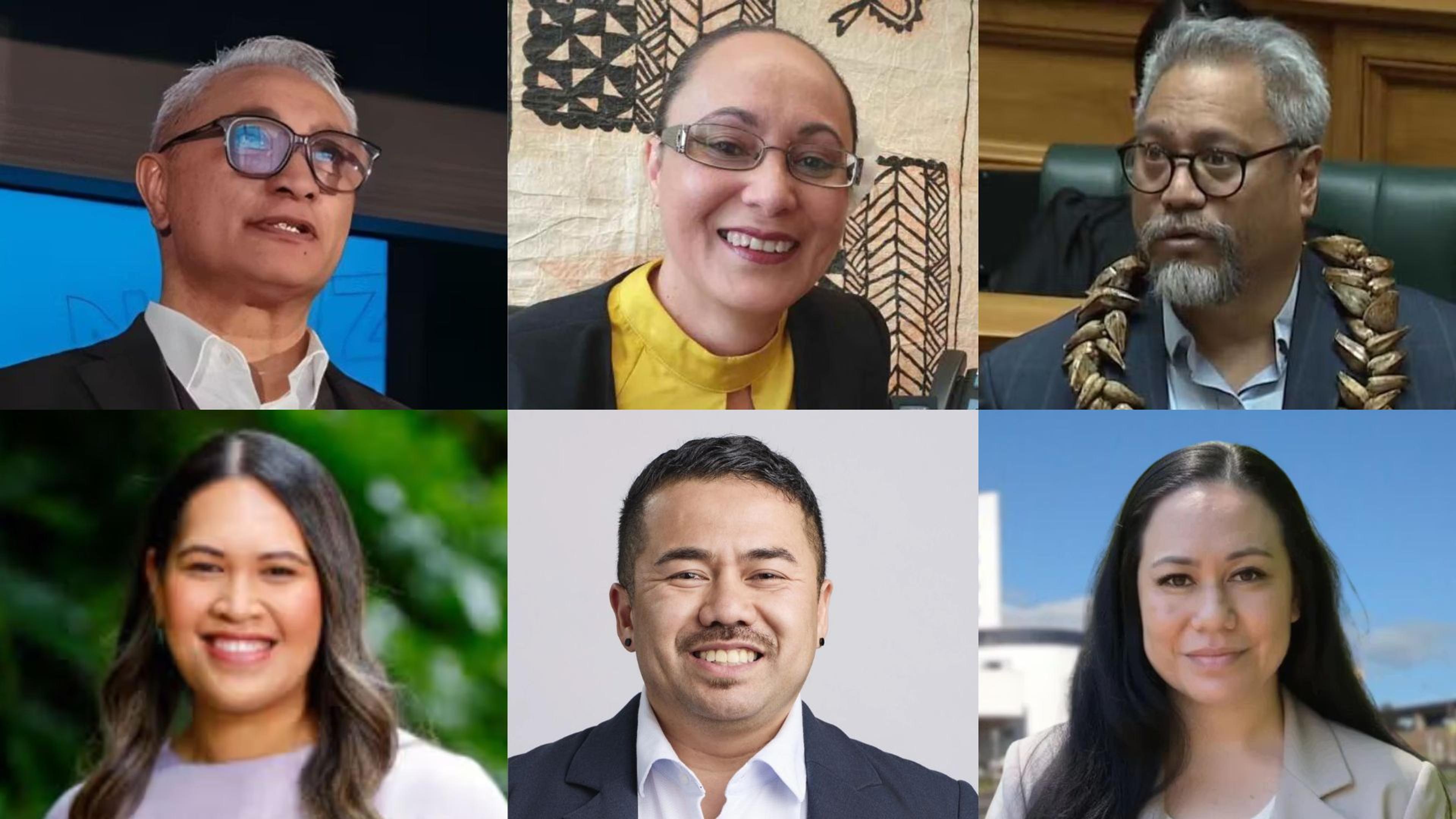
ACT Leader David Seymour says public servants who work with Pacific families can still use cultural skills on the job, but office staff should not be forced to take part in karakia before work.
Seymour told William Terite on Pacific Mornings that ACT’s policy, which would bar public service employers from initiating or resourcing spiritual practices at work, is aimed at desk-based roles, not frontline staff working with communities.
Terite put a listener’s question to Seymour on how this would work when public servants are expected to observe Pacific cultural and spiritual protocols.
Seymour says it depends on the work, pointing to attendance officers he met in South Auckland who visit homes where families may hold different views or speak another language.
“Those guys are doing good work because as part of their job they can connect with others. That I have no objection to.
“What I do object to is when a whole lot of people get into work and they’re there to do accounting or something and they’re forced to perform a karakia in their office in Wellington before they start the day.
Watch David Seymour's full interview below.
“That’s got to stop.”
Former Minister for Pacific Peoples Aupito William Sio told PMN News in August the plan “feels less like fixing the public service and more like using the public service to fight culture war”.
Aupito draws a distinction between stopping compulsory religious observance and removing cultural practices from public life.
Listen to Aupito William Sio's full interview below.
“If you strip out cultural capability, you don’t remove politics from the public service. You remove knowledge from it.
“New Zealand’s public service should reflect New Zealand, our languages, our history, and the community it serves.”
Former Equal Employment Opportunities Commissioner Saunoamaaliʻi Dr Karanina Sumeo says the ‘race-based anything’ line is being used to cover up intentions to perpetuate unequal opportunity.
Asked who decides which cultural requirements are relevant, Seymour points to low Pasifika school attendance in South Auckland, where a staff member who speaks the language or understands the culture could help families who don’t trust the school system.
But he says many government roles, including financial controller and software jobs, require applicants to uphold Te Tiriti.
“You just want to get the job done. And yet people are sort of dragged into this quasi-religious belief. I don’t think there’s a place for that.
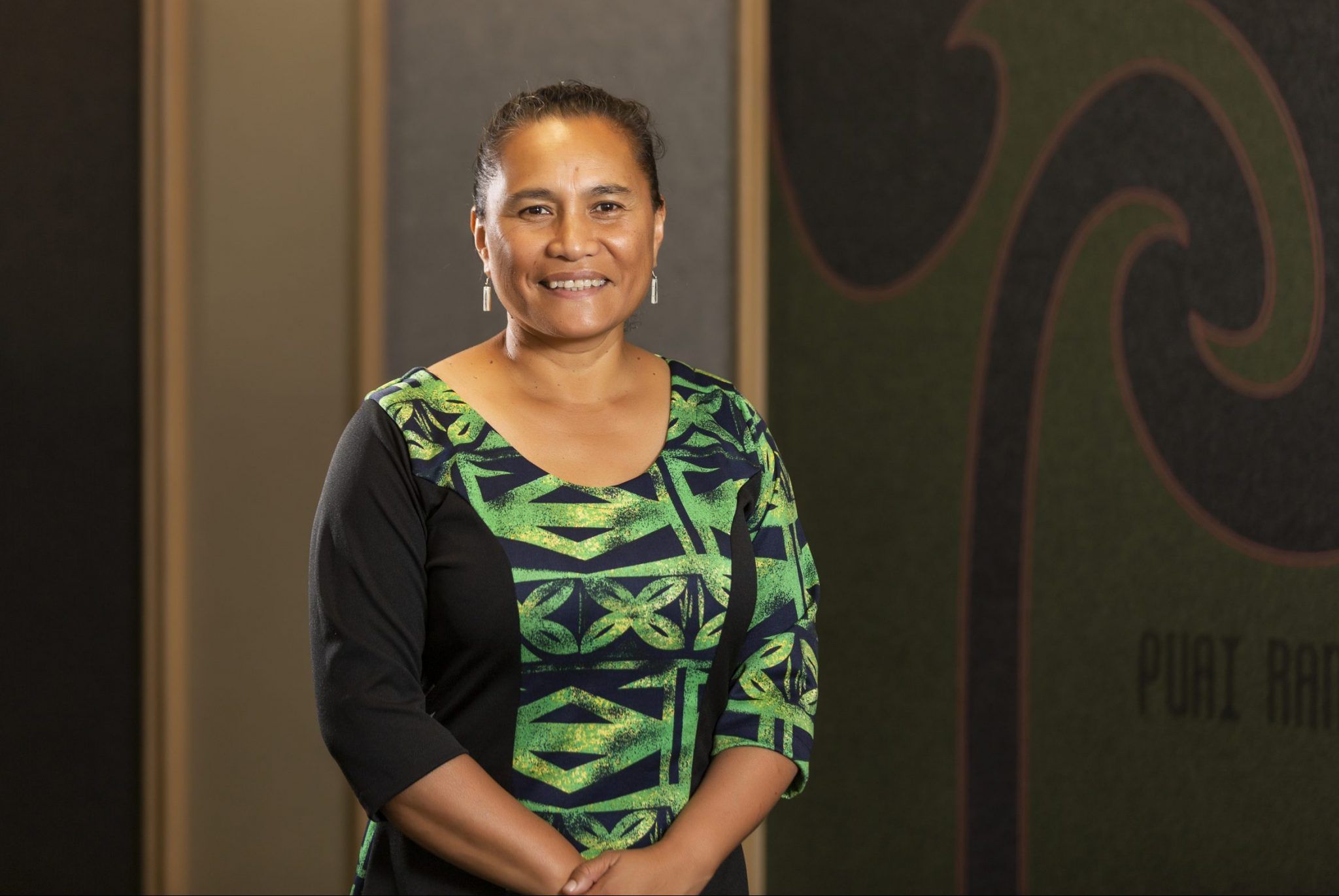
Former Equal Employment Opportunities Commissioner Saunoamaaliʻi Dr Karanina Sumeo says the ‘race-based anything’ line is being used to cover up intentions to perpetuate unequal opportunity. Photo/New Zealand Human Rights Commission
“If I found out that everyone at the Ministry of Social Development had to say the Lord’s Prayer before they started work every day, I’d be against that too. Not because I’m against Christianity. Just because there should be a separation between the public sphere and people’s private life.”
Terite asked whether ACT would still fund charter schools serving Pacific students that may involve cultural and spiritual customs; Seymour says yes.
“I’m not against any particular culture. I’m in favour of people being able to express their culture and live on their terms.”
Green MP Teanau Tuiono says we need specific, culturally appropriate programmes to support our people.
Public Service Association National Secretary Fleur Fitzsimons says removing the ability for public servants to observe cultural and spiritual practices, on top of pushing ‘need not race’ into law, is part of the continued attack on Māori and the policies to improve outcomes for Māori.
“We all know what this is all about. It’s part of a wider ACT agenda to run down public services, so they can be wound back and readied for privatisation.”
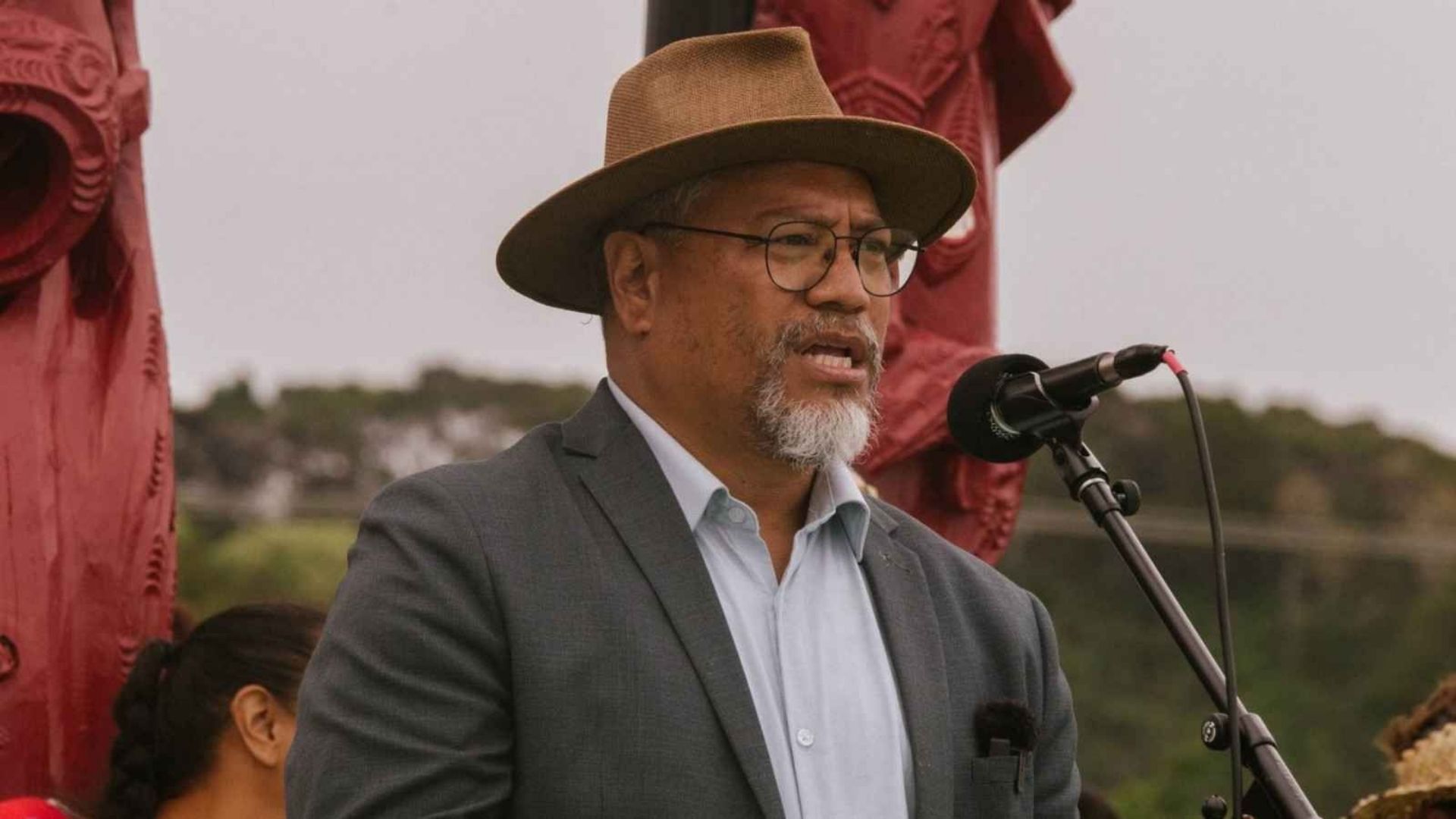
Green MP Teanau Tuiono says we need specific, culturally appropriate programmes to support our people. Photo/Supplied
Asked whether this was a “nanny state” policy, Seymour turns the label around.
“What I believe is the nanny state is when you have government departments that are enforcing one culture above all others, compelling people to participate in activities that they don’t want to be part of.”
“We’re pushing back against it and standing for freedom.”
The general election is on Saturday 7 November. Advance voting starts on 26 October.