High blood pressure a silent killer, Solomon Islands calls for stronger action
Lachlan EddieFri, 23 Oct
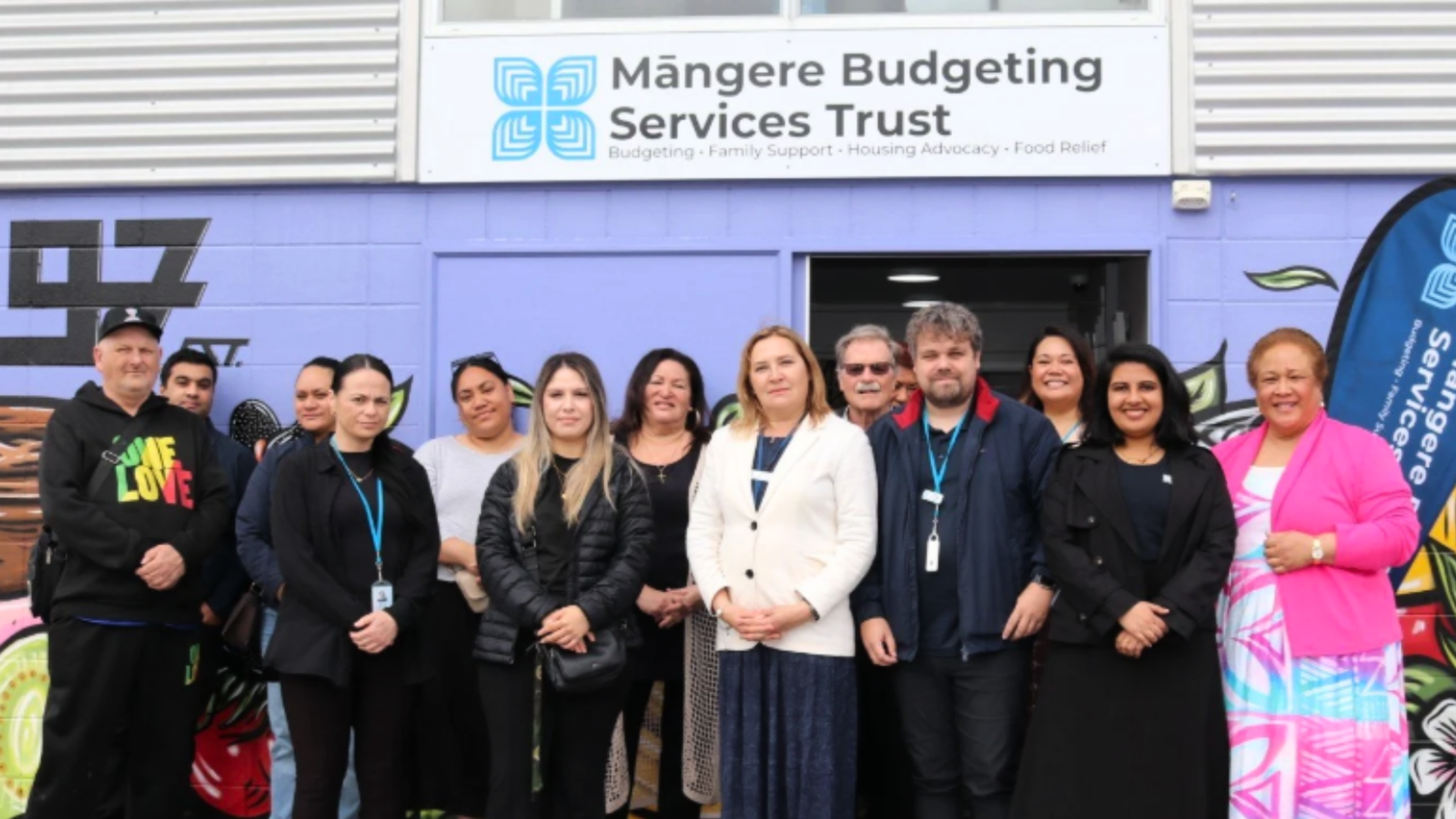
Lara Dolan, middle in white, sees people with extra insurance added to finance, subscriptions and warranties that can be difficult to understand or cancel.
Photo/Māngere Budgeting Services Trust/Supplied
Lara Dolan says whānau are being charged for insurance, warranties and subscriptions they may not need or understand.




Families struggling to make ends meet can be hit with thousands of dollars in extra costs when buying a car, according to a Māngere budgeting service supporting Labour’s proposed crackdown on hidden fees.
Lara Dolan, chief executive of Māngere Budgeting Services Trust, says her team regularly sees people with extra insurance added to vehicle finance contracts, along with subscriptions and warranties that can be difficult to understand or cancel.
Her comments come after Labour leader Chris Hipkins announced the proposed Fair Go law at the Trust in Auckland on Thursday.
The policy would ban some insurance products sold with cars, stop the hard sell of extended warranties on electronics and whiteware, require mandatory fees to be included in advertised prices and make subscriptions and gym memberships easier to cancel.
While National’s campaign chair Simeon Brown says “the biggest hidden fee facing Kiwi households comes from Labour itself”, claiming Labour’s policies would cost the average household $2263 a year in extra tax.
Dolan told William Terite on Pacific Mornings the key issue is making sure people know exactly what they are paying for.
Listen to Lara Dolan's full interview below.
“Any policy that will help consumers to understand what they are purchasing is a step in a good direction.”
She says vehicle finance is where some of the biggest extra costs show up.
“Many people, especially people who are purchasing vehicles on finance, can see on their contract all kinds of insurance added: breakdown insurance, GPS insurance, some other insurance that I’ve never seen before.”

Pacific families are facing growing pressure to put enough food on the table as the cost of groceries continues to stretch household budgets. Photo/Healthy Families/file
Dolan says those cuts can quickly add up for families already under pressure.
“It definitely will reduce the level of debt because, for example, car insurance could be an additional $2000.”
The pressure Dolan is seeing comes as cost of living remains the biggest election issue for Pacific voters.
The PMN-Horizon Research Pacific Issues Election Survey found nine in 10 Pacific respondents said the cost of living would influence how they vote in the November election. Jobs and wages followed at 75 per cent, while health and housing were also major concerns at 66 and 65 per cent respectively.
For families already watching every dollar, Dolan says extra costs attached to everyday purchases can make that pressure worse.
Dolan wants people to take time to compare what they are being offered instead of feeling pressured to sign up immediately.

Dolan says extra costs attached to everyday purchases can make that pressure worse. Photo/RNZ/123RF
“For example, there are lots of other insurance companies in New Zealand. You don’t have to just buy straight away at the point of sale.”
Extended warranties are another area where Dolan says consumers need to understand what they are actually getting.
“You need to understand, if you have a warranty, how is it different to the Consumer Guarantees Act?”
She says subscriptions can also quietly drain household budgets especially when people stop using a service but payments continue automatically.
“Many people don’t even understand that it is coming out of their account.”.
Dolan says cancellation can be another barrier. “So it’s a good idea to review your subscriptions regularly and see what you are using and what you’re not, and cancel what you don’t use.”

You may stop using a service but payments may still be coming out of your account Dolan says. Photo/RNZ/123RF
“It’s really difficult to cancel because no one gives you instructions on how to.”
Labour says its proposed law would make cancellation as easy as signing up and require businesses to show the full cost of products and services upfront.
The party’s commerce and consumer affairs spokesperson, Arena Williams, says the principle is simple: “Don’t make money by tricking hardworking people.”
The debate over household costs extends beyond Labour’s Fair Go proposal with other parties putting forward different ways to tackle pressure on family budgets.
National has rejected Labour’s approach, with campaign chair Simeon Brown arguing Labour’s own policies would cost the average household $2263 a year in additional tax.
ACT leader David Seymour says the policy would hurt small businesses and argues fees would simply be built into everyday prices.
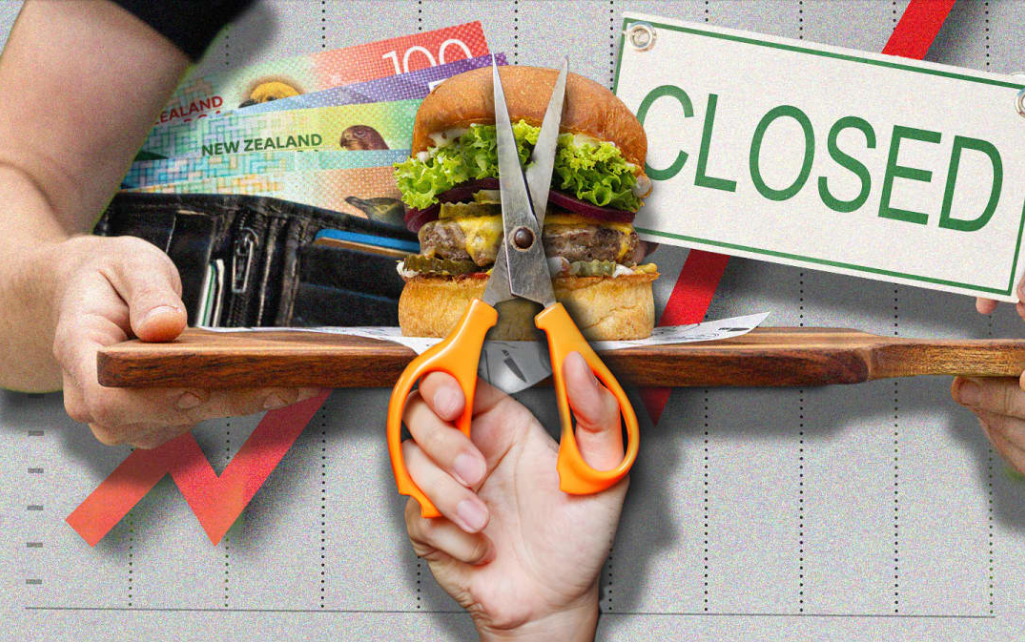
Would Labour's "Fair Go" policy hurt small businesses asks Seymour? Photo/RNZ/Liam K. Swiggs
“Those decisions should belong to the person spending their own money,” Seymour said of insurance and extended warranties.
The Greens are campaigning for a publicly owned supermarket chain, KiwiMart, to increase competition in the grocery sector, alongside a wealth tax on net assets above $10 million.
Responding to this week’s Pre-election Economic and Fiscal Update, Green Party co-leader Chlöe Swarbrick said: “Luxon’s fiscal hole is in New Zealanders’ wallets”.
New Zealand First is also campaigning on grocery prices with a plan to break up the supermarket duopoly and support greater competition.
The party says the cost of living remains a major concern for families.
The 2026 general election is on 7 November with advance voting starting on 26 October. Voters must be enrolled by midnight on 25 October.