
Pacific women have waited long enough for equal pay in NZ, says former commissioner
Thomas Tarurongo WynneTue, 06 Oct
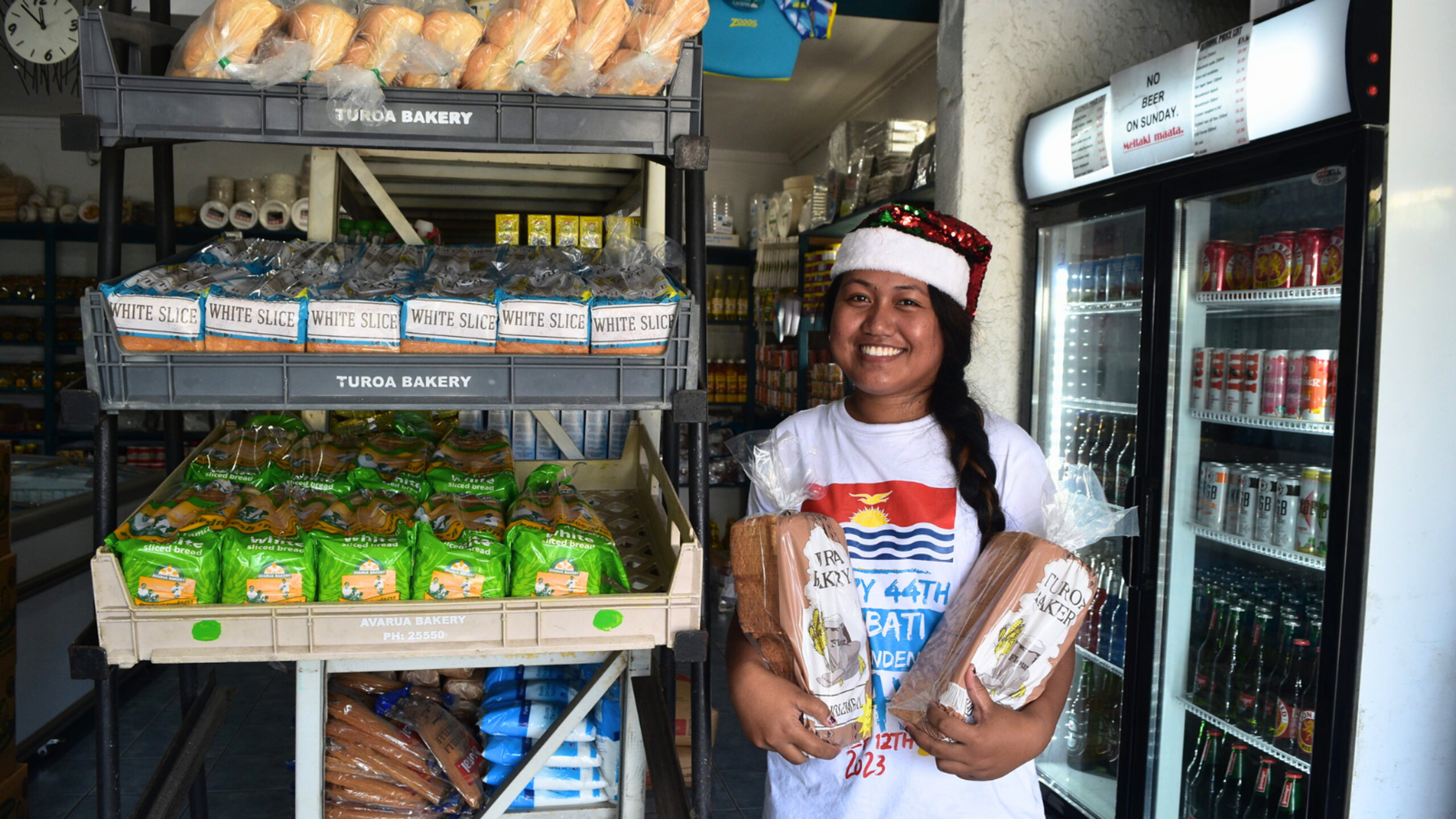
The results of a Cook Islands News pre-election poll, to be released this weekend, identifies the cost of living as the biggest concern for voters.
Photo/Cook Islands News
Cook Islanders head to the polls on Wednesday with rising household costs dominating the campaign.
As Cook Islanders prepare to vote on Wednesday 12 August, the cost of living has emerged as the biggest issue facing voters.
This comes as soaring food, freight and power costs shape one of the country's closest election campaigns in years.
Rashneel Kumar, editor of the Cook Islands News, says affordability has eclipsed almost every other issue as families and businesses struggle with rising prices.
"The sticker shock is real. I was baffled to actually see potato prices at NZ$7 a kilo," Kumar told Khalia Strong on Pacific Mornings.
He says the Cook Islands' dependence on imports means higher freight costs continue to push up prices, while global inflation and rising energy costs have added further pressure.
He says his newspaper's pre-election poll, due to be released this weekend, also identifies the cost of living as voters' biggest concern.
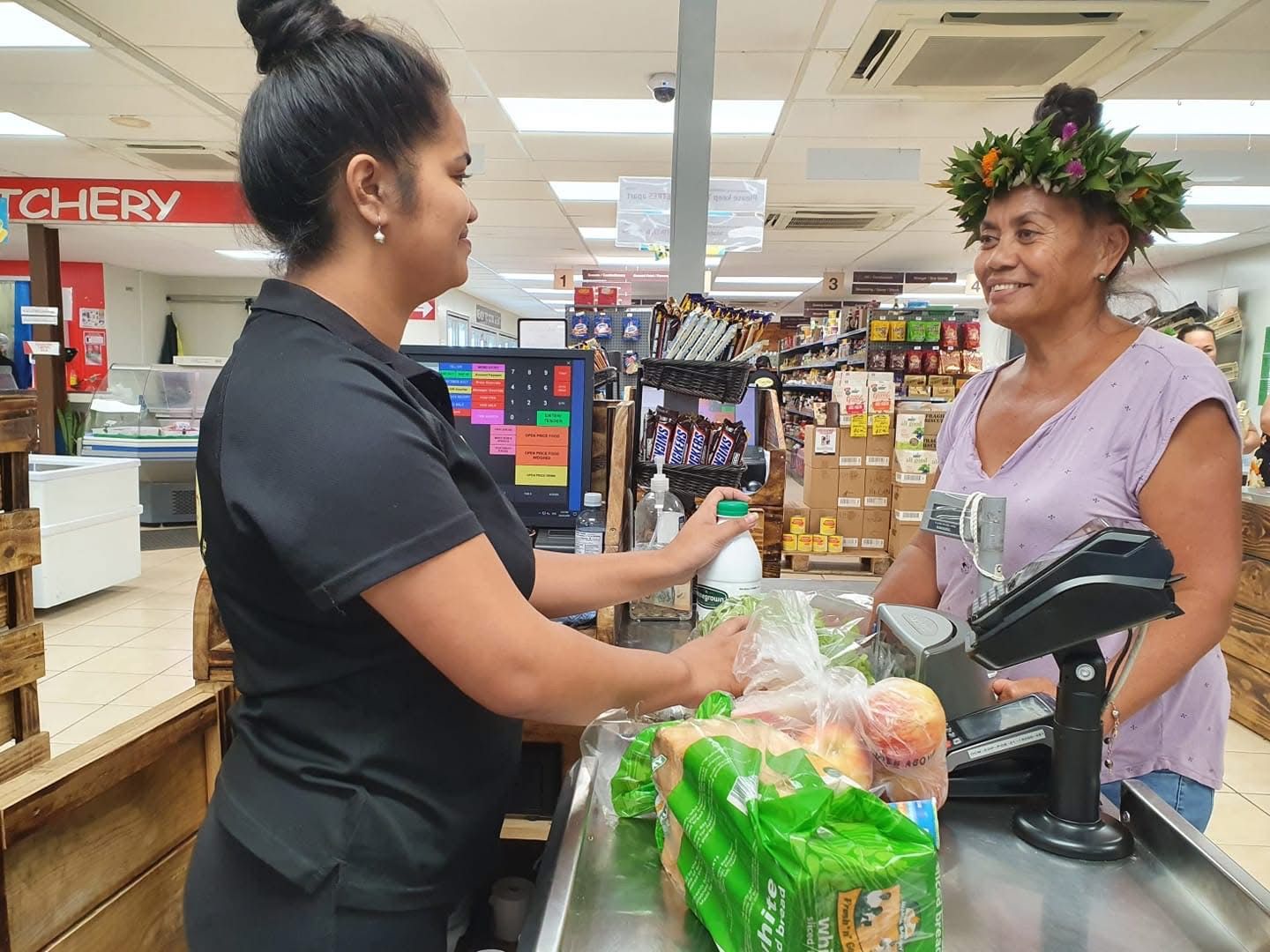
Local media have identified that affordability has eclipsed almost every other issue as families and businesses struggle with rising prices. Photo/Ministry of Finance and Economic Management.
The pressure is being felt across the country.
Last month, Liana Scott Muri Beach Hotel general manager told PMN News that almost everything consumed in the Cook Islands is imported.
"The cost of living is no joke here. Everything's imported. I think 90 per cent of everything we need and require is imported. Freight, air freight and sea freight continue to increase," Scott says.
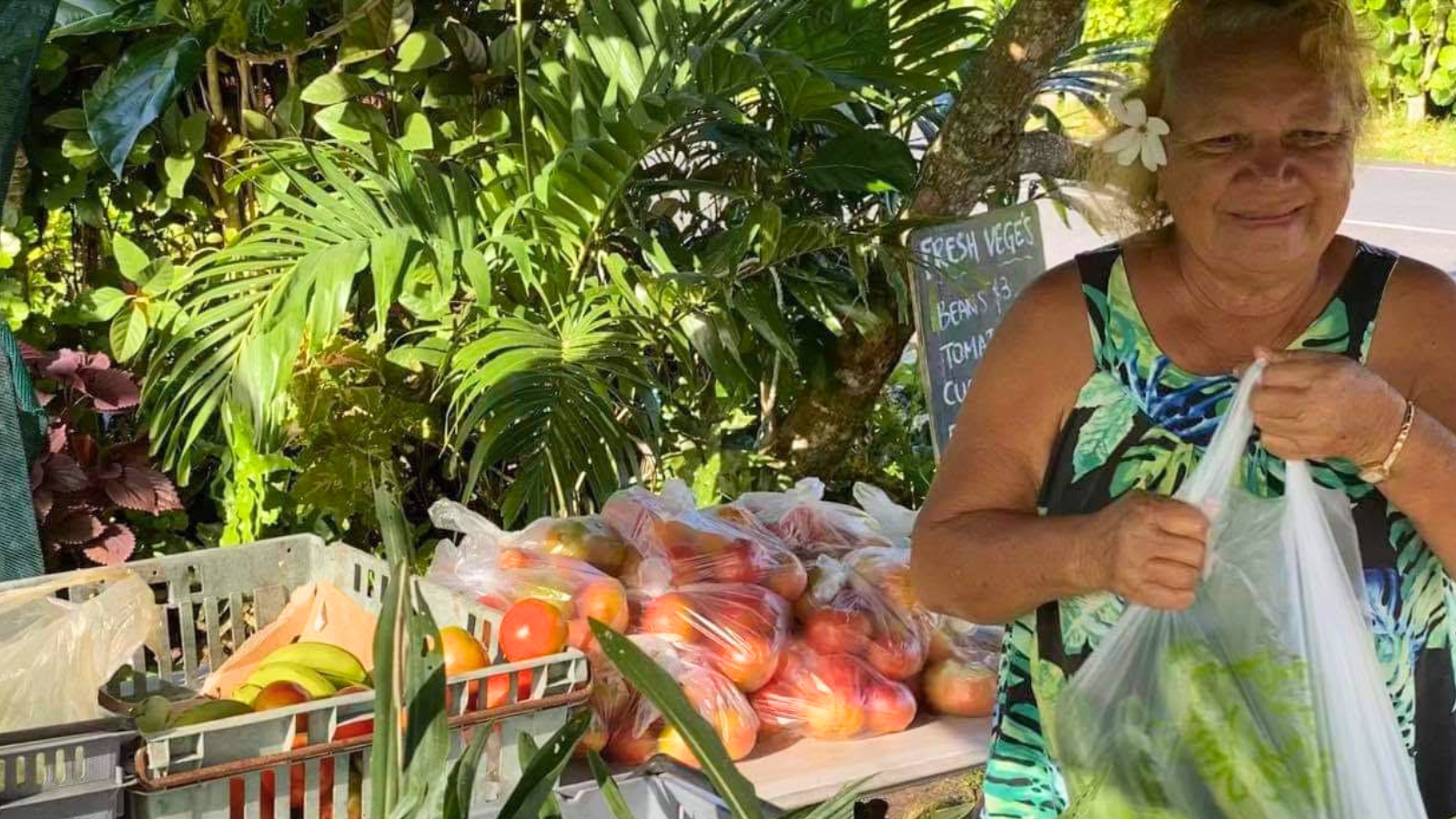
Locals say the Cook Islands' dependence on imports means higher freight costs, which push up prices, while global inflation and rising energy costs have added further pressure. Photo/Ministry of Finance and Economic Management.
She says households are also facing higher rents, new water charges and rising electricity costs.
Prime Minister Mark Brown is seeking a fifth consecutive term for the Cook Islands Party (CIP), which has governed since 2010.
Voters will elect all 24 MPs to Parliament under the first-past-the-post system.
Despite the Cook Islands Party’s long time in office, Kumar says the election is too close to call.
"It could go either way," he says.
He does not expect either of the two major parties to win an outright majority, making independent candidates likely to play a key role in forming the next government.
Watch Rashneel Kumar's interview below.
There are 63 candidates contesting the election, including 15 independents. One seat has already been decided, with former Democratic Party MP Agnes Armstrong returned unopposed as the independent MP for Ivirua.
Water charges have also become a major campaign issue.
While households receive 38,000 litres of free water, Kumar says opposition parties have criticised the government’s charging system, with some voters calling for water to return to being completely free.
The campaign has also played out heavily on social media, where Kumar says misinformation has spread quickly, forcing the country's water authority to publicly correct false claims.
Beyond household costs, deep sea mining remains one of the clearest policy differences between the major parties.
At Thursday's leaders' debate, Brown defended his government's exploration-first approach, saying any future industry should create more value for the Cook Islands.
Watch part of the Party Leaders' Debate livestream from Thursday below.
"The focus should be not on what these countries want," Brown says, arguing the Cook Islands should be "part of the value chain ... not just collecting royalties".
Progressive Party leader Te Tuhi Kelly took a different view.
"This is not about choosing between one major power and another. It is about choosing the Cook Islands."
Kumar says the Cook Islands United Party also continues to oppose seabed mining.
Although relations with New Zealand drew attention after last year’s agreements with China, Kumar says the issue has faded during the campaign and is no longer a deciding factor for most voters.
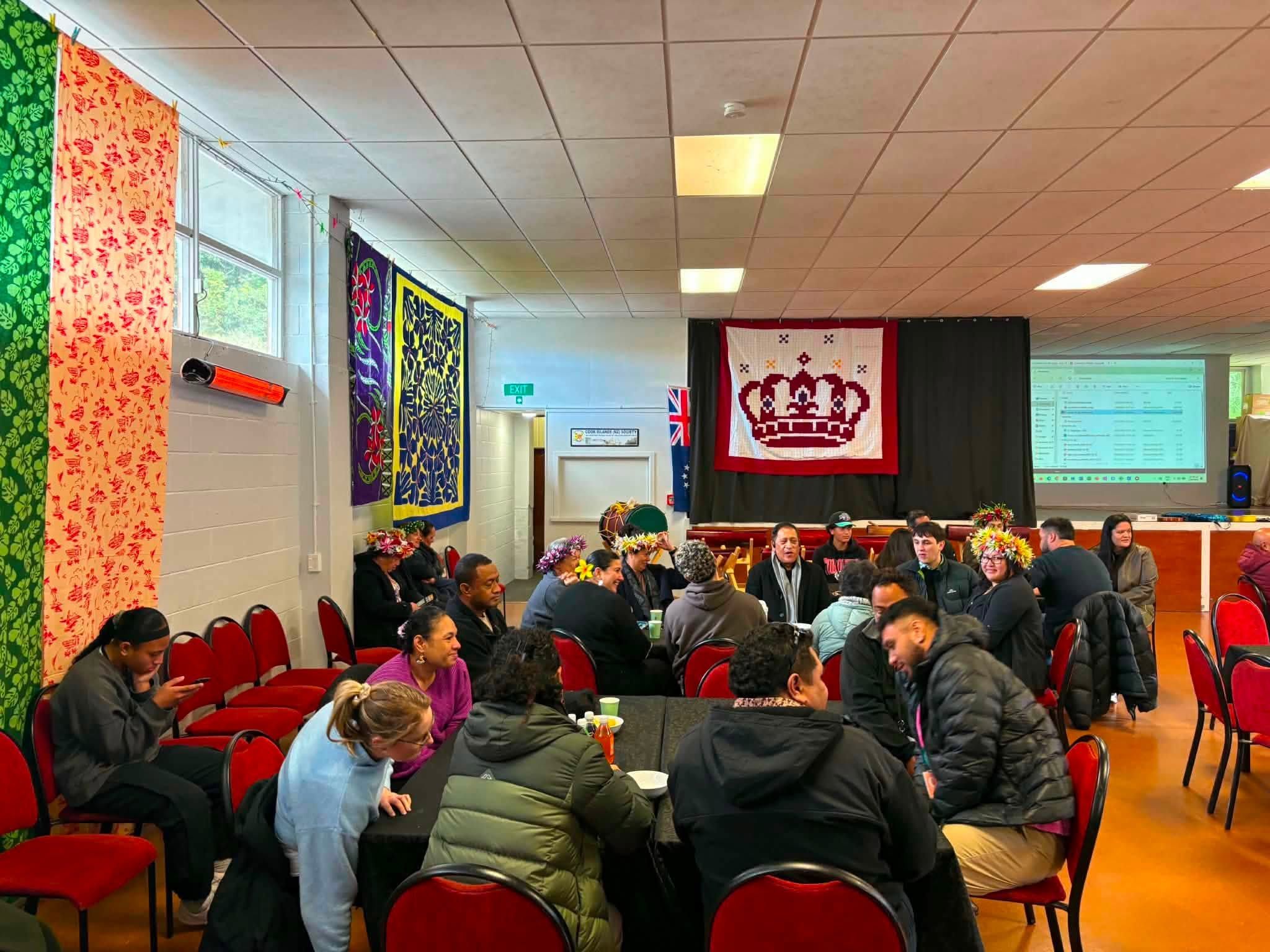
Cook Islanders celebrating Cook Islands Language Week in Wellington. Photo/The Cook Islands in New Zealand
For the many Cook Islanders living in Aotearoa New Zealand, however, the election outcome still matters.
Kumar says many in the diaspora want a government that maintains a "healthy ... robust and close" relationship with New Zealand while creating more opportunities for Cook Islanders overseas to return home, invest and contribute.
Preliminary results are expected on election night, with the official count likely to take at least a week.