
Kiwis suffer last-gasp heartbreak as the Kangaroos snatch World Cup opener
Christine RovoiFri, 16 Oct
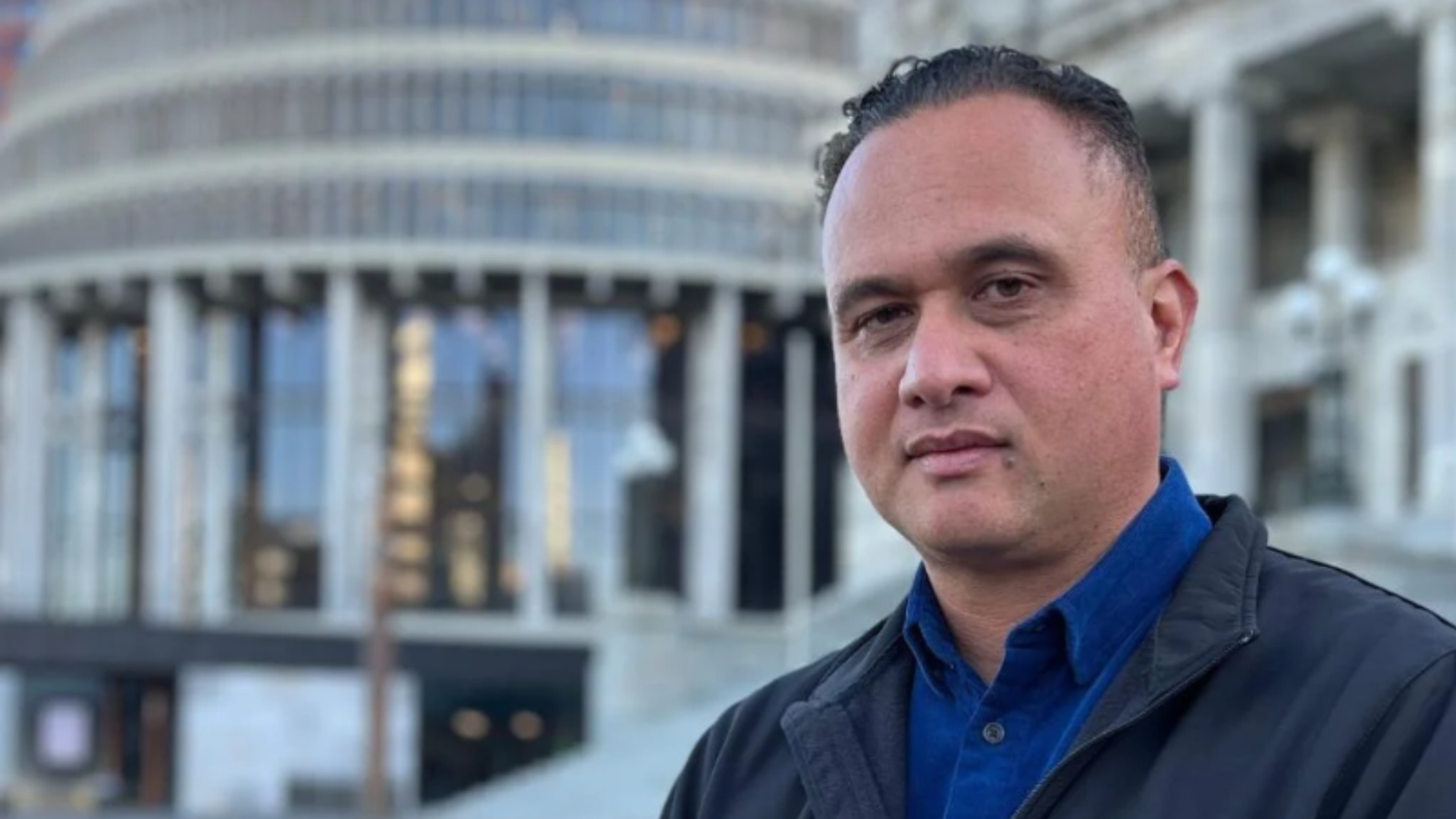
Public Service Association national secretary Duane Leo says the proposed public service merger and job cuts are creating uncertainty for workers and their families, including Pacific communities.
Photo/PSA/Supplied
A union leader says the proposed cuts at the new cities, environment, regions, and transport ministry will add to uncertainty for workers and their families.




A union leader says the proposed restructure at the new cities, environment, regions and transport ministry will add to uncertainty for workers and their families.
A proposal to cut 400 roles at the newly merged government ministry is raising questions about whether the restructure is delivering on the Government’s promise to reduce duplication or simply cutting costs.
Duane Leo, National Secretary of the Public Service Association (PSA), says the proposal at the Ministry for Cities, Environment, Regions and Transport (MCERT) will leave staff facing uncertainty as they compete for positions in a new structure.
Speaking with William Terite on Pacific Mornings, Leo says staff were told about the proposal on Wednesday 14 October and that 1187 permanent roles would be disestablished under it.
“So it’s a massive amount of upheaval,” Leo says.
Under the proposal, the ministry’s roles would fall from 1675 to 1275 by April 2027, a net reduction of 400. MCERT must deliver $50 million in annual savings by 2028/29.
Watch Duane Leo's full interview below.
MCERT says 365 of the roles proposed for removal are vacant, and that vacancies have been deliberately managed during the ministry’s establishment to reduce the impact on staff.
With nearly nine in 10 permanent roles proposed for disestablishment, Leo says most staff would have to apply for jobs in the new structure with no guarantee of a position. “So the number could actually be a lot higher than what we’re being told at the moment.”
He says the uncertainty will weigh on workers and their families through the Christmas period, with final decisions not expected until December and the new structure due to be in place by April 2027.
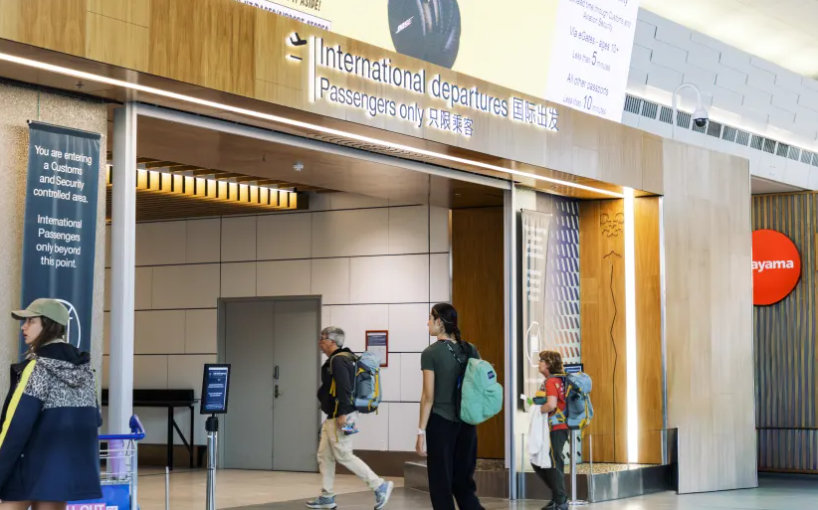
Will more job insecurity push skilled Pacific workers to Australia? Photo/RNZ/Yiting Lin
“You’ve got hardworking families, Pacific people in our communities that will effectively carry that anxiety, carry that stress, and carry that uncertainty through the next couple of months, which is an important time of the year for our people.”
Leo also warns that job insecurity could push skilled Pacific workers to Australia.
The proposed cuts come as jobs and household costs remain major concerns for Pacific voters. The PMN–Horizon Research Pacific Issues Election Survey found 75 per cent of Pacific respondents identified jobs and wages as an election issue, while nine in 10 said the cost of living would influence their vote.
Leo questions what the proposed cuts would mean for the ministry’s work, given it was established to address major challenges facing New Zealand including climate change, housing and infrastructure.
“Climate change, housing, infrastructure [are] some of our biggest long-term challenges. And these aren’t going away.”
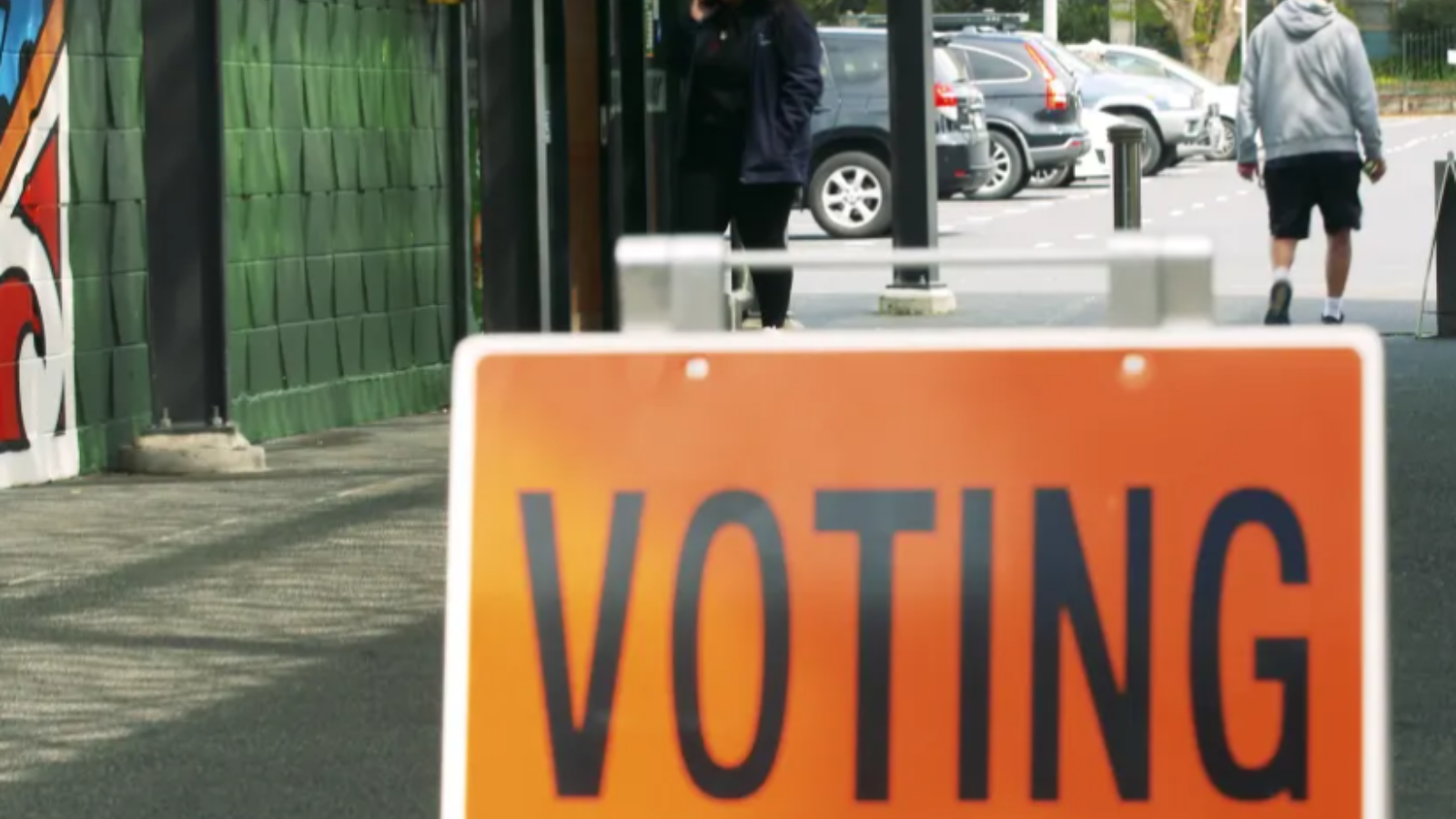
The PSA is asking for restructure to be halted until after the general election on 7 November, arguing a new government could take a different approach. Photo/RNZ/Nick Monro
Leo says the PSA believes the merger is failing to deliver on the Government’s stated aim of reducing duplication and fragmentation across the public service.
He is calling for the restructure to be halted until after the general election on 7 November, arguing a new government could take a different approach.
Jeremy Lightfoot, MCERT Chief Executive, says no decisions have been made and most staff will be affected in some way by the proposal.
“I know that brings real uncertainty for them, and I don’t want to understate how hard that is,” Lightfoot says in a statement.
“Like every government agency, we need to live within our budget. For MCERT, that means delivering $50 million in annual savings by 2028/29 while managing the reductions in funding we inherited from our foundation agencies.”

Jeremy Lightfoot, MCERT Chief Executive, says decisions have not been finalised and staff can provide feedback before any announcement as early as December. Photo/PMN News/Thomas Tarurongo Wynne
Lightfoot says staff will have the opportunity to give feedback before any final decisions are made.
“Over the next few weeks our focus is on making sure they are treated fairly, are well supported, and have clear information to base their decisions on.
“We will listen carefully to any suggestions they have for doing things differently, before making our final decisions in December.”
The proposed MCERT changes come amid a wider Government drive to reduce public service spending and staffing.
Speaking to a business audience in Auckland in May, Finance Minister Nicola Willis said the Government wanted to shrink bureaucracy, improve efficiency and return core public service numbers to about one per cent of the population.

Finance Minister Nicola Willis said the Government wanted to shrink bureaucracy, improve efficiency and return core public service numbers to about one per cent of the population. Photo/RNZ/Samuel Rillstone
Under the plan, public service numbers are expected to fall to about 55,000 full-time equivalent employees by July 2029, down from around 63,700 at the end of last year.
Leo says the PSA wants the Government to explain which services will be reduced as a result of the changes.
“Tell us what services you are going to be cutting, because that’s the reality of the changes that they’re making at the moment.”
He argues the changes amount to cuts rather than a plan to improve how the public service works, and says the PSA is campaigning for a change of government.
Advance voting for the 7 November general election begins on Monday 26 October.