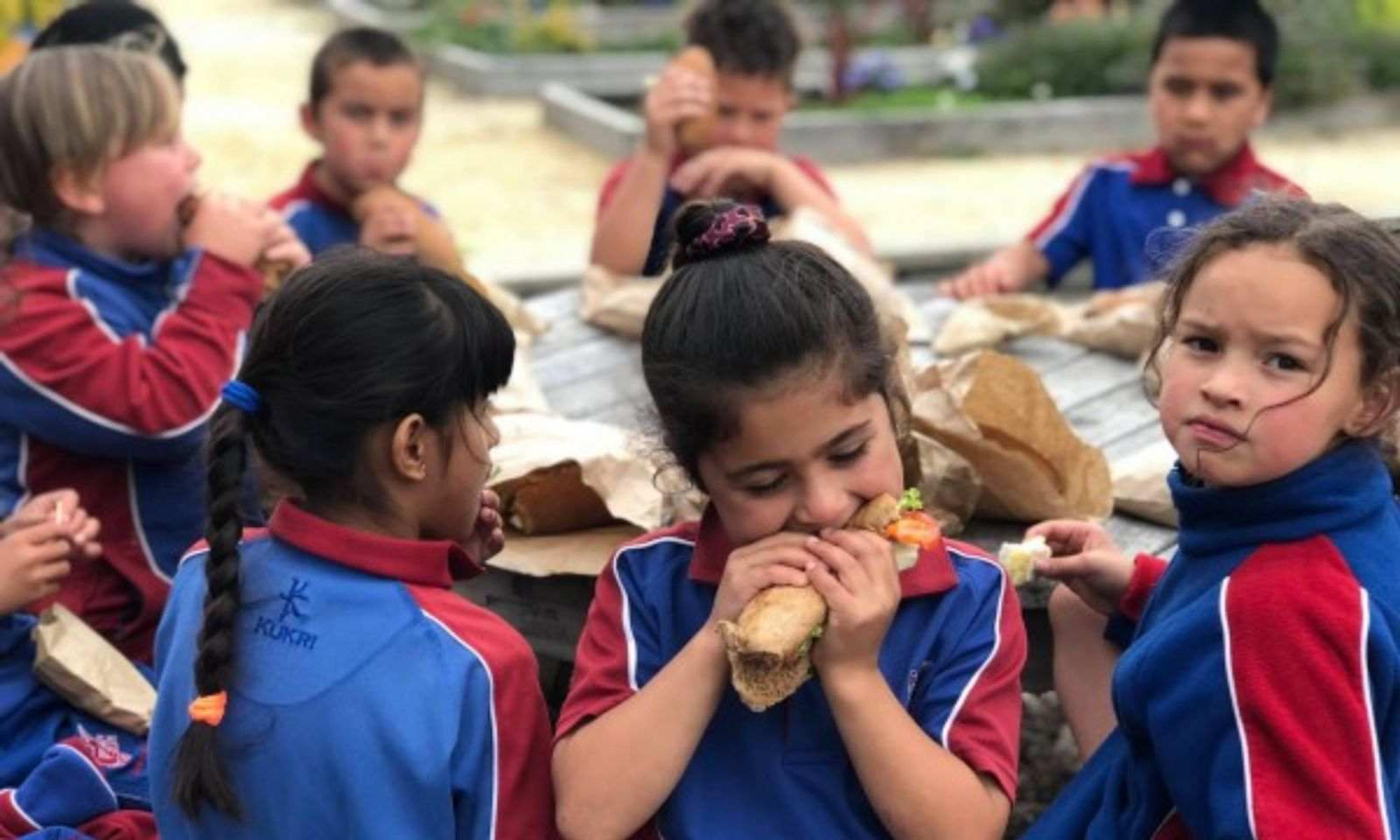
Only about half the meals under the school lunch programme meet nutrition standards, the Auditor-General found.
Photo/File.
Education
$3 school lunch model shifting costs onto schools, principals say
One school is losing money cooking its own meals while another says providers cannot deliver the quality children deserve on the current budget.
Renate Rivers
Published
03 July 2026, 3:43pm
Share
Copy Link
Top stories

PNG Chiefs win first round against New Zealand Rugby
Christine RovoiSat, 17 Oct
Pacific families must work four days to afford basic food: World Vision
Thomas Tarurongo WynneFri, 16 Oct

Sāmoa demolish France in record-breaking 78-4 RL World Cup opener
Christine RovoiFri, 16 Oct
Top stories
PNG Chiefs win first round against New Zealand Rugby
Christine RovoiSat, 17 Oct
Pacific families must work four days to afford basic food: World Vision
Thomas Tarurongo WynneFri, 16 Oct
Sāmoa demolish France in record-breaking 78-4 RL World Cup opener
Christine RovoiFri, 16 Oct
The Government's drive to cut the cost of school lunches is putting pressure on principals, whether they prepare meals themselves or rely on outside providers.
Their experiences add fresh evidence to this week's Auditor-General inquiry, which found that lower costs alone do not prove the programme is delivering value for money.
At Porirua College in Wellington, where meals are cooked on site, Principal Ragne Maxwell says the reduced funding has forced the school to lower quality while absorbing the shortfall cost.
"With the cut in funding, however, we have had to cut the quality of what we are doing, and we are now operating at a loss because you simply can't make a good high-quality meal for $3," she told William Terite on Pacific Mornings.
At Rowandale School in Manurewa, the experience is different, but the conclusion is much the same.
The school relies on an external provider, but Principal Karl Vasau says the $3 funding limit is making it difficult to consistently provide meals that meet students' needs.
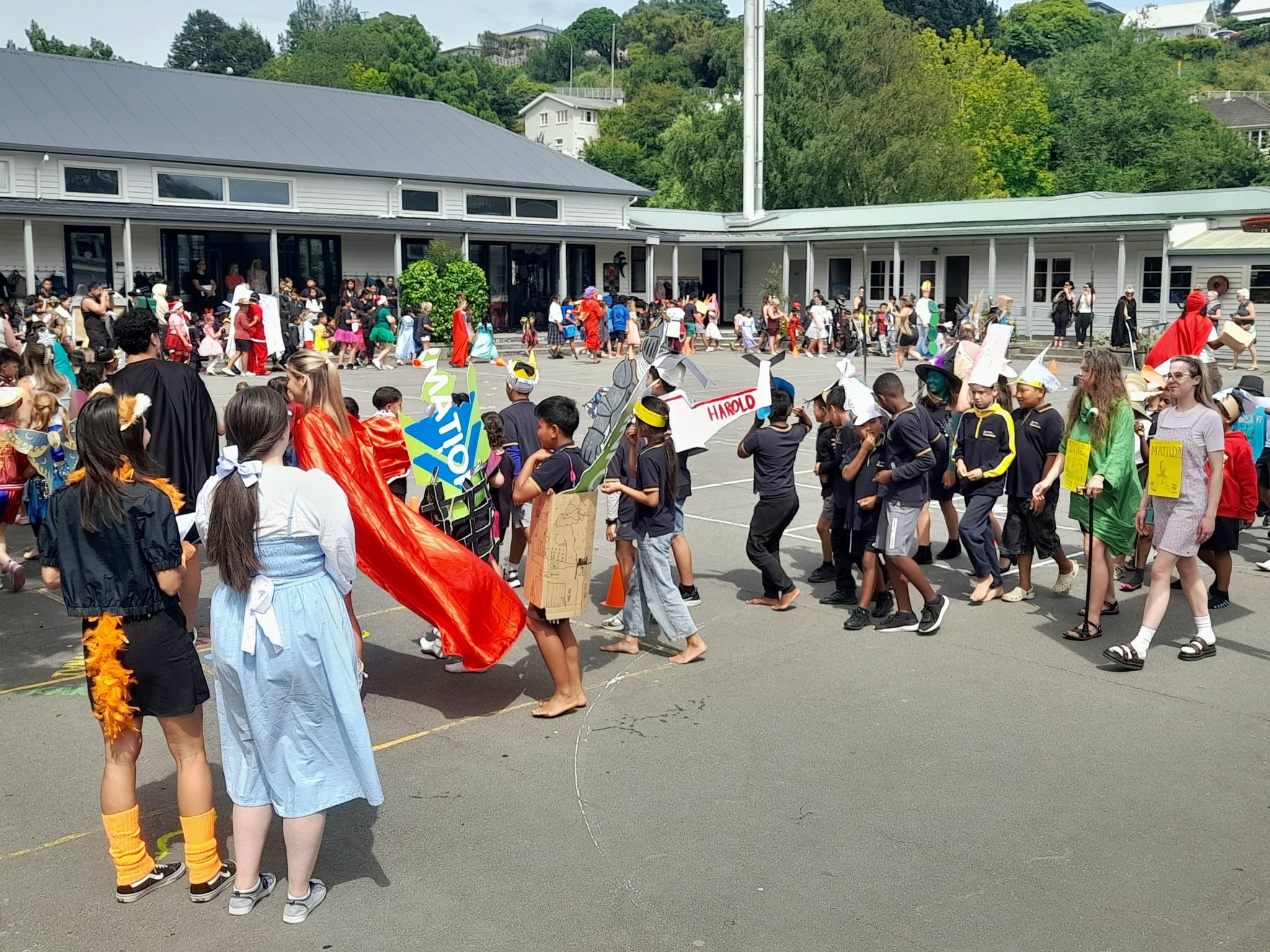
The revamped school lunch programme has saved millions, but principals and the Auditor-General question what it is costing in nutrition. Photo/File.
"We're working closely with our provider, but it's just not hitting the mark for a lot of our children," he told Terite.
Vasau believes the problem comes back to funding.
"I don't think it is enough to do what it's supposed to be doing, which is addressing the need we have, which we have hungry children," he said.

Making families opt in could exclude those most in need, one principal warns, asking: "If a kid's in school and hungry, why wouldn't we be feeding them?" Photo/File.
Both schools serve communities with large Māori and Pacific populations where many families rely on the lunches as part of the school day.
The 2023 Census recorded 39.9 per cent of residents in Rowandale as Pasifika and 25.2 per cent as Māori. In Porirua, 26.5 per cent of residents are Pacific, the highest proportion of any city outside Auckland.
Both principals’ comments come after the Auditor-General found that only about half the meals delivered under the Government's Alternative Provision Model met nutrition standards, despite total programme spending reaching $162.6 million.
The report also warned that cutting costs alone is not enough to show the programme is delivering value.
Associate Education Minister David Seymour, who oversees the programme, has defended the changes, saying the scheme has saved hundreds of millions of dollars.
"In any contract where you're trying to do 250,000 meals a day, there's going to be problems, and you just keep managing it," he told Newstalk ZB.
Listen to Karl Vasau's interview below.
But Vasau says the figures at his own school suggest children still want the meals when they are available.
At Rowandale, which has nearly 600 students, around 500 lunches are eaten each day.
"Every day we would look at possibly sending back just around maybe 100 lunches. So that means we're still eating 500," Vasau told Terite.
The Government is also considering changing the programme so families would opt in for lunches instead of schools automatically providing them.
Maxwell fears that could leave some children behind.
"This feels like it's just trying to exclude people who might have come from a refugee background, might not have good English, might not have their lives very organised," she said.
Watch David Seymour discuss the Auditor-General's report below.
Vasau is less concerned about the proposed change but says schools have a bigger role in shaping how the programme is delivered.
"Definitely please allow for schools to work with the provider, because we know our kids best," he said.
For Maxwell, the debate comes back to a simple question: "If a kid's in school and hungry, why wouldn't we be feeding them?"
The Ministry of Education says the model saved about $134 million in 2025, but the Auditor-General says lower costs alone do not show value for money if children are not eating the meals or they fail to meet nutrition standards.