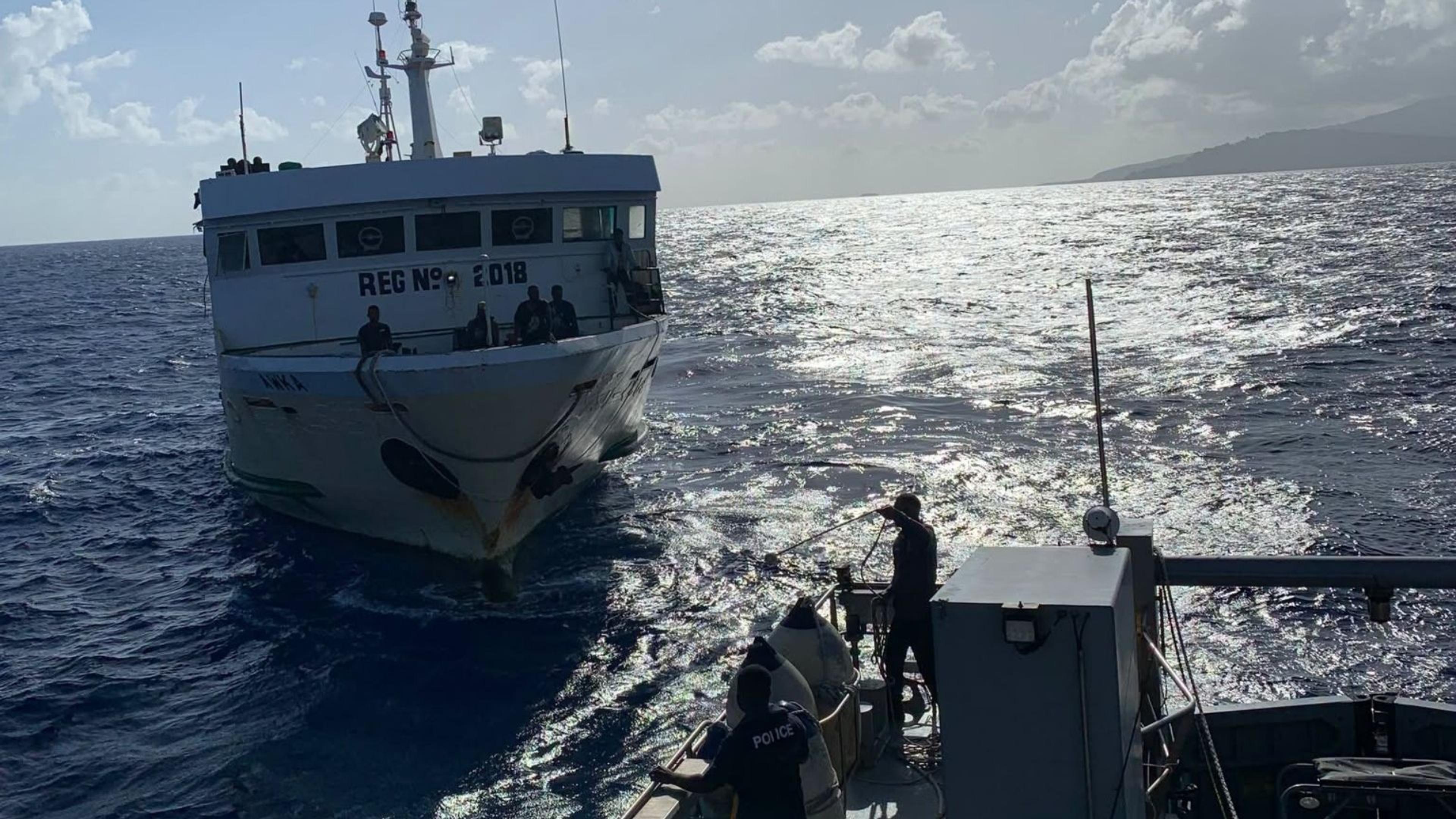
Solomon Islands vessel rescue sparks calls for urgent safety reforms
Lachlan EddieThu, 15 Oct
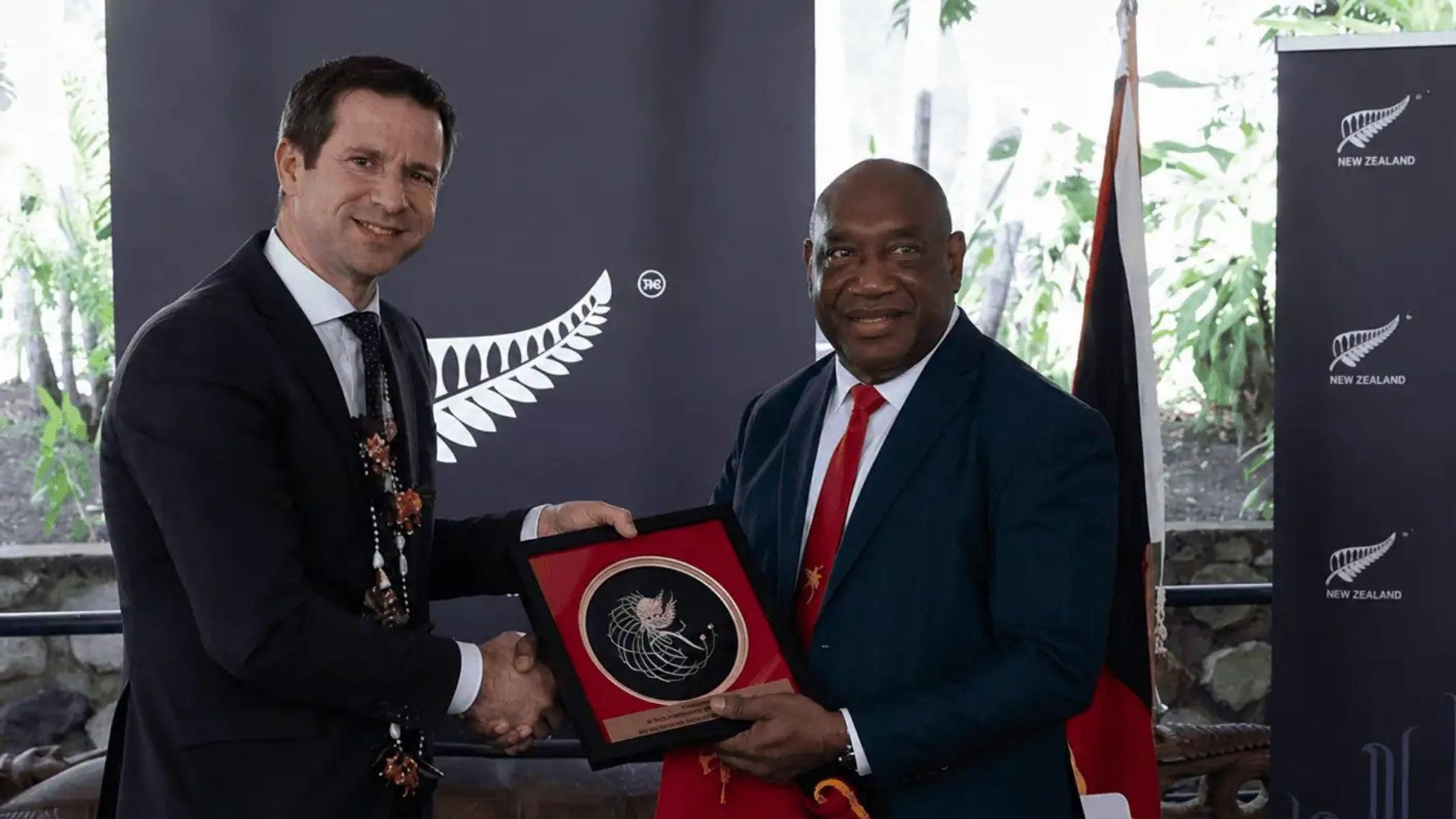
New Zealand Defence Minister Chris Penk and Papua New Guinea Defence Minister Elias Kapavore signed the Statement of Intent on Defence Cooperation 2026–2029 in Port Moresby, strengthening defence ties between the two countries.
Photo/NZ government
The new three-year defence deal is expected to deepen military cooperation between the two countries through joint training, maritime surveillance and new technologies.




The new defence agreement between Papua New Guinea (PNG) and New Zealand could lead to more joint training, maritime patrols and regional cooperation as Pacific countries respond to shared security challenges, according to international law expert Professor Al Gillespie.
The Statement of Intent on Defence Cooperation 2026-2029 was signed by Papua New Guinea Defence Minister Elias Kapavore and New Zealand Defence Minister Chris Penk in Port Moresby on Wednesday.
The deal focuses on strengthening cooperation in areas including maritime surveillance, disaster response, search and rescue, explosive ordnance disposal, officer training and personnel exchanges.
The PNG Government has stressed that the agreement is about strengthening the capability of the Papua New Guinea Defence Force while maintaining the country's sovereignty and control over its own security decisions.
Speaking with William Terite on Pacific Mornings, Gillespie said the three-year agreement is more than a commitment between two countries.
He believes it signals a wider shift as Pacific nations strengthen security cooperation while navigating a changing regional environment.
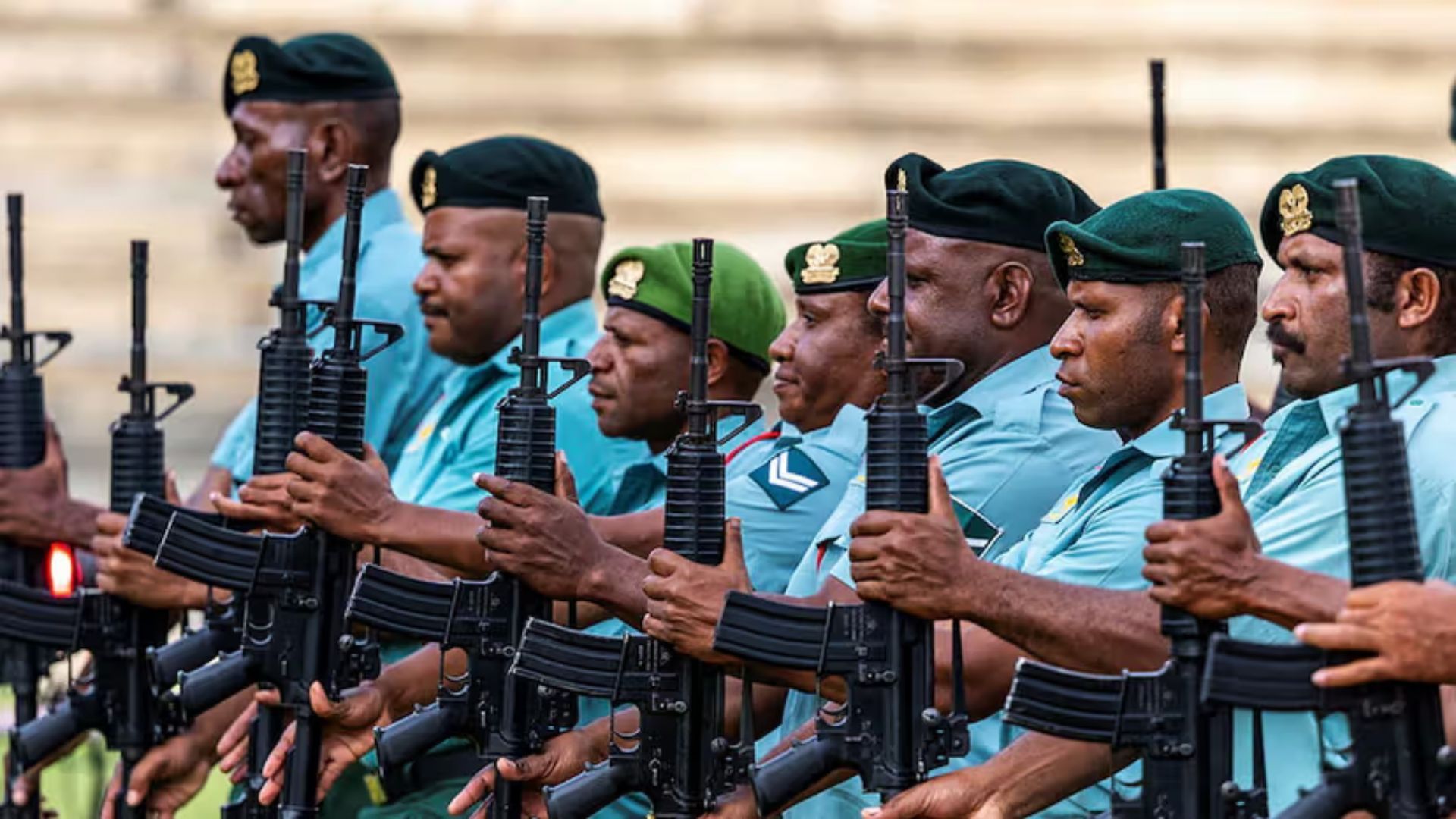
Papua New Guinea Defence Force personnel take part in training and operations as PNG strengthens its capability through regional defence cooperation. Photo/Australian Department of Defence/CPL Jack Pearce
"I think it's a step in the right direction," Gillespie said. "I think it's great to be working with PNG. Their soldiers are of a high quality and it will deepen the relationship between the countries."
Gillespie said maritime security is a key focus because Pacific countries face a range of shared challenges across their vast ocean territories.
"Maritime security covers a lot of things," he said. "It's not just the threat of other countries. It's also the threat of illegal drugs and illegal fishing. And so there's a lot of aspects that you have to be concerned about in the maritime domain."

New Zealand Defence Force personnel have supported training, exercises and capability-building with the PNG Defence Force as part of the long-standing partnership between the two countries. Photo/NZDF
For Pacific countries, maritime security is closely linked to everyday issues such as protecting fisheries, responding to disasters and supporting communities in remote islands.
He said New Zealand, Australia and the United States all have expertise that can help Pacific countries respond to those challenges.
Gillespie believes the PNG agreement is part of a broader regional trend that is already emerging.
"It's not just with PNG in Australia and New Zealand. It's also with Fiji, and you're going to see it move more throughout the region, I think, in years to come and months to come."
Rather than creating formal military alliances, he said many of these agreements are designed to improve how countries work together during emergencies and security operations.
"What you're seeing is much greater linkages between like-minded countries. And so you're seeing a much wider web of defence arrangements linking together."
Listen to Al Gillespie's full interview below.
He expects Pacific countries will see more practical cooperation as those relationships develop.
"I think you're likely to see more, and what it means is that you're likely to see more training together. So you'll see officers from, for example, PNG coming to train them.
"You'll see more operations and joint surveillance around the region, more utilisation of new technologies such as underwater systems and drone systems."
Gillespie said the growing partnerships are also likely to extend beyond military cooperation into civilian agencies, including policing.
"And that will overlap also not just in terms of military support, but also civilian support as well, like with policing."
The agreement comes as New Zealand continues to emphasise closer engagement with regional partners amid growing security and economic uncertainty.
Speaking at regional meetings in Manila this week, New Zealand Foreign Minister Winston Peters said cooperation with partners was increasingly important as countries respond to a changing global environment.
“People all around the world are doing it tough, and our region is facing major security and economic impacts from the currently turbulent global environment,” Peters said.
Asked how China might view the growing number of defence agreements in the Pacific, Gillespie said the trend was unlikely to be welcomed by Beijing.
But he said there should still be room for cooperation on broader regional issues.
"We should try to cooperate as much as we can with non-traditional partners, and we shouldn't be in conflict, especially over the development and sustainable development of the Pacific.
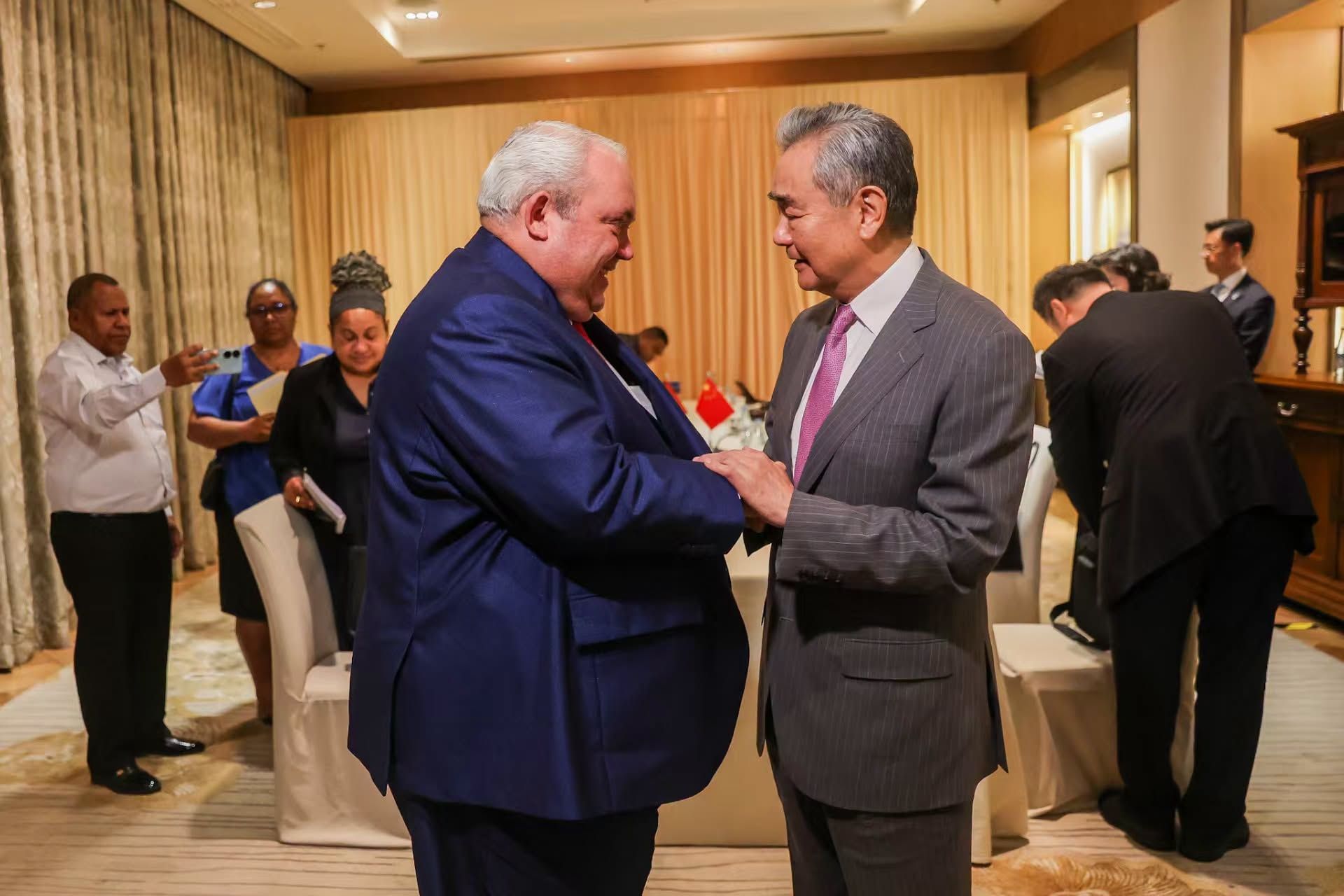
Papua New Guinea Foreign Minister Justin Tkatchenko, left, and Chinese Foreign Minister Wang Yi meet in Manila where the two sides discussed strengthening bilateral ties and cooperation between China and PNG. Photo/Chinese Foreign Ministry
"But when it comes to security, countries tend to work with more countries which are historically aligned and share the same values."
China has also highlighted its growing relationship with Papua New Guinea, with Chinese Foreign Minister Wang Yi saying Beijing supports PNG playing a greater role in international affairs.
During talks with PNG Foreign Minister Justin Tkatchenko in Manila, Wang said China was willing to deepen cooperation with PNG in areas including trade, infrastructure, health and other areas of development.
He also welcomed PNG’s decision to close its Taipei Economic Office, describing it as a sign of closer ties between the two countries.
PNG Prime Minister James Marape has said defence partnerships with traditional partners are made under sovereign decisions and that Papua New Guinea retains full control of its military.
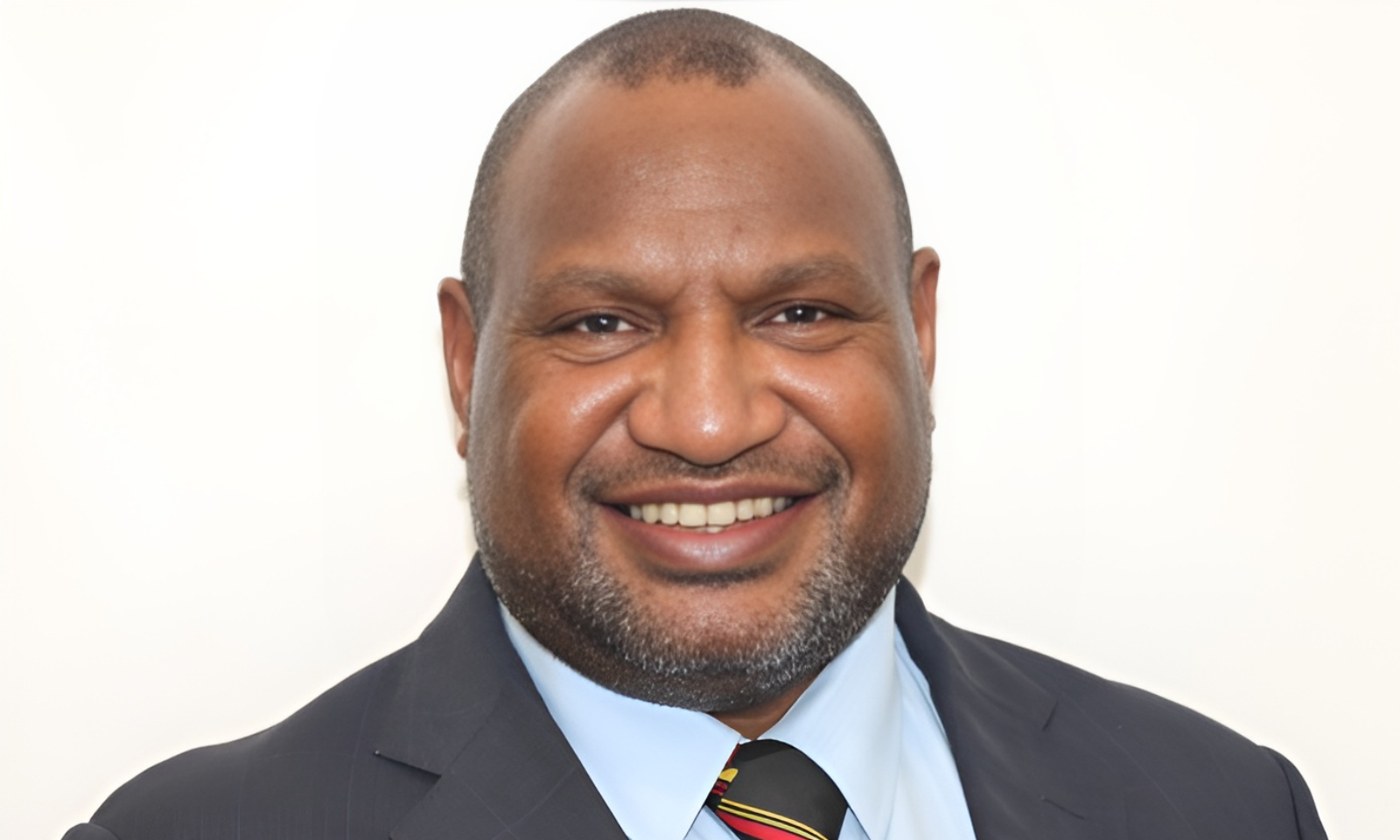
PNG Prime Minister James Marape says defence partnerships with traditional partners are sovereign decisions, with Papua New Guinea maintaining control over its own security and defence forces. Photo/PNG government
His comments reflect PNG's repeated position that security partnerships are about strengthening national capability while keeping decision-making in PNG hands.
"Each nation remains fully sovereign. The Papua New Guinea Defence Force answers only to the Government and Commander of Papua New Guinea... This does not diminish our sovereignty in any way," Marape said.
For Gillespie, the agreement is unlikely to be the last of its kind.
As Pacific countries face growing security challenges, he expects more defence partnerships to emerge across the region, bringing closer cooperation both at sea and on land.