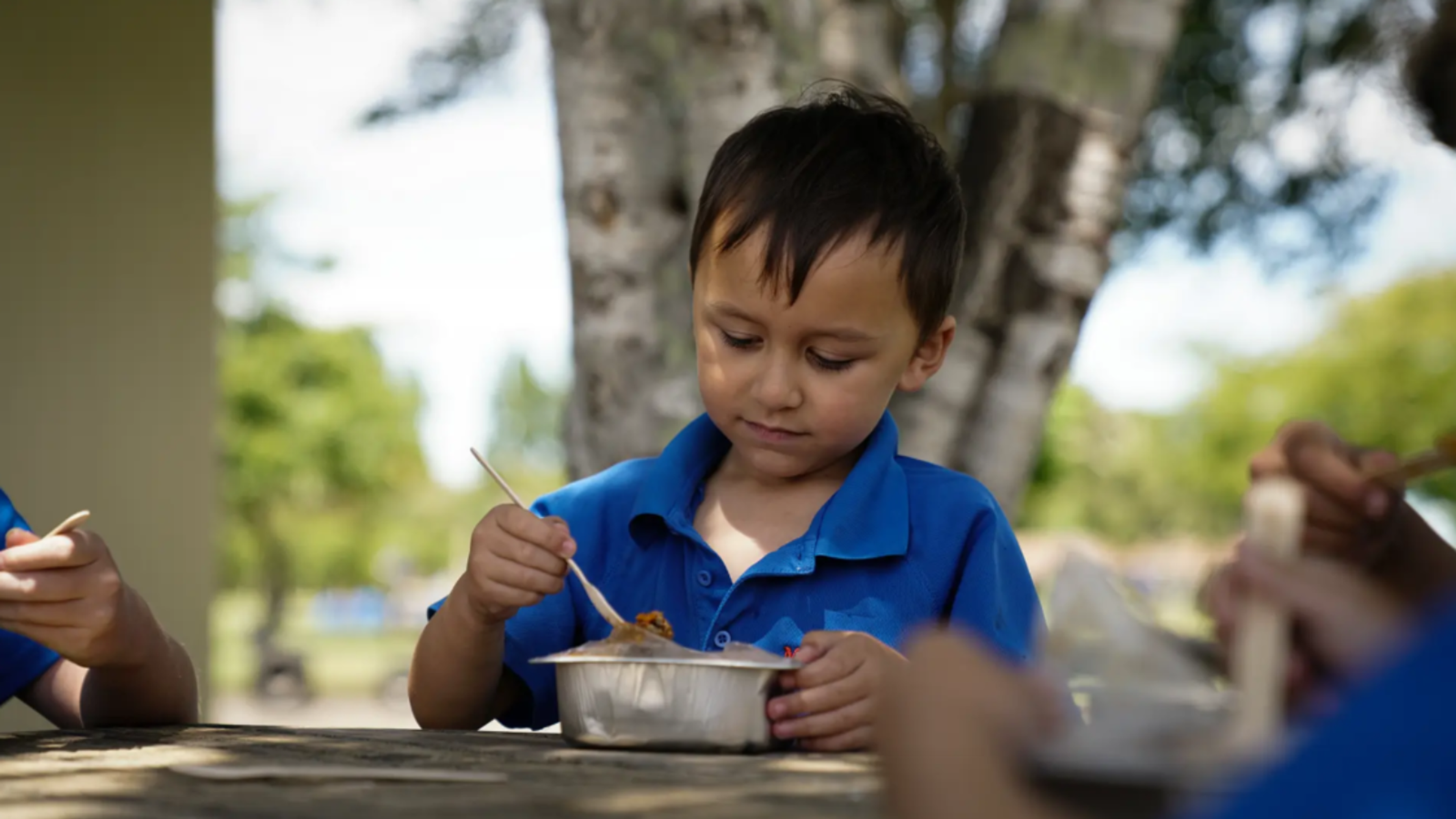
Students collect their lunches under the Government's revamped Healthy School Lunches Programme, which an Auditor-General's inquiry found is meeting nutrition standards only about half the time.
Photo/Ministry of Education.
Politics
Half of school lunches fail nutrition standards despite rising costs, Auditor-General finds
A new inquiry has found the Government's school lunch programme is missing half its nutrition targets while costing more than planned, with advocates warning Pasifika among those most affected.
Renate Rivers
Published
01 July 2026, 3:59pm
Share
Copy Link
Top stories

PNG Chiefs win first round against New Zealand Rugby
Christine RovoiSat, 17 Oct
Pacific families must work four days to afford basic food: World Vision
Thomas Tarurongo WynneFri, 16 Oct

Sāmoa demolish France in record-breaking 78-4 RL World Cup opener
Christine RovoiFri, 16 Oct
Top stories
PNG Chiefs win first round against New Zealand Rugby
Christine RovoiSat, 17 Oct
Pacific families must work four days to afford basic food: World Vision
Thomas Tarurongo WynneFri, 16 Oct
Sāmoa demolish France in record-breaking 78-4 RL World Cup opener
Christine RovoiFri, 16 Oct
Only about half of the meals served through the Government's revamped school lunch programme are meeting nutrition standards despite the scheme costing nearly $60 million more than originally approved, a new Auditor-General inquiry has found.
The report raises fresh questions over whether the programme is delivering value for money, with advocates warning Pacific children are among those bearing the greatest impact because they make up a large share of students who rely on free school lunches.
Between May and December 2025, just over 50 per cent of meals provided under the Alternative Provision Model met the required nutrition standards.
The inquiry also found costs have continued to climb. Cabinet approved the programme at $103m over two years in April 2024.
By the time contracts were signed six months later, the budget had risen to $142.4m. It now stands at $162.6m.
While the Ministry of Education says the programme saved about $134m in 2025, the Auditor-General said value for money cannot be measured by savings alone.
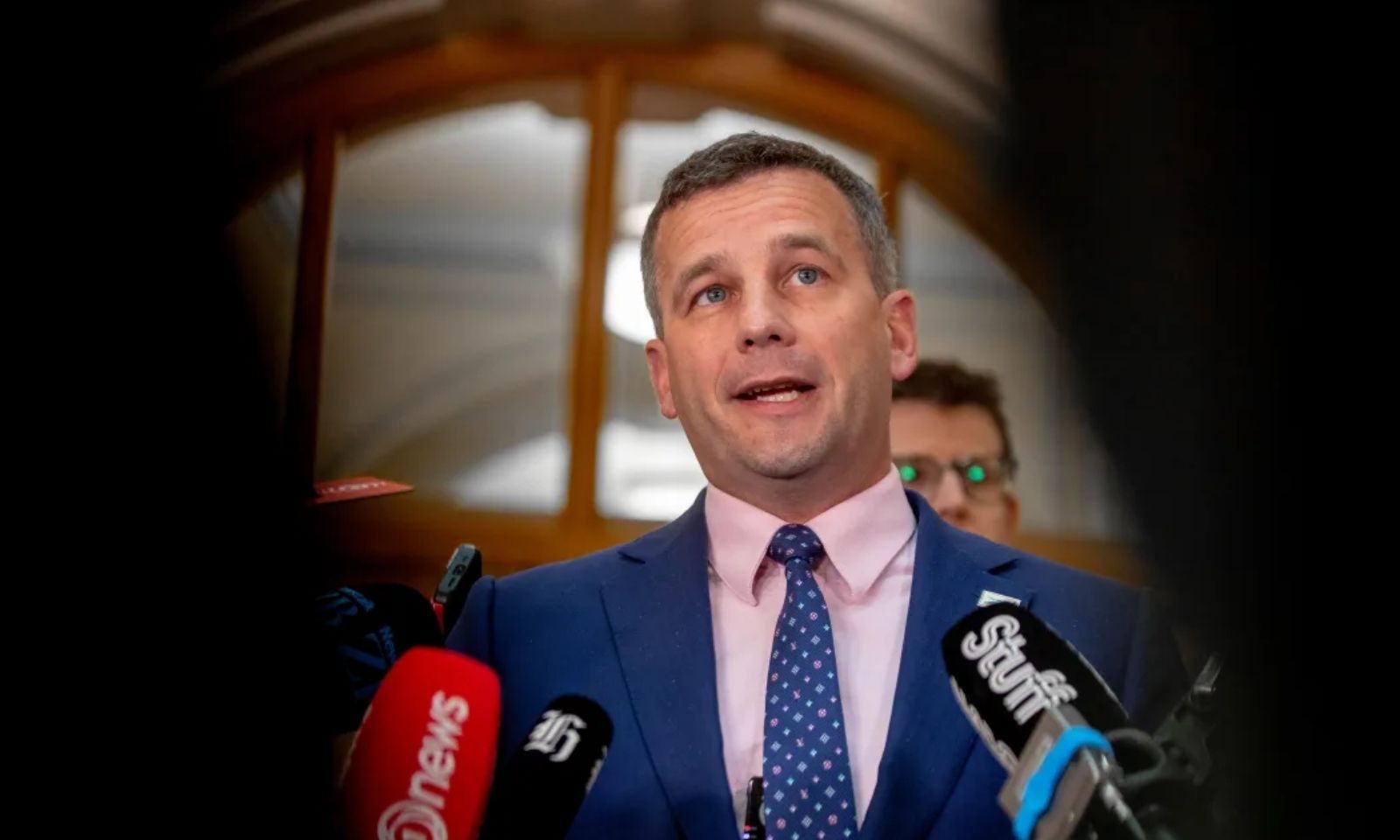
Associate Education Minister David Seymour, who oversees the Healthy School Lunches Programme, has defended the scheme after the Auditor-General's inquiry. Photo/File.
The report says this means "not only being able to show how much the Programme costs and what savings have been made, but, just as importantly, how well it is achieving the outcomes and wider impacts that it seeks", including reducing food insecurity, which has been a key goal of the programme since 2020.
Dr Kelly Garton, Health Coalition Aotearoa food spokesperson, said the findings reflected concerns schools had been raising for months.
"The report really just confirms what we've been hearing from school principals and students and other stakeholders for a long time now, that the change to the programme delivery in 2025 really undermines the effectiveness of the programme," she told William Terite on Pacific Mornings.
Listen to Dr Kelly Garton's interview below.
She rejected the argument that lower spending alone should be seen as a success.
"You can't claim it's savings if you're just actively undermining the programme and not achieving its targets," Garton said.
She said Pacific children are overrepresented in the lower-decile schools served by the programme, making the findings "a huge equity issue”.
Green Party MP Teanau Tuiono agreed, saying the previous community-led model had delivered better outcomes.
"We know previously that this was a great way for local communities to organise and to make sure that they could feed their tamariki, and it was largely working," he told Terite.
Tuiono said children deserved better, "particularly our Pacific kids."
Listen to Teanau Tuiono's interview below.
ACT Party leader and Associate Education Minister David Seymour defended the programme, saying the inquiry recognised the savings achieved.
"It acknowledges that we've saved money. $360 million over three years that will not be going on the government debt," he told Mike Hosking Breakfast.
Seymour said the inquiry did not compare the quality of meals under the previous system with the current one.
"What they haven't done is a comparison of the quality before and after I took over," he said.
He also argued there was a balance between healthy meals and what children would actually eat.
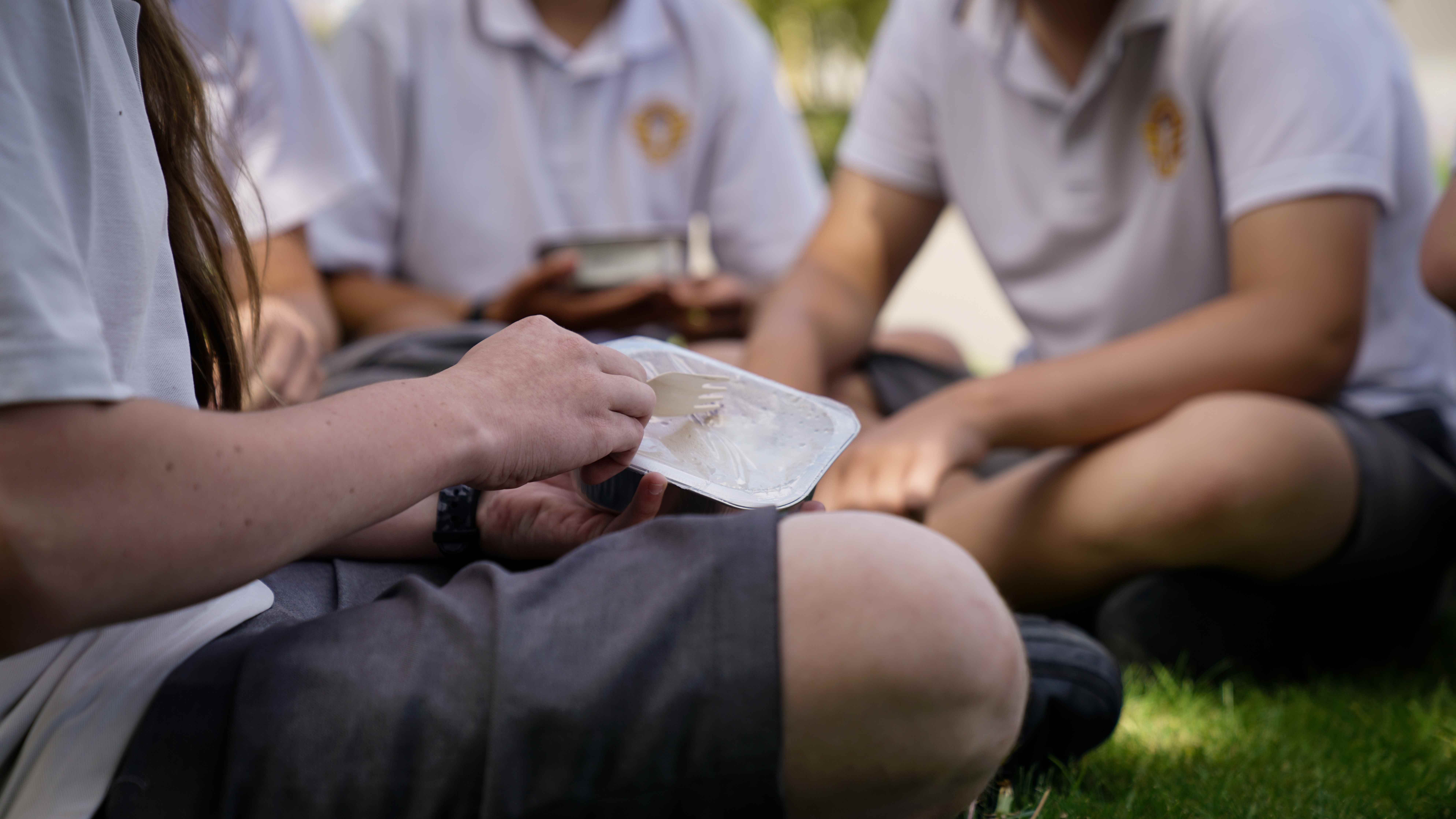
School lunches are served under the Alternative Provision Model, the cost-cutting scheme now under scrutiny after the Auditor-General found half the meals fall short of nutrition standards. Photo/File.
"Whenever they put more vegetables in, the kids eat it less, whenever they give them butter chicken, they all lap it up, but then we're just not meeting their nutrition," he said.
The Auditor-General’s findings are likely to keep pressure on the Government as it faces renewed scrutiny over whether cost savings are coming at the expense of children's nutrition particularly for those who depend on the programme most.