High blood pressure a silent killer, Solomon Islands calls for stronger action
Lachlan EddieFri, 23 Oct
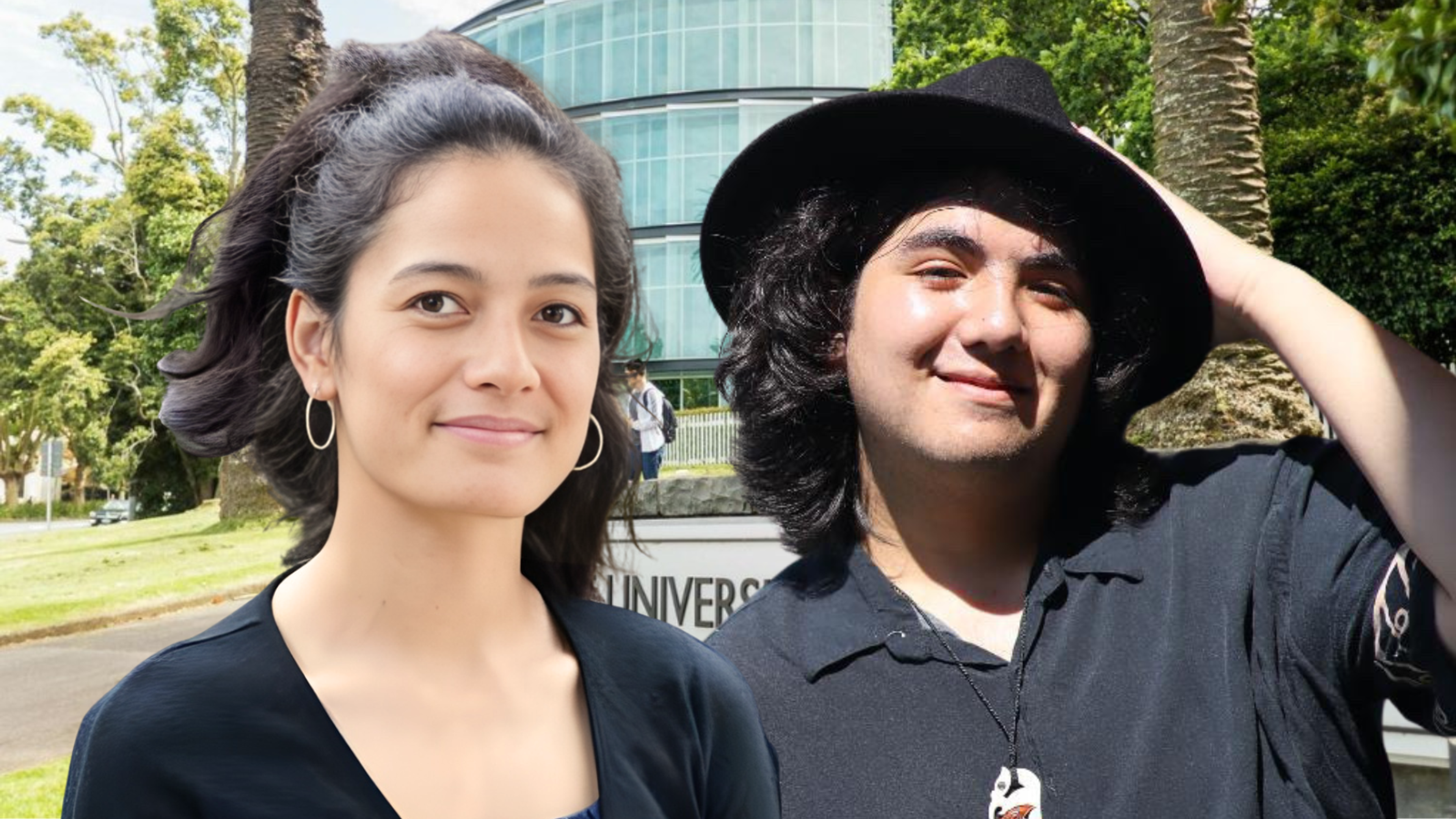
Liletina Vaka and Juan Koti speak about the University of Auckland's programme to improve access for Pacific and Māori students.
Photo/Composite
University entrance rates for Māori and Pasifika have fallen but a partnership between Auckland schools and the University of Auckland is helping young people gain confidence, support, and better results.



Across Aotearoa New Zealand, Māori and Pacific students are struggling to meet university entrance (UE) targets.
Between 2020 and 2022, University Entrance attainment for these communities fell from 40 per cent to 34 per cent, while the national rate dropped only slightly from 53 per cent to 50 per cent.
To tackle this, the University of Auckland has partnered with 19 secondary schools through its UE Success initiative.
The programme uses data and academic support, and mentoring to help schools, families, and students understand what’s needed to succeed at university.
For former participant Juan Koti, the support made all the difference. He first got involved through a maths challenge before joining Pacific Academy in Year 11 while at De La Salle College.
“It was a space where other like-minded students could finally have a space where they could study academically, but also get tutoring from mentors or teachers who are really passionate about their subjects,” he tells PMN News.
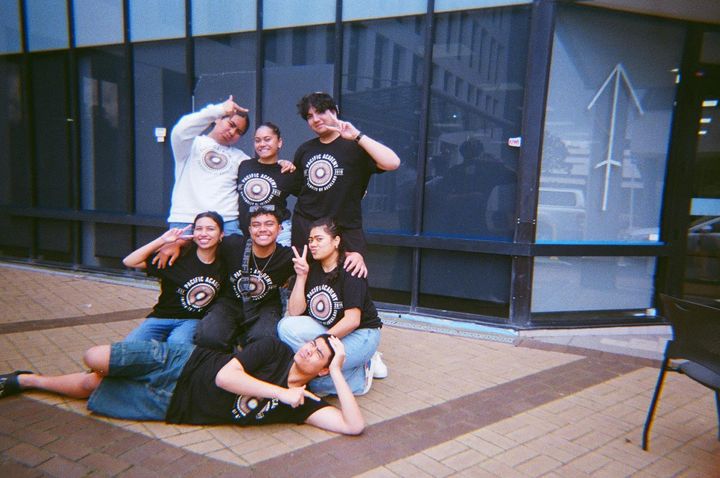
Juan Koti with other members of Pacific academy. Photo/Supplied
Koti says the programme encouraged peers who were unsure about university to take the leap.
“Some of my friends were a bit on the edge about university and thinking ‘I’m not really too sure if it’s for me’… but some of those friends did actually come… and some of those friends are currently in uni,” he says.
Koti, who is now studying a Bachelor of Science majoring in biomedical science, hopes to pursue medicine, with an interest in radiology or becoming a doctor.
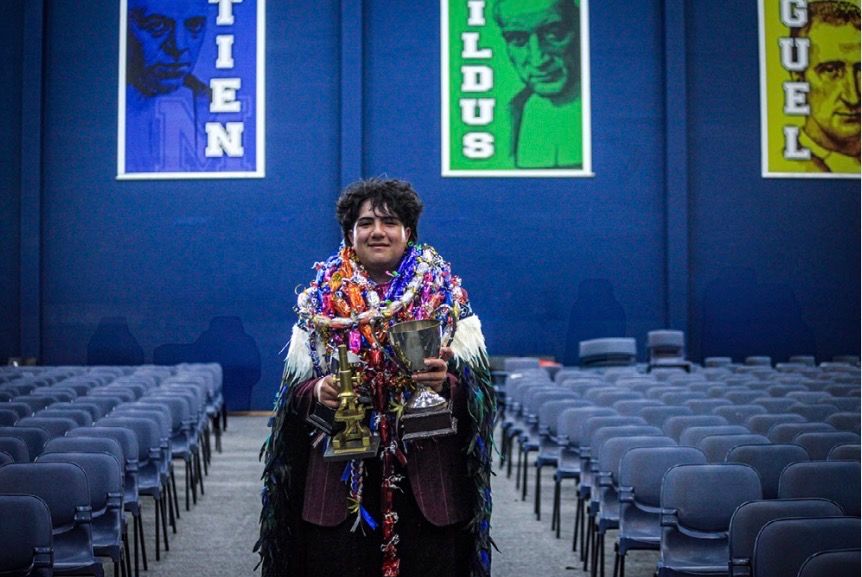
Juan Koti graduated from Māngere College, ready to enter tertiary study. Photo/Supplied
Liletina Vaka, Associate Director of Schools and Community Engagement at the University of Auckland, says the programme is not just about test results. It’s about building confidence and belonging.
“What’s good for Māori and Pacific young people is good for the country,” she said on Pacific Mornings.
“While it’s targeted at Māori and Pacific success, it actually relates to the whole school community and they’re learning things around course design that supports broader student success as well.”
Watch Liletina Vaka's full interview below.
Data-led support and outcomes
University data shows first-year results are promising. For Māori students, pass rates rose from 82 per cent to 84 per cent, while Pacific students increased from 73 per cent to 78 per cent.
Partner schools have also reported reduced equity gaps and more students achieving higher external credits in South and Central Auckland.
Catherine Dunphy, from the Office of the Pro Vice-Chancellor Māori, says the partnership is also changing how the university works with schools.
“Universities can look impenetrable from the outside. This partnership is teaching us to reach out authentically, listen to learners’ experiences and smooth the transition so the jump from secondary to university isn’t so hard. It’s about building confidence, belonging and success from day one,” she says in a statement.
Alongside school partnerships, the university runs free Pacific Academy tutoring for Māori and Pacific students in years 11 to 13, open to students from any school.
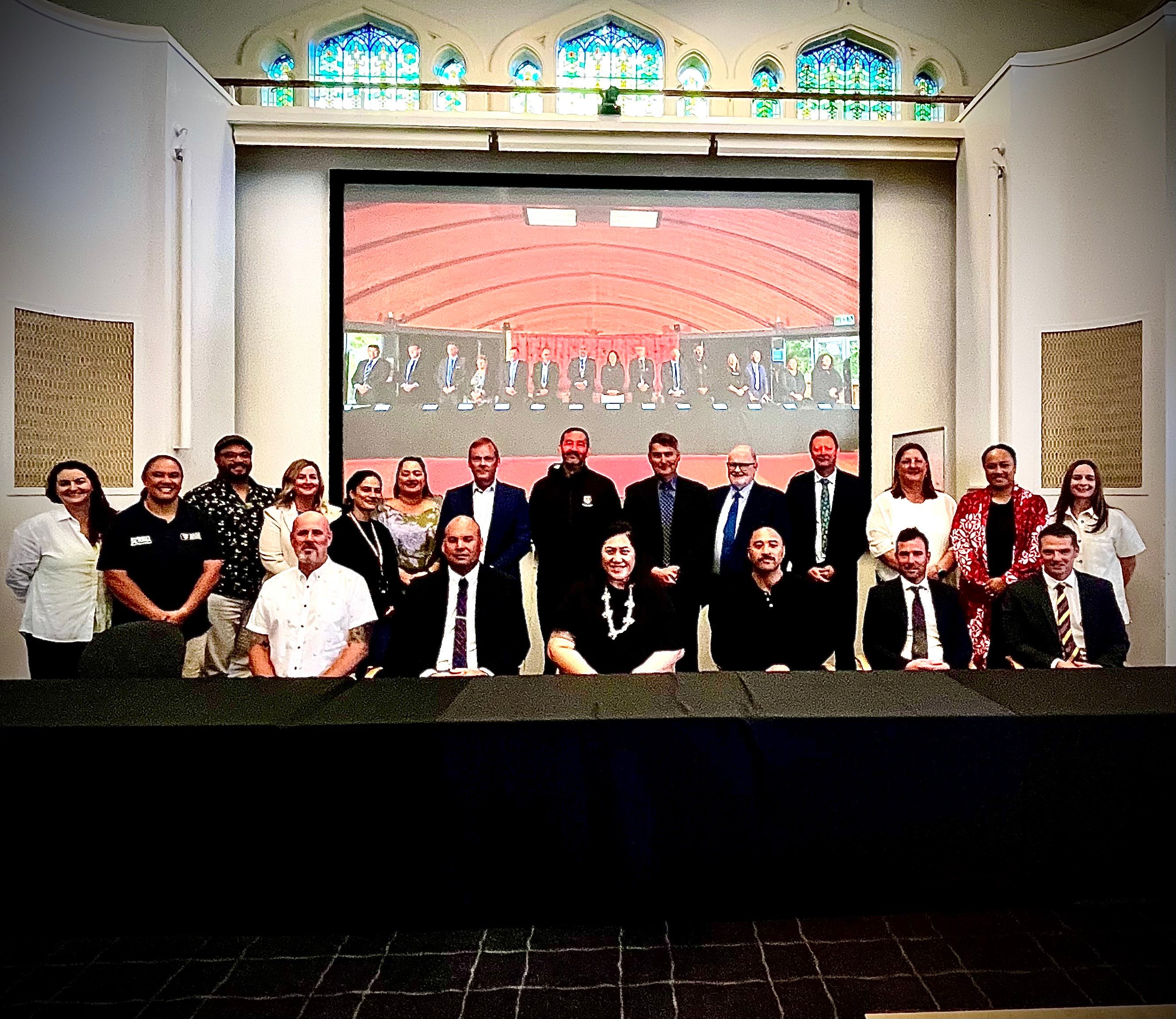
Nineteen high schools are part of the partnership to improve university entrance for Pacific and Māori students. Photo/Supplied
Around 630 students took part in 2025, with numbers expected to exceed 1000 in 2026.
The programme also runs whānau sessions explaining NCEA and subject choices, helping families feel confident supporting students early on.
Vaka says understanding the system is key to success.
The UE Success initiative shows how targeted support, community engagement, and culturally aware programmes can help close the equity gap, giving Māori and Pacific students the tools and confidence to succeed at university, and inspiring the next generation to follow.
This article has been updated to correct Juan Koti's high school