
Reuelu-Buchanan and Salmon earn maiden selection for the Commonwealth Games
Latonya LoleWed, 17 Jun
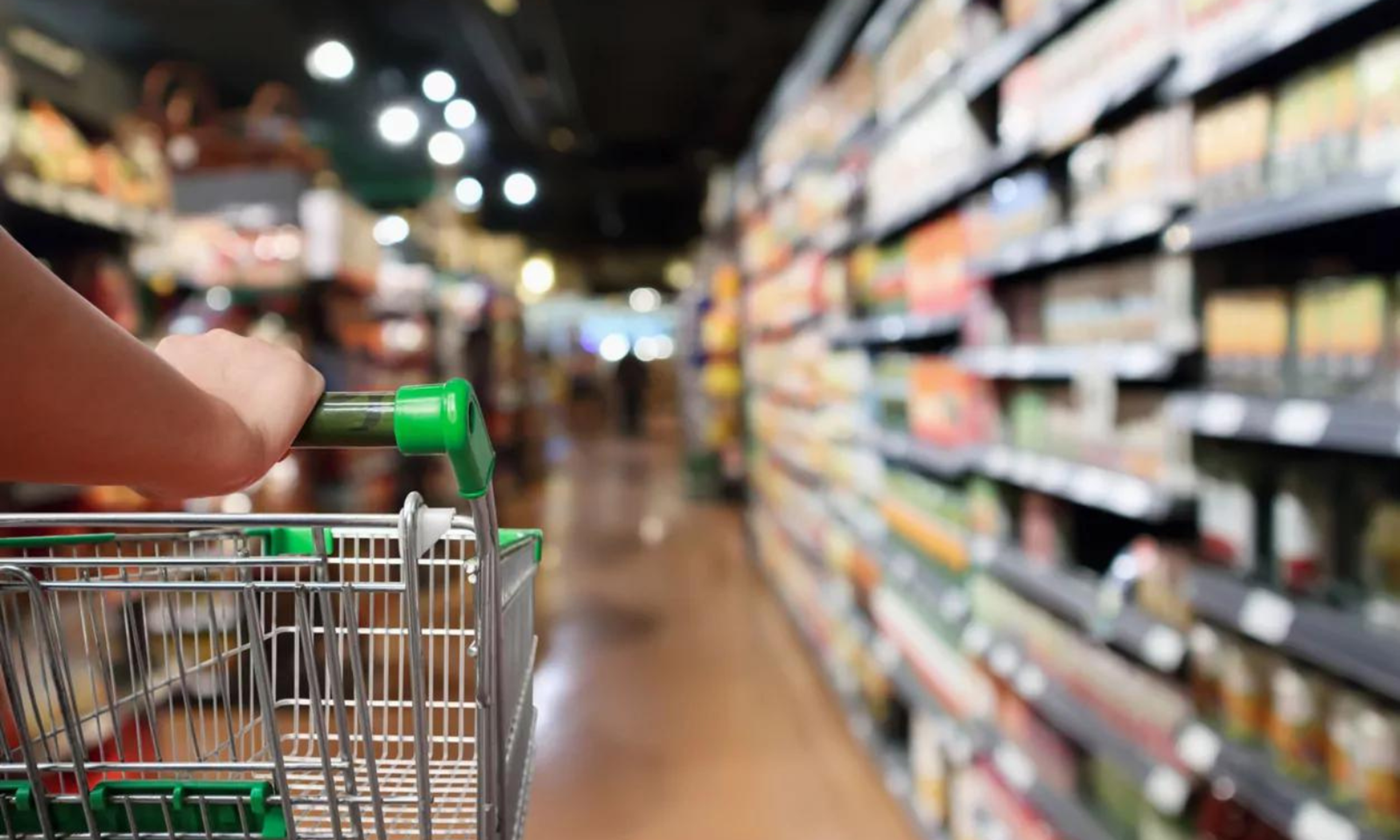
The price of milk and bread has increased by more than 15 per cent in the past year.
Photo/File
Food, electricity, and gas are becoming harder to afford for Pacific households across Aotearoa.




Everyday essentials are getting more expensive and families in New Zealand, including our Pacific communities, are feeling the pinch.
New data from Stats NZ shows food prices rose 4.6 per cent in the year to December, while electricity and gas costs continue to climb, putting further pressure on household budgets.
The cost of staples is climbing sharply. A 600g loaf of white bread now costs $2.20, up 58.3 per cent in a year. Two litres of milk average $4.92, a 15.8 per cent increase, while beef steak has jumped 21.7 per cent to $44.30 a kilogram.
Fruit and vegetables are also seeing steep increases, with apples up 15.8 per cent for the month and onions soaring 38.2 per cent to $2.28/kg.
Barbara Edmonds, the Labour Party’s finance spokesperson, says food prices are rising faster than wages.
“These aren’t luxuries, they’re the basics families rely on. New Zealanders are working hard, but under National, they’re going backwards,” she says in a statement. “Higher food prices pile on top of rising electricity, gas, and housing costs, are putting even more pressure on family budgets and small businesses.”
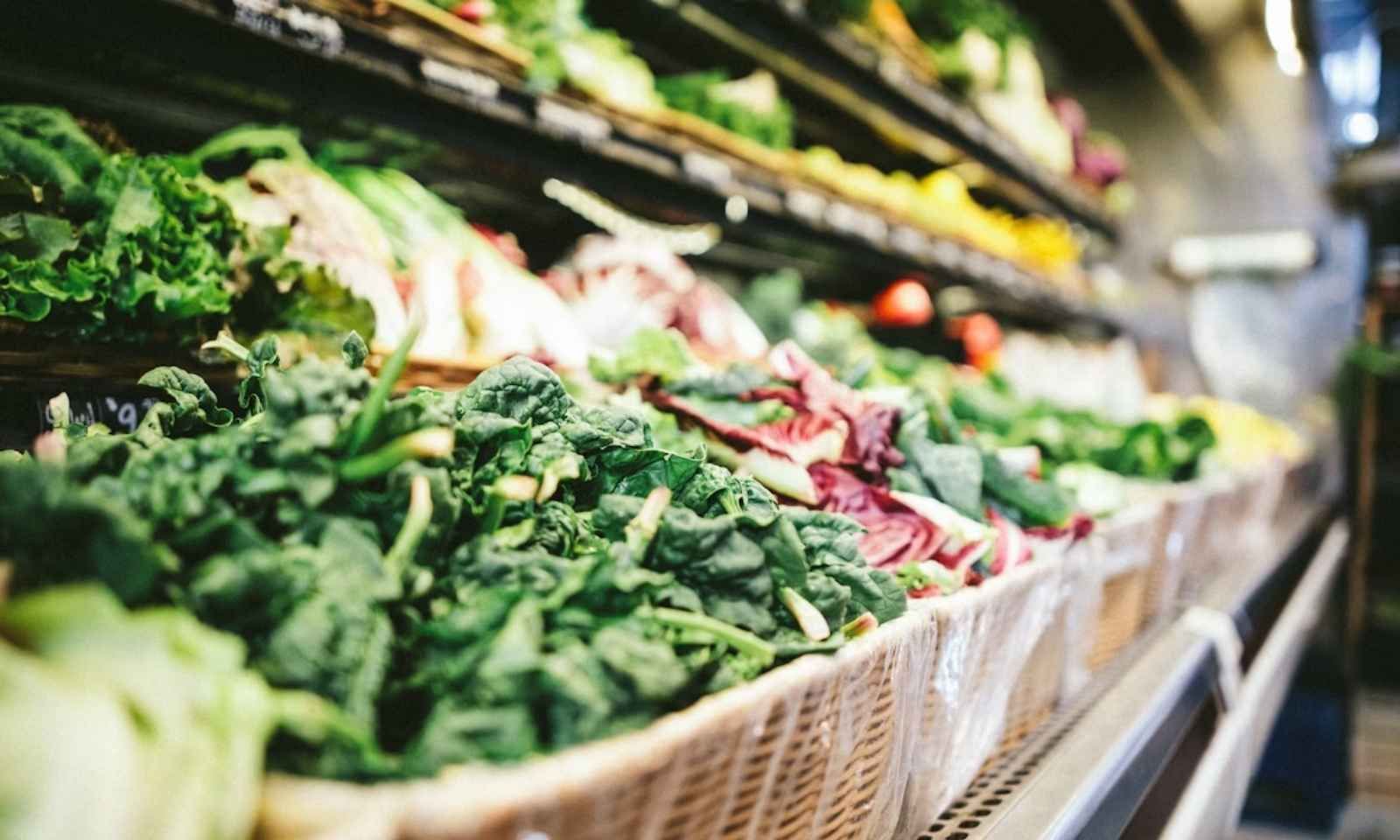
Apples and onion prices rose in December, but other salad ingredients such as cucumber, lettuce and avocado dropped. Photo/Unsplash
Pacific households are particularly vulnerable. Stats NZ figures show Pacific people have an average equivalised disposable income of $50,252, with almost half living in households within the bottom 40 per cent of the population.
Victoria Ongolea, a Tongan financial advocate, says her clients often struggle when unexpected costs arise.
“Life happens, and in most cases, people don’t have any emergency savings, so it’s just a cycle of financial decisions. For example, they might need $2,000 to fix their car to get to work but they can’t get another loan because they already have bad credit,” she says in an earlier interview.
Listen to Victoria Ongolea's full interview below.
Nicola Growden, prices and deflators spokesperson for Stats NZ, says some prices eased in the final month of 2025, with lower prices for soft drinks, olive oil and roast lamb. “Salad season was cheaper in December 2025 as prices for vegetables such as lettuce, cucumber, and avocado were all down as well.”
Economists say the surge in prices is tied to global supply costs and domestic pressures. Shamubeel Eaqub, chief economist at Simplicity, told RNZ that bread prices, for example, have risen as supermarkets face higher wheat and production costs.
"For a long time, bread was a loss leader for supermarkets. Because the cost of inputs, particularly wheat, has increased so much we're now seeing the dam breaking and the price of bread increasing at the supermarket aisles."
More pressure on families
Energy bills are also adding to the strain. Gas prices increased 17.5 per cent and electricity 12.2 per cent over the year.
Growden says longer-term trends show steady growth in utility costs. “Since December 2021, electricity prices have risen by 27.3 per cent, while gas has risen by 56.0 per cent,” she says.

Power and petrol prices have increased by more than 25 per cent. Photo/Awhi Housing
Not all prices rose. December saw lower costs for some vegetables, soft drinks, olive oil, and roast lamb, easing pressure slightly for households.
For many Pacific families, these increases are part of a longer struggle with income inequality and high-living costs.
About half (49.6 per cent) lived in households with incomes in the bottom 40 per cent of the population, underlining persistent income inequality.
Advocates warn that without support or better financial literacy, families may be forced to take difficult steps to make ends meet.
With food, energy, and housing costs all climbing, the message is clear: Pacific communities face major challenges and households are under growing financial pressure to cover life’s essentials.