‘Digging into what we know’: Pacific culture offers a clearer path to better mental health
Atutahi Potaka-DewesTue, 13 Oct
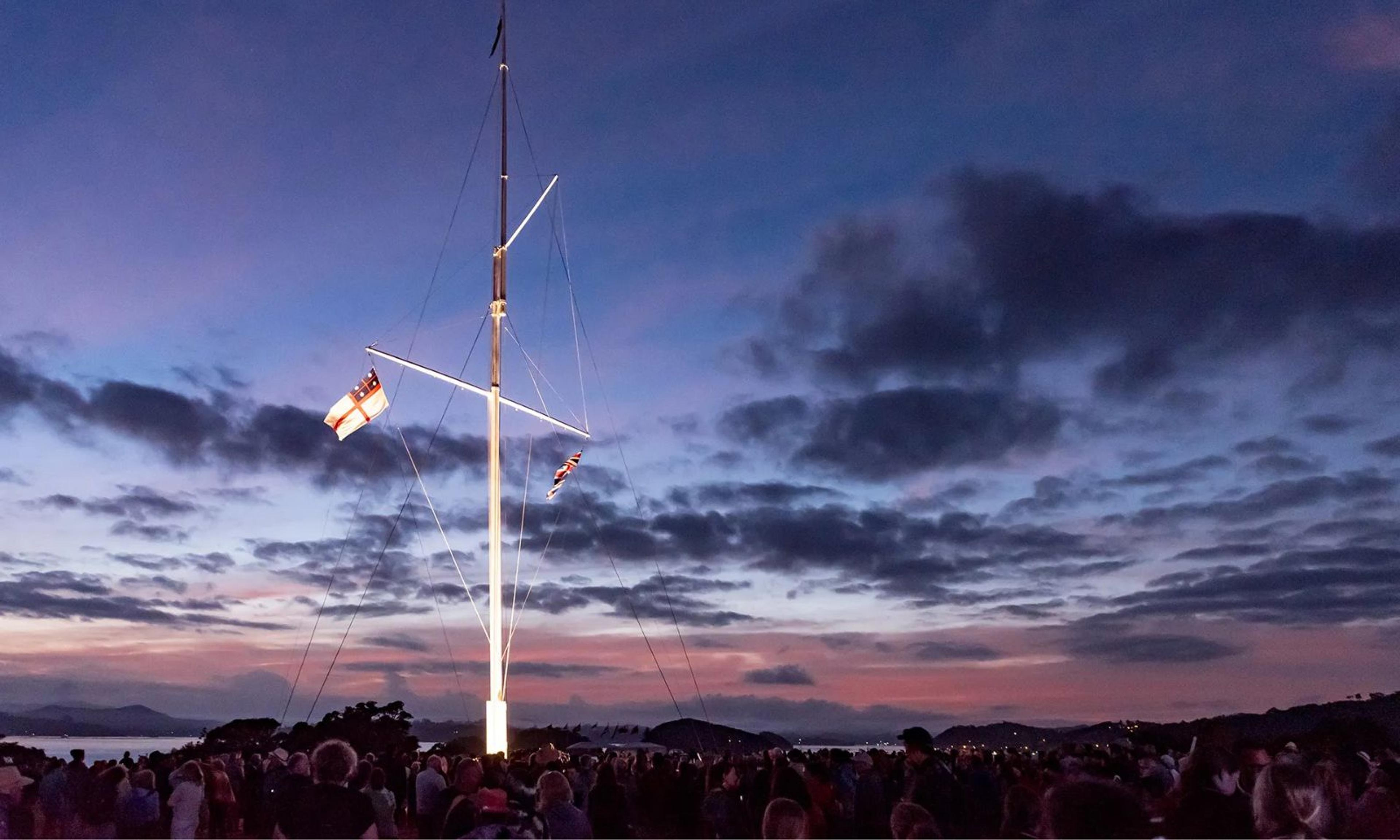
The flagstaff at the Waitangi Treaty Grounds marks where Te Tiriti o Waitangi was first signed in 1840, a symbolic starting point for national Waitangi Day commemorations.
Photo/waitangi.org
As Aotearoa prepares for Waitangi Day, a survey reveals most Kiwis value Te Tiriti, human rights, and respectful discussion about their shared history.


Preparations are underway across Northland and beyond as New Zealanders gear up to mark Waitangi Day on Friday.
6 February is a day of national significance, which celebrates the signing of Te Tiriti o Waitangi (the Treaty of Waitangi).
Political and community leaders including Prime Minister Christopher Luxon arrive at Waitangi on Wednesday.
Luxon snubbed last year's commemorations. But he's not the first Prime Minister to skip Waitangi. Helen Clark, John Key, and Bill English all did.
Police in Northland are coordinating with local Iwi and the Waitangi National Trust to ensure events run smoothly and safely.
Superintendent Matt Srhoj, District Commander for Northland, said months of planning have gone into making the week of commemorations memorable for all.
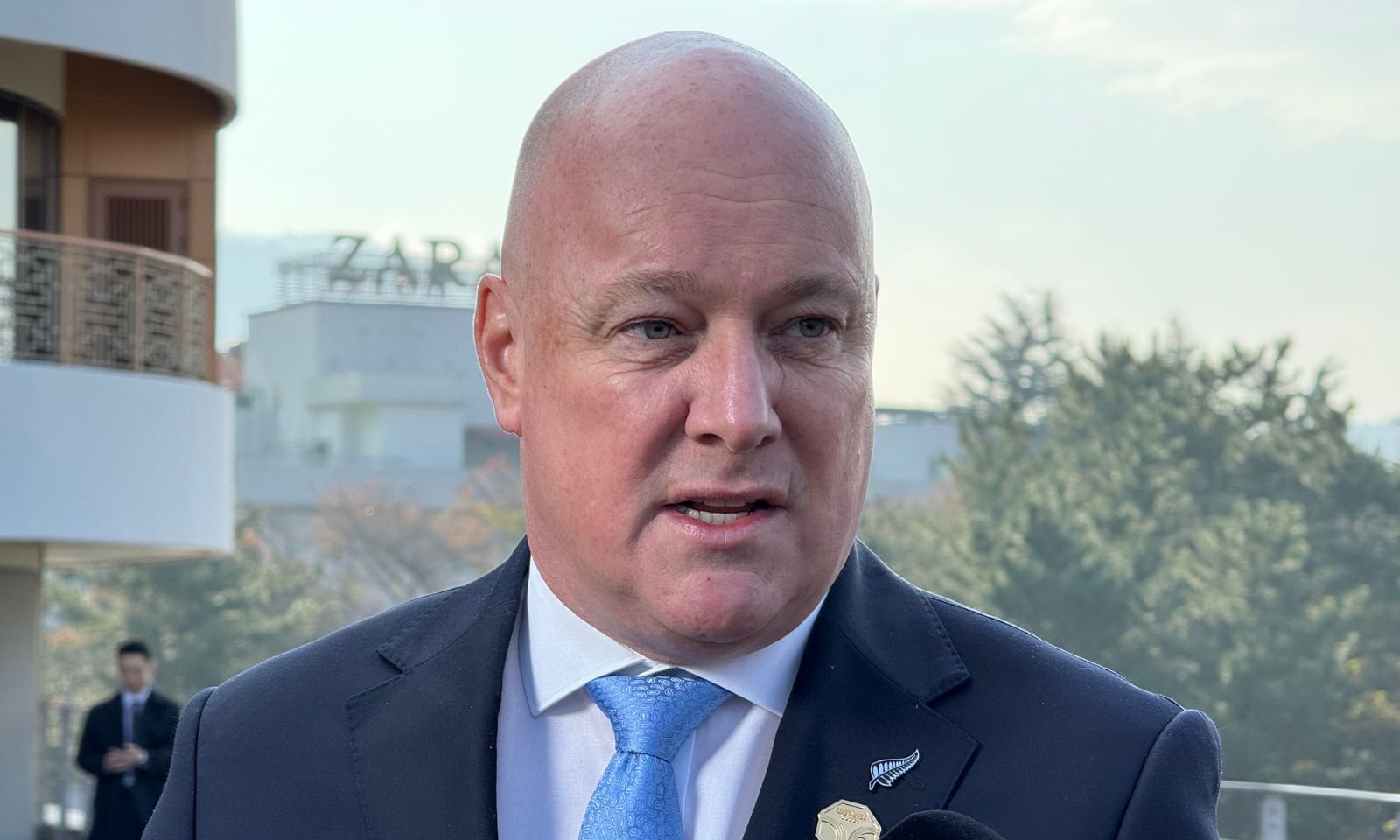
Prime Minister Christopher Luxon arrives at the Waitangi Treaty Grounds ahead of Waitangi Day commemorations, meeting with iwi leaders as part of pre‑Day events. Photo/PMN News/file
“We are expecting large numbers of people to attend, so please be patient on the roads,” he said. “Drive safely, wear seatbelts, and enjoy the festivities. We are looking forward to celebrating Waitangi 2026 together.”
The celebrations coincide with a new national survey highlighting how New Zealanders view Te Tiriti and its role in the country’s future.
Conducted in December 2025 by Horizon Research for the Human Rights Commission, the survey found almost three-quarters of respondents believe honouring Te Tiriti is important for Aotearoa’s future.
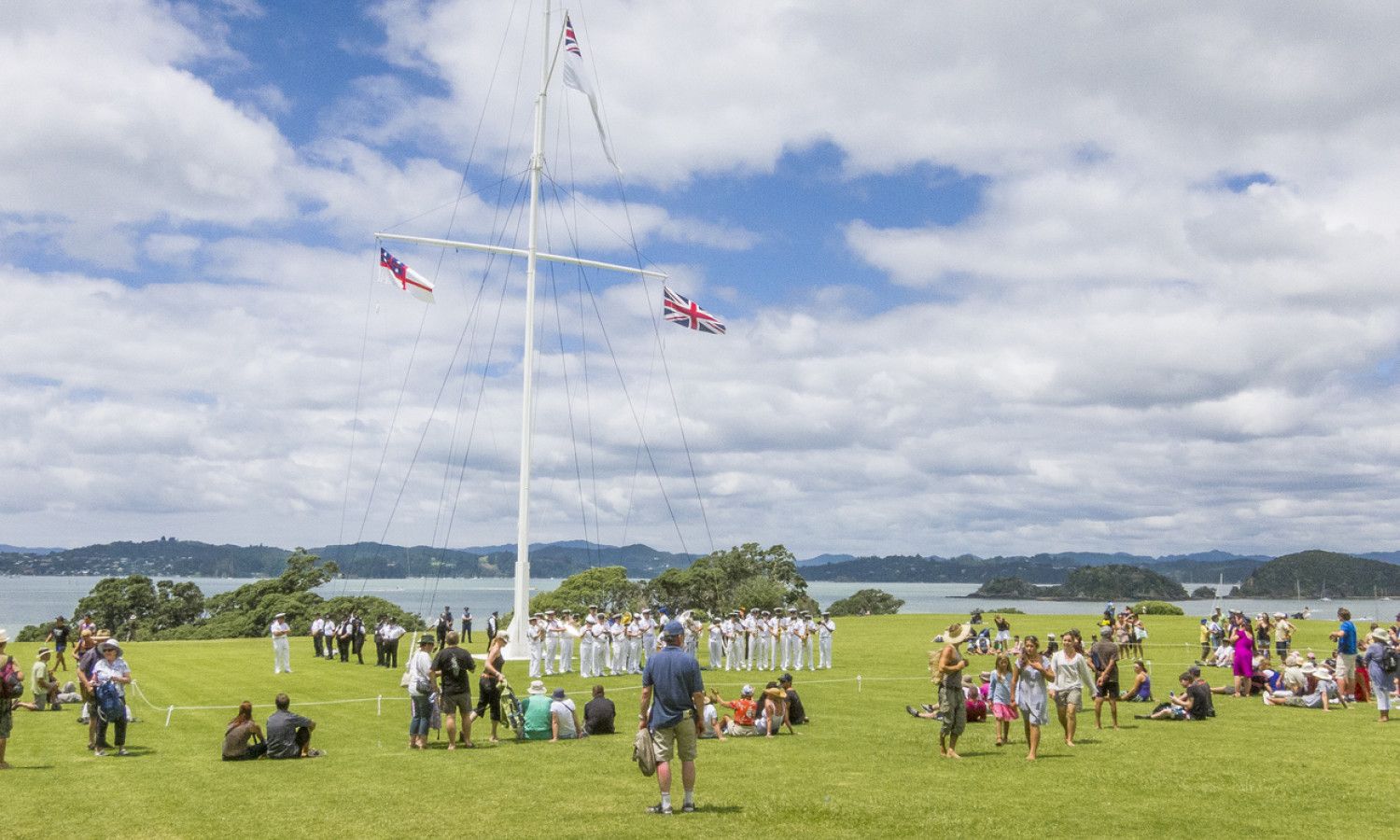
People attend the national day commemoration on the Treaty grounds to celebrate their shared history and community. Photo/tikatangata.org
The results show strong support for Māori culture, respectful discussion, and positive relationships between Māori and the Crown.
Key findings include:
83 per cent believe Crown-Māori relationships should be positive.
78 per cent think respectful discussion about Te Tiriti is important.
79 per cent value protecting and celebrating Māori culture, language, and identity.
74 per cent see harmonious race relations as strengthened through honouring Te Tiriti.
91 per cent say human rights must be protected by law.
93 per cent want everyone to feel a sense of belonging.
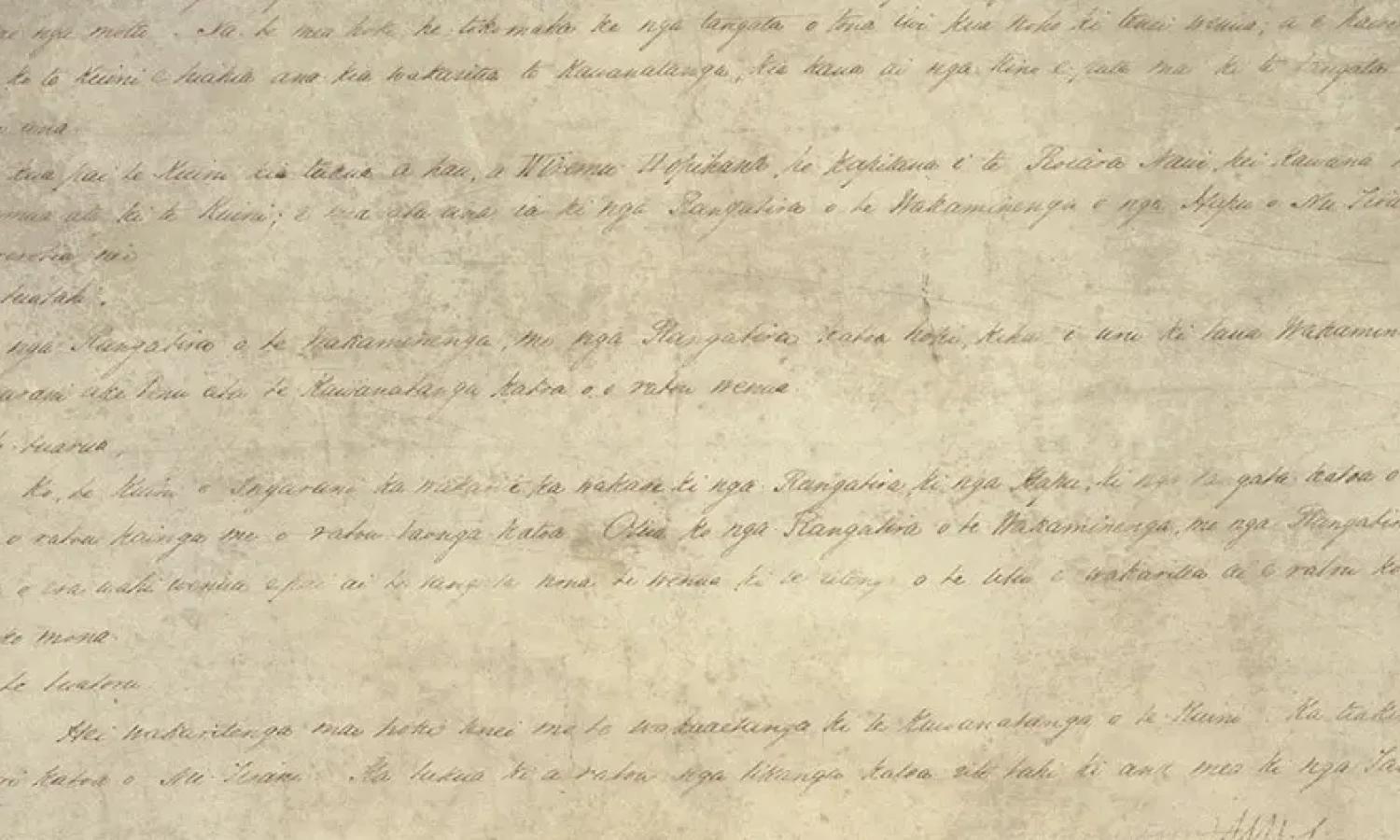
A historical view of the Treaty: Te Tiriti o Waitangi, the founding document at the heart of national identity and recent survey findings. Photo/tikatangata.org
Dayle Takitimu, Indigenous Rights Governance Partner at the Human Rights Commission, says the survey counters narratives of division.
“The majority of New Zealanders value Māori culture, care about the real histories of Aotearoa, and want respectful conversations about Te Tiriti,” she said in a statement.
The survey also found high awareness of Te Tiriti’s link to human rights, with most respondents understanding the Waitangi Tribunal’s role and the Treaty’s protections.
But gaps remain in knowledge of early history, including He Whakaputanga and the extent of tino rangatiratanga guaranteed by Te Tiriti.
The findings will guide the Human Rights Commission’s education and awareness campaigns, which aim to strengthen understanding and respectful dialogue across the country.
As communities celebrate, Police are urging attendees to plan ahead and enjoy events safely, while the survey suggests there is reason to be optimistic about the nation’s unity and shared values.
Srhoj said, “Operation Waitangi is about keeping people safe, but it’s also a time to reflect on what brings us together as New Zealanders.”
From the Bay of Islands to city centres across Aotearoa, Waitangi Day 2026 promises a mix of commemoration, celebration, and conversation to remind everyone that New Zealand’s past and future are shared.