
Kiwis suffer last-gasp heartbreak as the Kangaroos snatch World Cup opener
Christine RovoiFri, 16 Oct
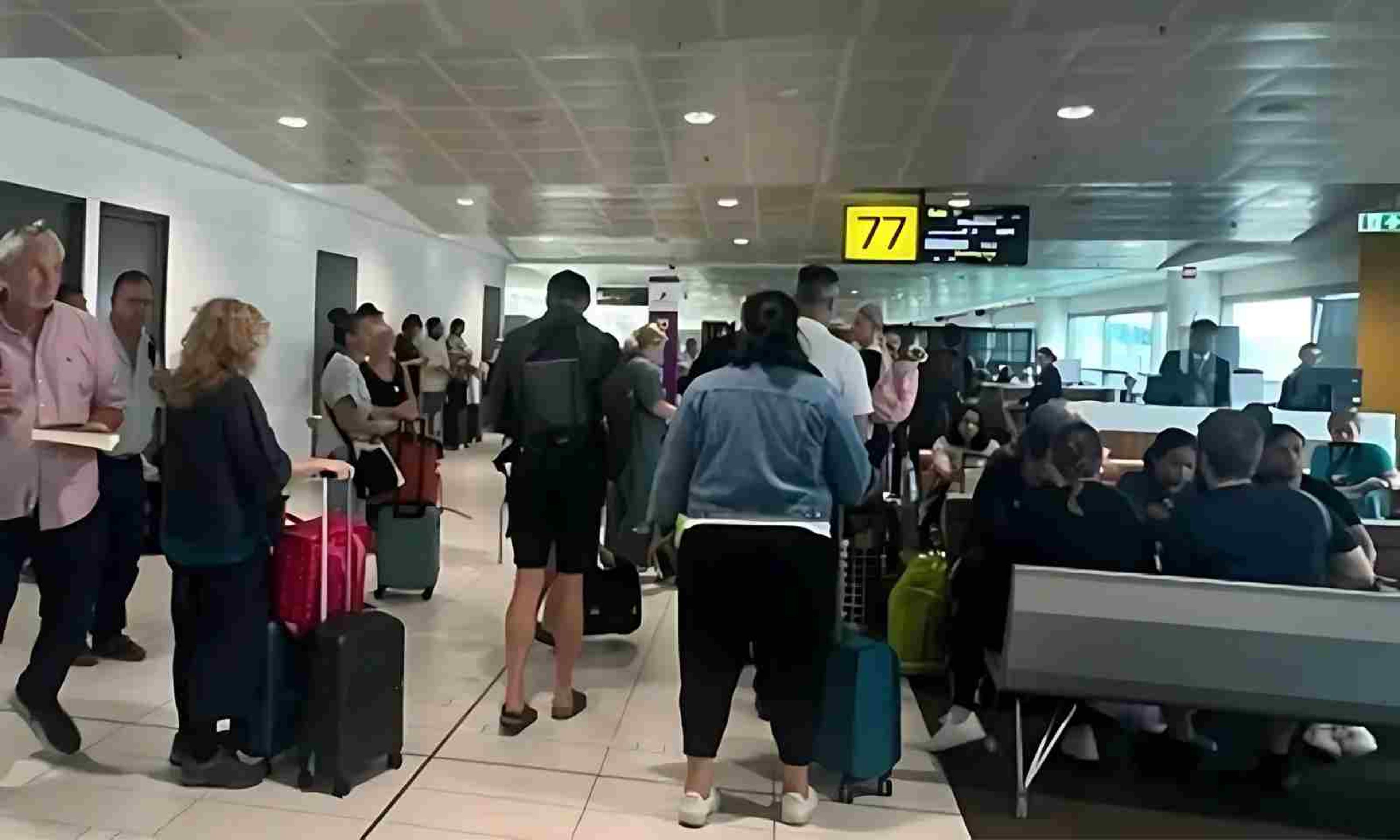
Families prepare for school holiday trips abroad, with health authorities urging travellers to stay protected against measles and mosquito-borne illnesses.
Photo/Supplied/RNZ
Health authorities are urging Kiwis to protect themselves before heading overseas, after a rise in cases of measles and dengue among returning travellers.



As thousands of New Zealanders prepare for school holiday trips abroad, Health New Zealand is reminding families and individuals to take precautions against measles and mosquito-borne illnesses.
Aotearoa's Easter school holidays (Term 1 break) run from Friday, 3 April 2026 to Sunday, 19 April 2026.
Recent cases of measles and dengue in travellers returning from South and Southeast Asia, as well as Pacific nations such as the Cook Islands and Sāmoa, have prompted fresh warnings from public health officials.
Health data shows around 86 dengue cases have been recorded in New Zealand this year, most linked to overseas travel. Most measles outbreaks in Aotearoa are sparked by travellers bringing the virus back from overseas.
“Measles is our most contagious disease and can make adults and children very sick. The best protection against measles is two doses of the MMR vaccine,” said Public Health Medicine Specialist Dr Matthew Reid.
“We are urging anyone who is travelling overseas to ensure that the whole family is fully protected against measles before they set off.”
The MMR vaccine is free for everyone under 18 years old. Adults who are eligible for free healthcare in New Zealand can also receive the vaccine at no cost. When two doses are taken, 99 per cent of people are protected from measles.
“Anytime there’s measles in a community, it is a threat," Dr Saia Ma’u Piukala, WHO Regional Director for the Western Pacific, said in a statement.
"Even countries that have achieved elimination can’t relax. They have to maintain high coverage of measles vaccination and strong systems for picking up cases that get imported through international travel. Without this, measles transmission can become re‑established.

Dr Saia Ma’u Piukala, WHO Regional Director for the Western Pacific, has warned that measles transmission can be re-established if vaccination coverage drops in the region. Photo/WHO
“The Western Pacific must not forget the bitter lessons we have learned from previous measles resurgences in the Region,” Piukala said.
Health officials also stress the risk of mosquito-borne viruses such as dengue fever and Zika, which are circulating in several Pacific destinations.
“New Zealand has seen a significant number of travellers returning with dengue fever this year, so we are urging anyone who is travelling to the Pacific to take precautions against mosquito-borne viruses,” Reid said.
Travellers can reduce their risk by wearing protective clothing, using DEET-based mosquito repellent, and staying or sleeping in well-screened accommodations, he added.
Recent regional reports show dengue activity is high across Pacific islands, with thousands of cases reported in 2025 in nations including Sāmoa and Fiji, highlighting the continuing public health risk.

Health workers in Sāmoa carry out mosquito spraying as part of efforts to curb the spread of dengue fever across the Pacific. Photo/Government of Sāmoa
Health New Zealand encourages travellers to check their vaccination records well ahead of departure and to seek advice from a healthcare professional if unsure about their immunity.
For the latest guidance on measles, dengue fever, and other travel-related health risks, visit www.healthnz.govt.nz.