
Deep sea mining could give investors a legal route to challenge climate action - experts
Christine RovoiThu, 08 Oct
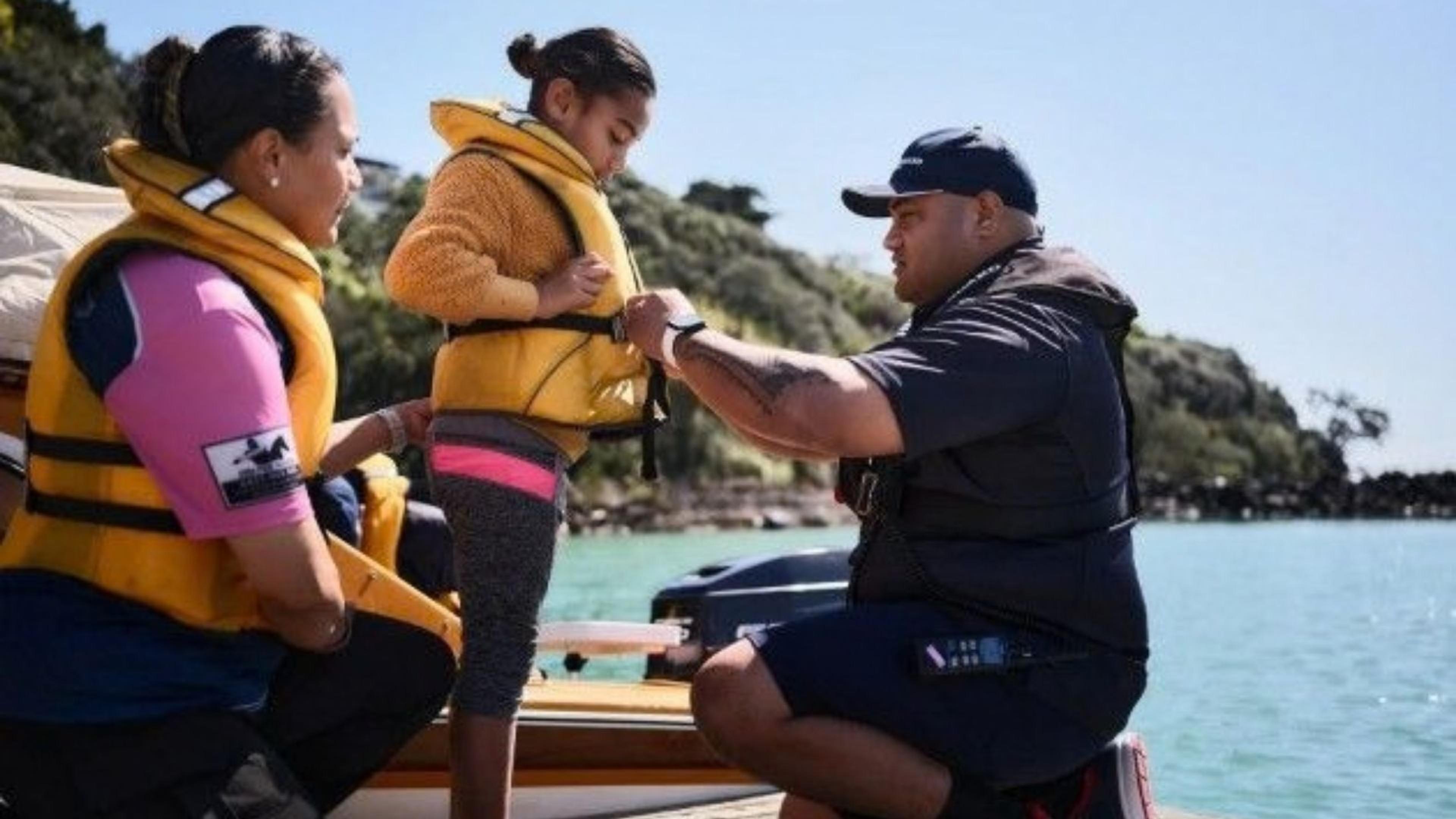
A new national rule requires people on recreational boats six metres or less to wear a properly fitted lifejacket while underway, as authorities work to prevent avoidable drownings.
Photo/Coastguard NZ
About 17 people die each year in recreational boating incidents with nearly two-thirds not wearing properly fitted lifejackets as a new national rule takes effect.


Anyone heading out on a small recreational boat in New Zealand must now wear a properly fitted lifejacket while the vessel is underway.
This comes under a new national safety requirement that took effect on Friday.
The rule applies to recreational craft six metres or less including motorboats, dinghies, sailboats, kayaks, paddleboards and jet skis, subject to existing exceptions.
The change comes amid continuing concern about drowning risk for Māori and Pacific communities.
Water Safety New Zealand recorded 78 drowning deaths nationwide in 2025, including 18 Māori deaths, and says Māori and Pasifika communities remain over-represented in drowning statistics.
The Safer Boating Forum is welcoming the change and says wearing a lifejacket should become as routine as putting on a seatbelt.
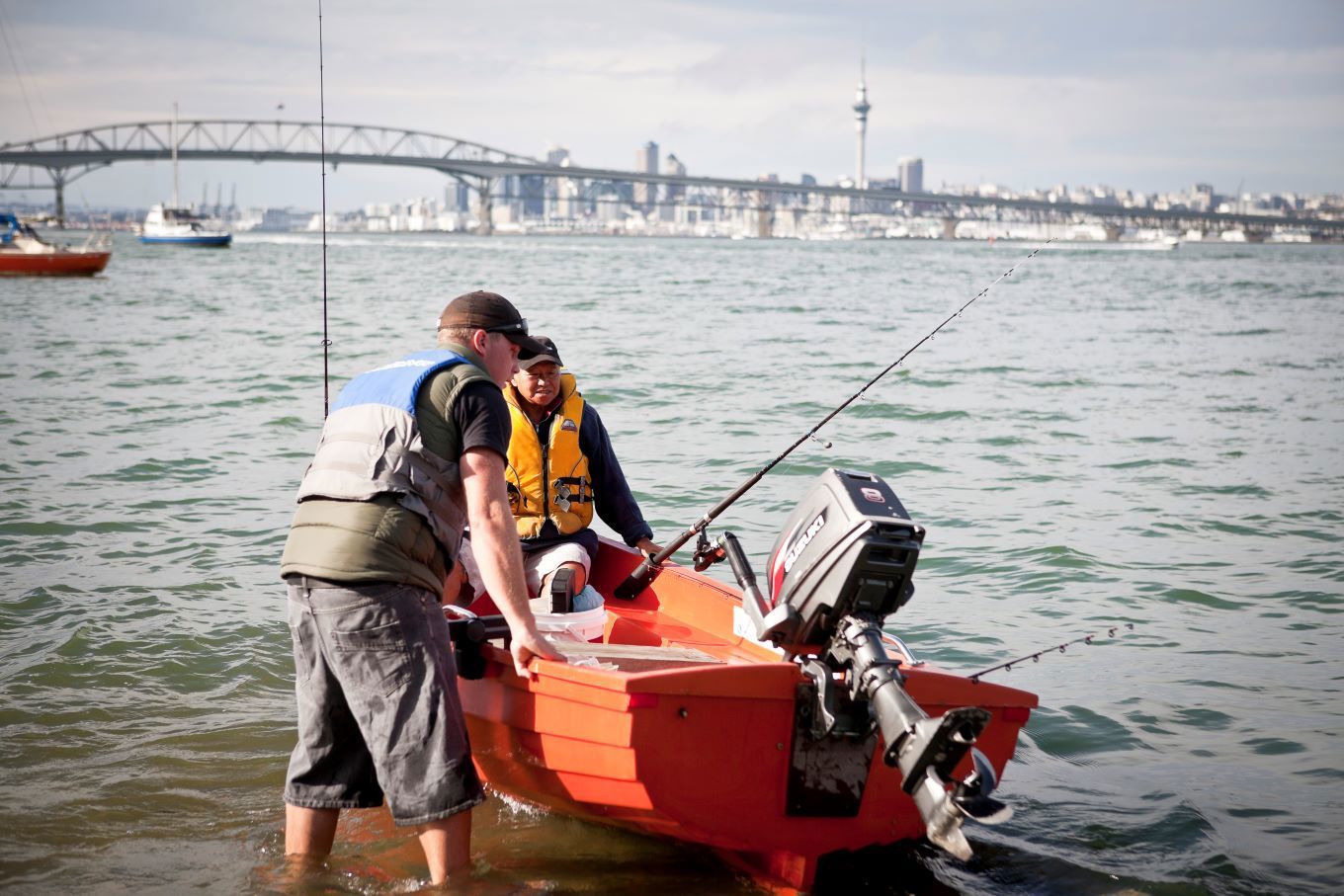
Lifejackets can help keep people afloat and visible if something goes wrong on the water. Authorities are urging boaties to check they have enough lifejackets in the correct sizes for everyone on board. Photo/Auckland Council
On average, 17 people die each year in recreational boating incidents and around two-thirds are not wearing properly fitted lifejackets.
Sharyn Forsyth, Safer Boating Forum chair, says the new requirement is an important step towards preventing avoidable deaths on the water.r
“Lifejackets save lives. From today, wearing one is not only the safe choice; it is required on recreational craft six metres or less while underway," she said in a statement.
“Forum members have worked together to support this positive change. We now want to see people make wearing a properly fitted lifejacket a normal part of every trip."
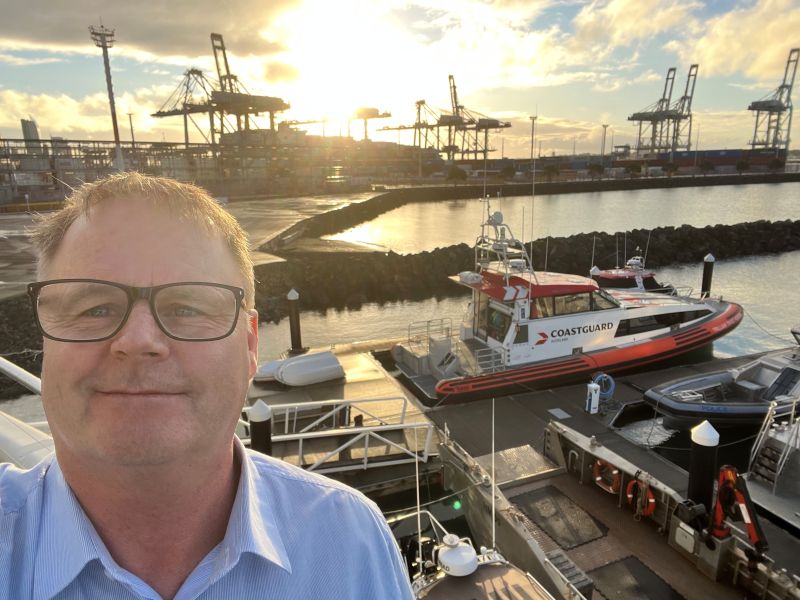
Coastguard Tautiaki Moana chief executive Carl McOnie says wearing a lifejacket can keep people afloat and visible, buying vital time for help to arrive. Photo/LinkedIn
Carl McOnie, Coastguard Tautiaki Moana chief executive, says lifejackets can give rescuers more time to reach people in trouble.
“Things can go wrong quickly on the water. Our volunteers see first-hand the difference a lifejacket makes. It keeps you afloat and visible, buying vital time for help to reach you,” McOnie stated
Water Safety New Zealand chief executive Glen Scanlon says the change is a key step towards making lifejacket use a habit.
“A lifejacket cannot save your life if you are not wearing it. Today’s change will help make wearing a lifejacket as automatic in people’s minds as putting on a seatbelt in their vehicle. But, there’s plenty of work ahead to get there.”
Maritime NZ principal adviser for recreational craft, Matt Wood, says people should check their safety gear before leaving shore.
The importance of community education is also being highlighted by Tongan church leaders.
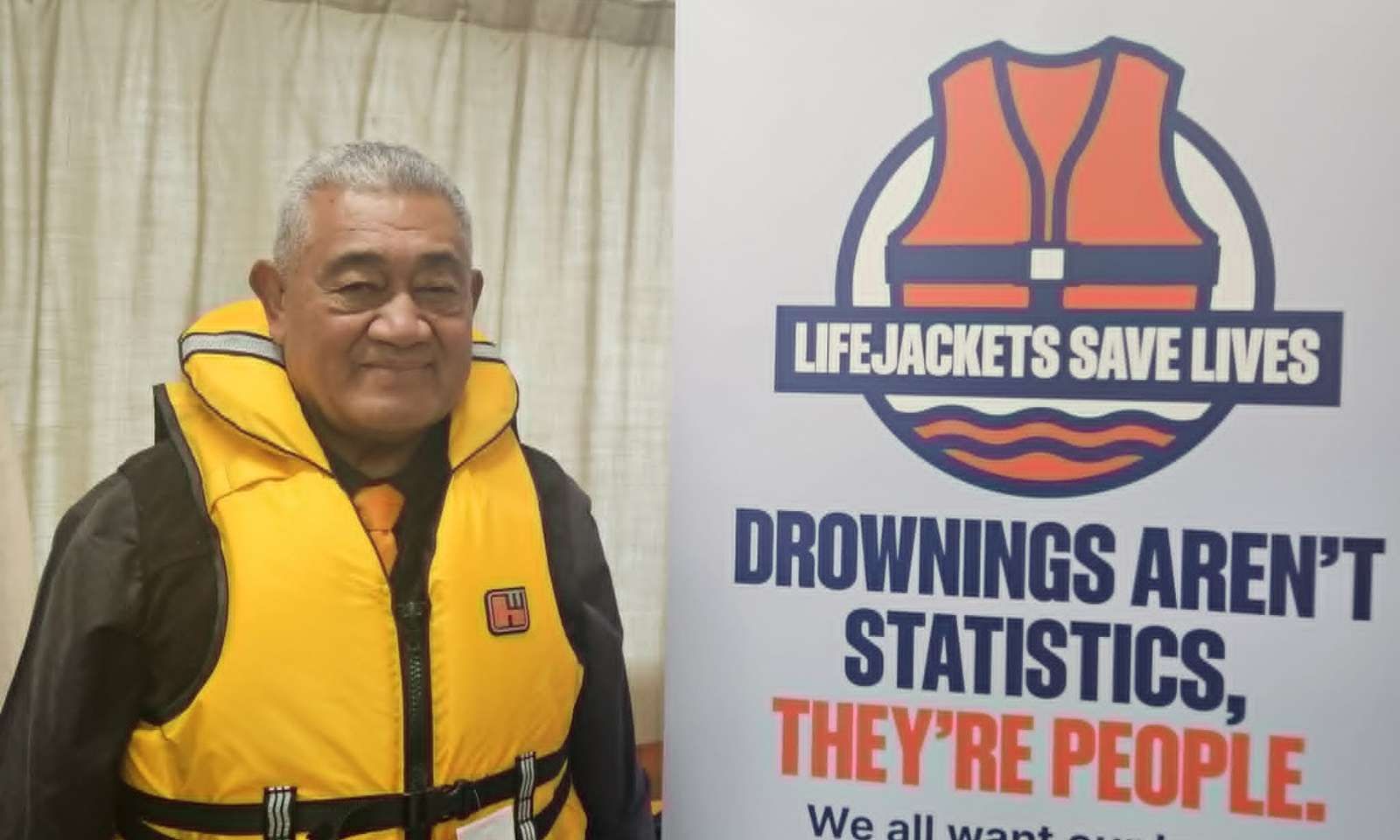
Tongan church leader Reverend Ifalame Teisi says churches can help get water safety messages to Pacific families, supporting community-led efforts to prevent drownings. Photo/PMN News/Aui’a Vaimaila Leatinu’u
Reverend Ifalame Teisi, who supports the Tongan-led Come Home Safely water safety campaign, has previously called for safety messages to reach families through churches.
“How can we educate our community? This is one way: to go through the churches," Teisi told
Boaties should make sure there are enough lifejackets for everyone on board and that each one fits the person wearing it. They should not head out without enough lifejackets for all passengers.
Existing rules requiring enough correctly sized lifejackets, wearing them during periods of heightened risk and meeting skipper safety responsibilities remain in place.
The Safer Boating Forum also urges people to carry two waterproof ways to call for help and check the marine weather forecast before heading out.
Education first
Compliance with the new requirement will initially be supported through an educational approach over the coming months, alongside co-regulators such as harbourmasters and police.
The rule applies across Aotearoa although existing exceptions remain. Boaties should check Maritime NZ’s guidance and frequently asked questions to understand how the requirement applies to their craft and circumstances.
The Safer Boating Forum is a national network of more than 30 organisations working to reduce preventable harm on the water.