
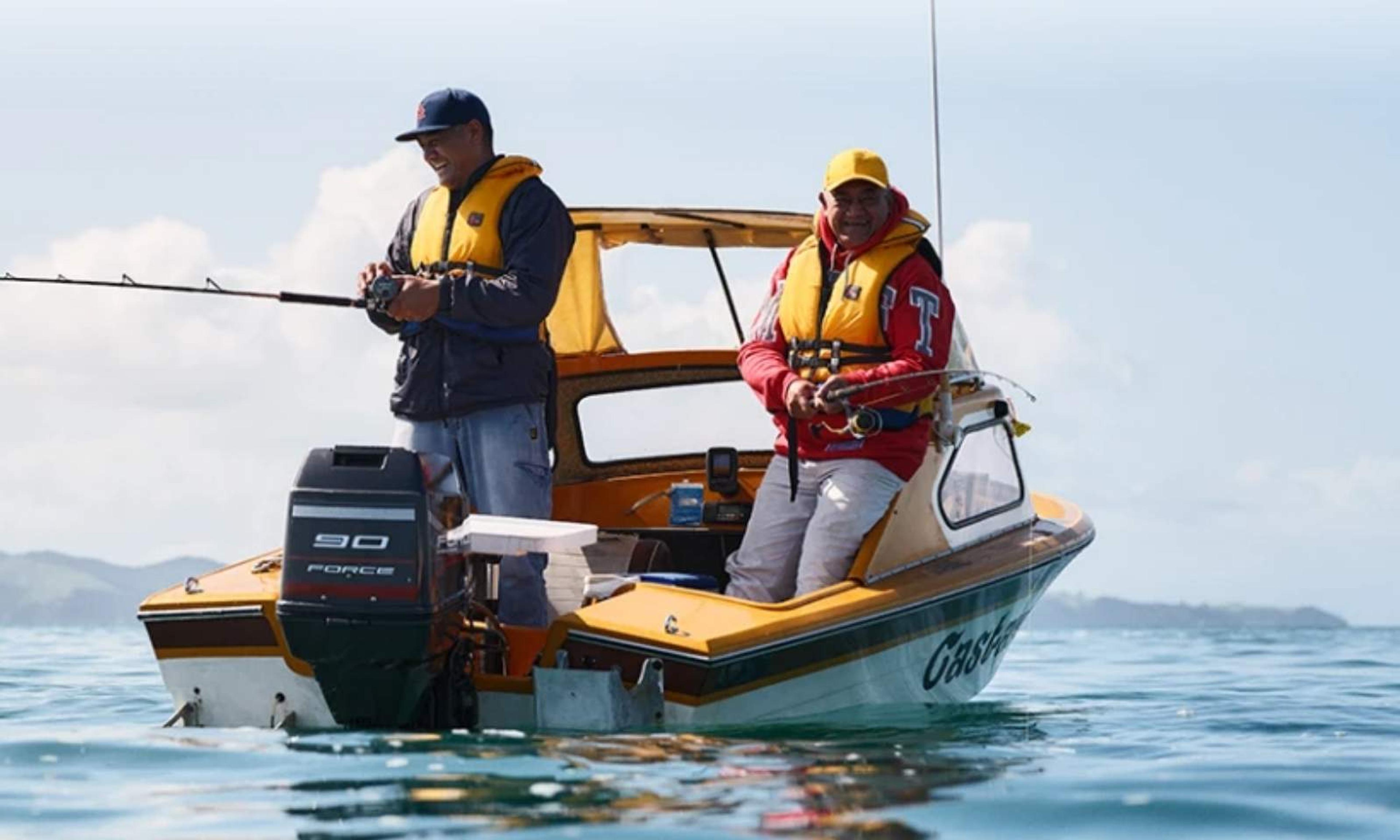
Reverend Ifalame Teisi (right) featured on the Coastguard NZ’s front page.
Photo/Coastguard NZ
Community
‘Come Home Safely’: Tongan-led campaign tackling preventable drownings in Auckland
A Tongan church leader, alongside Coastguard New Zealand and community partners, is calling for a shift in water safety messaging after data shows every boating death in Auckland since 2021.

Aui'a Vaimaila Leatinu'u
Published
12 May 2026, 10:15pm
Share
Copy Link
Top stories

'Very insulting': Pacific candidates lock horns over Ministry’s future
Thomas Tarurongo WynneWed, 21 Oct
Israel’s Pacific Forum breakthrough triggers political backlash in NZ
Kaya Selby, RNZ Pacific journalistWed, 21 Oct
Online vault aims to return Pacific research to the community
Aui'a Vaimaila Leatinu'uWed, 21 Oct
Top stories
'Very insulting': Pacific candidates lock horns over Ministry’s future
Thomas Tarurongo WynneWed, 21 Oct
Israel’s Pacific Forum breakthrough triggers political backlash in NZ
Kaya Selby, RNZ Pacific journalistWed, 21 Oct
Online vault aims to return Pacific research to the community
Aui'a Vaimaila Leatinu'uWed, 21 Oct
A Tongan church leader says too many lives are still being lost in preventable drownings, and simple changes like wearing a lifejacket could make the difference between life and death on Auckland’s waters.
Reverend Ifalame Teisi is part of a long-running community-led push to reduce drowning deaths linked to not wearing lifejackets particularly among Pacific men who remain heavily affected.
The Come Home Safely campaign is a co-designed partnership between Coastguard New Zealand and Tongan community leaders like Teisi.
The campaign aims to move beyond standard safety messaging and instead focus on cultural grounding and family protection. Teisi says this tailored approach is how churches and ministers like himself can help.
“In Auckland, New Zealand, it's different from the island in a lot of ways. The temperature of the water, the currents, there are so many factors that we can talk about,” Teisi says.
“How can we educate our community? This is one way: to go through the churches. We’re also part of the Pacific Ministers and Pastors Collective under the support of the Cause Collective.”
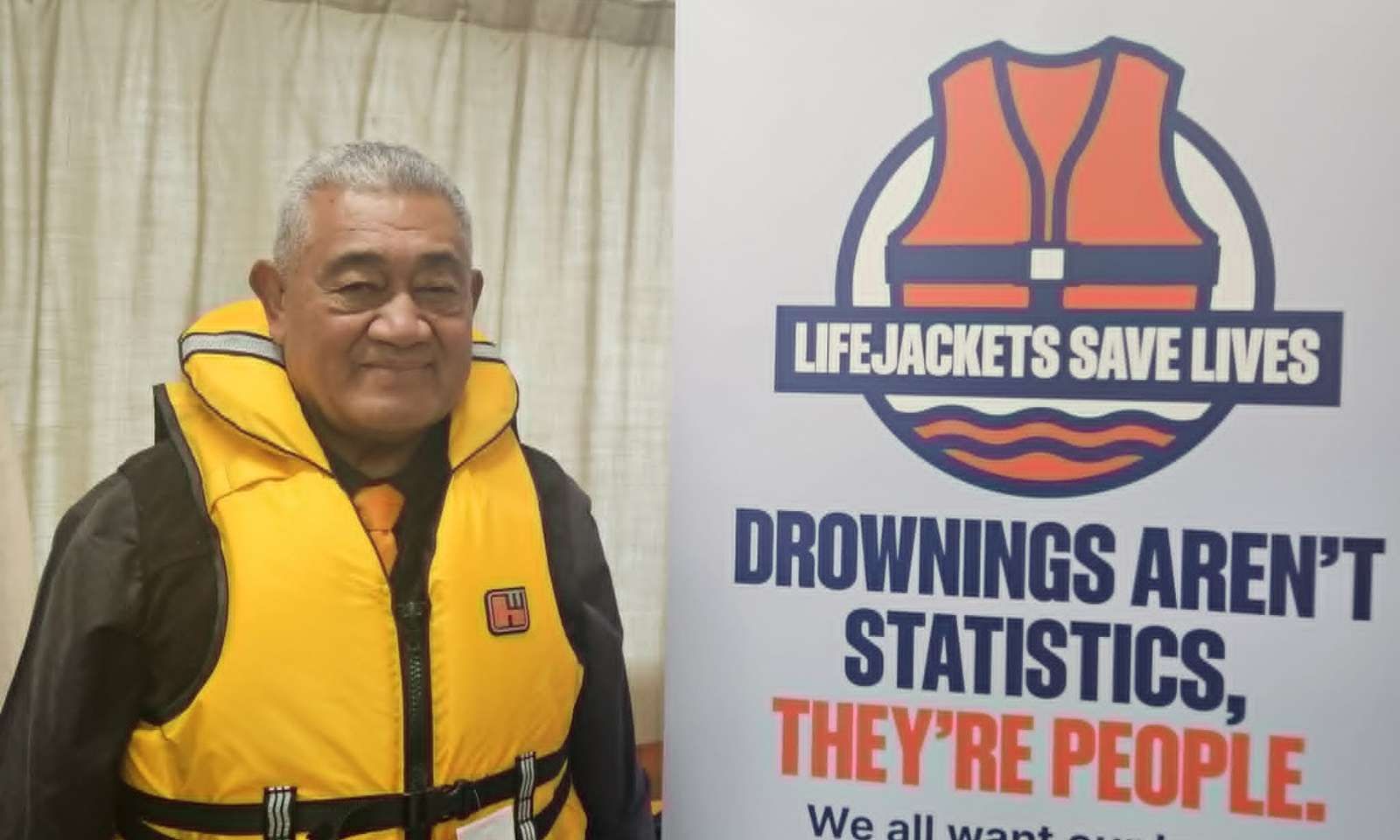
Reverend Ifalame Teisi. Photo/PMN News/Aui’a Vaimaila Leatinu’u
Data from Water Safety New Zealand found 87 per cent of drowning victims since 2000 were not wearing lifejackets. This worsened, where between 2021 and 2025, 100 per cent of boating fatalities in Auckland involved individuals who were not wearing a lifejacket.
Pacific men were also found to remain significantly overrepresented in these figures, making up 17 per cent of Auckland drowning fatalities in 2024.
Natia Tucker, the Coastguard New Zealand lead of the project, says she was surprised to find that many community members had never seen standard water safety messages.
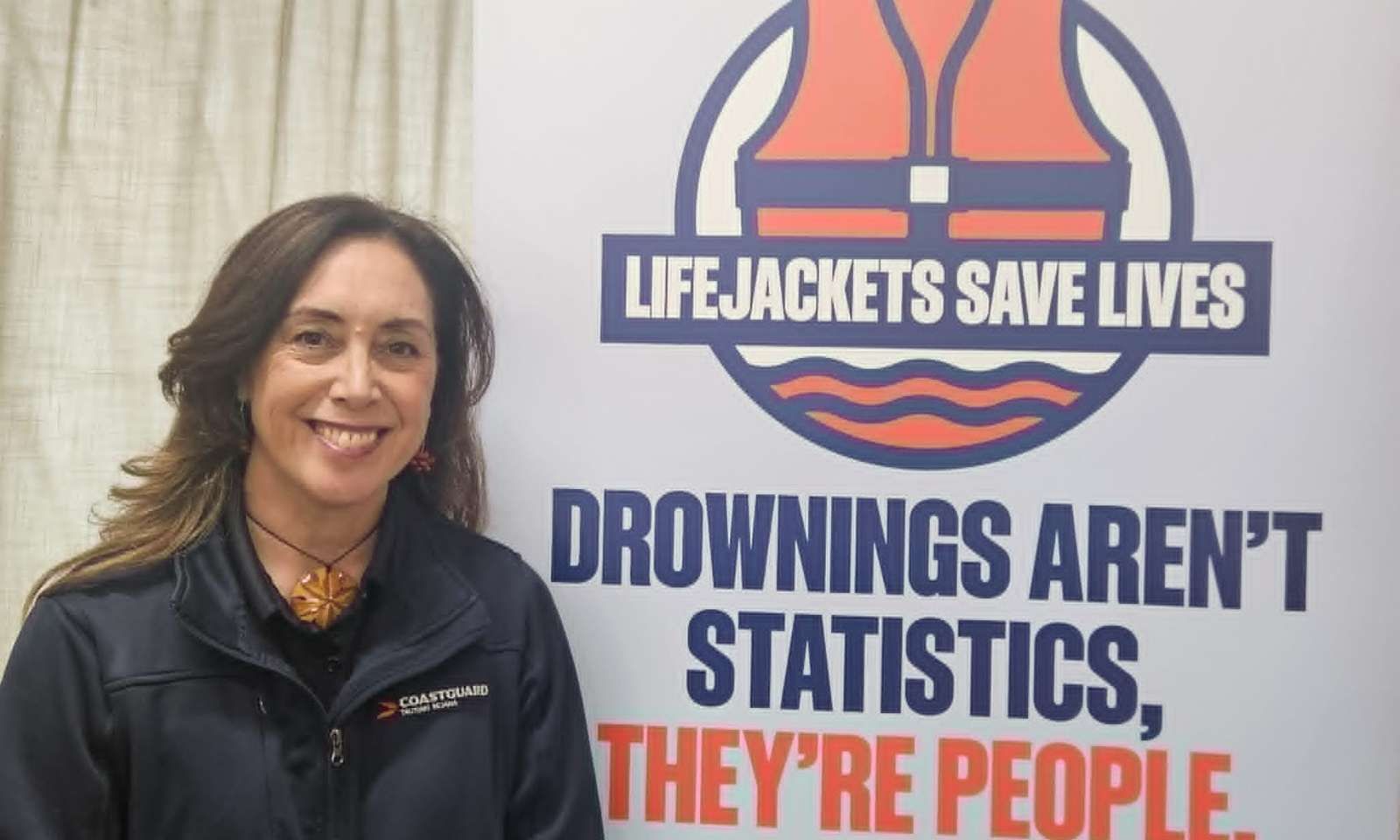
Natia Tucker. Photo/PMN News/Aui’a Vaimaila Leatinu’u
“When I presented this back to the water safety sector, they were shocked because they spend lots of money promoting these things, but it wasn't directed to our people,” she says.
“So that's how this work is so valuable because it's actually hitting the right message in the right way."
She says she knew their approach needed to be culturally connective to effectively reach Tongan people.
“When I first came to Coastguard NZ, I was asked how I was going to address Pacific drowning. I knew that the people most affected were Tongan, especially around boating,” Tucker says.
The project, which has undergone a four-year journey, is currently in phase two, where phase one focused on researching and understanding boat safety within the Tongan community.
The team held a range of engagements with the Tongan community to come up with ideas before moving to phase two, which looks at how to implement those ideas for the public.
Tapuvakai Vea, who is part of the campaign, says it's name was produced by community feedback.
“The community identified that the messaging needs to be more than a life jacket - it’s around the family. So Come Home Safely was a unique name in terms of wanting our families to come home from the water safely.
“The idea is that it's not just around a life jacket, it’s around our fathers, sons, mothers and daughters who are out in the water returning home to their loved ones.”
Watch Tapuvakai Vea and Reverend Ifalame Teisi’s interview on PMN Tonga below.
Tucker says the project has changed Coastguard NZ’s approach in various ways, including the use of kava ceremonies to strengthen faith and encourage safety before fishermen leave the shore.
“[The community] were saying, ‘we don't see ourselves in any of your work’. Now we've got Reverend Teisi, when you open up the webpage for Coastguard NZ and there's Reverend Teisi.
“We’ve made some videos on how to use a VHF radio and the star of the show was Reverend Teisi, showing people that even if English is not your first language, you can still use the radio. So this work has changed so much within Coastguard NZ.”
Other initiatives include Tongan-language day skipper and survival courses taught by Teisi. Teisi says they also have a lifejacket hub at their church for community use.
They currently have 40 lifejackets in various sizes. Teisi also says they recently presented their campaign efforts to 37 congregations across the region, to take their message to their own communities.
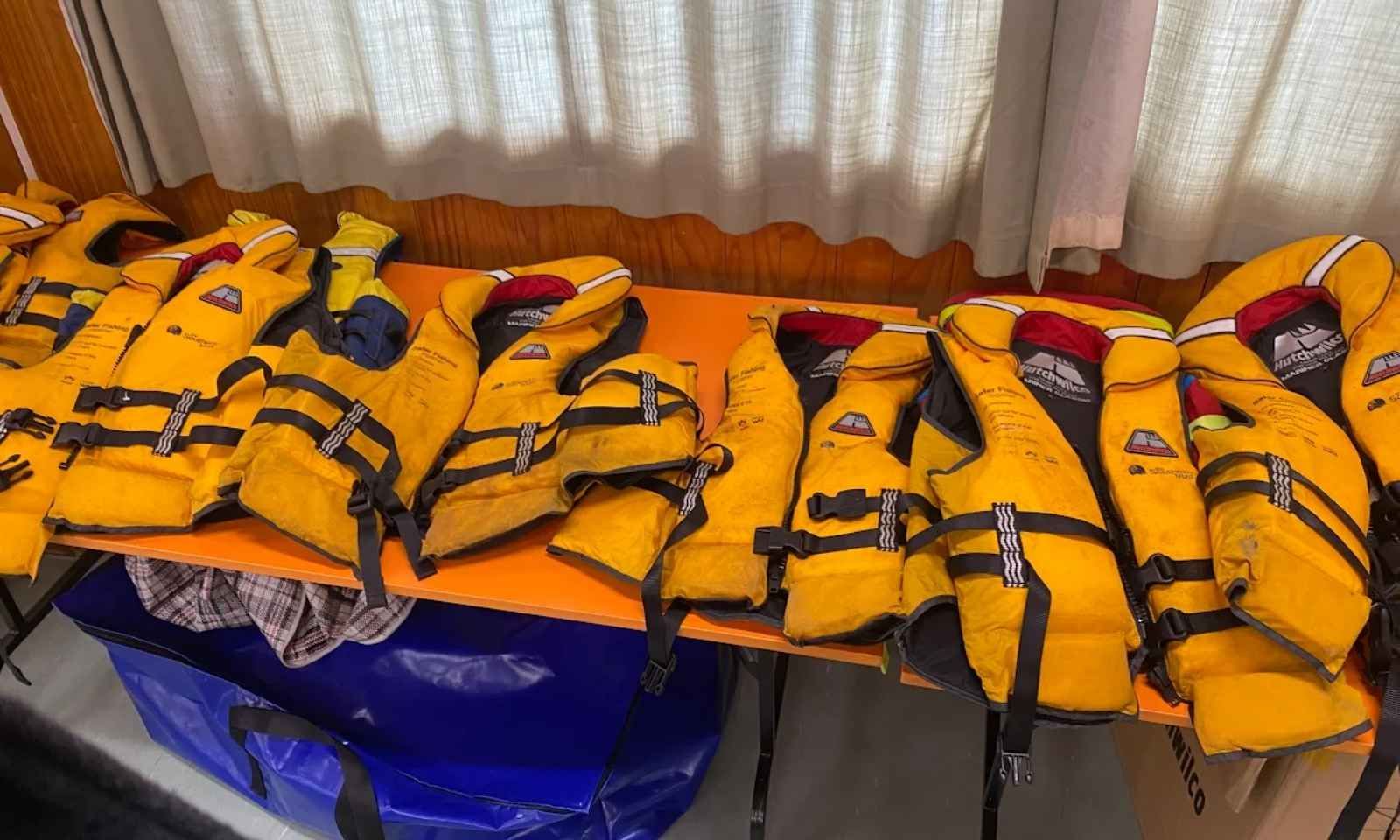
Lifejacket hub. Photo/PMN News/Aui’a Vaimaila Leatinu’u
Coastguard NZ also plans to visit each of them to provide more detailed presentations. The team also supports the Auckland Council’s current consultations on proposed changes to the Auckland Navigational Bylaw 2021.
The proposed change to Clause 20 would make it compulsory for every person on a recreational vessel six metres or less to wear a properly secured lifejacket while underway.
Teisi supports the proposal, saying normalising lifejacket use is key to changing behaviour on the water.
Aucklanders can have their say on the proposed bylaw change until 7 June.