Fiji's government defends electoral reforms as Law Society warns of ‘chilling effect’
Christine RovoiThu, 12 Nov
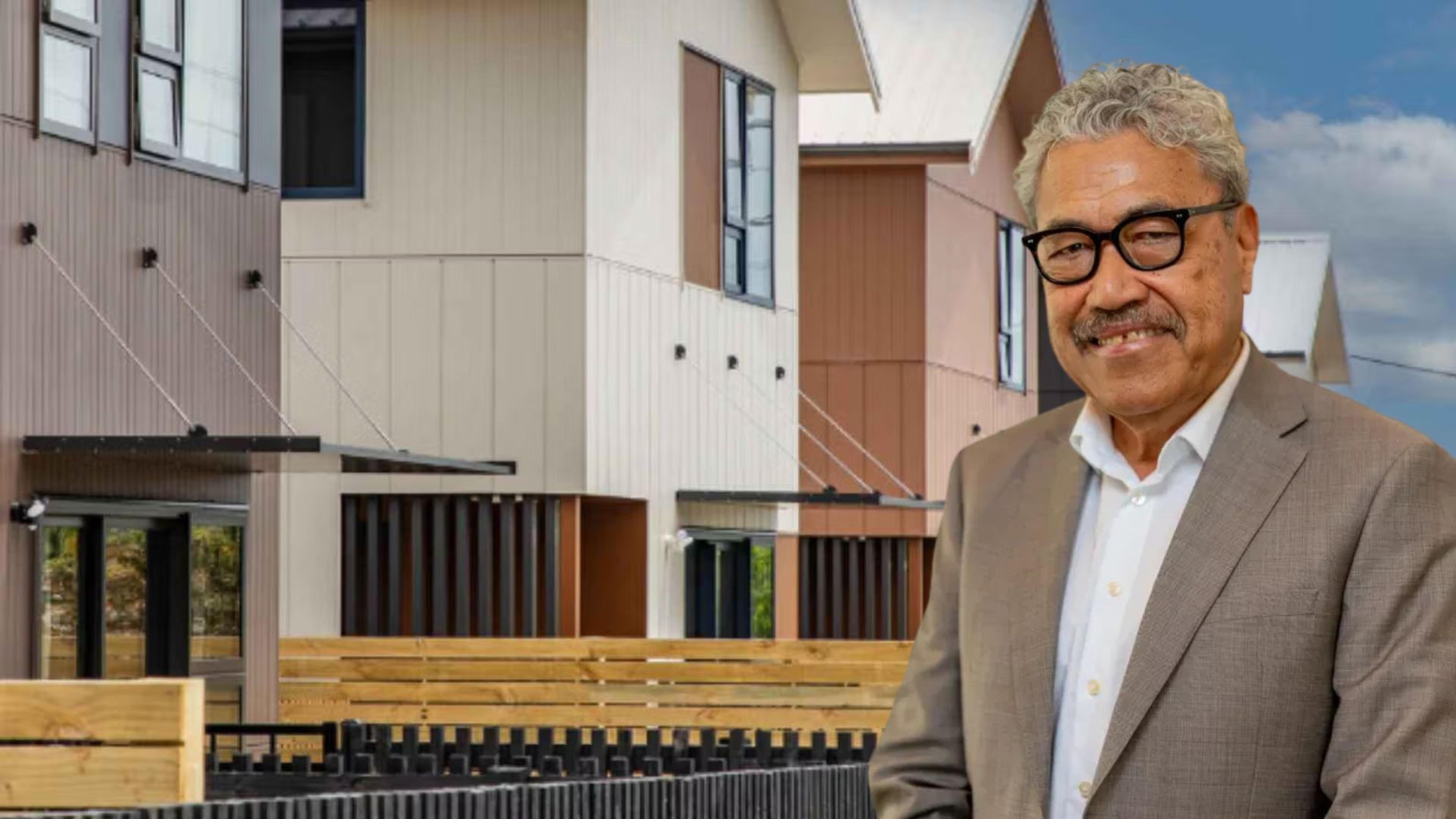
Central Pacific Collective chair Fa'amatuainu Tino Pereira says Our Whare Our Fale is showing how Pacific communities can lead the way in delivering affordable homes that reflect their culture, values and needs.
Photo/Supplied
Fa'amatuainu Tino Pereira says the Porirua development could change the future of home ownership for Pasifika with plans to grow the project to 300 houses and take the model to Auckland.

A Pacific housing project recognised nationally for its design is now looking beyond Porirua.
Central Pacific Collective plans to deliver hundreds more homes for families who might otherwise never get the chance to own one.
Collective chair Fa'amatuainu Tino Pereira says Our Whare Our Fale is showing what can happen when Pacific communities lead the way in designing, building and delivering homes around their own needs and values.
Speaking with Levi Matautia-Morgan on Pacific Mornings, Pereira revealed that the development is expected to reach 50 homes by the end of this year as the collective works towards its longer-term target of 300.
The project has also received a 2026 New Zealand Architecture Award in the Housing/Multi-unit category, adding to the recognition it has already received from the property industry.
But Pereira says the awards are only part of the story. “This is specifically Pacific-designed, Pacific-engineered, and Pacific-built. That's the thing that gives our people [pride in] why we can do this and we can be the best.”

The Pacific-led Our Whare Our Fale development brings families together around a shared malae and fale with 300 homes the long-term goal. Photo/MPP
The development's approach starts with Pacific culture and not conventional housing design.
The first stage includes 18 homes built around a shared malae and fale, drawing on the traditional Pacific village layout. Instead of facing the street, the homes face the communal space, creating a place for families and neighbours to gather, connect and practise their culture.
Pereira says the idea came directly from conversations with Pacific families about the kind of homes they wanted in Aotearoa. “We want homes that reflect who we are.”
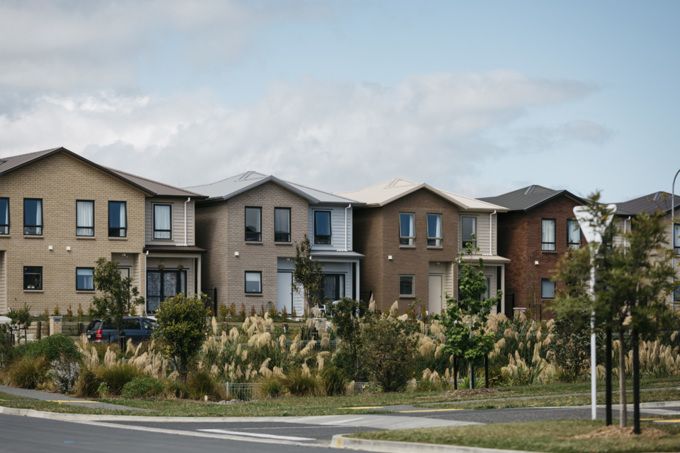
Affordable, culturally appropriate housing remains a major challenge for Pacific families in Aotearoa, with home ownership rates well below the national average. Photo/Supplied/Kainga Ora
That thinking has shaped everything from the size of the homes to how their internal spaces are used. The two-bedroom, two-storey homes measure about 83 square metres, providing more room for extended families, visitors and cultural gatherings.
The design also considers cultural practices, including ensuring toilet doors do not open directly into living areas. But the other major part of the project is affordability.
Pereira says the homes are being sold for about 25 per cent below market value with the combination of leasehold land, community-led development and bulk purchasing helping to bring costs down.
Under the shared-equity arrangement, families need to secure about 60 per cent of the mortgage, while the collective contributes the remaining 40 per cent. Buyers also need a five per cent deposit.
He says the approach is designed to help families who have traditionally faced significant barriers to home ownership.
“Two bedrooms, two-storey, about 85 square metres. The average commercial building, I mean, two bedrooms are about 55; Kāinga Ora builds about 45. We are building them at 83 square metres.”
Listen to Fa'amatuainu Tino Pereira's full interview below.
The homes also include solar power and garages. Pereira gave the example of two-bedroom homes selling for $499,000 against a market value of $650,000.
The wider purpose, he says, is to give Pacific families more than a roof over their heads.
Warm, dry and affordable homes can improve health, support children's education and give families the opportunity to build an asset they can pass on to future generations.
That opportunity is particularly significant given the continuing gap in Pacific home ownership. Stats NZ's 2023 Census data shows that only 16.8 per cent of Pacific adults aged 15 and over own or partly own their home, while overcrowding remains a major challenge for Pacific households.
The development's latest recognition from the architecture sector also reflects its wider approach.
In its 2026 award citation, Te Kāhui Whaihanga New Zealand Institute of Architects praised the community-led design process, describing the project as “density done well” and “architecture as genuine community benefit”.

Andrew Evans says the project shows how community-led housing can help create a pathway to home ownership. Photo/Property Council NZ
It follows the collective's success at the Property Council New Zealand awards in June, where it won the Kāinga Ora Community and Affordable Housing Property Award.
Property Council New Zealand head judge Andrew Evans said the development offered lessons for the wider housing sector.
Evans says the project stood apart in a category that asks for developments to prove genuine community benefit.
"The homes matter but so does the system around them. This is the kind of project New Zealand should be paying attention to. It shows how community-based delivery can create a path to home ownership."
Pereira says the next challenge is securing the investment needed to expand the model. The collective plans to recycle the resources generated through its development work into building more homes than distributing profits.
He says the ambition is not limited to Porirua, hinting that Auckland could eventually be next. “We might end up in Auckland, my friend.”
Pereira says the project is about changing the way Pacific families experience housing in Aotearoa, and making sure future generations have opportunities that many of their parents and grandparents never had.