Sāmoa climate activist tells leaders: You now have a responsibility to act for our aiga, future
Christine RovoiThu, 08 Oct

From left to right: Paul Gilberd, Vui Peter Stowers and Tiumalu Peter Fa’afiu.
Photo/Community Housing Aotearoa/Ministry for Pacific Peoples/Unsplash/PMN Composite
A Sāmoan housing advocate says it is time to move towards integrating Pacific communities and values in how we do housing.



This is the second of a two-part series examining what needs to change to lift Pacific home ownership.
As the Pacific home ownership rate collapses to a disastrous 20 per cent, a Sāmoan housing advocate says it’s time to fix a broken system and start building a new one based on Pacific values.
In 1986, 51 per cent of Pacific families in New Zealand owned their home. By 2023 it had dropped to just 20 per cent - 31 per cent for Māori and around 60 per cent for New Zealand Europeans.
Speaking with William Terite on Pacific Mornings, Vui Peter Stowers, a housing advocate, argues that the traditional model of one person buying one has failed our people.
He is calling for a massive shift towards community ownership.
“My strong [advocacy for] this year is for Pacific community home ownership. I believe that's contributing to the solution. We have community groups who have the potential to do that,” Vui says.
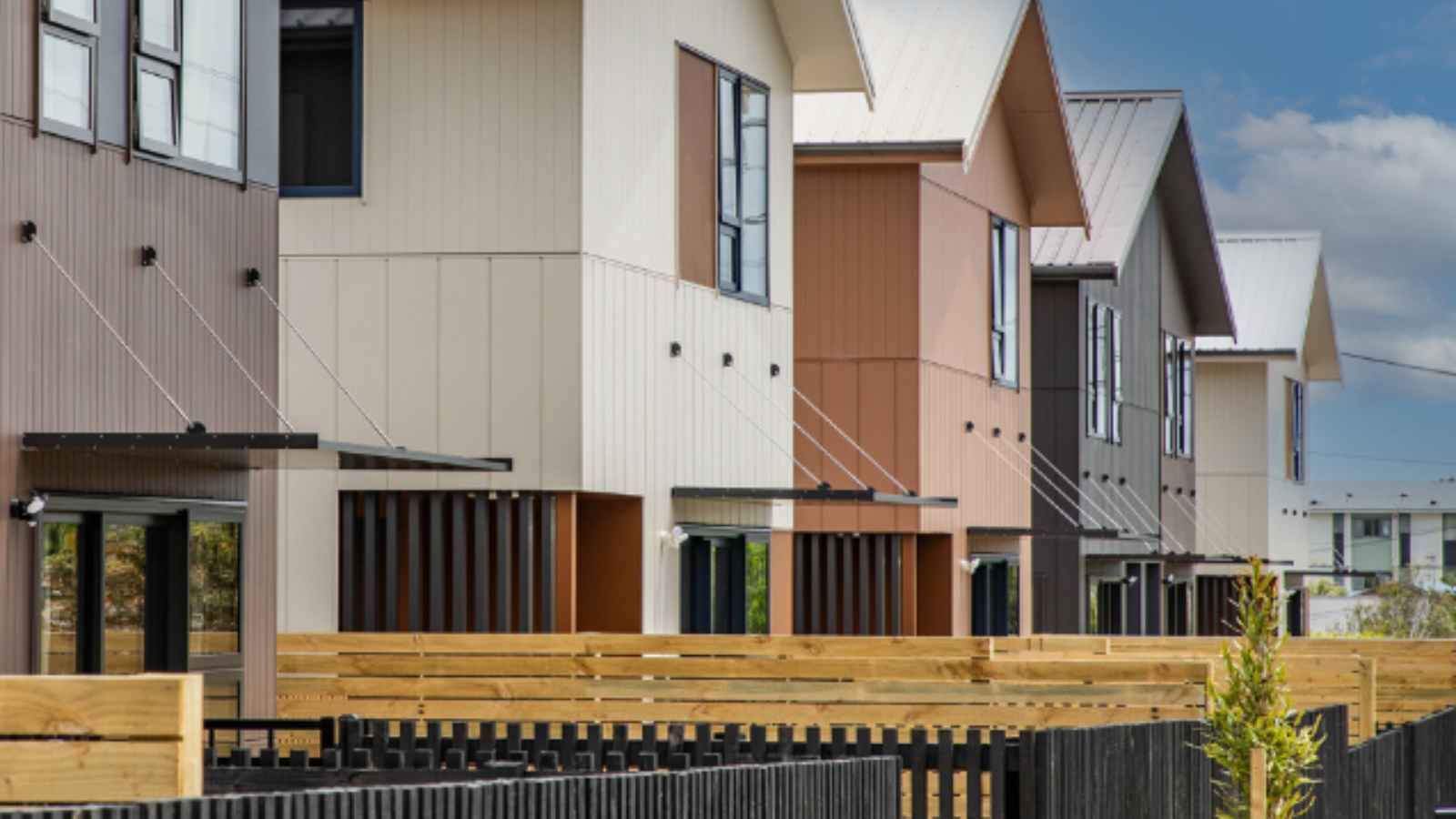
Vui Peter Stowers advocates for flipping the board on how we do housing today. Photo/Kāinga Ora
Vui says the answer lies in the groups we already trust in: our churches and regional organisations.
By using the collective strength of the “village” to buy land and build houses,Pacific families can find stability that the current market denies them.
But the system is making it nearly impossible. Vui says out of the 100 registered community housing providers in the country, only two are Pacific-led.
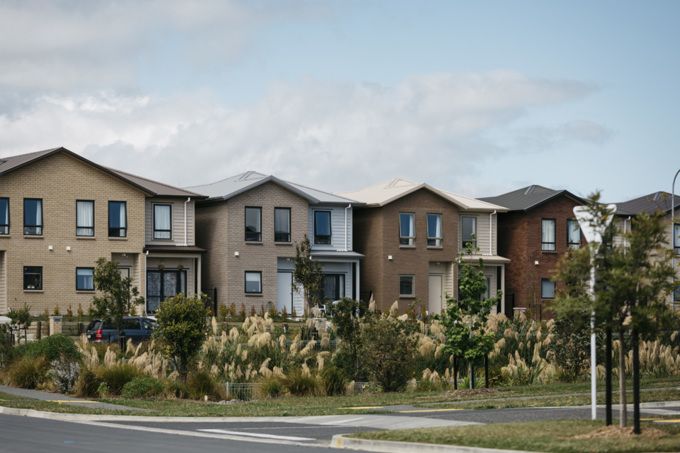
Public housing in South Auckland. Photo/Auckland Council
Paul Gilberd, the Chief Executive of Community Housing Aotearoa (CHA), tells Terite that New Zealand used to be the “envy of the world” for housing 40 years ago.
Back then, the government offered tools like low-interest loans and allowed families to "capitalise" their family benefits to get a deposit.
But since the 1980s, New Zealand house prices have skyrocketed from an average of NZ$40,000 to $750,000 - growing four times faster than our wages, which only rose from $15,000 to $97,000.
“The provision of social and affordable housing was diminished in terms of the central role of the government to provide for our most vulnerable whānau.”
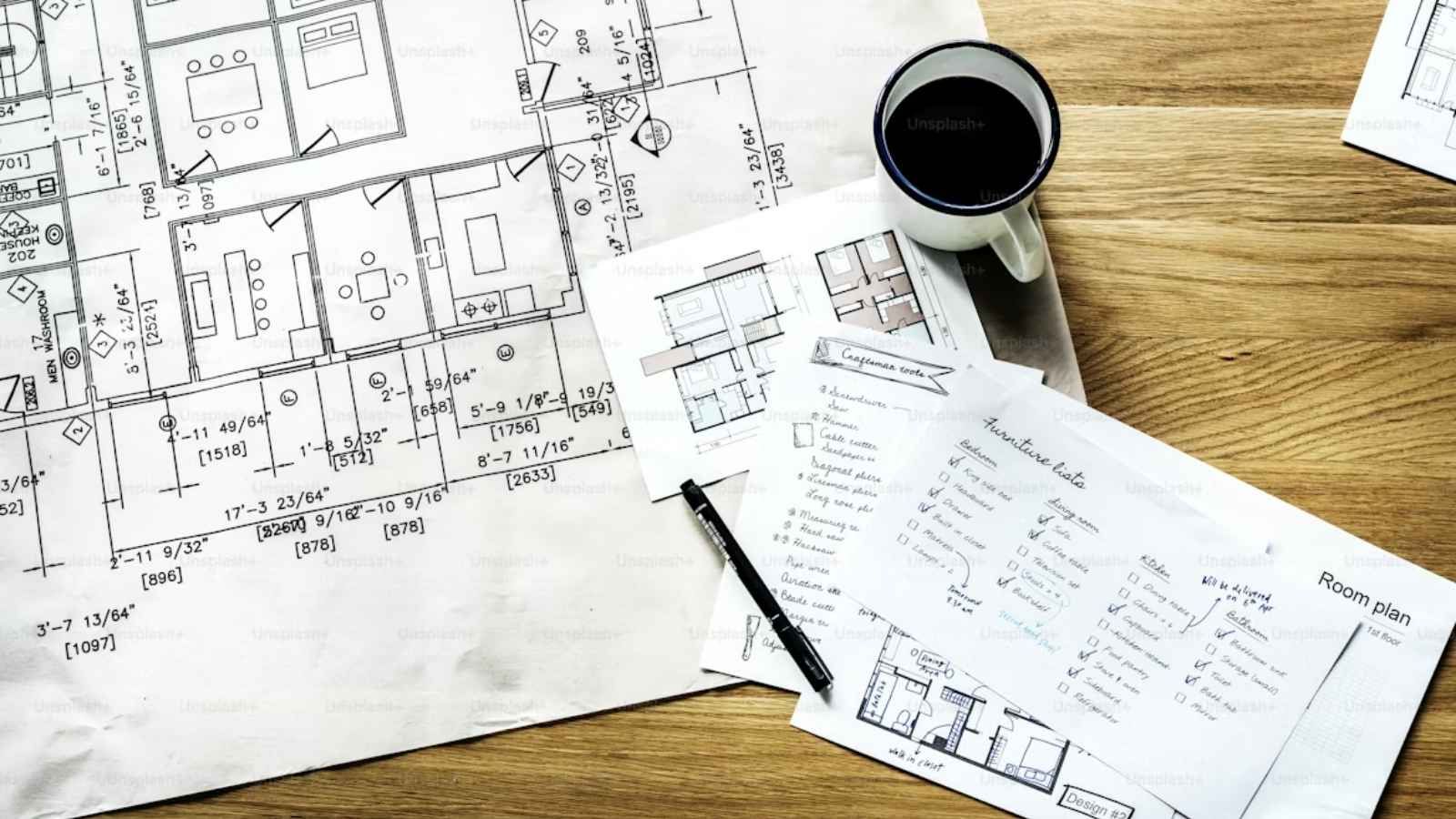
Paul Gilbert says New Zealand should return to it’s 1980s housing roots, once revered globally. Photo/Unsplash
It isn’t just about money. It’s about red tape. Tiumalu Peter Fa'afiu, a housing policy expert, says the system is too slow to help families in need.
“If you get resource consent for a significant development, say 20 plus houses within three months, that's a miracle within the Auckland system,” Tiumalu says.
“So the planning and the consenting system is a blockage. Land availability is a blockage, particularly in Auckland.
“The other blockage is the financial literacy aspect. We've now got it in schools, it’s going to be compulsory. We should have had that 50 years ago.”
Watch the full panel with Vui Peter Stowers, Paul Gilberd and Tiumalu Peter Fa’afiu below.
To address these challenges, CHA is running a Pacific Housing Symposium on 22 June at the Fale o Sāmoa in Māngere.
The goal is to stop the downward spiral and put the keys back into the hands of Pacific families.
For more information or to register, click here.