From the kitchen to the classroom, Fijian culture continues to thrive in Aotearoa
Elenoa TuragaiviuFri, 09 Oct
Church leaders in Fiji warn excessive kava consumption is affecting some ministers' work and leadership.
Photo/Supplied
Reverend Dr Semisi Turagavou of the Methodist Church says some members are leaving in search of stronger spiritual support.


The outgoing president of Fiji's Methodist Church says excessive yaqona (kava) consumption among ministers is affecting the way they lead their congregations.
Reverend Dr Semisi Turagavou warns this may be driving some church members away.
He raised the issue at the opening of the ministerial meeting of the church's annual Bose Ko Viti, national conference, in Suva last week.
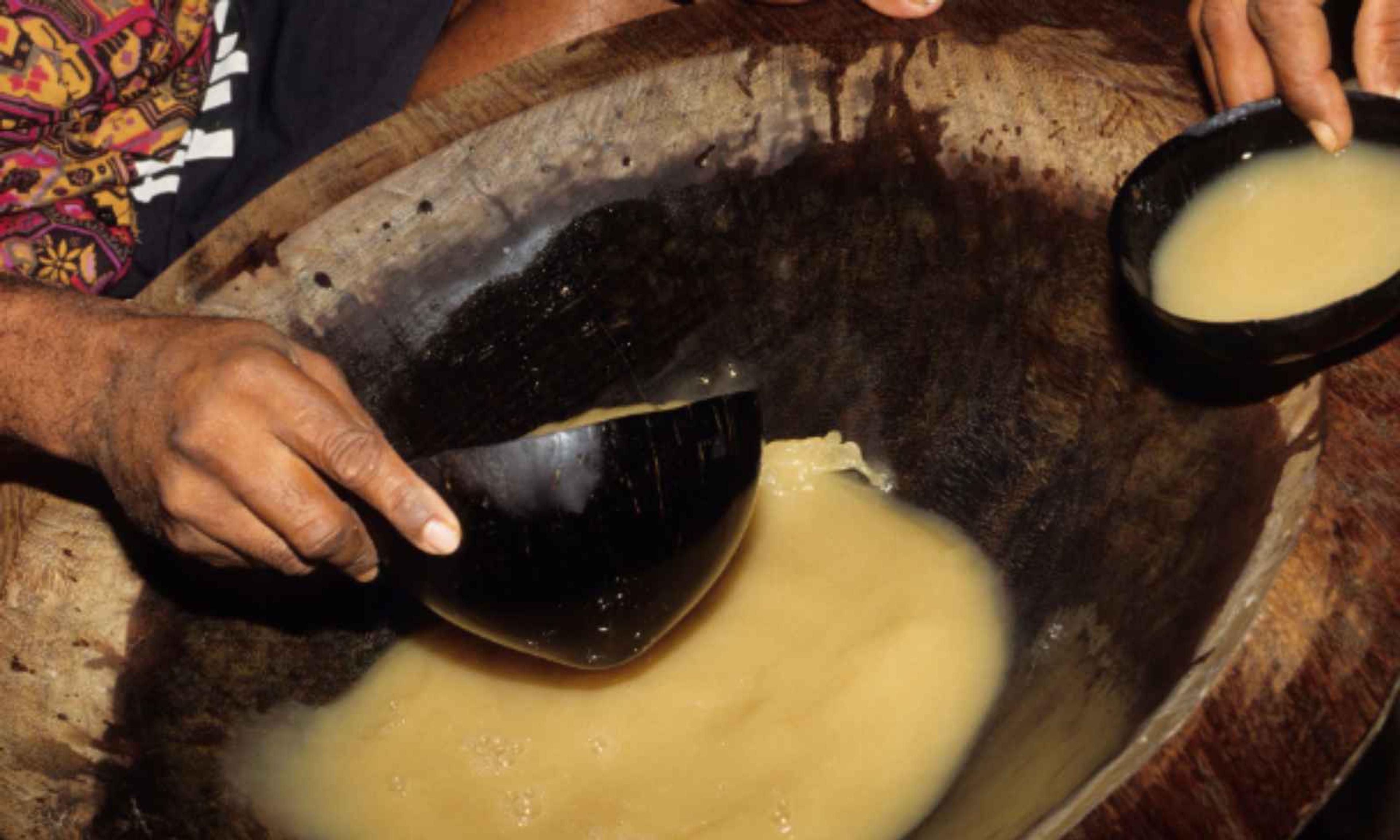
Yaqona, known widely as kava, is a traditional Pacific drink made from the ground root of the kava plant and is commonly shared in cultural, social and ceremonial settings.
Kava is also an important part of Fiji's economy. It was the country's leading agricultural export in 2025, generating FJ$79.1 million (NZ$60.44 million) and accounting for 42.3 per cent of total agricultural export earnings.
Yaqona is also an important cultural and economic crop across the Pacific, with Fiji, Vanuatu and Tonga among the region's major producers.
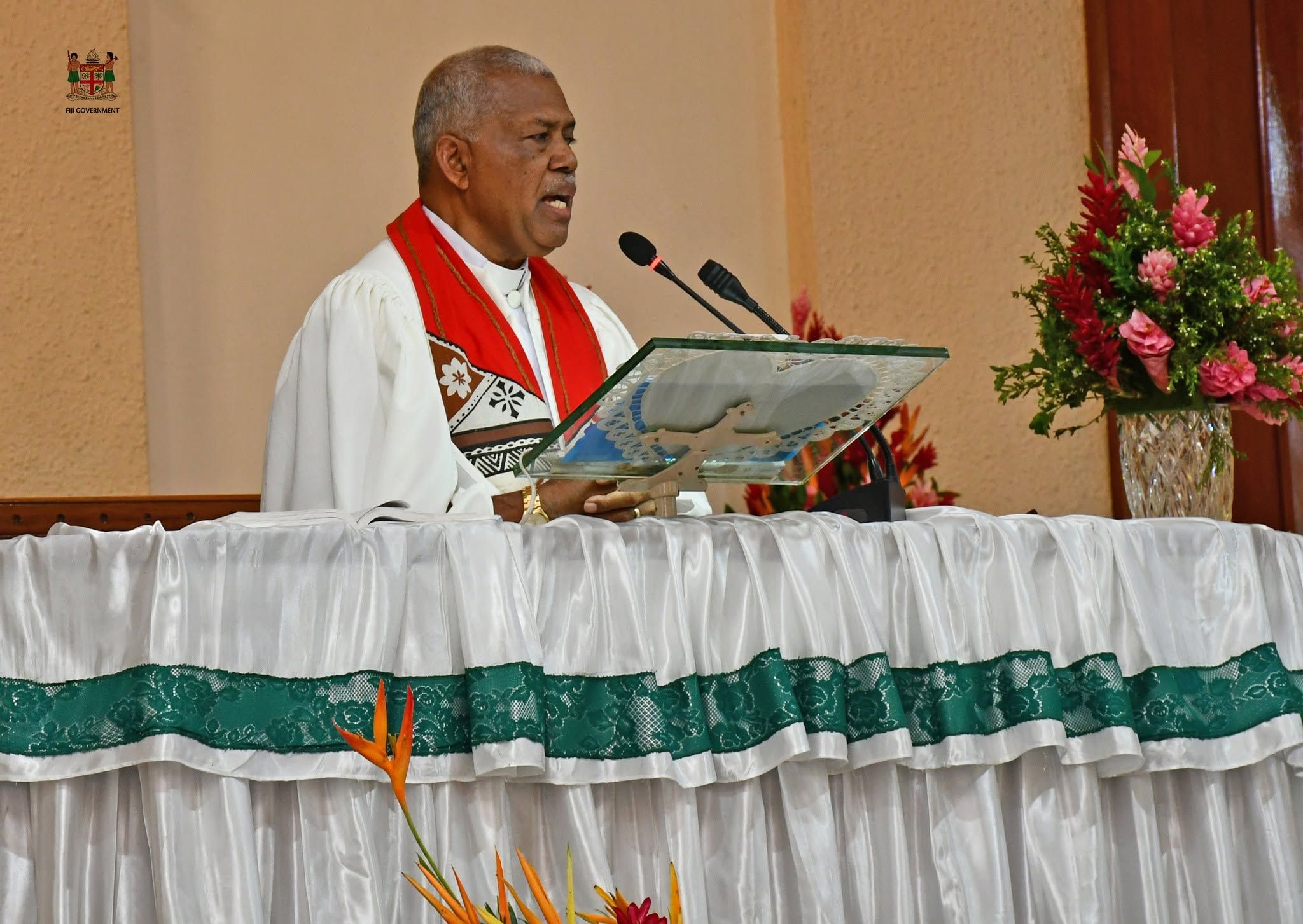
Methodist Church in Fiji president Rev Dr Semisi Turagavou has called on ministers to show greater discipline around yaqona consumption. Photo/Facebook/Fiji government
Turagavou said the concern was not yaqona itself, which he added has an important place in Fijian culture. But it was a lack of discipline around its use, he said.
“Excessive consumption of yaqona. I raise this matter not to shame anyone or to attack our culture or our tradition, but because it has become a genuine burden upon our ministry and our witness.”
Turagavou said ministers needed to be able to control their consumption rather than allowing it to affect their work.

Kava plants are grown across Fiji and other Pacific countries, with the ground root used to make yaqona, a traditional drink shared in cultural, social and ceremonial settings. Photo/file
“Whenever something begins to master us rather than us mastering it, it ceases to be a blessing and becomes a burden.”
Turagavou has raised similar concerns before. In August 2025, he called on Methodist ministers to quit excessive yaqona drinking and smoking, prompting Catholic Archbishop Peter Loy Chong to back the concern.
Writing in The Fiji Times on 30 August 2025, Chong said: “I support Rev Turagavou’s stand that excessive consumption of yaqona can affect church leaders; however, abstinence alone does not guarantee Christian leadership.”
He added: “Other matters like theological and spiritual formation, contemplation or meditation, physical wellness, ongoing training, theological pedagogy, and ongoing theological and spiritual reading are just as important or even more important.
“A Christian leader must have a passion for charity, justice, and theological reflection.”
He said the impact was already being felt in the work of some ministers.
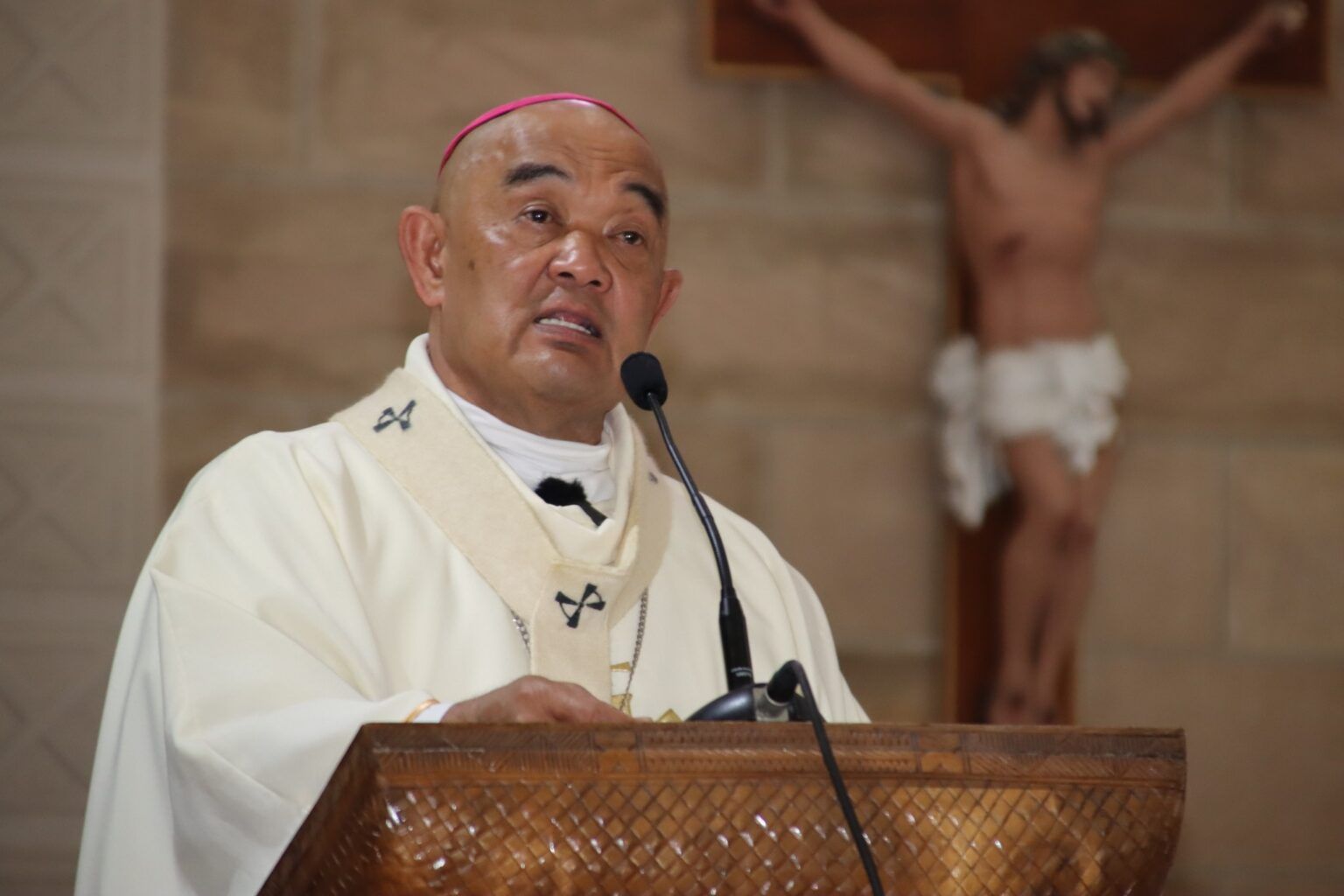
Head of the Catholic Church in Fiji, Archbishop Peter Loy Chong, backed concerns about excessive yaqona consumption among church leaders in 2025, while saying abstinence alone does not guarantee strong Christian leadership. Photo/Supplied
“The over-consumption of yaqona has affected the ministry of many of our ministers…”
Fiji's Ministry of Health also warns about the effects of excessive yaqona consumption.
Its public health guidance says heavy drinking can cause problems including bloodshot eyes, lethargy, restlessness, stomach pain and scaling of the skin.
Turagavou said the effects were being seen in the day-to-day work of some ministers, including pastoral visits, Bible study, sermon preparation, training and community outreach.
“The over-consumption of yaqona has affected the ministry of many of our ministers. It has reduced our effectiveness in pastoral visitation. It has weakened our commitment to Bible study and sermon preparation.”
Turagavou also warned that ministers' physical appearance could affect how their congregations viewed them.
“We must also recognise that our image matters alongside our message.”
He said some ministers' appearance and behaviour could undermine the message they were preaching.
“We cannot proclaim wholeness while our lives visibly reflect a lack of control.”
But his strongest warning was about the impact on church members.
Turagavou said some people were leaving Methodist congregations because they were not finding the spiritual leadership and pastoral care they needed.
“Others quietly leave our churches, seeking for what they believe to be greener pastures.”
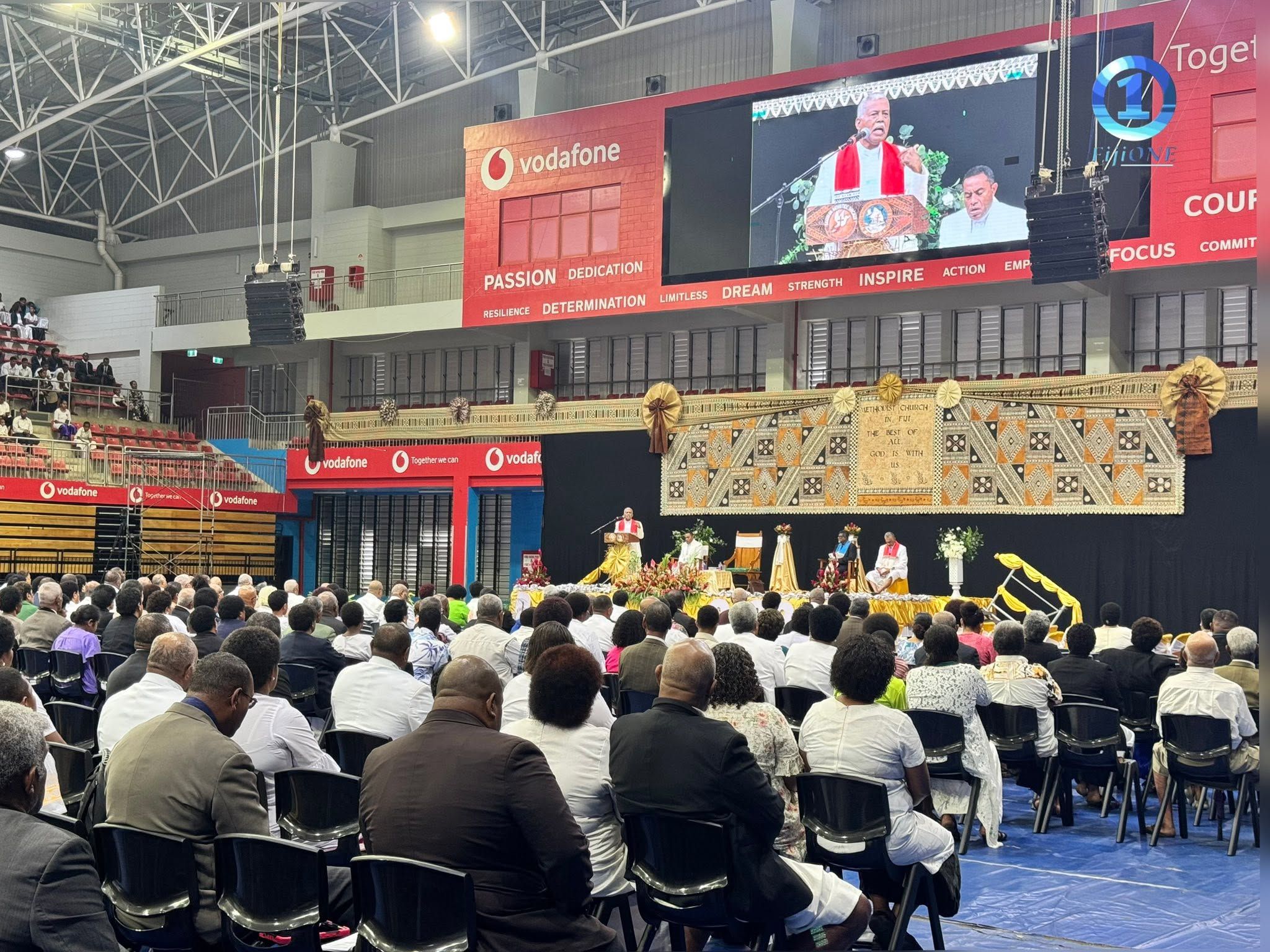
Calls have been made for church ministers to ensure their conduct and wellbeing support the message they preach. Photo/Facebook/FijiOne
He said the church needed to look at itself when members left. “Every member who quietly slips away should cause us to examine ourselves before we examine anyone else.”
The president also reaffirmed the Methodist Church's position on smoking, saying its existing discipline should apply to both ordained ministers and lay pastors.
He called on church leaders to take greater responsibility for their conduct and the example they set.
Turagavou says the issue is not about rejecting a deeply rooted part of Fijian culture but ensuring cultural practices do not come at the expense of pastoral leadership and the wellbeing of congregations.
The Methodist Church in Fiji and Rotuma, Bose Ko Viti Annual Conference 2026, at the Vodafone Arena in Suva ends on this weekend.